In Conversation With Mr. Biren Vaidya, House of Rose
- Education Featured
 Yashita Damani
- 7 minutes read

Luxury used to be about what you owned. Today, it’s about what you know. The logo may catch your eye, but knowledge is what earns admiration.
Today’s most discerning clients are asking deeper questions about artistry and legacy even before making an acquisition. In conversation with LuxeBook, Biren Vaidya shares how India’s evolving audience is embracing curiosity over impulse, why mechanical watchmaking continues to captivate in a digital age, and how lasting value is increasingly found in the stories, expertise and emotion behind every exceptional creation.
In Conversation With Mr. Biren Vaidya
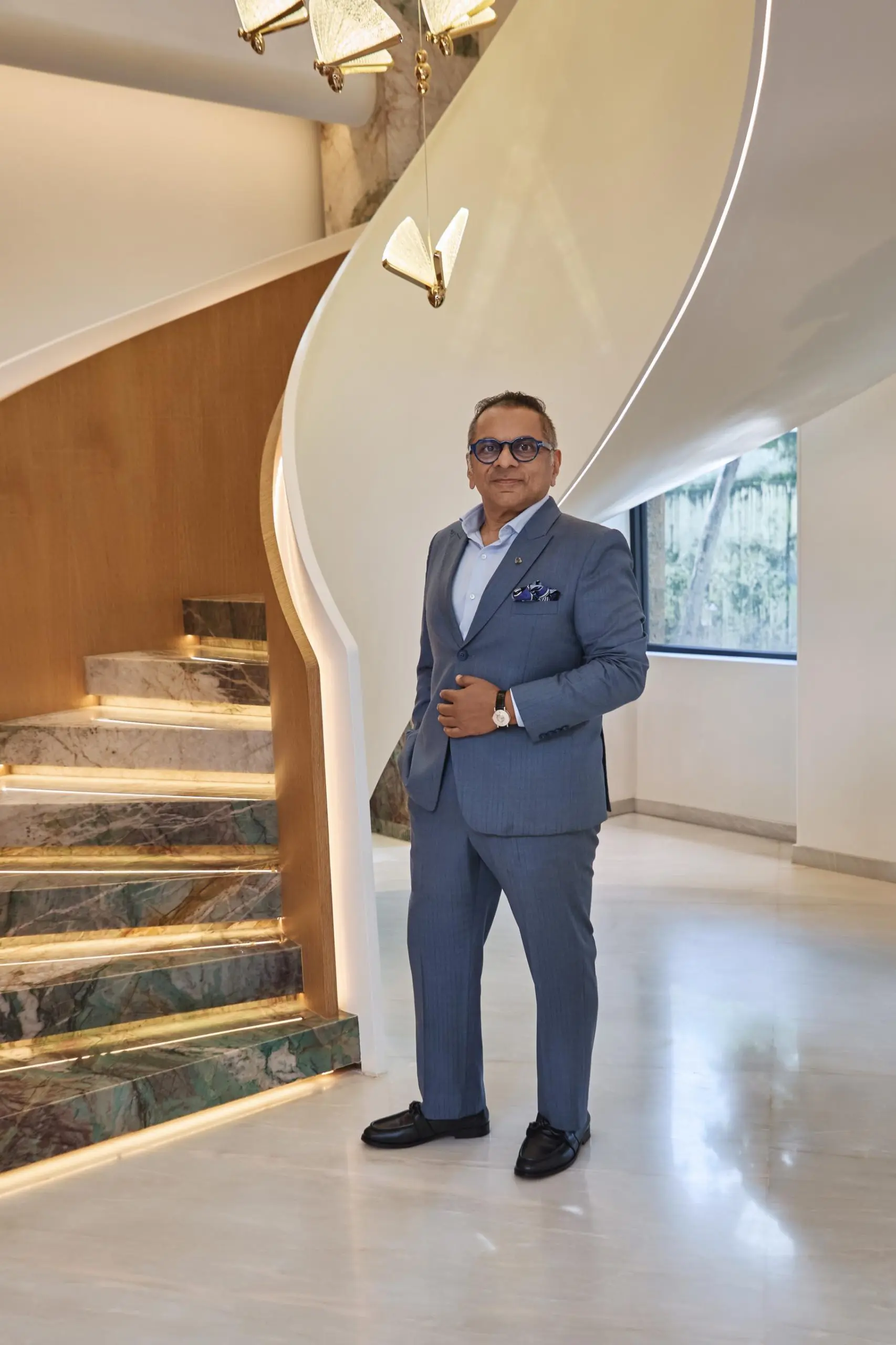
As India’s luxury landscape matures, Biren Vaidya reflects on why today’s discerning clients value craftsmanship, heritage, expertise and collecting with purpose over mere ownership. Is India’s luxury consumer is trading impulse for insight? Read on to find out!
Luxebook : How has the Indian luxury consumer evolved over the past decade, particularly when it comes to appreciating craftsmanship and heritage?
Mr. Biren Vaidya: The biggest change I’ve seen is that people are far more informed today than they were ten years ago. Earlier, the conversation was often about the brand itself. Today, it’s about what sits behind the brand.
Clients want to know where a gemstone comes from, how a movement is made, why a particular reference is important, or what makes one creation rarer than another. They’re taking the time to understand the craftsmanship before making a decision.I think that’s a very positive shift. Luxury has become less about acquiring something beautiful and more about appreciating the skill, history and human effort that went into creating it.
Luxebook : What distinguishes a true collector from a luxury buyer?
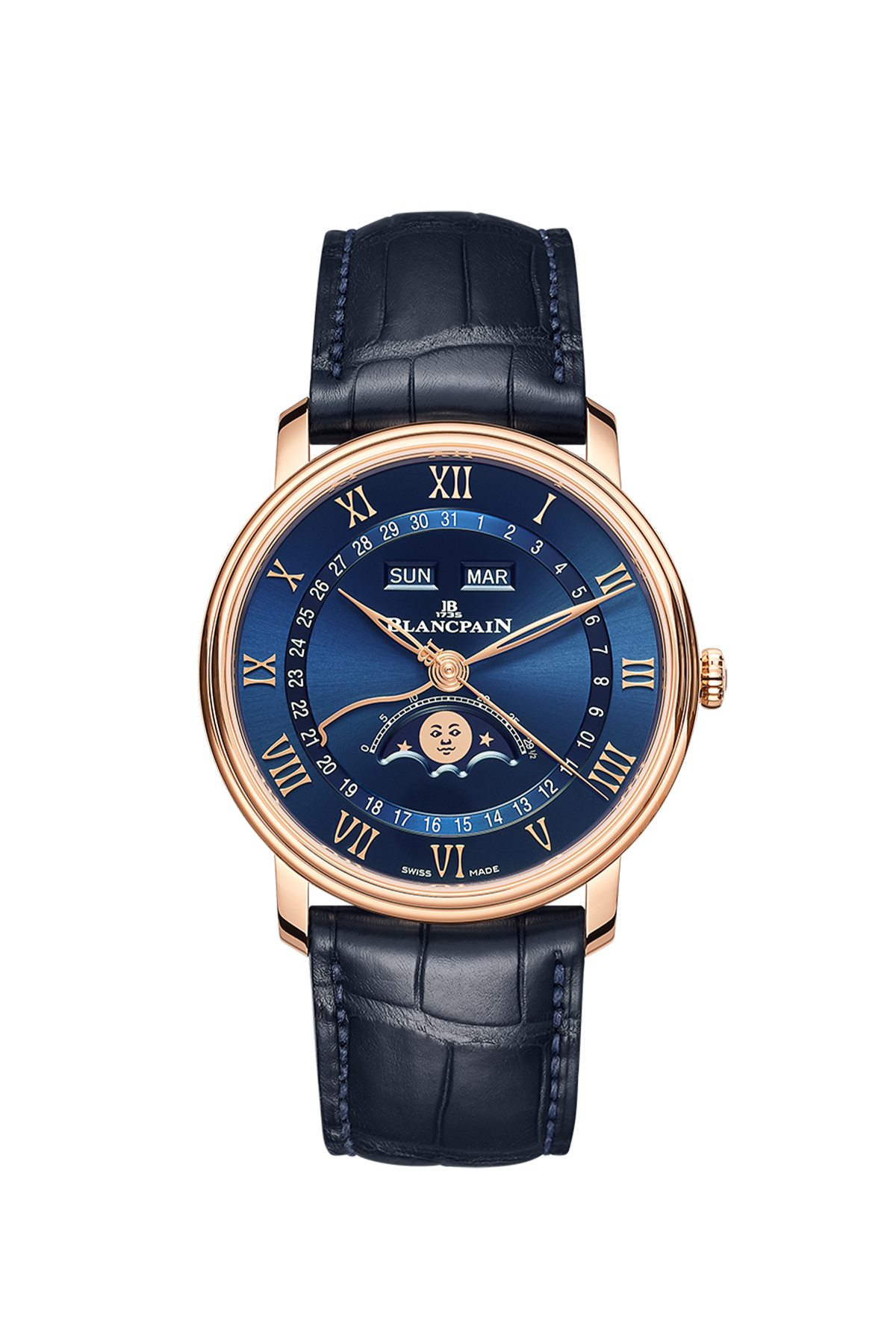
Mr. Biren Vaidya: A buyer is looking for a beautiful object. A collector is looking for knowledge.
The best collectors I’ve met are endlessly curious. They read, they ask questions, they remember details, and every acquisition builds on the one before it. They aren’t buying to impress anyone—they’re buying because something genuinely fascinates them.
You can usually tell within a few minutes which conversation you’re having. One is about the product. The other is about the passion behind it.
Luxebook : In an age of instant gratification, why do you think mechanical watchmaking continues to hold such enduring appeal?
Mr. Biren Vaidya: Perhaps because it’s the complete opposite of the world we live in today.
Everything around us is becoming faster, smarter and more disposable. A mechanical watch stands for patience. Hundreds of components come together purely through mechanical ingenuity, and if cared for properly, that watch can outlive all of us. People are beginning to value that permanence. There’s something reassuring about owning an object that isn’t designed to be replaced every few years. It’s one of the few things we buy today that is intended to become an heirloom.
Luxebook : Are Indian clients today seeking products, or are they increasingly seeking expertise, curation and storytelling?
Mr. Biren Vaidya: The product is only the starting point. What clients really value today is context. They want to understand why a watch matters, what makes a gemstone exceptional, or why a particular maison has earned its reputation over generations. That’s where expertise becomes important. Luxury retail today isn’t simply about presenting beautiful objects—it’s about helping clients appreciate them. When someone leaves having learnt something new, you’ve created a relationship that goes far beyond the sale.
Luxebook : What qualities do you look for when deciding which luxury brands and maisons resonate with the Indian market?
Mr. Biren Vaidya: The first thing I look for is authenticity. Every great maison has a point of view. It doesn’t try to be everything to everyone, and it doesn’t chase every trend.
I also believe Indian clients appreciate brands with genuine depth. Whether it’s centuries of watchmaking expertise or exceptional craftsmanship, people recognise when excellence is built over decades rather than manufactured overnight.
Ultimately, we’re interested in brands that have a story worth telling—and more importantly, one worth preserving.
Luxebook : How important is community-building and cultural programming in luxury retail today?
Mr. Biren Vaidya: I think it’s become essential. Some of the most memorable moments don’t happen across a sales counter. They happen over dinner, during a collector’s conversation, or when a watchmaker explains the complexity of a movement to a room full of enthusiasts. Luxury has always been about emotion. Bringing together people who share the same appreciation creates a much deeper connection with the brand than any advertisement ever could.
For us, creating those moments is just as important as presenting the products themselves.
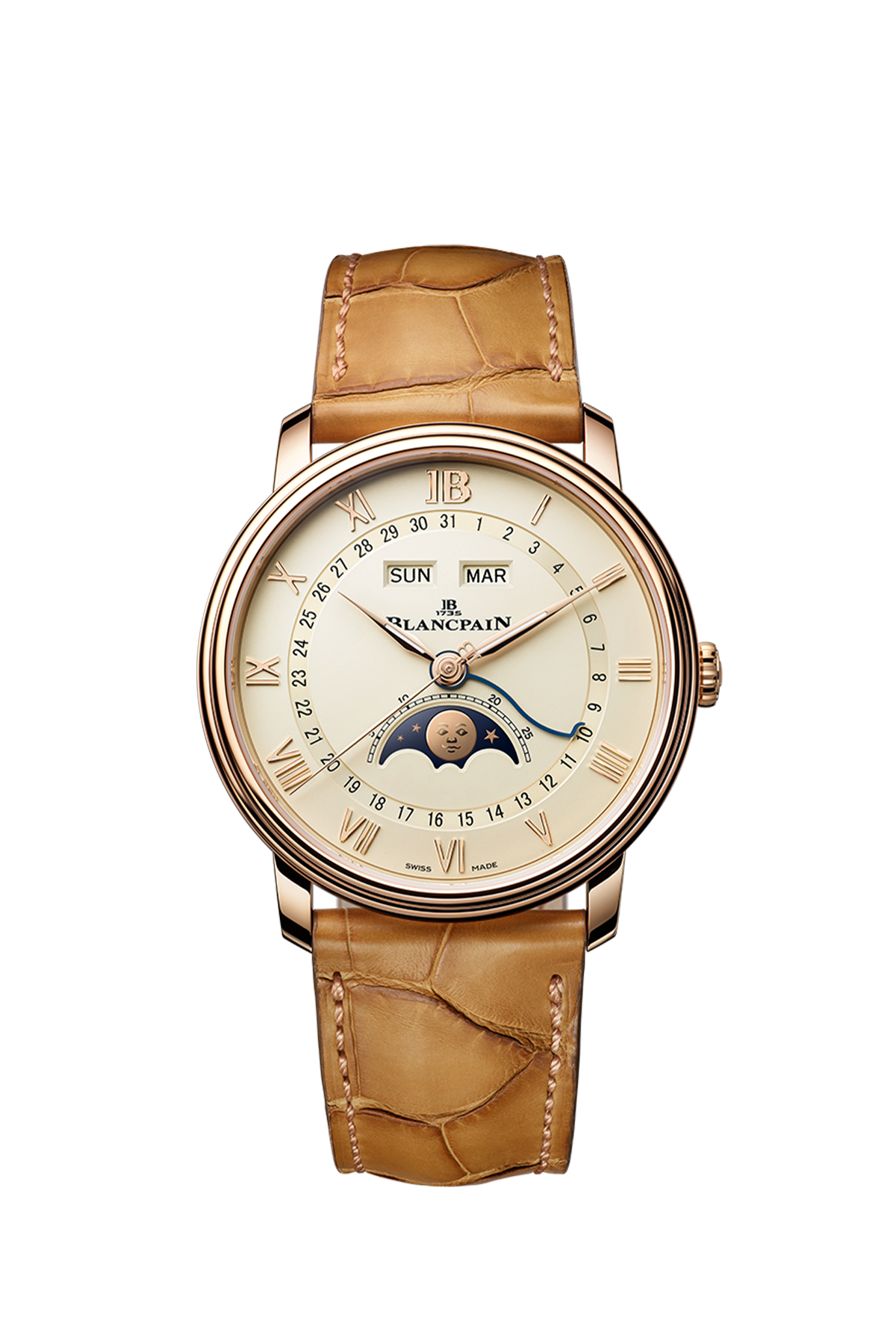
Luxebook : Have younger collectors changed the way luxury watches are bought, worn or perceived?
Mr. Biren Vaidya: Without question. They’re incredibly well-informed. Many of them arrive having spent months researching references, movements and independent makers. They’re not intimidated by tradition, but they’re also not bound by it. What I enjoy most is that they’re collecting with their own point of view. They’re choosing watches because they connect with the design, the engineering or the story—not simply because everyone else owns one. That individuality is bringing a fresh perspective to collecting, and I think that’s healthy for the industry.
Luxebook : What does modern luxury mean to you?
Mr. Biren Vaidya: To me, luxury has become much more personal. It’s no longer about having the most. It’s about owning something that means something. Whether it’s a beautifully crafted watch, an extraordinary jewel or a work of art, the pieces people treasure most are usually the ones that carry a story—about the maker, about the craftsmanship, or about a moment in their own lives. The finest luxury objects don’t just retain their value. They gain meaning over time. And I think that’s what modern luxury is really about.
You may also read: The monsoon haircare guide- What experts are changing in 2026