Klaus Karl from Siemens: ‘Premiumisation is becoming geographically wider’
- Featured Retail
 Yashita Damani
- 12 minutes read

Gone our the days where mothers had the patience to wait for the whistle of a pressure cooker and a kadhai had to go through several rounds of cleansing for stain removal. A circulation technology in ovens today now allows consumers to cook three dishes simultaneously without smells getting intertwined. The new coffee machines can now educate you about the origin of beans from all over the world, prep your favourite songs and you can basically use your appliances like a smartphone and operate the process via a camera.
India’s affluent homeowners are investing in luxury kitchens like never before. From AI-powered ovens to personalised coffee experiences, seamless refrigerators and premium built in kitchens, Siemens Home Appliances sees India emerging as one of its most exciting luxury growth markets. There was a time when kitchens in India existed behind closed doors, purely functional spaces where utility took precedence over aesthetics.
Across luxury homes, sprawling penthouses and bespoke villas, these spaces are now emerging as carefully curated expressions of lifestyle, design and aspiration. For premium home appliance giants, that shift marks a defining opportunity. At the heart of this transformation lies a potent combination of intelligent technology, design led living and increasingly discerning consumers who expect appliances to do far more than simply function. As homeowners invest ₹5 crore to ₹10 crore into bespoke residences, premium built in appliances are quietly becoming status symbols. This trend is being further accelerated by the organised modular kitchen industry, which is expected to grow at a CAGR of approximately 25% through 2030, creating a strong tailwind for the built-in appliance category.
We, at LuxeBook, got into an exclusive conversation with Klaus Karl, Executive Vice President, BSH Home Appliances Group and Saif Khan, Managing Director and Chief Executive Officer, BSH Home Appliances India to understand how the country’s appeal lies in its cultural complexity, evolving aspirations and rejection of a one size fits all approach. Read on.

LuxeBook: Across the world’s major premium markets, where does India stand today in its luxury living journey, and what are the signals that make you believe its most exciting chapter for Siemens in India?
Klaus Karl: India is one of the most exciting premium markets globally because it is still evolving rapidly. Kitchens remain the centre of homes everywhere in the world, but what makes India fascinating is that this centre looks very different culturally. Families, cooking habits, lifestyles and expectations differ significantly, and that requires a highly localised understanding rather than a one size fits all approach. For Siemens, India sits at a very exciting point in its premiumisation journey, with stronger aspirations around design led living and experiential homes.
LuxeBook: How is the evolving homeowner influencing the way Siemens thinks about innovation, design and brand experience globally?
Klaus Karl: Consumers today no longer buy products alone. They buy experiences. Luxury products should quietly enrich everyday life rather than constantly demand attention. As homes become more experiential, Siemens is increasingly focused on meaningful technology where intelligence disappears into the experience while improving convenience, personalisation and ease.
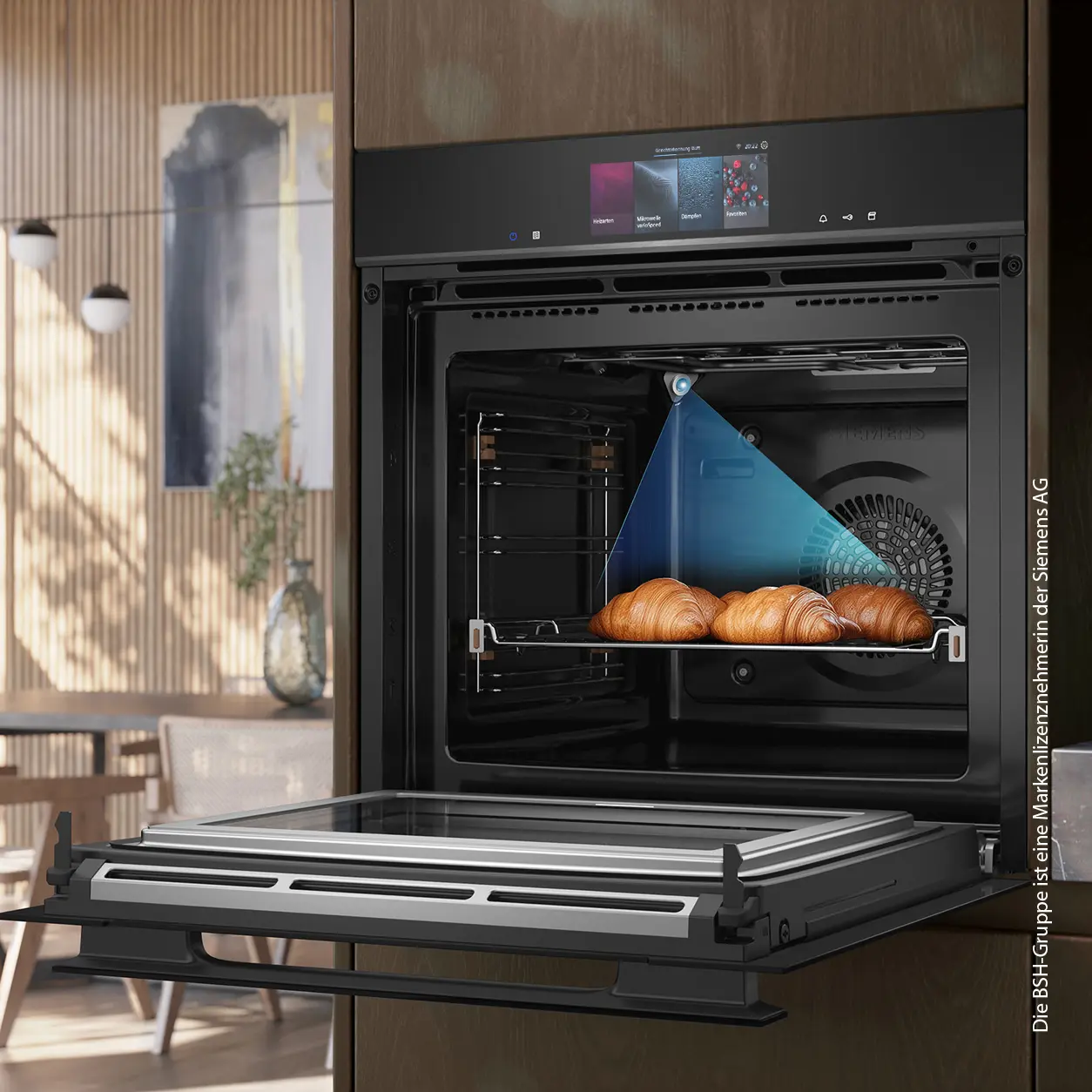
LuxeBook: As Siemens celebrates 100 years of oven innovation, what have been the defining shifts in how people interact with cooking and what do you see as the next frontier?
Klaus Karl: The kitchen has transformed dramatically from being a purely functional area into a social and emotional centre of the home. Innovation has evolved from helping people cook more efficiently to helping them cook more intuitively. The next frontier is intelligent cooking where appliances anticipate needs and personalise experiences through artificial intelligence.
LuxeBook: Across global markets, what are the most significant shifts you are observing in affluent consumer behaviour and how closely do these trends mirror what you see emerging in India?
Klaus Karl: Affluent consumers globally increasingly value experiences, personalisation and seamless living. India mirrors many of these shifts, but what stands out is the pace of aspiration and willingness to embrace elevated lifestyles. Consumers want homes that reflect both beauty and functionality, and kitchens are becoming increasingly central to that expression.
LuxeBook: The best luxury products often disappear into the experience rather than drawing attention to themselves. How does Siemens balance technological sophistication with design restraint?
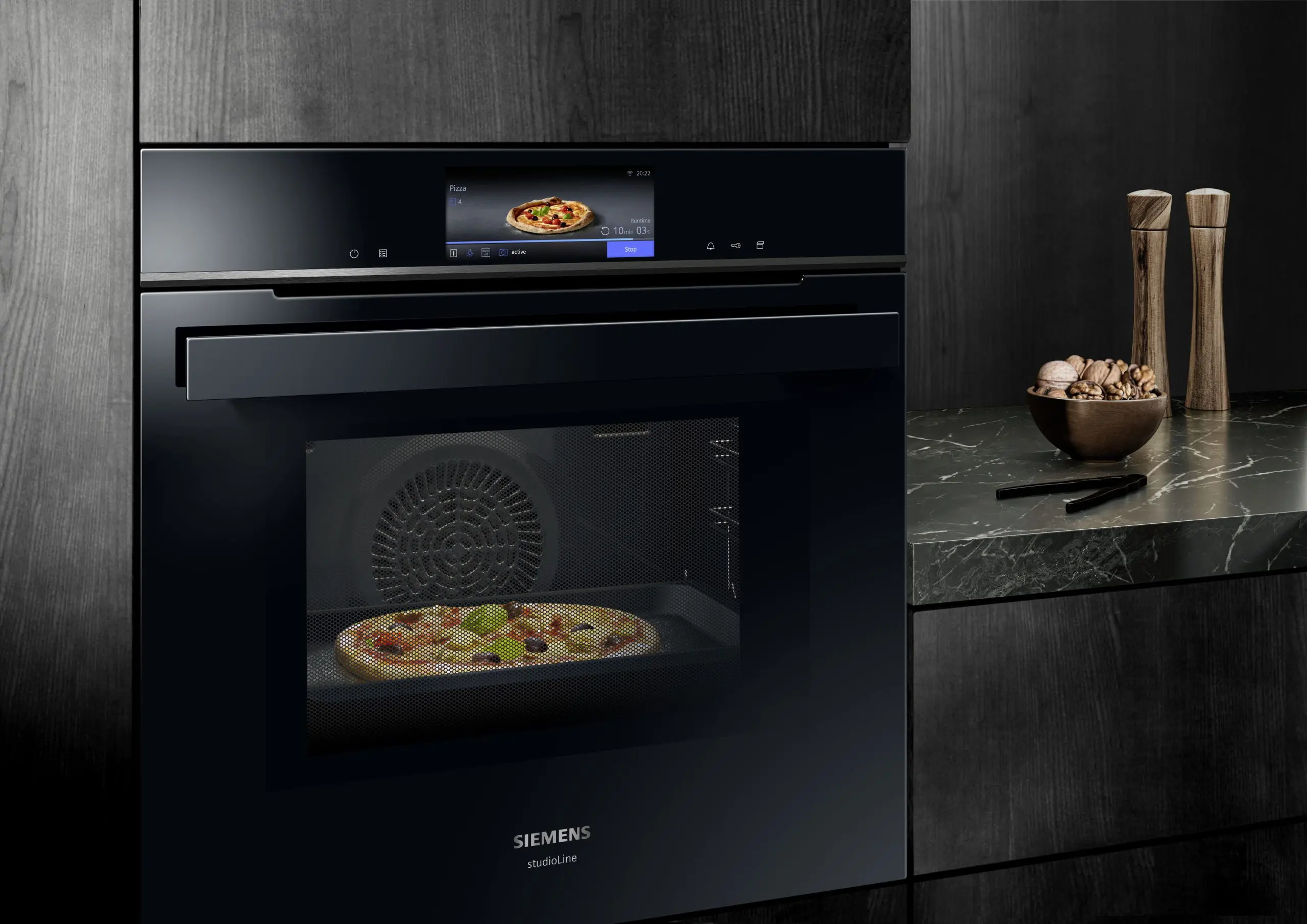
Klaus Karl: That is exactly how we think about innovation. Technology should enrich life quietly. For example, our intelligent oven can recognise dishes and adapt settings automatically. Even preferences such as browning levels differ culturally between consumers in India and Europe, which means intelligence must also be culturally sensitive. The future of luxury kitchens lies in invisible intelligence where technology works quietly in the background.
LuxeBook: India is witnessing an unprecedented transformation in luxury housing, premium real estate and bespoke home design. How is this changing the role appliances play within the luxury home ecosystem?
Saif Khan: The kitchen is becoming an increasingly important expression of luxury living. If someone invests significantly in a premium residence, naturally they want the kitchen to feel elevated and aesthetically integrated. Consumers increasingly want kitchens to look as beautiful as the rest of the house, and this is driving stronger demand for premium built in appliances.
On how Indian luxury consumers differ from premium buyers globally, Klaus said that maturity levels across countries determine the speed of market growth. He explained that price sensitivity differs significantly across segments and categories. While there is a common myth that luxury purchases are driven purely by conspicuous consumption, he argued that Indian consumers remain deeply value-conscious. Saif pointed out that consumers may spend ₹6 lakh on an oven but hesitate over a ₹1 lakh refrigerator, illustrating nuanced buying behavior.
He also noted that many affluent homeowners do not necessarily cook themselves and often maintain “show kitchens” or dry kitchens for aesthetics, while actual cooking happens in separate wet kitchens. In such cases, premium appliances may also serve aspirational and display purposes.
LuxeBook: What do you believe affluent homeowners around the world will value most in their homes ten years from now that they may be underestimating today?
Klaus Karl: Homes will become increasingly intuitive. Consumers may underestimate how seamlessly technology will integrate into everyday life, anticipating preferences and simplifying routines. The future home will feel intelligent without feeling technological.
LuxeBook: Are Tier 2 cities emerging as an important market for premium and luxury appliances? How do Indian luxury consumers differ from premium buyers globally?
Saif Khan: We are seeing growing demand from Tier 2 markets as aspiration deepens beyond metros.
“Premiumisation is becoming geographically wider i.e, Nagpur, Raipur, Ludhiana, Surat, Ahmedabad, Coimbatore, Pune and other fast-growing cities.”

LuxeBook: How do Bosch, Siemens, Gaggenau cater to different consumer segments within the premium and luxury market?
Klaus Karl: We cater to distinct consumer segments while functioning as a full-stack player across categories. Premium and pure luxury are two very different categories, requiring precise positioning. Premium consumers are highly value-conscious, whereas luxury consumers prioritise exclusivity and experience, where price becomes less relevant.
Klaus explained that Bosch, Siemens, and Gaggenau are strategically positioned to serve different consumer segments, allowing BSH to address the full spectrum of demand from value conscious mass-premium consumers and technology-driven premium buyers to discerning luxury homeowners seeking exceptional craftsmanship and exclusivity.
LuxeBook: Which categories are driving the biggest growth in India: cooking, refrigeration, or connected kitchens?
Klaus Karl: All three categories are growing strongly. However, preservation is becoming an increasingly important trend. We see ourselves as a comprehensive player across the appliance ecosystem, with growing interest across cooking, refrigeration, and connected kitchen solutions.
LuxeBook: How is innovation being tailored to Indian cooking habits?
Klaus Karl: Respecting cultural behaviour and understanding family habits is extremely important. Indian consumers cook differently, which means innovation has to be localised. For instance, our dishwashers now include a kadhai function for stain removal, specifically adapted to Indian cooking needs.
LuxeBook: What are some of the biggest challenges in expanding premium kitchen appliance adoption in India?
Klaus Karl: One of the biggest challenges is educating consumers and chefs about advanced technologies. At the same time, it is equally important to make appliances intuitive and easy to use — much like smartphones, which have become accessible across all sections of society. Time constraints are also influencing consumer behaviour, pushing people toward superior, playful technologies that simplify cooking experiences. Unlike older generations, who had the patience to wait for the whistle of a pressure cooker, today’s consumers increasingly value convenience and efficiency.
Finally, Klaus said that the company sees significant opportunity in India because consumers increasingly value innovation, technology, and shared cooking experiences, including cooking together with friends, while expecting products to satisfy highly localized preferences and habits.
You may also read: What’s new in beauty right now