The Stylist’s Cheat Code to Weddings
- Fashion Featured
 Anushka Manik
- 16 minutes read

In 2025, the Indian bride isn’t packing for a week – she’s curating for a lifetime. The wedding trousseau, once a treasure chest of heirloom saris and ornate jewels, has evolved into a conscious, couture-edited wardrobe – one that reflects her style, values, and identity long after the pheras are done. Think of today’s bride as an aesthete who pairs her grandmother’s gold with quiet luxury silks and archives a Sabyasachi lehenga beside a custom Rhea Kapoor sari.
The result is a new kind of bridal aesthetic – one where the trousseau isn’t just worn; it’s lived in, loved, and reimagined.
It’s a shift that mirrors the rise of a more mindful luxury consumer. India’s wedding services market, currently valued at over USD 104 billion and projected to grow 14% annually through 2030 is booming. But as the industry expands, so does the appetite for meaning. The modern Indian bride wants her wardrobe to last beyond the pheras.
This month in LuxeBook’s Wedding Special Issue, we explore that evolution – a deep dive into how brides are curating wardrobes that outlast the wedding, and how India’s most respected stylists are guiding them.
We reached out to Rhea Kapoor, producer, stylist and co-founder of Rheson, who styled the renowned Ambani wedding in 2024; Aastha Sharma, celebrity stylist and founder of Wardrobist, and Nisha Kundnani, Founder & Creative Director of BRIDELAN and the woman behind some of India’s most editorial bridal transformations. Together, they decoded what it means to build a trousseau that’s timeless, relevant and personal.
The Independent Bride
“The biggest shift is that brides have become a lot more individualistic – they’re taking more risks, and they seem a little more stubborn. And I love that”, says Rhea Kapoor.
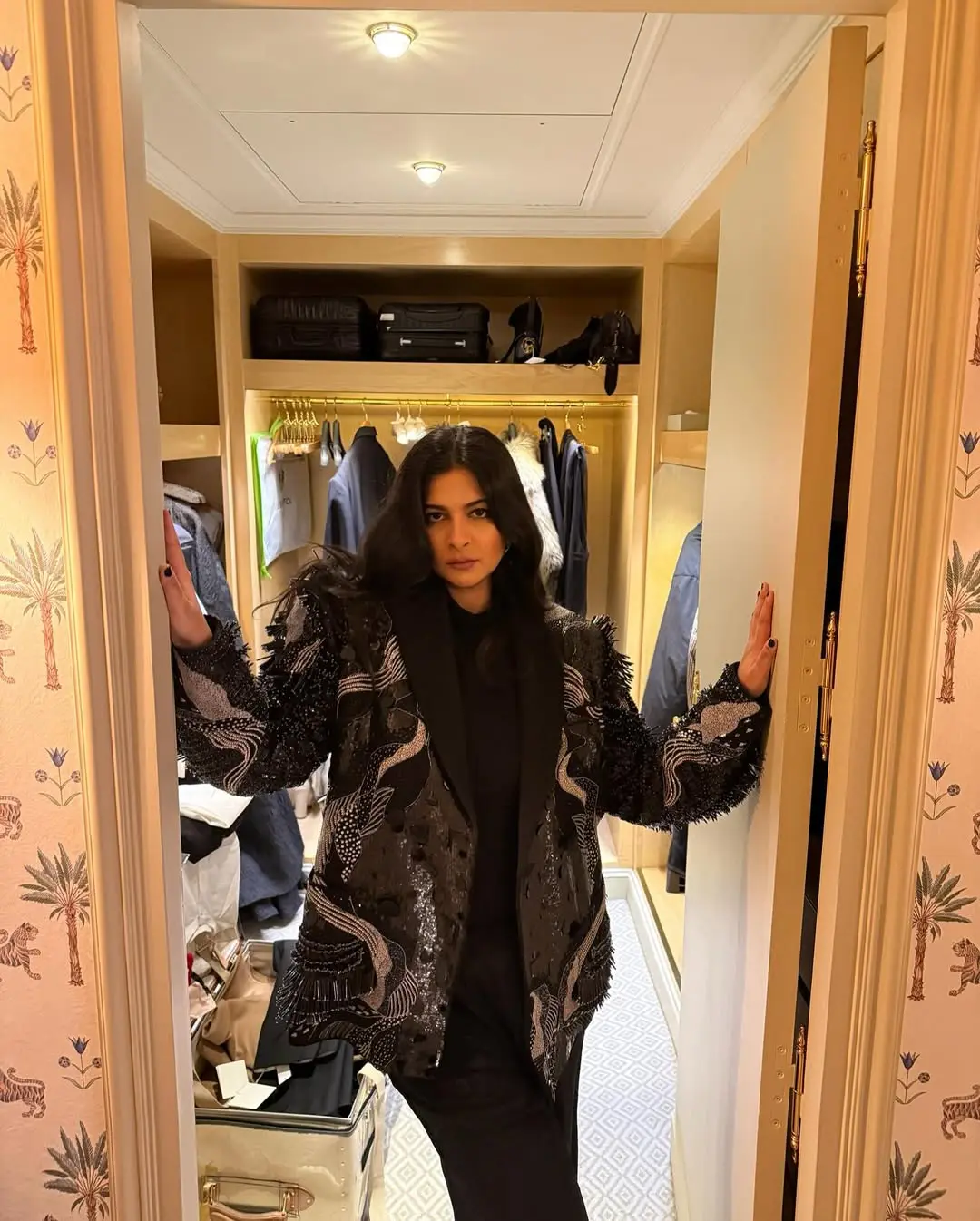
Kapoor, whose wedding styling has ranged from luxe minimalism to all-out maximalist glamour, says the new bride isn’t afraid to assert herself. “For so long, weddings were something a bride did for everyone else — her family, her relatives, her Instagram feed. Now, I love that she’s starting to open her heart, speak her mind, and let that translate into fashion, jewellery, and the event itself.”
That self-expression often shows up in how brides mix cultural and global influences. “Our lives today are basically like an animated Spotify playlist,” Kapoor laughs. “It’s not all English, not all Hindi. We like to experience everything – and that’s how we live, dress, and celebrate. Why shouldn’t you see that reflected in your wedding?”

From Parisian minimalism to Punjabi exuberance, bridal wardrobes today are less ‘theme’ and more ‘moodboard’. Designers, too, are adapting; creating lehengas that can travel, jackets that double as separates, and jewellery that pairs with both couture and casual wear.
The Investment Wardrobe Mindset
“A trousseau should be personal, wearable, and travel-friendly,” says Aastha Sharma. “It shouldn’t feel like something to store in a trunk for decades – it should live with you.”
As brides travel across continents and cultures, they’re rethinking what ‘occasion wear’ means. “There’s a beautiful fusion of global silhouettes with Indian craftsmanship,” Sharma notes. Think Dior tailoring meeting Benarasi artistry, or a structured blazer paired with an embroidered dupatta. We’re seeing brides pick pieces that feel timeless but still reflect who they are, and who they’re becoming.
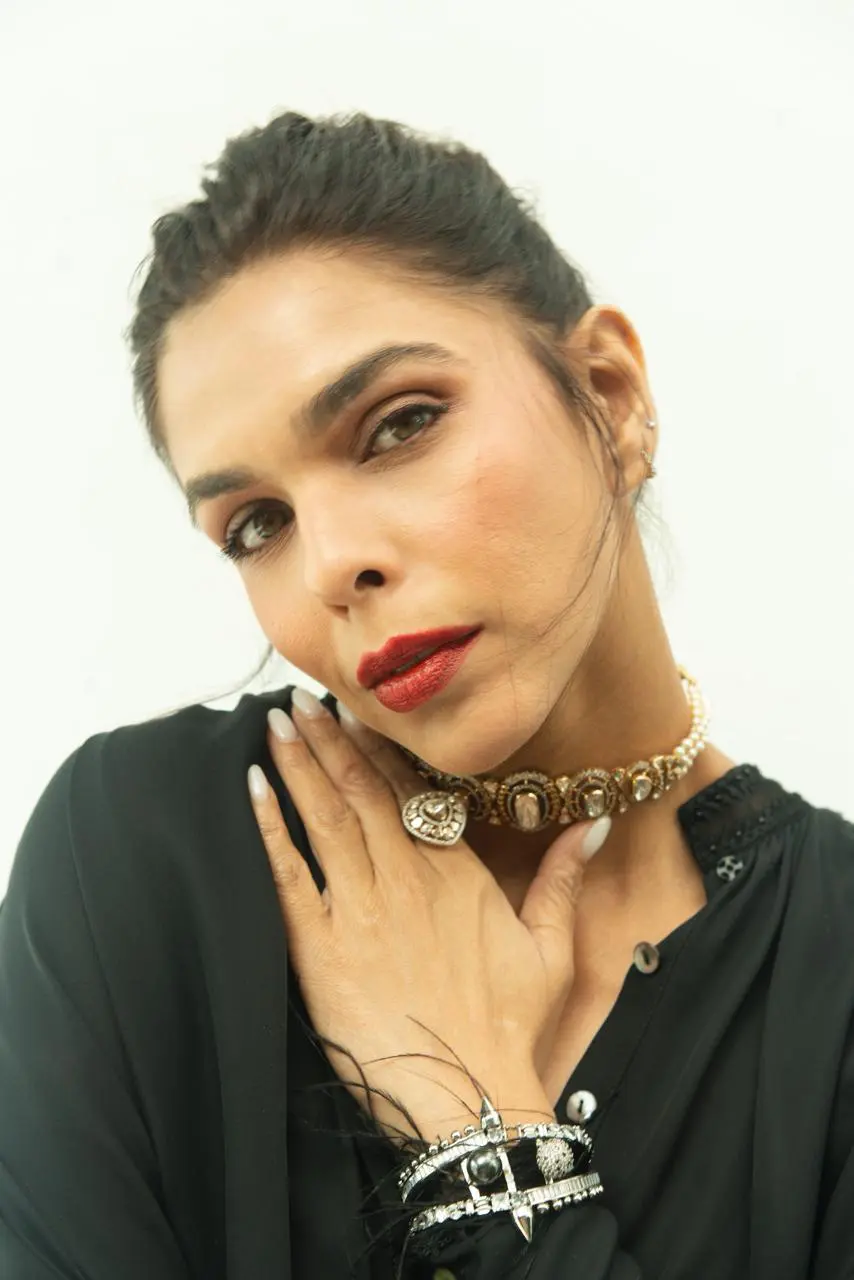
She calls it the ‘investment wardrobe mindset’ – a focus shift towards fewer, better, and smarter pieces. “A classic sari, a beautifully tailored blazer set, and a statement bag are my three non-negotiables for the 2025 bride. They’ll never go out of style and can be reimagined endlessly,” she shares.
But wearability doesn’t mean boring. “One of my brides wore sneakers with her reception outfit,” Aastha laughs. “And yes, she danced all night in them. That’s what makes a trousseau special – when it reflects your real life.”
Curating over Collecting
For Nisha Kundnani, who has worked with some of the most stylish brides across India, trousseau planning is part styling, part psychology. “To build a trousseau, you have to understand why a bride chooses what she chooses,” she says.
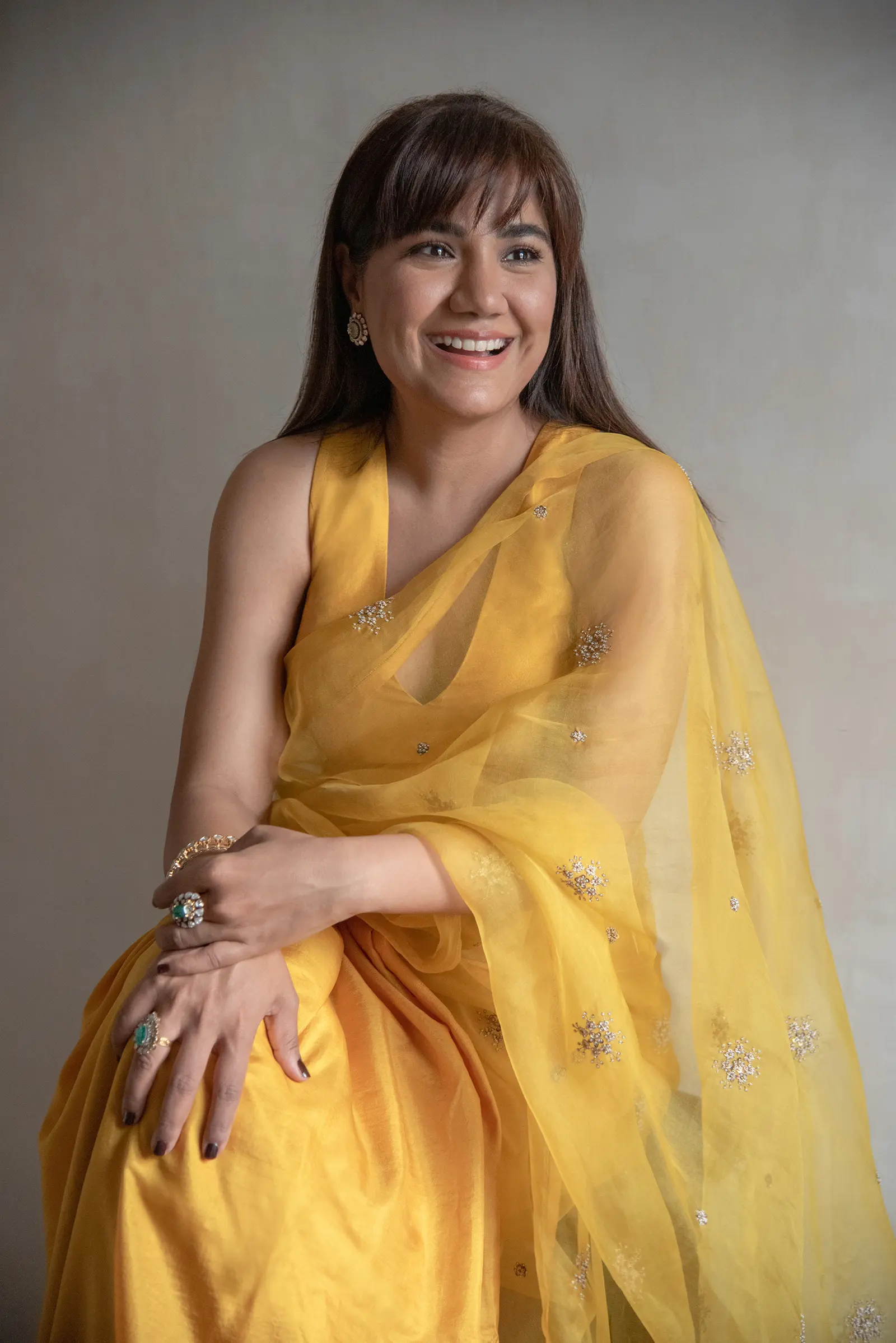
“The most important shift is mindset”, she explains. Brides are no longer shopping out of obligation. They’re shopping for emotion, for excitement. Even the way they buy has changed; it’s not about a massive haul before the wedding. It’s about investing in the right pieces at the right time.

That means unlearning a few myths. “First, that it has to be heavy and grand. A trousseau isn’t supposed to weigh you down – literally or emotionally. The pieces you actually reach for later are usually lighter, simpler, and more versatile.” And value isn’t just in sentiment or lineage. “It’s okay if a piece isn’t ‘heirloom-worthy’. Utility and usage matter. What good is a lehenga if you’ll never wear it again?”
Heirlooms 2.0: The Emotional Edit
Yet, the emotional element isn’t gone – it’s just evolved. For Rhea Kapoor, it’s the personal connection that keeps fashion meaningful. “I’d say every bride should have one beautiful jadau piece,” she shares. “My mom never liked cut diamonds, she loved uncut, gold-heavy pieces, and that’s what I grew up around. I learned to love diamonds later (thanks to my Sindhi husband), but gold still feels like home.”
These ‘forever’ pieces like gold hoops, heirloom necklaces, classic saris aren’t about display; they’re about continuity. They bridge generations, but with modern versatility.
The Global Twist
Across the board, all three stylists agree that Indian bridal fashion has never been more global, or more proudly Indian.
“International fashion is a huge influence,” Nisha says. However, it’s not about imitation – it’s about interpretation. Indian brides wear global luxury all the time, for parties, travel, even workwear. Naturally, that spills into their wedding wardrobes too.
Sharma adds, “We’re seeing brides experiment like never before – pairing luxury bags with traditional wear or wearing a Dior cape with a Sabyasachi sari. It’s that confidence that makes the new trousseau so exciting.”
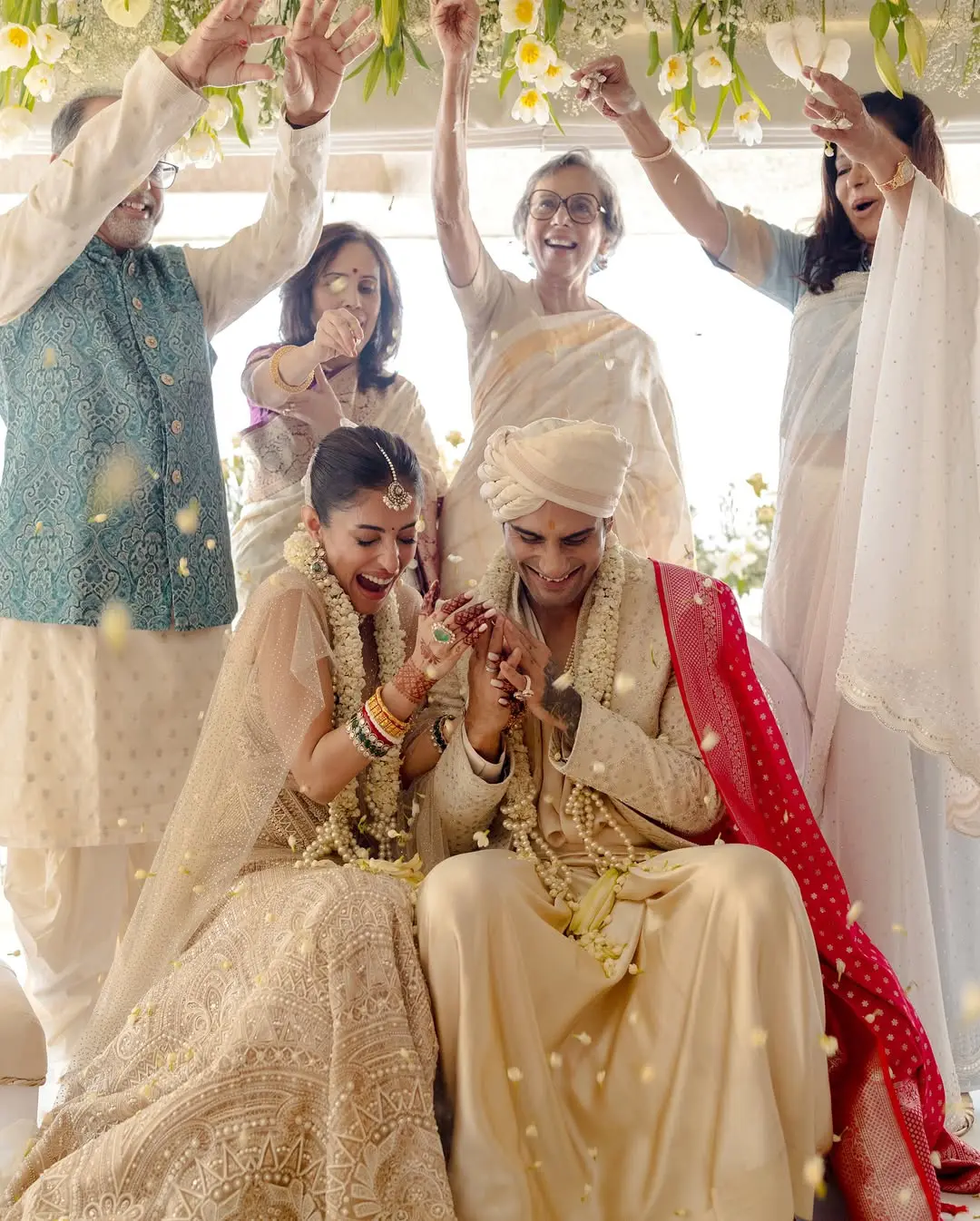
But for Kundnani, the magic lies in how brides shop. “Picking your trousseau is a tactile, physical experience.” You can’t just scroll and buy. You have to try things on, feel the fabric, see how it moves. Finding your personal style is a practice – it’s serious work.
Her advice for brides-to-be? “Don’t chase every trend on Instagram. The smart buyer knows which trends work for them and which don’t. Your trousseau should tell your story, not someone else’s Pinterest board.”
The Future is Conscious
The next generation is already here, and longevity is their lifestyle. Nisha points to a deeper consciousness shaping 2025’s bridal wardrobes. “This generation knows what it’s buying and why. They don’t want to hoard. They want balance – sustainability, quality and meaning. They ask, ‘Will I love this ten years from now?’ before buying. But they’re also not afraid to enjoy fashion now. They’ll wear a corset with a sari, and make it look iconic.” The new generation is not going to wait to get a conventionally perfect body or to have a special occasion to wear what they love. Additionally, there is also a strong sense of clarity about sustainability of clothing and ideas too.

That, perhaps, is the ultimate definition of a modern trousseau – one that’s equal parts tradition and thrill.
The “big fat Indian wedding” might still exist, but the “big fat trousseau” is giving way to something smarter, and infinitely more personal. Because in 2025, fashion may still fade – but a well-curated trousseau, one stitched with intention and individuality, is built to last a lifetime.
Advice from the professionals
“I’ve always believed in playing fastest fingers first. At Outhouse’s 13th anniversary show, I was among the first to snap up their newest accessories—one for a bride’s cocktail soirée, another for a young mother’s maternity shoot. Fashion should always feel exciting; that thrill of discovery is something worth indulging in.”– Nisha Kundnani
“Three non-negotiable investment pieces for a 2025 bride would be — A classic sari, a beautifully tailored blazer set, and a statement bag.” – Aastha Sharma
“The last wedding that I styled was of Radhika Ambani, and I witnessed an influx of inspiration from all over the world and from all over India as well. And I think it’s important for us to understand that our lives are basically like an animated Spotify playlist.”– Rhea Kapoor
Read the wedding issue here.