“The Maharani dresses for herself”: How Isharya is rewriting the rules of Polki
- Design Featured
 Yashita Damani
- 9 minutes read

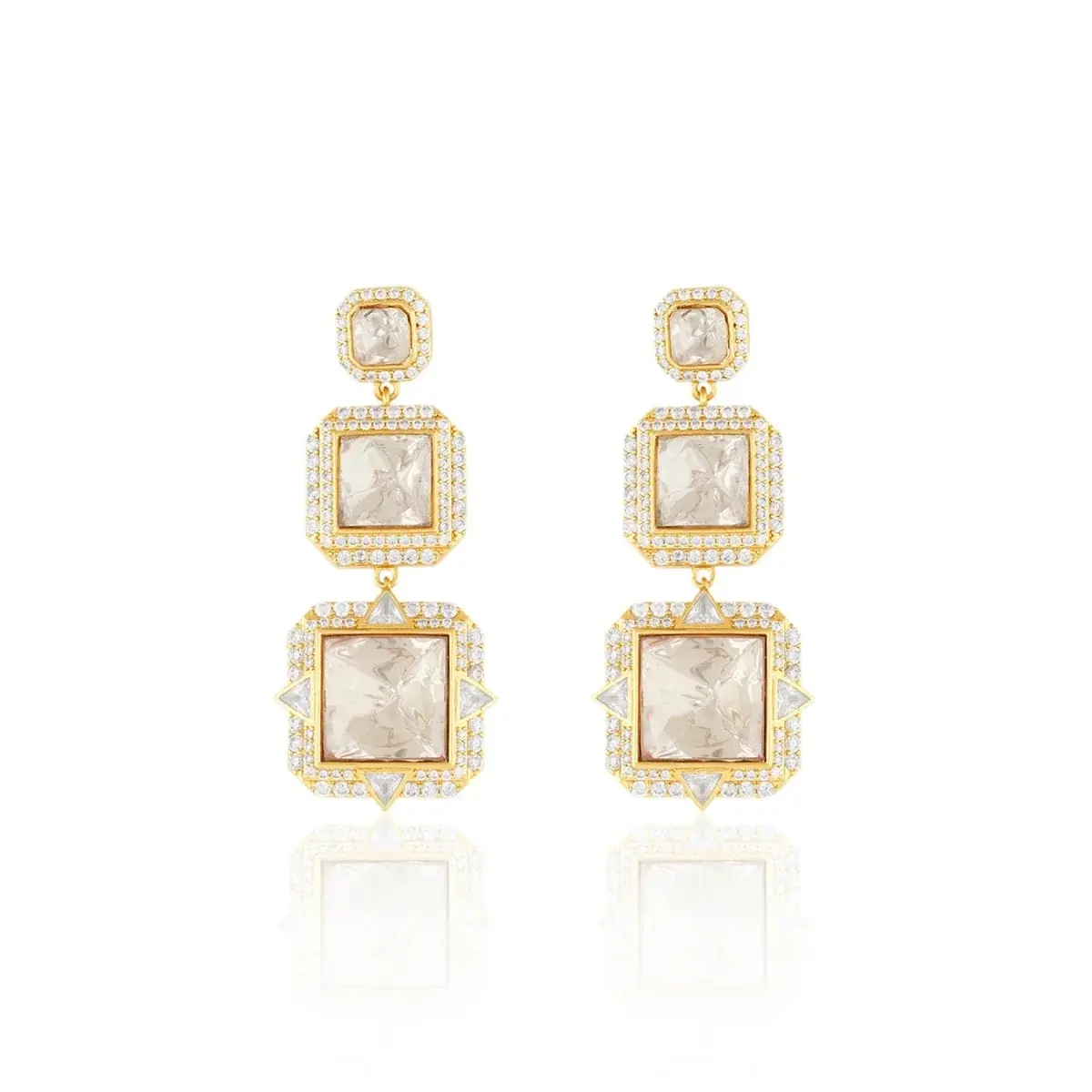
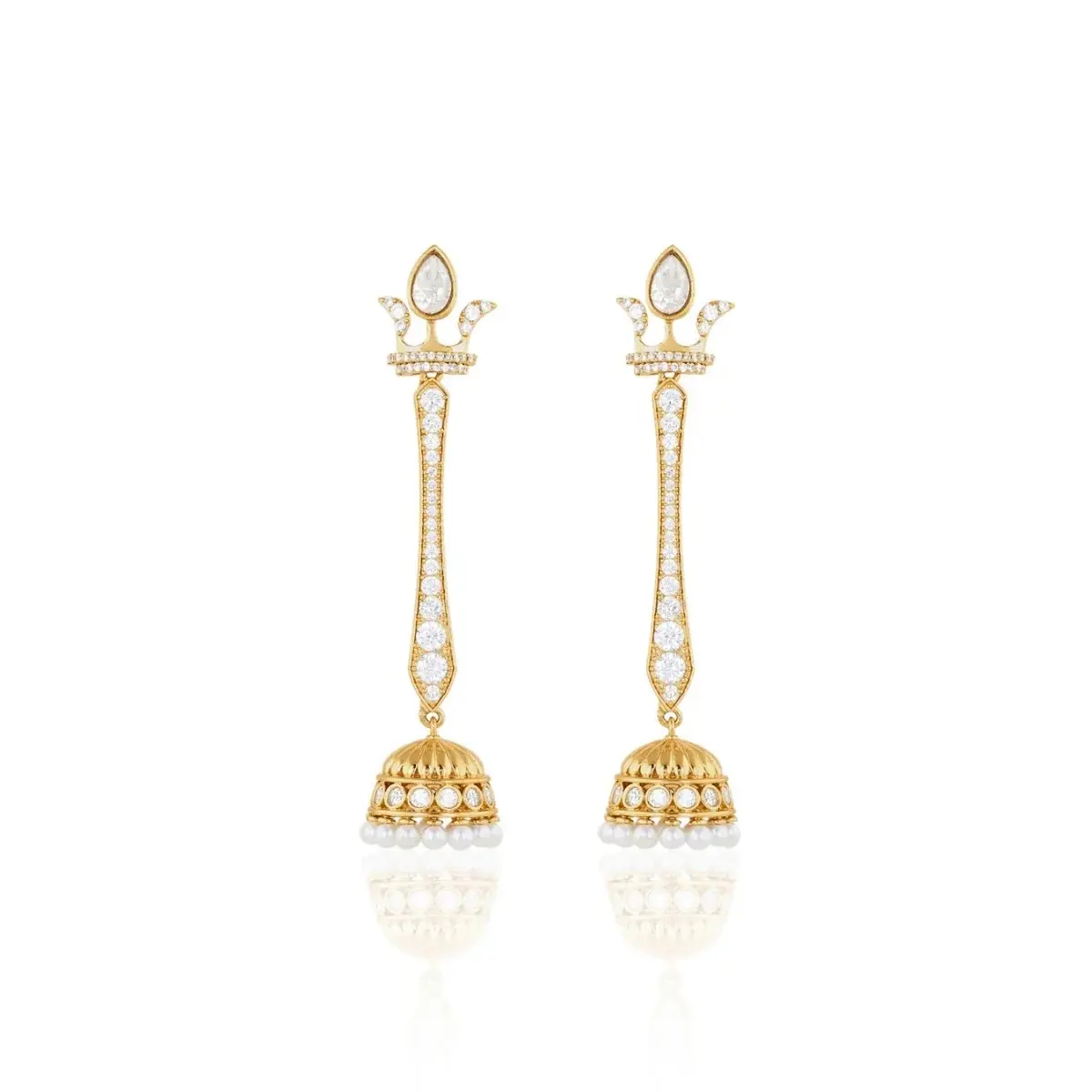
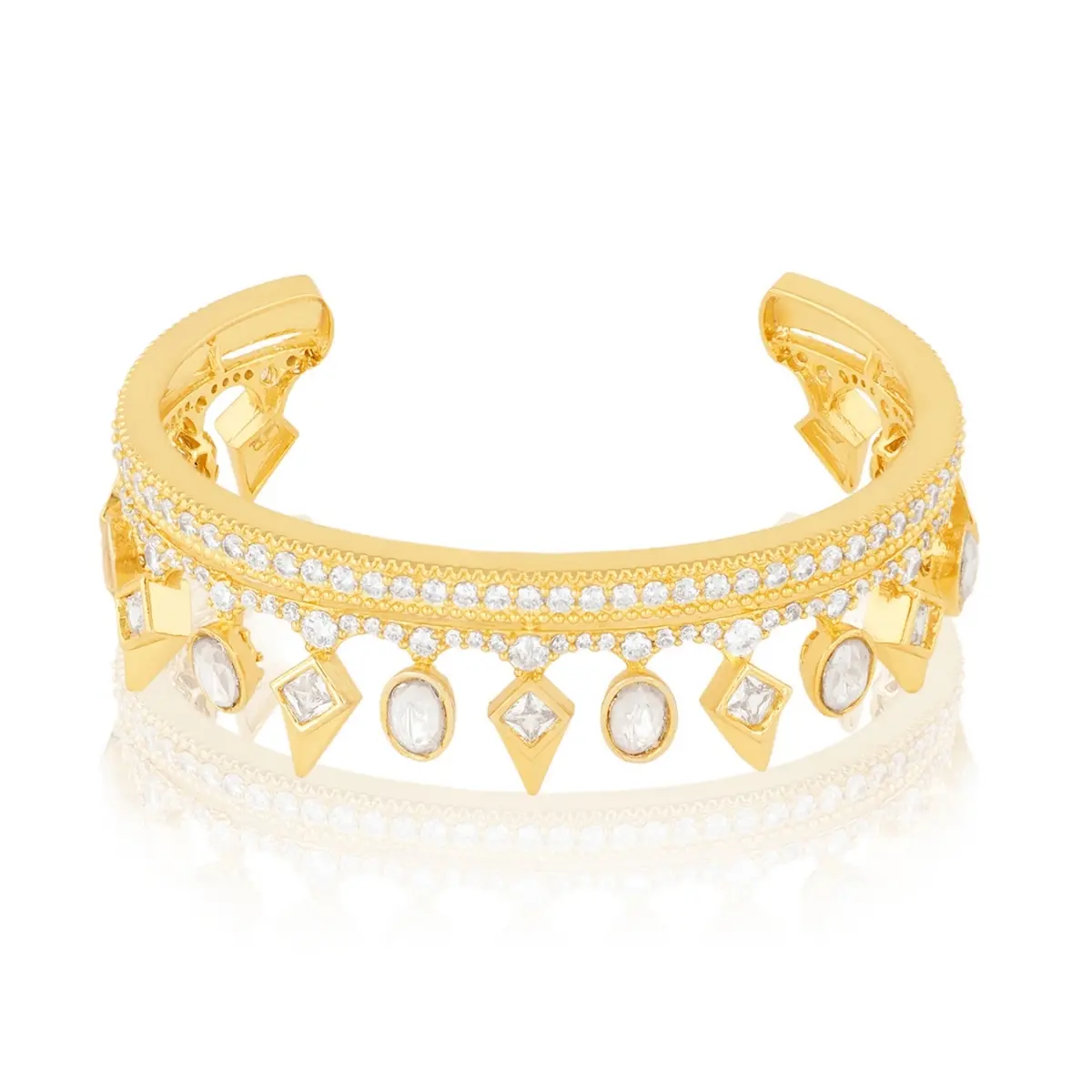
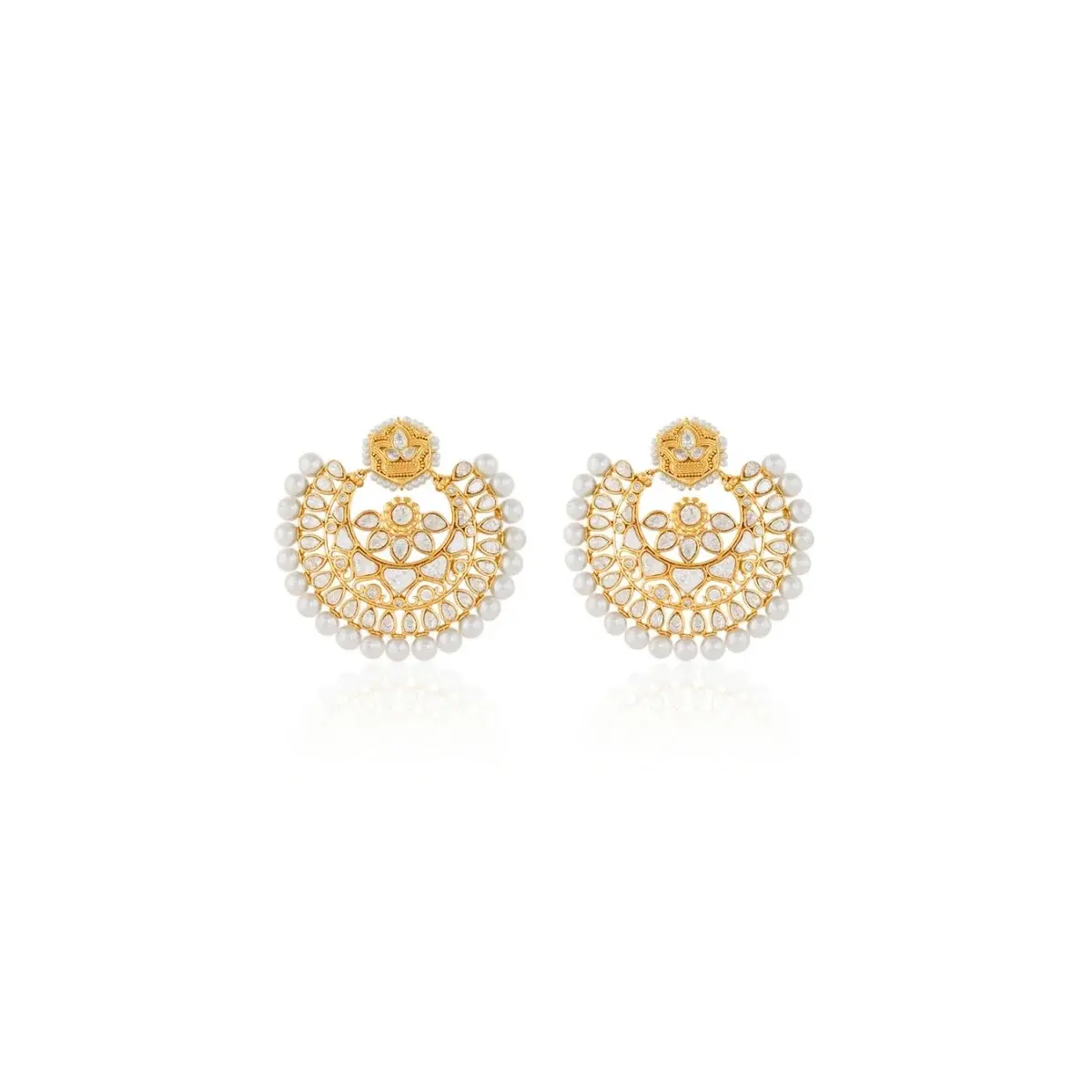
Weddings have long been Polki’s most celebrated setting, with the traditional craft finding its place in bridal trousseaus, family heirlooms and generations of Indian jewellery traditions. But what happens when Polki steps beyond the wedding wardrobe and becomes part of everyday personal style? With Maharani-ish, Isharya’s first collection centred on hand-cut Polki, the brand reimagines heritage through contemporary silhouettes, unexpected motifs and a playful interpretation of royal Indian aesthetics.
We caught up with Gauri Tandon, founder of Isharya, to discuss taking Polki beyond bridal dressing, the evolving appeal of maximalist jewellery, preserving traditional craftsmanship while embracing modern design, and what it means to dress like a Maharani on your own terms.
In Conversation with Gauri Tandon
LuxeBook: Indian jewellery has never lacked grandeur, so why has it taken so long for statement pieces to feel relevant beyond bridal and festive dressing?
Gauri Tandon: The grandeur was always there. What has changed is our attitude towards when and how we are allowed to wear it.For a long time, jewellery wardrobes were quite clearly divided – wedding jewellery, festive jewellery, everyday jewellery. Those boundaries are becoming much more fluid.
I love seeing elaborate earrings with a white shirt, Polki with tailoring, or a dramatic cuff worn in the middle of the day. Women are becoming much more confident about wearing what they love without waiting for permission from the occasion.
LuxeBook: As a contemporary jewellery brand, how do you make a heritage-inspired piece feel like a personal style choice rather than an obligation to tradition?
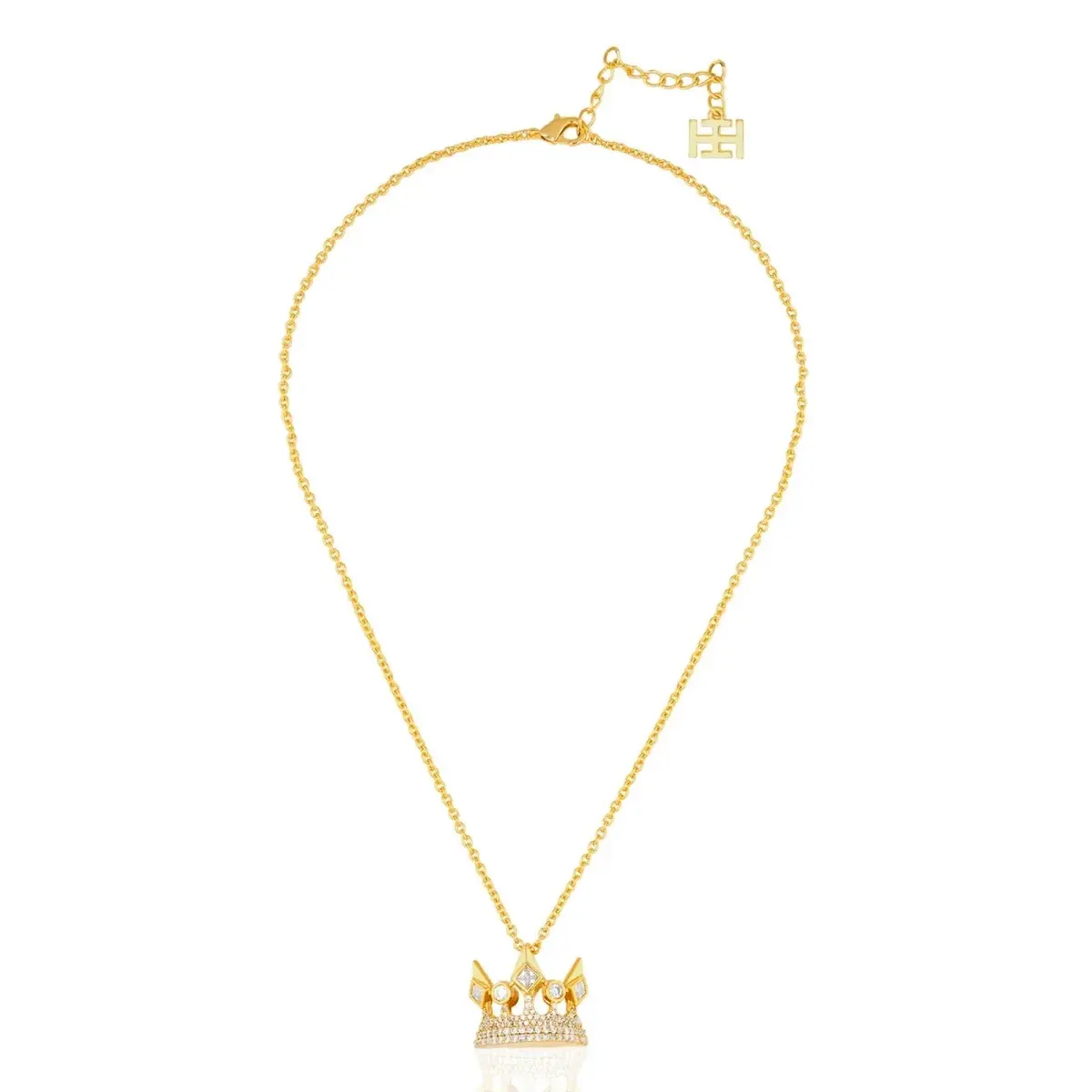
Gauri Tandon: By designing for the woman first. At Isharya, we often begin with something recognisably Indian, but then change the scale, material, proportion or context around it. That creates enough familiarity to feel rooted, but enough surprise to make it personal. Maharani-ish has a very clear point of view, but it doesn’t tell the wearer how to behave. The jewellery can be regal; she doesn’t have to be. That freedom is important to me.
LuxeBook: With Maharani-ish marking Isharya’s first collection centred on hand-cut Polki, what does this launch signal about the brand’s next chapter and the future of contemporary Indian jewellery?
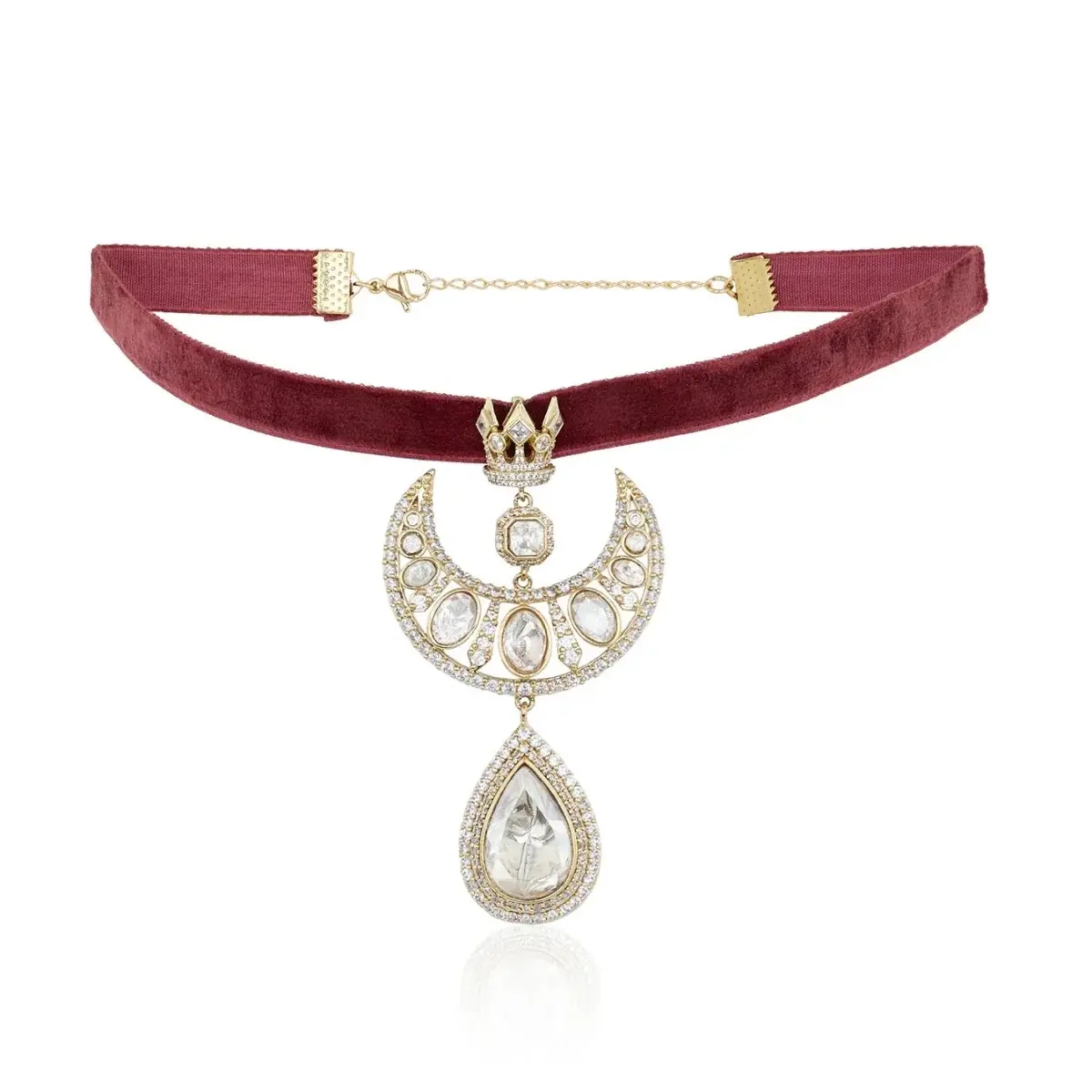
Gauri Tandon: Maharani-ish is an important milestone for us because it introduces the Isharya Signature Hand-Cut Polki as a new design language for the brand. We have explored Polki-inspired aesthetics before through our signature mirrors, but this is the first time hand-cut Polki itself sits at the centre of the collection. The inspiration comes from the spirit of Indian queens, but we wanted to treat that world with a little irreverence. You see crowns, fans, crests, animals, pearls, coins and hand-cut Polki, but the result is meant to feel playful rather than ceremonial – regal, but never predictable. The Maharani-ish woman loves the richness of Indian jewellery, but she wears it with her own attitude. She is expressive, confident and unapologetically herself. For us, that is also where contemporary Indian jewellery is heading: deeply rooted in craft and culture, but far less constrained by convention. Maharani-ish celebrates the drama and artistry of Indian jewellery – and then rewrites the rules around how it is worn.
LuxeBook: When traditional Polki already carries centuries of history, what does it take to make it feel genuinely modern without diluting its heritage?
Gauri Tandon: At Isharya, we have always loved taking something familiar and looking at it differently. Indian inspiration has been part of our design language from the beginning, but we have never believed that heritage needs to result in traditional-looking jewellery.
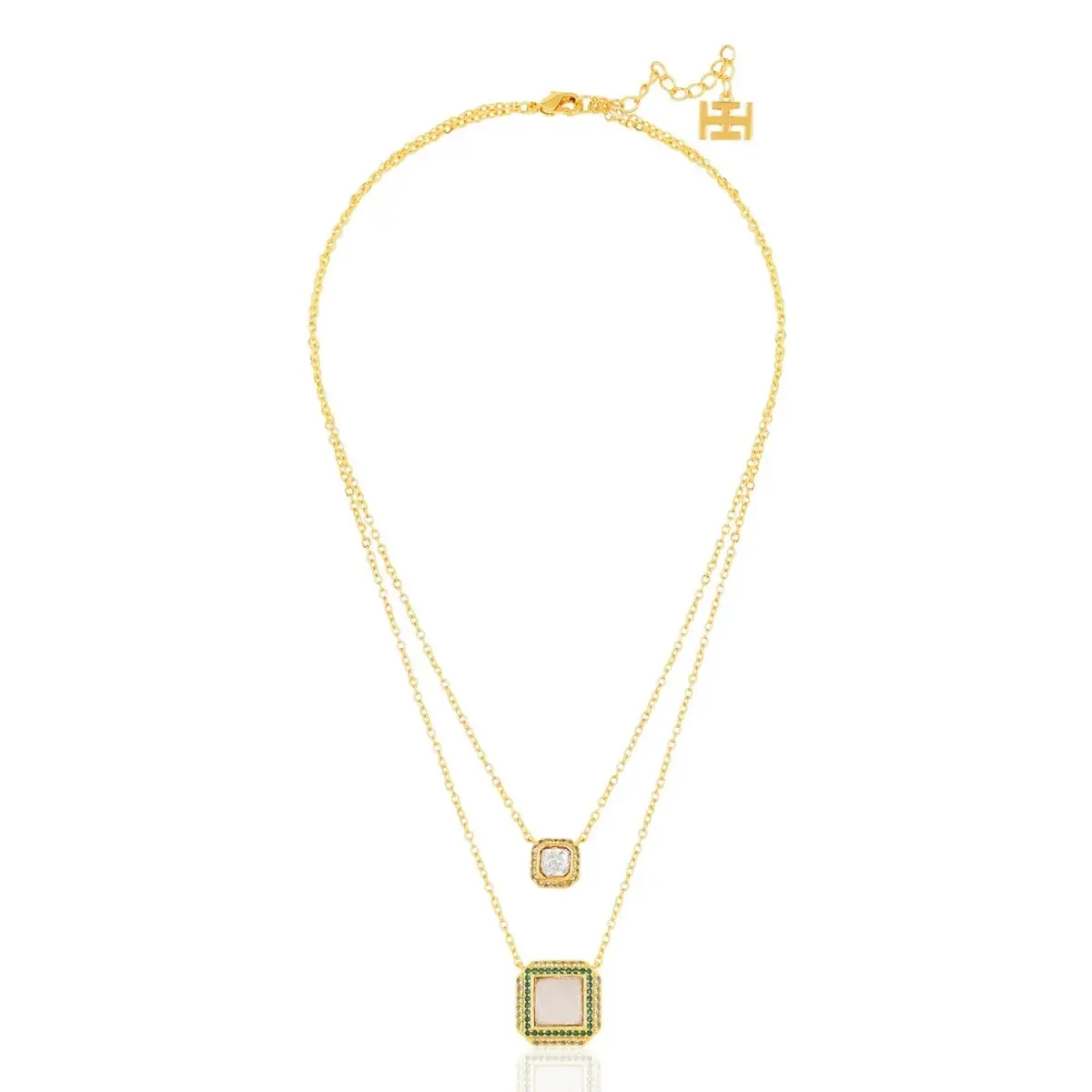
With Maharani-ish, our first collection centred on hand-cut Polki, we wanted the craft to remain recognisable while the design felt unmistakably Isharya. We played with scale, proportion, unexpected motifs and contemporary silhouettes rather than recreating familiar Polki forms.
For me, modernity is not about rejecting tradition. It is about finding a new way to wear and experience it.
LuxeBook: Is the modern Maharani dressing for an occasion, or dressing to make an ordinary day feel like one?
Gauri Tandon: Definitely the latter.
I love the idea of Polki at lunch, with a sharply tailored jacket, a white shirt, denim, or simply because you felt like wearing it that morning. Beautiful jewellery shouldn’t spend most of its life waiting in a cupboard for a wedding invitation.
The Maharani-ish woman dresses for herself. She doesn’t wait for an occasion — she creates one.
LuxeBook: Has maximalist jewellery returned because women are rediscovering Indian heritage, or because minimalism has started to feel predictable?
Gauri Tandon: I have always been a maximalist, so I may be biased!
I don’t think maximalism ever really disappeared in India. What has changed is the way women wear it. There is far more freedom now to mix references, combine Indian jewellery with contemporary clothes, and play with scale and proportion.
I don’t think minimalism and maximalism need to compete. For me, the most exciting jewellery simply has personality. It should make you feel something when you put it on.
LuxeBook: Traditional Polki is often associated with heirlooms, weddings and generational wealth. How do you make it desirable to a woman who wants to wear it on her own terms?
Gauri Tandon: You stop designing around an occasion and start designing around the woman.
With Maharani-ish, we wanted the pieces to feel expressive enough to make a statement, but versatile enough to enter her real wardrobe. I would love to see the same piece worn with a sari one evening and with a crisp white shirt the next day.
And I think our idea of an heirloom is changing too. A piece doesn’t become meaningful only because it was inherited. It can become an heirloom because of the life and memories you create while wearing it.
LuxeBook: Where do you draw the line between reinterpreting a traditional craft and making it unrecognisable?
Gauri Tandon: The craft has to remain the hero. Experimentation has always been central to Isharya, but you first need to understand what makes a material or technique special before you can push it somewhere new.
With Maharani-ish, the hand-cut Polki remains central. The Isharya point of view comes through in the motifs, scale, proportions and styling around it. I think the best innovation feels surprising without losing the soul of what inspired it.
LuxeBook: Is today’s luxury consumer buying jewellery for its craftsmanship, its cultural significance or the statement it makes about her identity?
Gauri Tandon: I think she wants all three.
Today’s woman is far more aware of design and craftsmanship, but ultimately she also wants a piece to feel like her. She wants to know how something is made and where its inspiration comes from, but she also wants the freedom to interpret it in her own way. Craft gives a piece value. Culture gives it context. But design gives it identity.
You may also read: Luxury Stays Away From the City Smog