Paolo Bulgari dies at 89: A look at his enduring design legacy
- Featured Jewellery
 Anushka Manik
- 6 minutes read

The story of Bulgari began with a Greek silversmith Sotirio Bulgari who left his homeland to build a new life in Italy. More than a century later, his grandson Paolo Bulgari would become one of the central figures in taking that family venture from a Roman jewellery boutique to one of the world’s most recognisable luxury houses.
Paolo Bulgari, who died on 21 November 2026 at the age of 89, leaves behind a legacy that is as much about the evolution of a family business as it is about the enduring design language of Italian high jewellery.
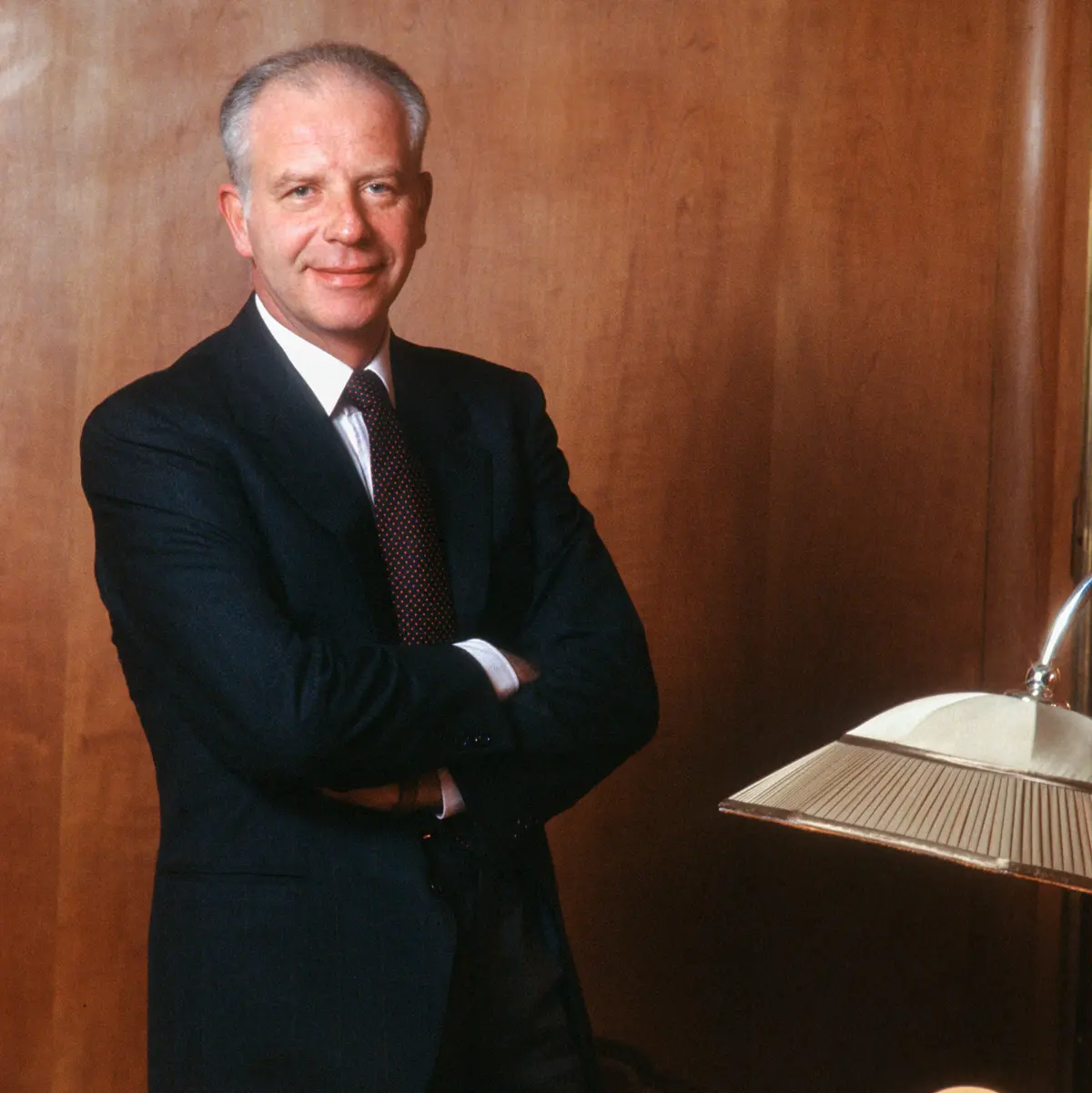
Paolo joined the family business in 1960, bringing with him a deep knowledge of precious gemstones and an instinct for design that would help shape the house’s distinctive aesthetic. As chairman from 1984, he played a pivotal role in its international expansion, while remaining closely connected to the craft that had defined his family for generations.
Working alongside his brother Nicola and later his nephew Francesco Trapani, Paolo helped take the maison beyond its traditional jewellery roots – expanding into watches, fragrances, leather goods and accessories, and eventually hospitality. But it was the house’s design language – one that celebrated colour, architectural forms and generous proportions that became its calling card.
The Art of Colour: A Bulgari Signature
At a time when traditional European high jewellery largely revolved around diamonds and classic gemstone combinations, Bulgari began experimenting with vivid colour palettes, pairing emeralds, amethysts, turquoise, coral and other precious and ornamental stones, often set in rich yellow gold. Cabochon-cut gemstones, with their smooth, domed surfaces, became a defining feature, allowing the natural colour and character of each stone to take centre stage. Paolo’s expertise in precious stones played an important role in nurturing this sensibility and establishing a style that had ‘Italian’ written all over it.
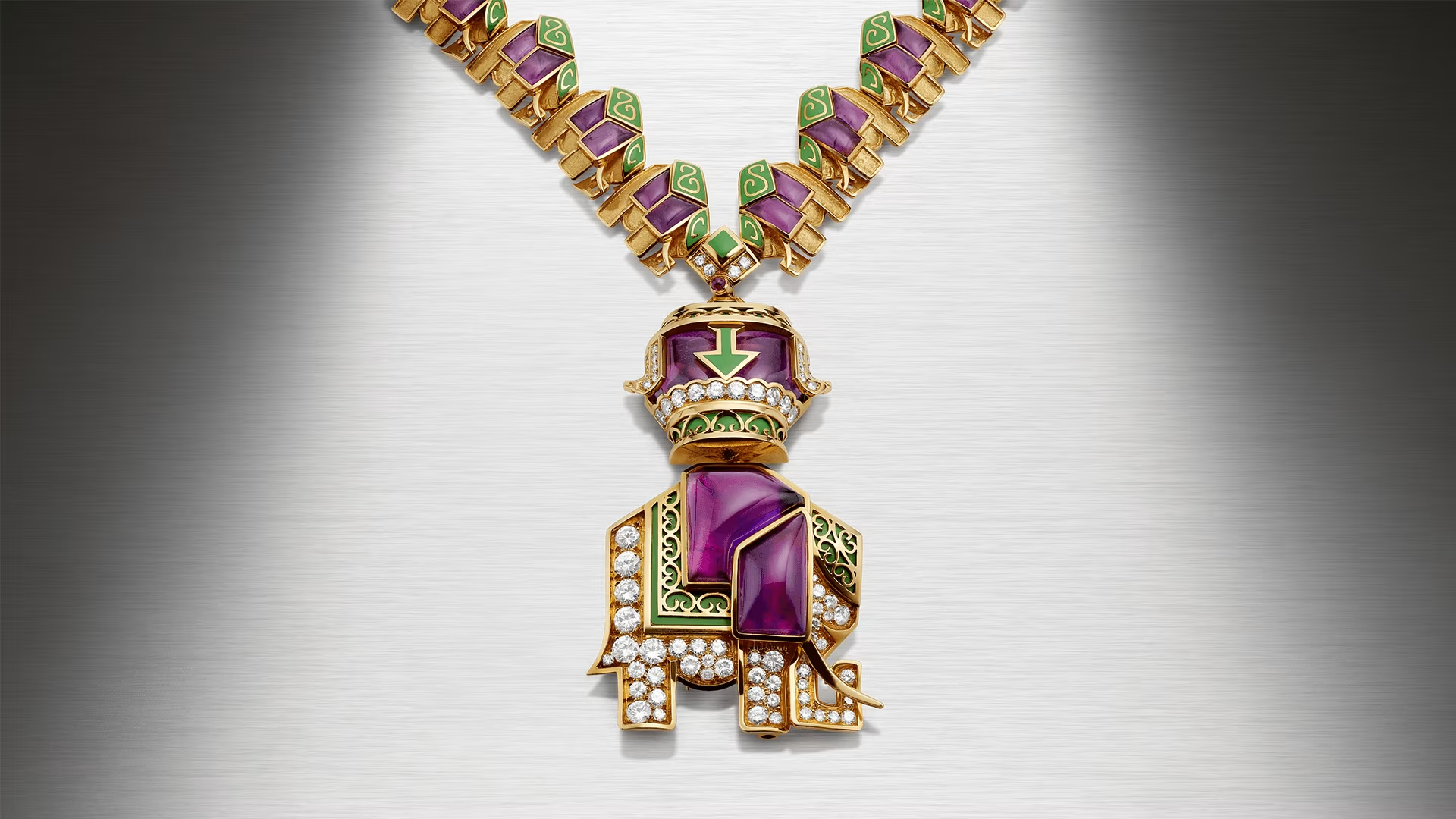
The aesthetic was closely tied to Rome itself. Its ancient architecture, domed rooftops, classical forms and layers of history became a recurring source of inspiration for the maison.
From Serpenti to Monete: The Icons That Defined a House
Bulgari has been one of the flagbearers in creating an instantly recognisable visual vocabulary. The Serpenti, which first emerged in the 1940s, transformed the serpent into an enduring symbol of power and sensuality. Its coiled forms, flexible gold construction and secret watch designs became particularly famous during the 1960s, when Elizabeth Taylor was photographed wearing the house’s serpent jewels while filming Cleopatra in Rome. Another defining chapter was the Monete collection, introduced in 1966. The idea of setting ancient Greek and Roman coins into contemporary jewellery was championed by Paolo’s brother Nicola, an avid coin collector. The resulting pieces brought together archaeological history and modern design, with ancient coins mounted in bold gold settings and often paired with substantial chains. They made history feel wearable.
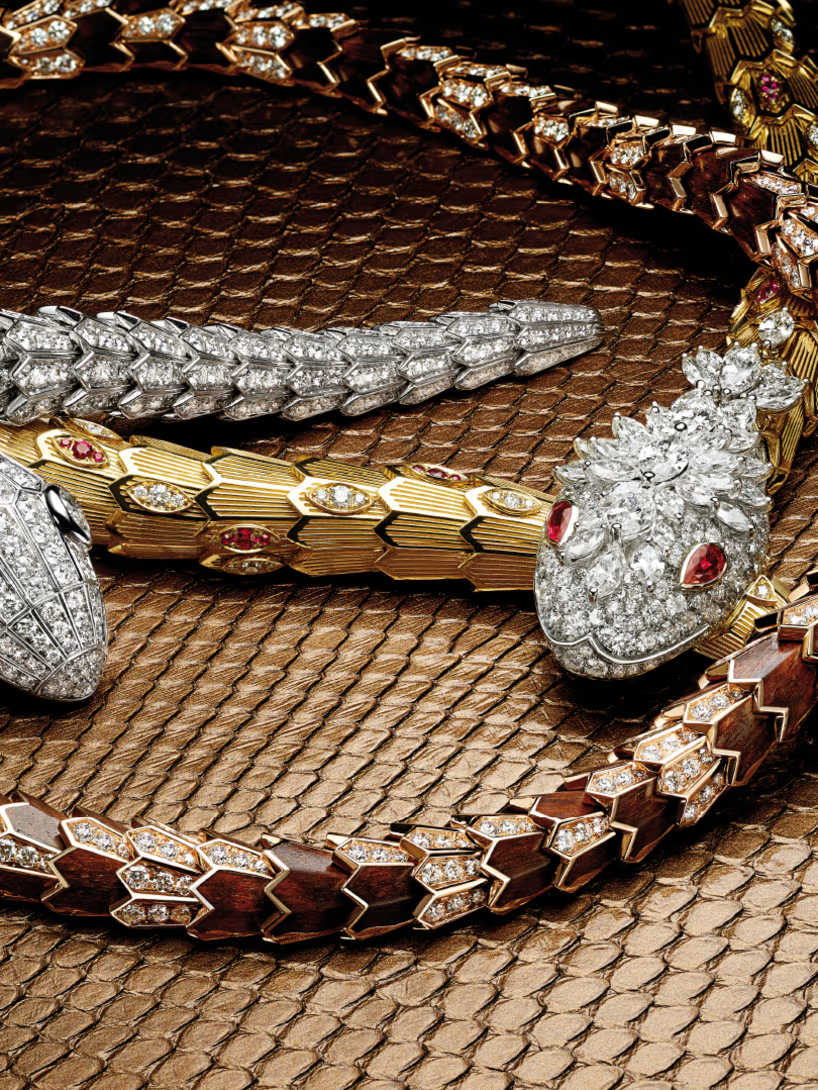
The house’s fascination with Roman architecture also found expression in later designs, including the Bvlgari Bvlgari watch, whose circular bezel takes inspiration from ancient coin inscriptions and Roman temple forms, and the B.zero1 ring, launched in 1999 and inspired by the Colosseum.
While Paolo’s creative instincts helped shape the maison’s identity, his business acumen was equally significant. After becoming chairman in 1984, he worked with Nicola and Francesco Trapani to expand Bulgari into major international markets, establishing a presence in cities including New York, Paris, Geneva and Monte Carlo. The brand gradually evolved from a celebrated Roman jeweller into a diversified luxury group, with its creations finding admirers among royalty, Hollywood stars and collectors around the world.
The 2011 sale of the family’s controlling stake to French luxury conglomerate LVMH, in a deal valued at approximately $5 billion, marked a turning point in the maison’s history. It brought an end to more than a century of direct family control. Paolo later described the decision as painful, but necessary to secure the company’s future and protect its employees. Even after the acquisition, he remained closely connected to the house and its creative world.
Beyond the world of gemstones and high jewellery, Paolo Bulgari remained committed to the city that had shaped his family’s identity. In 2019, he and his wife established the Paolo Bulgari Foundation, which works to address educational inequality and support young people in disadvantaged neighbourhoods of Rome through education and vocational training. The foundation’s work included initiatives in Tor Bella Monaca, a neighbourhood on the outskirts of the Italian capital.
His passing marks the loss of a key figure in the evolution of modern Italian luxury. He leaves behind a a legacy that will continue to shine far beyond the Via Condotti boutique where it all began.