India’s big art moment: 108 days of creativity at the India Biennale 2026
- Design Featured
 Anushka Manik
- 8 minutes read

India has never been short of art; if anything, we’ve had more of it than we quite know what to do with. We’ve been making it for centuries – from temple sculptures that have stood the test of time and rich miniature paintings to experimental photography, creativity has always been part of our cultural DNA. What’s changing now is the scale of the conversation and the platforms bringing these diverse voices together.
2026 is a special year for India’s art scene. After returning to the Venice Biennale after a seven-year hiatus, the capital is preparing to become one giant canvas with the second edition of The India Biennale ’26, a 108-day celebration of contemporary art, architecture, design and cultural exchange, running from December 4, 2026, to March 21, 2027.
For those who follow the global art calendar, biennales are something of a cultural pilgrimage. From the venerable Venice Biennale, which first opened its doors in 1895, to the São Paulo Biennial in Brazil and the Gwangju Biennale in South Korea, these international exhibitions have become important meeting grounds for artists, curators, collectors and art enthusiasts.
India, too, has been part of this conversation through the Kochi-Muziris Biennale, which began in 2012 and has since put contemporary Indian art on the international map. The India Biennale ’26 now adds another significant chapter to that story.
A city becomes the canvas
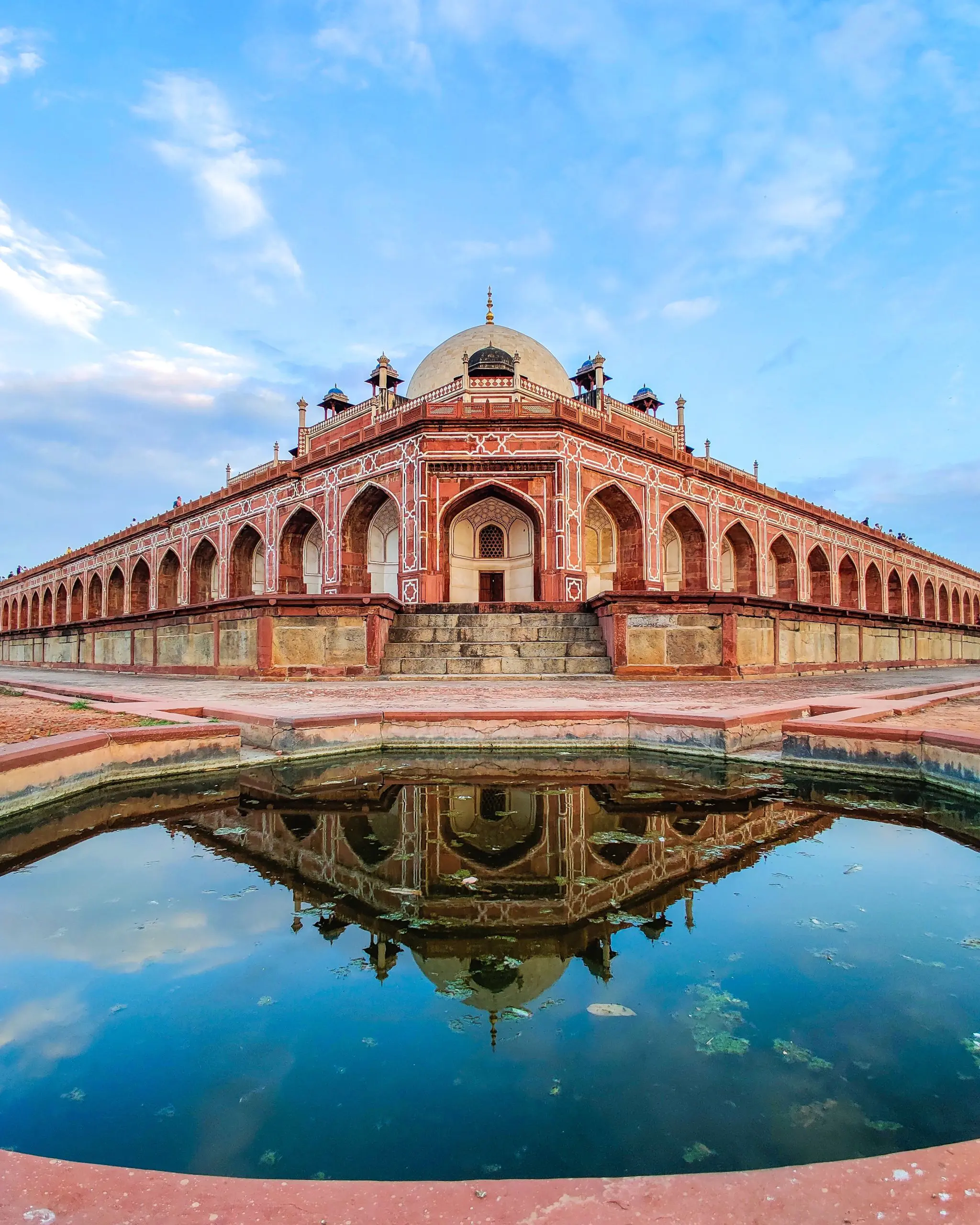
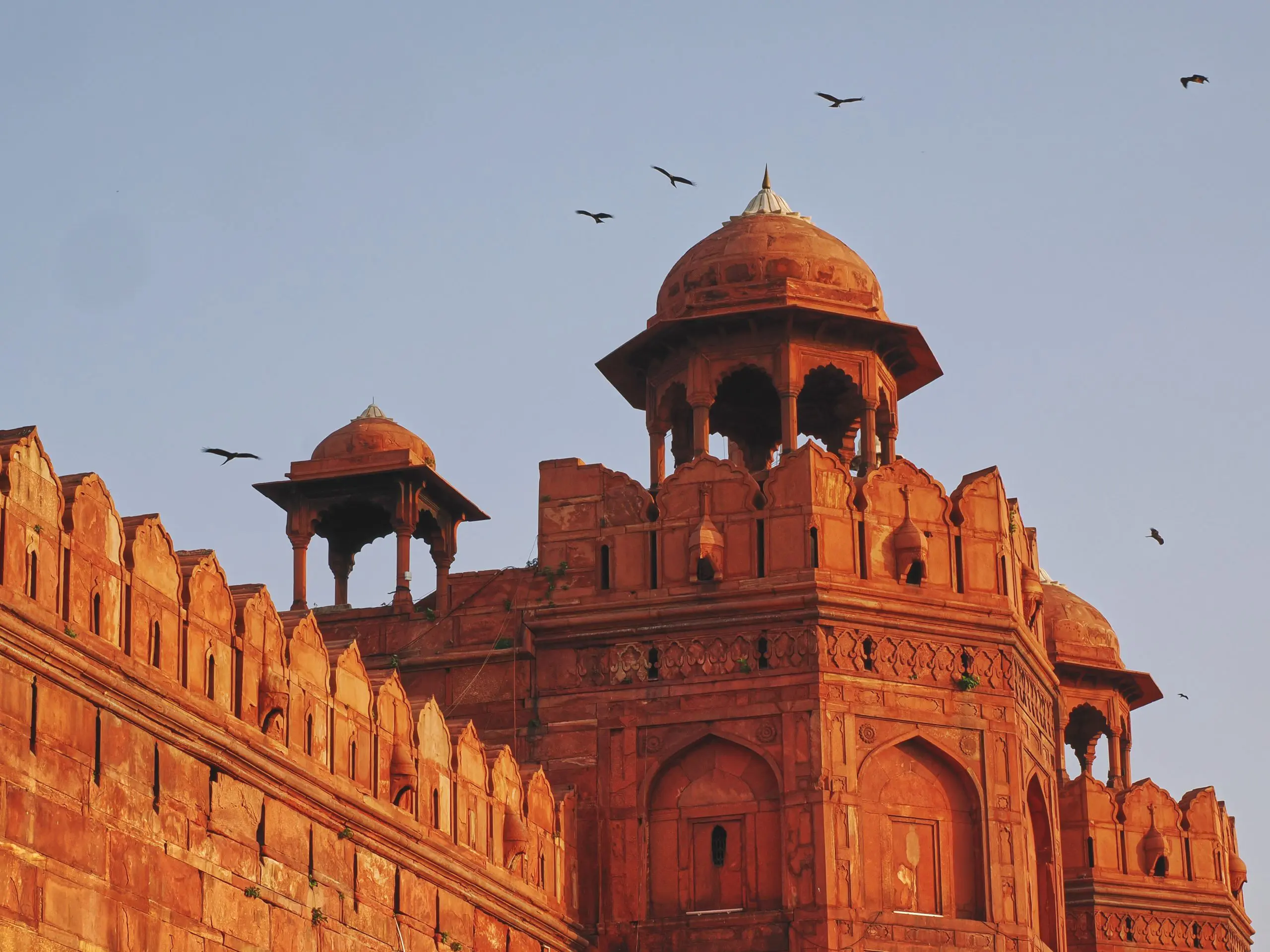
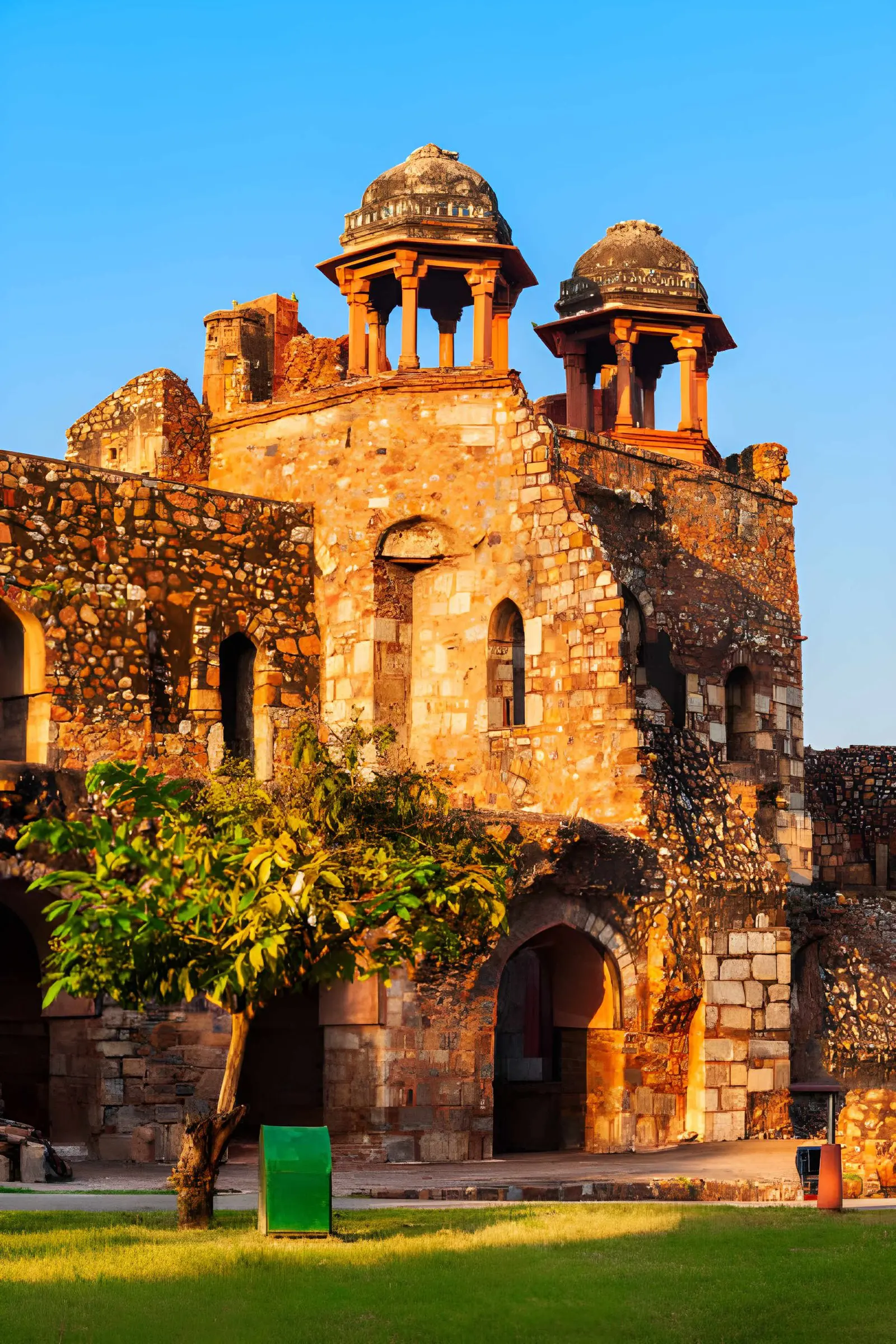
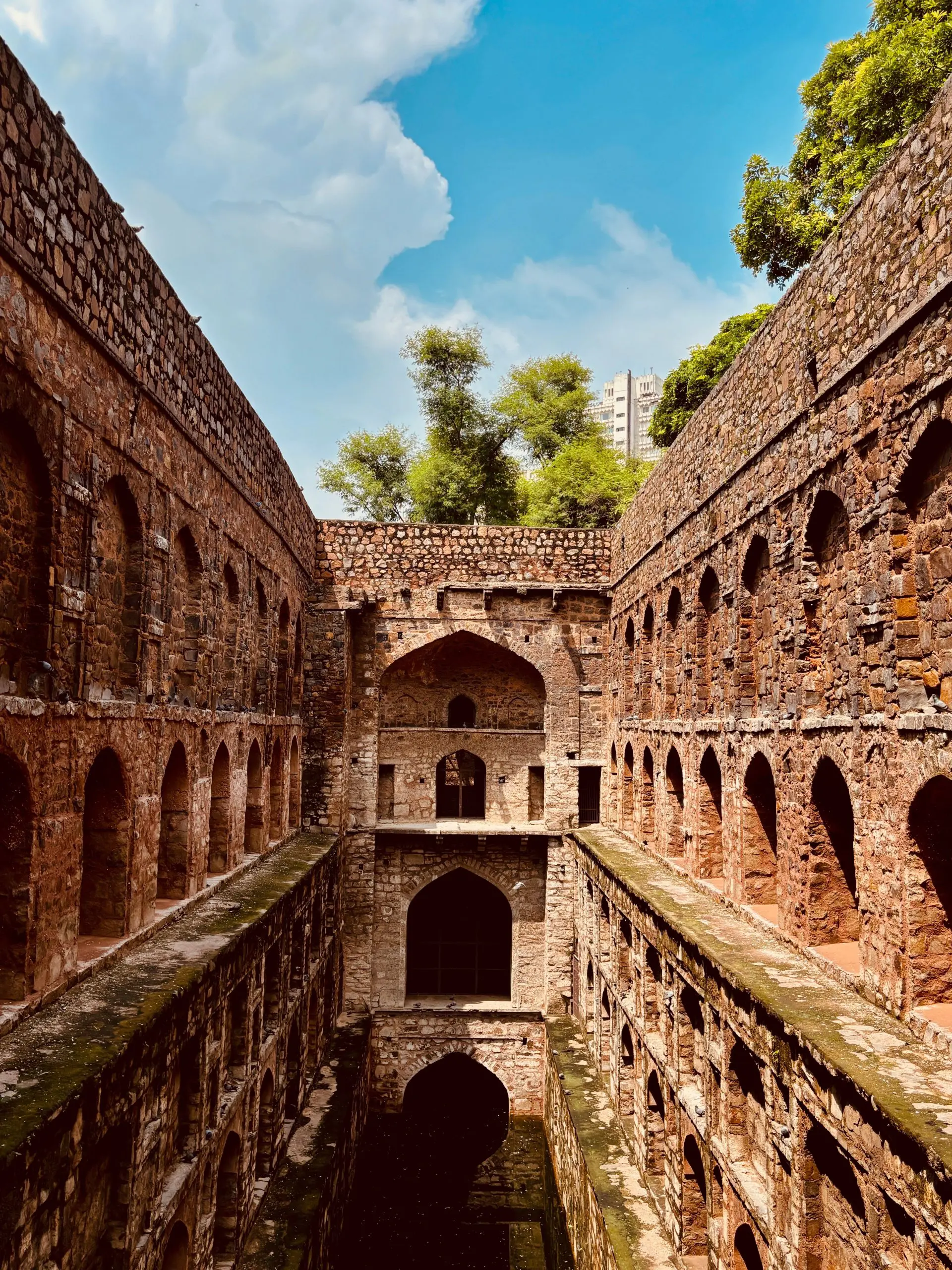
This edition, art isn’t just confined to gallery walls. Centred at Purana Qila, the Biennale will spill across Delhi’s historic and cultural landscape – like the Red Fort, Qutub Minar, Humayun’s Tomb, Safdarjung Tomb, Lodhi Garden, Mehrauli, the National Gallery of Modern Art and the National Museum, and more.
There is something wonderful about this juxtaposition. A contemporary installation set against centuries-old architecture, a performance unfolding within a historic precinct or a new interpretation of traditional craft finding its place inside a monument – the city becomes one huge canvas. Instead of simply walking into an exhibition, you’ll move through Delhi, discovering art in places you may have visited countless times but perhaps never looked at quite this way.
The curatorial theme, Tat Tvam Asi (You Are That), draws from an ancient Upanishadic idea that the self is not separate from the world around it. Its four guiding threads – Reflection, Rejuvenation, Renewal and Resilience – will run through the programme, with the five senses offering another way to experience the works. The idea isn’t to pit traditional art against technology. Handmade craft, digital art and immersive new-media experiences are all welcome in the same room.
A little bit of everything, everywhere
Among the participating institutions are the Kiran Nadar Museum of Art, Nita Mukesh Ambani Cultural Centre, Bihar Museum, Devi Art Foundation, Serendipity Arts Foundation, DAG, the Abheraj Baldota Foundation and others.
DAG brings Anant: A Rare 18th Century Mahabharata Scroll, while Devi Art Foundation presents The Infinite Circle. Nita Mukesh Ambani Cultural Centre’s Kingdom of Earth and Bihar Museum’s The Sacred Waters: Chhath Puja & Pind Daan bring different cultural narratives into the fold. Serendipity Arts Foundation will present The Charpai Project as an installation, alongside Hakchang—Polang (Body Vessel), a performance at Purana Qila.
There will also be projects that explore the relationship between art, architecture and the memories embedded in our cities. At Lodhi Garden, The Eternal Fold offers another reason to look at a familiar public space differently, while Shehr Mehrauli: Where Memory Meets Water explores the layered history of Mehrauli and its surrounding archaeological landscape. Meanwhile, the Student Biennale will bring emerging artists and creative practitioners into the conversation, with its pan-India open call receiving more than 850 responses.
The Ministry of Culture is introducing an array of India Biennale Pass variants – a One Day Pass for ₹100, a Three Day Pass for ₹200, a Week Pass for ₹400, a Season Pass for ₹3,000 and a Premium Pass for ₹10,000. Whether you’re an art collector, a student, a curious traveller or someone who simply enjoys a good afternoon wandering through an exhibition, there’s a good reason for everyone to visit.
Earlier this year, India returned to the Venice Biennale after a seven-year gap with Geographies of Distance: Remembering Home, a group exhibition featuring works by Alwar Balasubramaniam, Ranjani Shettar, Sumakshi Singh, Skarma Sonam Tashi and Asim Waqif. The India Biennale ’26 carries that momentum back home.
Today the country is taking pride forward with the spirit of ‘pride in heritage’. The stronger Bharat emerges in the field of art, architecture and design, the more it will benefit the entire humanity.Shri Narendra Modi Hon’ble Prime Minister of India
It is as much about the centuries-old craft practices passed down through generations as it is about experimental design, contemporary sculpture, new-age architecture, performance and digital expression. For 108 days, Delhi will have the opportunity to bring all these worlds into one conversation.
‘Cuz if India has never been short of art, it’s time we made a little more room for it.
You may also read: Sandeep Khosla on four decades of maximalism