Tamil Nadu to Paris: The Indian roots of French Perfumery
- Featured Retail
 Anushka Manik
- 14 minutes read

Long before perfume was bottled in crystal flacons and displayed in Parisian boutiques, Indian artisans were distilling roses in Kannauj, harvesting jasmine before sunrise in Tamil Nadu, extracting cooling vetiver from the fertile soils of North India, and revering Mysore sandalwood as both a sacred offering and an olfactory treasure.
The earliest evidence dates back to the Indus Valley Civilization (2500–1900 BCE), where archaeologists uncovered terracotta distillation apparatus and aromatic residues, pointing to the extraction of fragrant oils and botanical essences. By the Vedic period (1500–500 BCE), sacred texts such as the Atharva Veda referenced fragrant woods, flowers, herbs and incense in religious rituals and daily life, with sandalwood, agarwood and floral extracts holding immense cultural significance. Between the 12th and 16th centuries, perfume-making evolved under the Delhi Sultanate and later the Mughal Empire, as Persian distillation techniques were introduced and refined. It was during the 16th and 17th centuries that Kannauj emerged as India’s perfume capital, with the iconic tradition of attar – hydro-distilling fragrant flowers like rose and jasmine into sandalwood oil flourishing under the patronage of Emperor Jahangir and Empress Nur Jahan, both celebrated connoisseurs of fragrance.
The Indo-French olfactory connection began taking shape in the 17th century, following the establishment of the French East India Company in 1664, which facilitated the trade of Indian botanicals to Europe. By the 18th and 19th centuries, as Grasse transformed into the world’s perfume capital, French maisons began to rely on Indian ingredients namely sandalwood, vetiver, jasmine and other precious raw materials, laying the foundation for a partnership that defines luxury perfumery today.
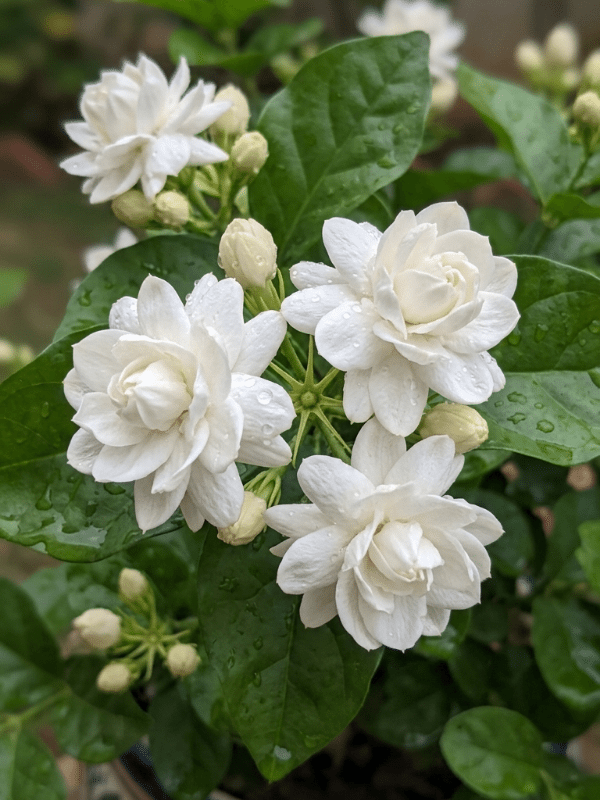
So while the labels may read ‘Made in France’, many of the fragrance notes inside have travelled thousands of kilometres before reaching Grasse. From the creamy richness of Mysore sandalwood to the intoxicating jasmine sambac of Madurai and the earthy elegance of Indian vetiver, some of France’s most iconic perfumes owe their signature character to Indian soil. And FYI, our contribution extends far beyond being a supplier of raw materials.
“French perfumery’s relationship with India has always been about far more than sourcing ingredients; it has been a dialogue between two rich olfactory cultures”, says Mayank Bahety, Founder and Director of Maison Des Parfums.
“Historically, India offered some of the world’s most precious natural materials: spices, flowers, woods and resins that found their way into the ateliers of Grasse and became integral to the persistence of French perfumery. Today, that relationship has evolved from trade to partnership. French maisons work much more closely with growers, distillers and local sourcing experts to ensure exceptional quality, traceability and responsible cultivation,” he adds.
Why India?
The India–France fragrance connection is far from a historical footnote.
“Many people assume the relationship is purely historical, when in reality it remains incredibly relevant today”, shares Bahety. Some of the most sophisticated contemporary French fragrances continue to rely on Indian ingredients for depth, elegance and natural complexity.
“Another surprise is how much artistry goes into preserving the identity of each harvest ; two jasmine harvests from different regions or seasons can express remarkably different personalities, much like vintages in fine wine. Every natural ingredient has its own personality. These ingredients don’t simply add a note to a fragrance, they bring texture, emotion and character.
He shares, “Jasmine sambac from Madurai, Tamin Nadu is treasured for its luminous floralcy; Indian vetiver offers an elegant balance of earthy depth, smoky nuances and fresh woody brightness, making it both grounding and refined. Patchouli from the South is prized for its richness and longevity, lending warmth and structure to a composition. Sandalwood from Mysore holds a particularly special place in perfumery, thanks to its creamy, velvety signature.”
Indian botanicals have long inspired the world’s greatest noses, and some of luxury perfumery’s most celebrated master perfumers have turned to the country’s olfactory heritage to create iconic fragrances.
At Yves Saint Laurent, master perfumers Anne Flipo and Carlos Benaïm infused the Libre collection with the luminous richness of jasmine sambac (mogra) – a flower deeply rooted in Indian culture and widely cultivated across southern India, layering it with French lavender and Moroccan orange blossom to create the fragrance’s now-signature floral tension.


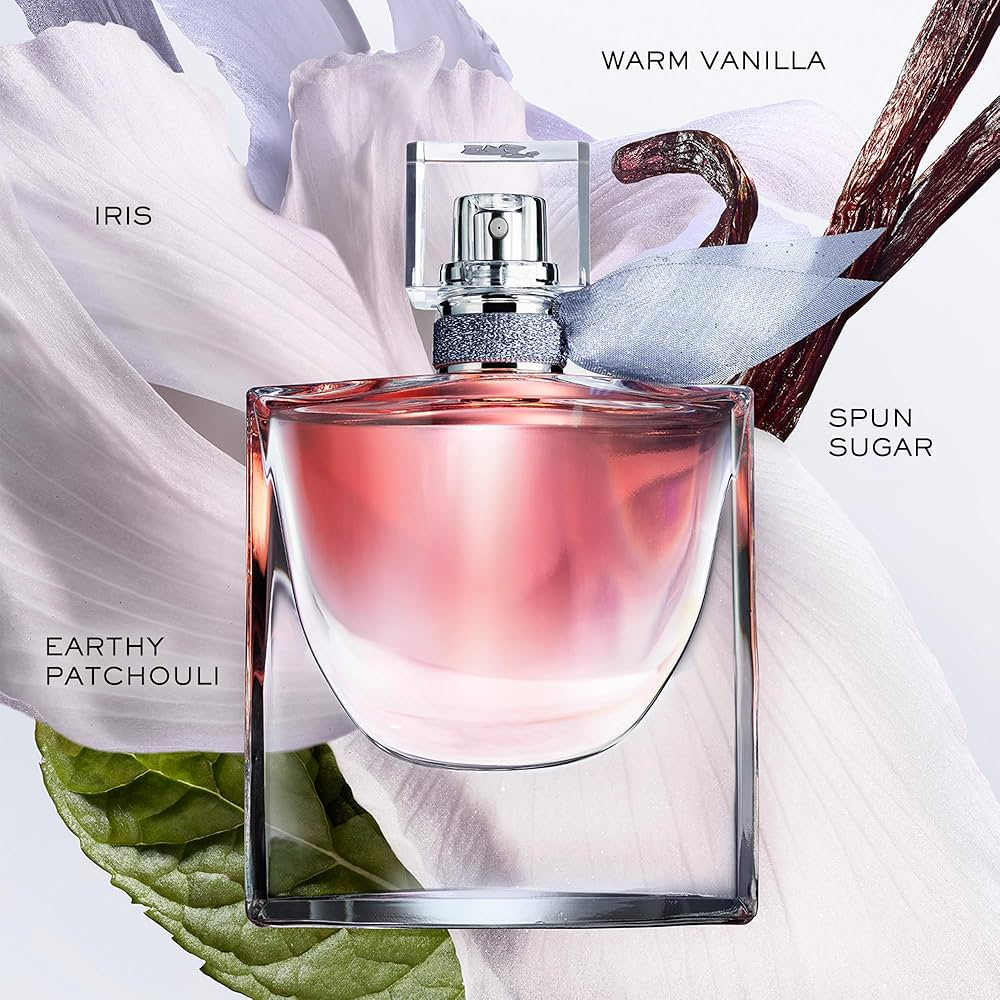
Meanwhile, Lancôme has also embraced Indian jasmine in several of its bestselling creations. Idôle, created by master perfumers Shyamala Maisondieu, Adriana Medina-Baez, and Nadège Le Garlantezec, features a radiant jasmine accord inspired by Indian jasmine sambac, paired with sustainably sourced roses for a modern floral profile. Likewise, La Vie Est Belle, composed by legendary perfumers Olivier Polge, Dominique Ropion, and Anne Flipo, incorporates jasmine sambac alongside iris and patchouli, demonstrating how Indian florals continue to lend depth and sensuality to the favourites in our vanities. Across both maisons, these master perfumers have elevated Indian botanicals from tradition.
On the other hand, Bois des Îles, created in 1926 by legendary perfumer Ernest Beaux remains one of Chanel’s most iconic fragrances and is often credited as one of the first woody perfumes designed for women. Today part of the Les Exclusifs de Chanel collection, the fragrance is built around a rich sandalwood accord, paired with ylang-ylang, jasmine, tonka bean and ambery notes. While the current formulation highlights New Caledonian sandalwood, the perfume’s heritage is closely tied to the creamy, velvety character of Indian Mysore sandalwood (Santalum album), one of perfumery’s most prized raw materials which historically shaped the fragrance’s distinctive warmth and sensuality.
Chanel’s ingredient list continues to include Santalum album oil, alongside jasmine and other floral absolutes, reflecting the house’s enduring appreciation for ingredients long associated with Indian perfumery traditions.
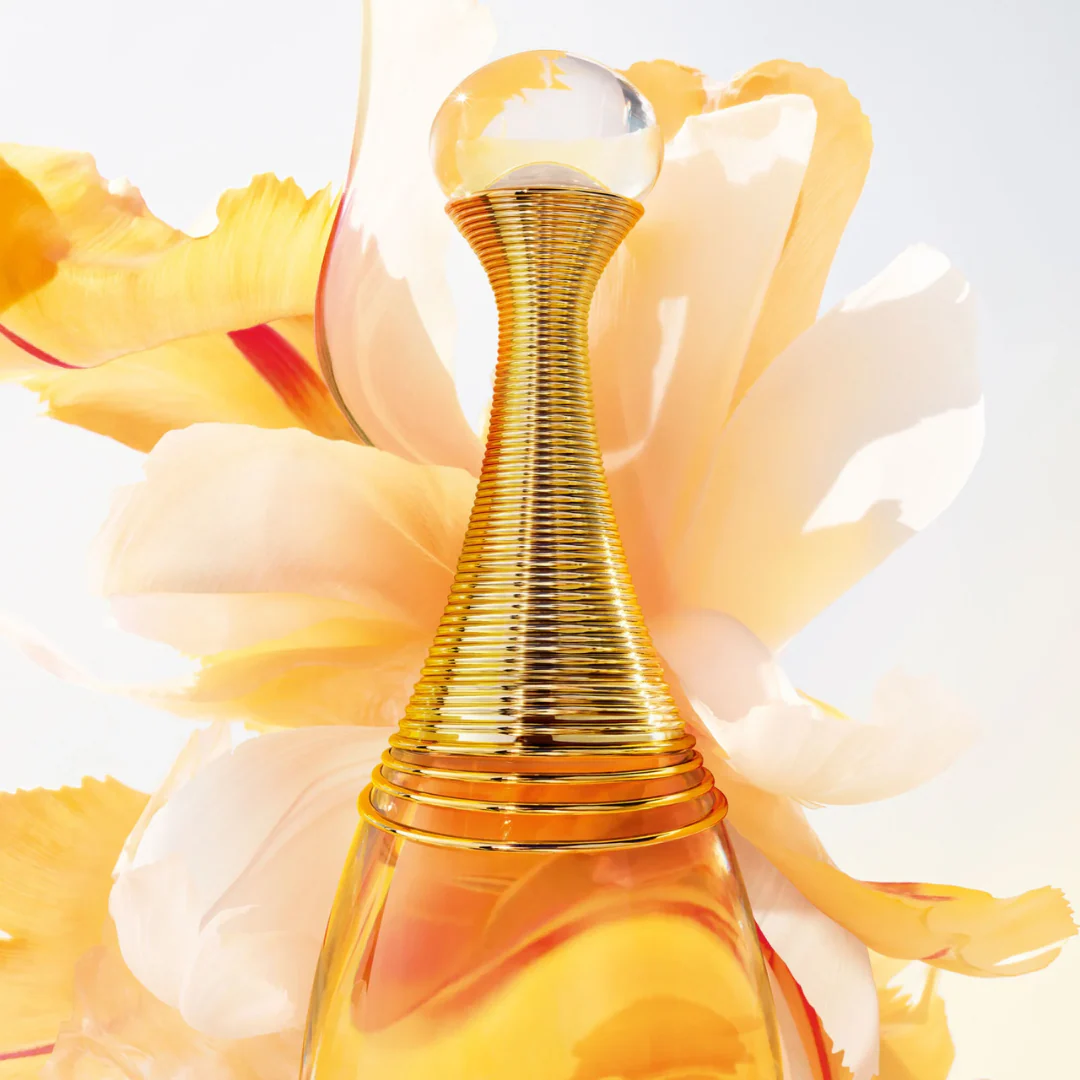
When you think of French perfumery, the landscapes of Grasse often come to mind, but some of Dior’s most iconic fragrances also carry the soul of India. The House of Dior has long sourced precious floral ingredients such as Jasmine Sambac and Tuberose from Tamil Nadu. The region’s famed Madurai jasmine, known locally as Malli, has found its way into creations including the J’adore line, alongside other Dior fragrances, bringing the intensity, warmth, and sensuality of Indian florals to the world stage.
Perfumers often describe India as an “olfactory library”. The country grows hundreds of aromatic species across dramatically different climates, from Himalayan herbs to tropical white florals and dry, woody roots. Few countries offer such extraordinary diversity within a single geography, making India an enduring source of inspiration for the world’s most refined fragrances.
The Evolution of ingredient sourcing
Over the years, advances in sourcing, extraction, and traceability have transformed the way French perfumers work with Indian ingredients, allowing them to preserve their natural complexity while ensuring greater consistency and sustainability.
“Today’s perfumers have access to far more refined extraction techniques, allowing them to capture different facets of an ingredient while preserving its natural beauty”, quips Bahety. Equally important is the progress made in traceability and responsible sourcing. “Greater transparency throughout the supply chain allows brands to build long-term relationships with producers while ensuring consistent quality and more sustainable cultivation practices. These developments benefit both creativity and the communities that cultivate these precious materials.”
The untapped potential of India’s botanical wealth
India’s rich botanical landscape extends far beyond its iconic florals. Bahety tells us, “Ingredients such as davana, with its fruity, herbaceous facets, nagarmotha (cypriol), prized for its smoky, woody depth, and traditional extracts like ruh khus reveal the incredible diversity of India’s aromatic landscape. Native spices and aromatic herbs also offer exciting possibilities, bringing freshness, warmth and unexpected complexity to modern fragrance compositions.”
India’s fragrance renaissance
For decades, Indian farmers and distillers supplied the world’s leading fragrance houses while remaining largely invisible to consumers. Today, that narrative is changing.
Consumers now want to know not just what they’re wearing but where it came from. The story behind a jasmine harvested at sunrise in Madurai or a sustainably grown vetiver root carries as much emotional value as the finished perfume itself.
Climate change has further elevated the importance of origin. Extreme weather, geopolitical instability and declining crop yields are forcing fragrance companies to diversify sourcing and invest more deeply in long-term relationships with farming communities around the world. Reliable access to premium natural ingredients has become one of luxury perfumery’s biggest strategic priorities.
Ironically, while India spent decades supplying ingredients to the world’s greatest perfume houses, it rarely claimed ownership of the finished luxury product. That, too, is changing.
We’re also seeing modern Indian fragrance brands collaborating with master perfumers in Grasse while celebrating indigenous botanicals as their central identity. The result is the fact that Indian ingredients are becoming the protagonists themselves.
The timing could not be better. According to Euromonitor, India’s fragrance market continues to register robust double-digit growth, with retail sales reaching INR 66.4 billion in 2025, driven by younger consumers embracing fragrance as an everyday expression of identity rather than an occasional luxury.
Read our Indi-French issue here.