Why gin’s most coveted bottles are never meant to last
- Featured Spirits
 Yashita Damani
- 17 minutes read

In today’s crowded spirits landscape, standing out is no longer just about what goes into the bottle. It is about how often brands can surprise consumers with something new. Much like fashion drops, gin brands are increasingly launching small-batch and seasonal releases to create anticipation, collectability and consumer curiosity.
Across the global and Indian gin category, limited edition releases are becoming powerful tools for experimentation and storytelling. Seasonal botanicals, one-off collaborations and short run expressions are transforming gin from a familiar spirit into a constantly evolving experience.
The Plot Thickens

For Nao Spirits & Beverages, every limited release has represented a different kind of creative conversation. Juniper Bomb emerged from a power cut accident and went on to become a cult favourite. Broken Bat experimented with the idea of cricket bats influencing a botanical spirit and later won Best Gin in India at the Gin Guide UK 2025 awards. No Sleep began as a bartender’s cold brew obsession, while Punk only exists during Mahabaleshwar’s strawberry harvest season.For Nao Spirits & Beverages, every limited release has represented a different kind of creative conversation. Juniper Bomb emerged from a power cut accident and went on to become a cult favourite. Broken Bat experimented with the idea of cricket bats influencing a botanical spirit and later won Best Gin in India at the Gin Guide UK 2025 awards. No Sleep began as a bartender’s cold brew obsession, while Punk only exists during Mahabaleshwar’s strawberry harvest season.
Each release gave bartenders something distinct to work with, whether through flavour, concept or storytelling.

Anand Virmani, Co Founder and Master Distiller at Nao Spirits & Beverages, believes the real value of limited editions lies beyond scarcity itself.
“That’s the real value of a limited edition in this category. It’s not the scarcity itself, it’s what the scarcity forces.It forces the distiller to commit to an idea fully, and it gives the bartender a brief. In a market where every shelf has fifteen gins on it, that brief is worth more than any amount of marketing.”
For Anand, the appeal of gin lies in the category’s limitless creative possibilities. Unlike core expressions that need consistency and scalability, limited editions allow distillers to take risks, respond to seasons and experiment with unconventional ideas that may never exist again.
Evoking curiosity: why scarcity has become gin’s secret ingredient

The appeal of limited edition gin lies heavily in anticipation. Consumers are increasingly drawn to products that feel temporary, exclusive and experience driven.
Rehan Guha, Founder of Oxymorons, notes that scarcity naturally creates curiosity among consumers and instantly sparks conversations at the bar. Similarly, Vedant Newatia, Founder and Head Chef of Atelier V and Masala Code, says limited editions allow bars to refresh their cocktail programmes without changing the identity of the venue.
“Guests will come in specifically to try a bottle before it disappears.”

Vedant Newatia explains that these short run menus are often paired with tasting sessions, bartender takeovers and masterclasses, creating a more immersive experience around the launch. For bartenders, limited editions also offer greater creative freedom, allowing experimentation with flavours and combinations that may not work on a permanent menu.
According to Nidhi Kedia, Co Founder and Chief Marketing Officer of Nisaki Gin, limited editions have become essential in a category driven by novelty and rapid consumer engagement.
She believes that one cannot build a modern brand if they are only thinking in terms of permanent SKUs (Stock Keeping Units). “In today’s market, they are not just effective, they are almost essential. The gin category is extremely crowded, and if you are not giving consumers something new to return for, you risk becoming static.”
Nidhi Kedia adds that limited releases help brands remain in constant evolution rather than feeling fixed or predictable. Instead of positioning a product as complete, brands are increasingly treating gin as an evolving conversation with consumers.
Gin & Experimental Tonic

“Experimentation is not just a tactic, it is a long-term mindset.” Nidhi Kedia
Gin has long been one of the spirits category’s most experimental canvases, largely because of its botanical flexibility.
Vikram Achanta, Founder and CEO of Tulleeho and Co Founder of 30BestBarsIndia and India Bartender Week, believes limited releases feel especially natural within gin because the category lends itself so easily to flavour exploration.
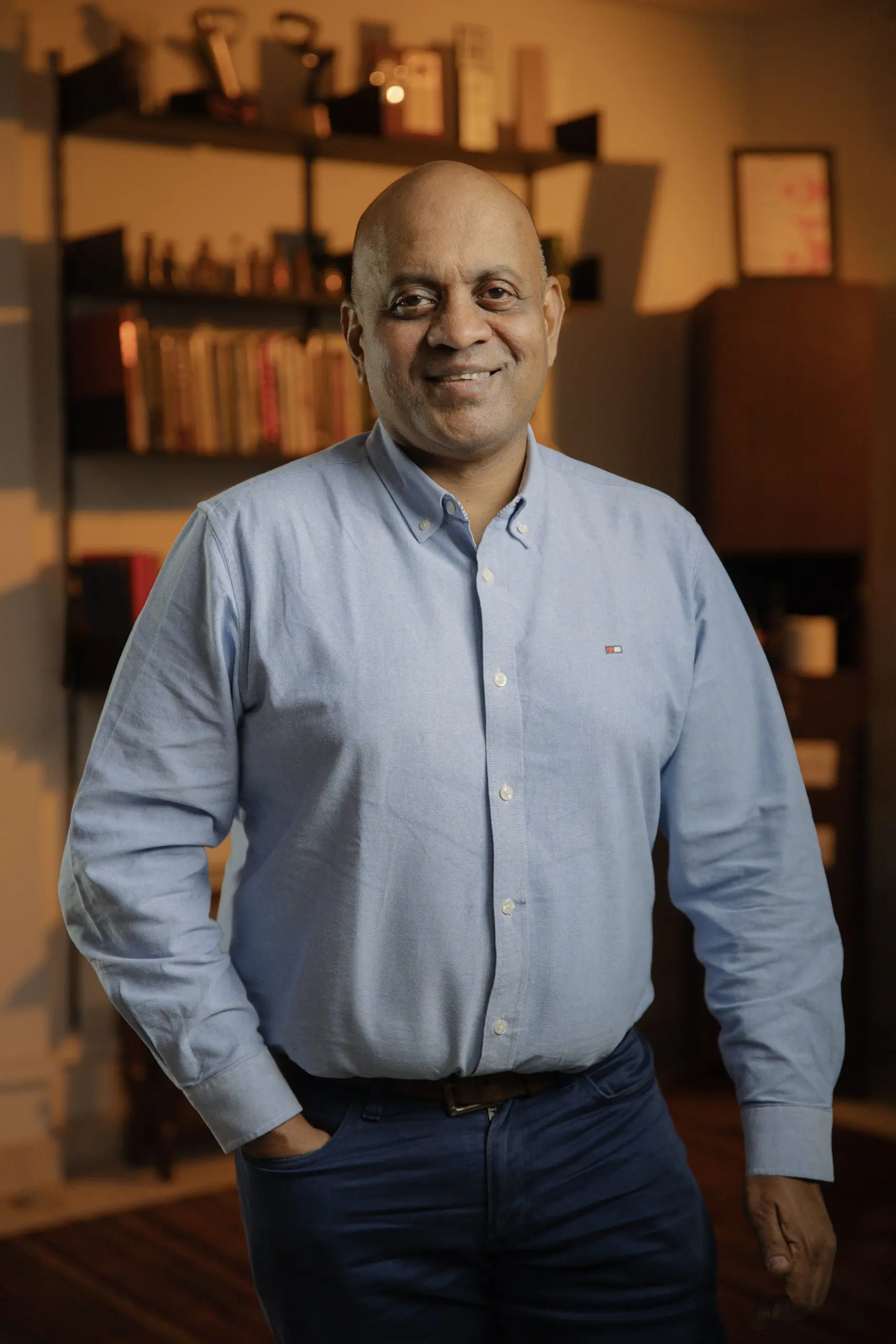
“Seasonal botanicals, small batch expressions and collaborations allow brands to explore flavour in more playful and unexpected ways.”
He points to releases like Stranger & Sons Coffee Gin and Greater Than Juniper Bomb as examples of how comfortably gin accommodates experimentation.
“That sense of discovery is a large part of what keeps the category feeling dynamic. Limited editions create anticipation for consumers while also giving bartenders something fresh to build conversations and menus around.”
For brands like Nisaki Gin, limited editions have also become important tools for product development and innovation. Nidhi Kedia explains that small batch releases allow distillers to test new botanicals, flavour combinations and formats without the pressure of creating a permanent SKU. “It is one of the most important formats for innovation today. You cannot build a modern brand if you are only thinking in terms of permanent SKUs.”
Rehan Guha adds that these launches help bartenders move beyond predictable classics by experimenting with regional inspirations, seasonal ingredients and more experiential serves.
At Oxymorons, guests actively respond to experimentation with new flavour combinations and limited run serves because rarity creates emotional engagement and a sense of participation.
However, he believes the strongest limited editions are the ones driven by genuine creativity rather than simply functioning as marketing exercises. Some of these experiments eventually evolve into permanent expressions, reflecting changing consumer tastes and drinking habits.
Fear of Missing Pour
If limited edition gins feel closer to fashion drops than traditional spirits marketing, that is entirely intentional.
Nidhi believes today’s consumers are increasingly drawn to experiences that feel exclusive, collectible and socially shareable.
“Consumers today do not just want a drink, they want a moment.”
She explains that limited drops tap directly into this mindset by creating anticipation, emotional engagement and even a sense of FOMO. From a business perspective, this urgency keeps consumers returning to discover what comes next.
The rise of social media has also amplified this behaviour. A limited release is no longer simply a product launch. It becomes content, conversation and social currency. Collectable bottles, seasonal labels and unusual flavour profiles encourage consumers to share the experience online, adding another layer to the storytelling process.
Increasingly, bars are also designing entire activations around these launches through tasting menus, collaborations and guest shifts, transforming limited editions into cultural moments rather than standalone products.
The Bartender’s Brief
The impact of limited edition gin extends far beyond the bottle itself. Bars and bartenders are becoming central to how these releases are experienced and interpreted.
Nidhi Kedia notes that bartenders are often the first people to translate the spirit into an immersive guest experience through signature cocktails and curated serves.
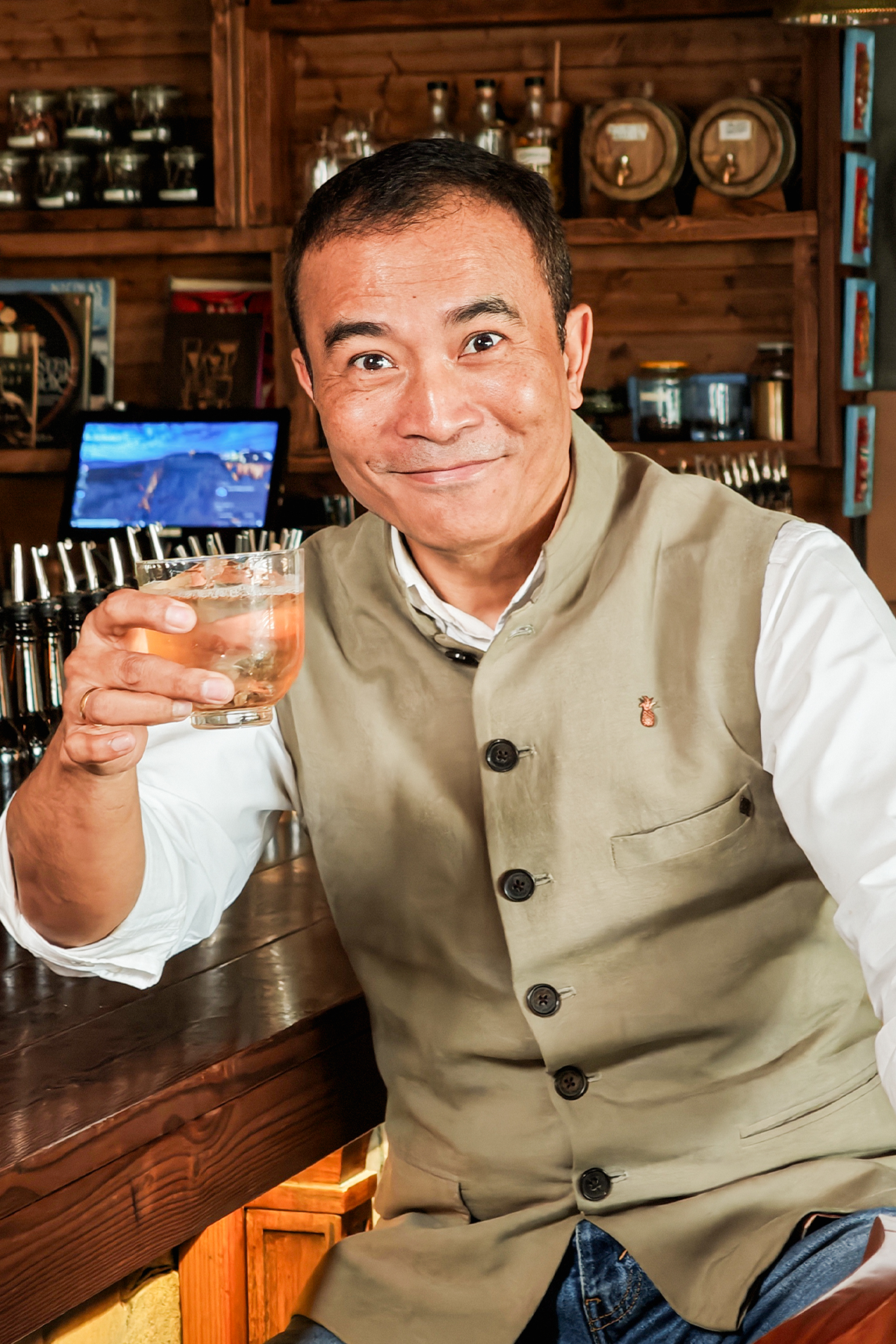
“Bartenders are often the first to interpret the product and bring it to life.”
For Yangdup Lama, Co Founder of Sidecar, Cocktails & Dreams Speakeasy, The Brook and The Old House, storytelling and quality remain essential for any limited edition gin to succeed. “For bartenders, limited edition gins work best when there is a strong story, clear inspiration, and genuine creativity from the distiller.”
Lama also explains that bartenders pay close attention to whether the liquid truly reflects the story being told, since that directly shapes how the spirit is presented to guests.
Personally, he prefers serving highly aromatic and layered gins chilled, neat, over ice or in a well made Martini so that the spirit’s nuances remain intact.
“The tonic should support and enhance the gin rather than overpower it.”
At the same time, Yangdup emphasises that pricing remains crucial. A limited edition spirit still needs to feel practical for bars to pour regularly and accessible enough for consumers to enjoy without hesitation.
Sip Happens Once

One of the biggest shifts within the gin category is the way consumers now engage with the spirit itself. Drinkers are increasingly seeking discovery over familiarity, gravitating towards seasonal botanicals, unexpected flavour profiles and collectible releases.
Core expressions continue to build trust and consistency, while limited editions drive excitement, experimentation and conversation. Together, they create a balance between reliability and novelty.
For brands, the challenge is no longer simply producing a good gin. It is about creating a story consumers want to participate in.
Storytelling has therefore become central to modern gin culture. Whether through ingredients, provenance, seasonality or visual identity, the narrative behind a limited release often becomes just as important as the liquid itself.
Distillers today are not only selling flavour. They are selling context, emotion and experience.
To Be Continued… (pricing and the future)

In the words of Nidhi Kedia , “In many ways, remaining static is the fastest way to become irrelevant”. As experimentation becomes a long term mindset rather than a short term strategy, limited editions are expected to play an even larger role in the future of the category.
Nidhi Kedia believes the future of gin will depend not just on flavour innovation, but on how effectively brands continue to create fresh experiences for consumers. “The future of gin is not just about what is in the bottle, but how frequently you can offer consumers something new to return to.”
As bars increasingly prioritise seasonal menus and consumers continue gravitating towards collectability and discovery, limited editions are evolving from niche experiments into a defining feature of the category itself. And gin today is no longer just a spirit category. It is becoming a platform for creativity, collectability and constant reinvention. What season are you sipping next?
You may also read: The Youngest Grand Prix Winners in Formula 1 History