William Grant & Sons’ Kartik Mohindra on India’s next whisky chapter
- Featured Spirits
 Anushka Manik
- 7 minutes read

Today, the Indian whisky drinker is asking better questions and increasingly, the answers matter as much as the pour. What makes one single malt different from another? How do casks shape character? And does a premium spirit really earn its price tag, or is it all just clever packaging? As India’s appetite for premium spirits evolves, whisky is becoming as much about discovery and craftsmanship as it is about the occasion.
For William Grant & Sons, the family-owned spirits house behind Glenfiddich and The Balvenie, the opportunity lies in bringing its heritage to a new generation of drinkers without losing sight of what makes its whiskies distinctive. In conversation with Kartik Mohindra, Managing Director, William Grant & Sons India, we explore how India’s whisky landscape is changing, the markets beyond the metros, and the future of premium spirits in India.
LuxeBook: What is it about the Indian consumer today that makes William Grant & Sons’ market exciting or different from more established markets?
Kartik Mohindra: India is an exciting market because of its diversity and the growing interest in premium spirits. Consumers are increasingly curious about brands, provenance and craftsmanship, and want to understand what makes a product distinctive. The opportunity also extends beyond the larger metropolitan markets, with different regions bringing their own preferences and consumption occasions. For us, it is about understanding these consumers, building awareness around our brands and creating experiences that communicate the quality and heritage behind our products.
LuxeBook: Premiumisation is often discussed in terms of higher prices and packaging. What, in your view, makes a spirit truly premium?
Kartik Mohindra: Price and packaging can shape perceptions, but they are not what make a spirit truly premium. It starts with the quality of the liquid, the craftsmanship behind it and the consistency of the experience. Provenance and the expertise involved in making the spirit are equally important. In Scotch whisky, maturation and the character of the whisky contribute to what makes each expression distinctive. Ultimately, premiumisation is about offering genuine quality and a clear point of difference, rather than simply positioning a product at a higher price.
LuxeBook: Who is the Indian single-malt consumer today, and how has that consumer changed over the past five years?
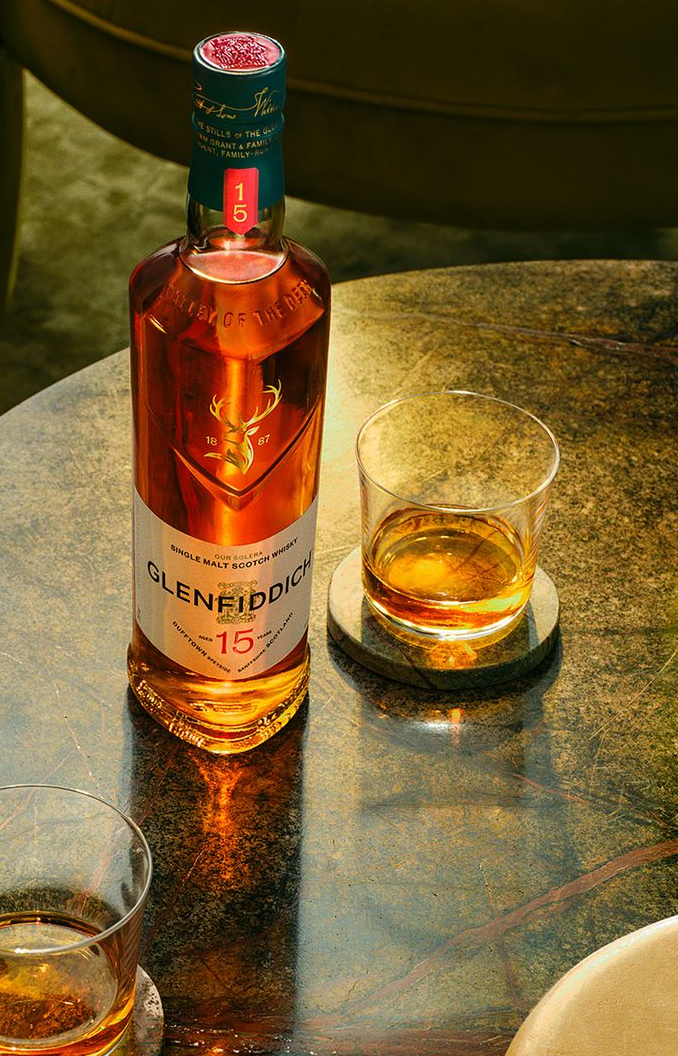
Kartik Mohindra: The Indian single-malt consumer is becoming more informed and curious about the category. There is growing interest in understanding flavour profiles, maturation, distillery character and the origins of a whisky. Consumers are also exploring a wider range of expressions and looking beyond the brand name to understand what makes each whisky distinctive. Interest in single malts is not limited to the largest metropolitan markets, which creates an opportunity to engage with a broader set of consumers. For brands, the focus should be on making the category more accessible through relevant experiences and authentic storytelling.
LuxeBook: With tariffs on Scotch whisky set to ease under the India–UK trade agreement, how do you see this affecting the category?
Kartik Mohindra: The India–UK trade agreement is an important development for Scotch whisky in India. The phased reduction in tariffs has the potential to improve market access and support the category’s development over time. However, the impact on retail prices will depend on several factors, including state-level duties, distribution costs and the wider market environment. It is therefore important to look at the overall picture rather than tariffs in isolation. The long-term opportunity remains to build consumer appreciation for Scotch whisky through quality, education and a better understanding of the category.
LuxeBook: Which emerging Indian markets are changing your understanding of the luxury consumer, and what are they teaching you beyond the metros?
Kartik Mohindra: Markets such as Jaipur, Lucknow and Indore are important to the evolving premium spirits landscape in India. They highlight the need to look beyond the metros and understand the different preferences, occasions and expectations that shape consumer choices across the country. India is not a single, uniform market, and what resonates with consumers can vary by region. For us, this means combining the consistency and heritage of a global brand with a better understanding of local consumers. Building awareness and creating relevant brand experiences will be important as the premium spirits category develops across more markets.
LuxeBook: With moderation and drinking less becoming global trends, how should premium spirits businesses respond?
Kartik Mohindra: Responsible consumption needs to remain central to how the industry engages with consumers. Premiumisation should be about quality, craftsmanship and appreciation of the product, rather than encouraging higher consumption. For premium spirits, this means communicating the character of the liquid, the heritage behind it and what makes each expression distinctive, while ensuring that brands are represented responsibly. Building a sustainable category requires trust, and that comes from taking a considered approach to both consumer engagement and communication.
LuxeBook: If you could change one thing about how India buys, sells or experiences alcohol, what would have the biggest impact on the industry?
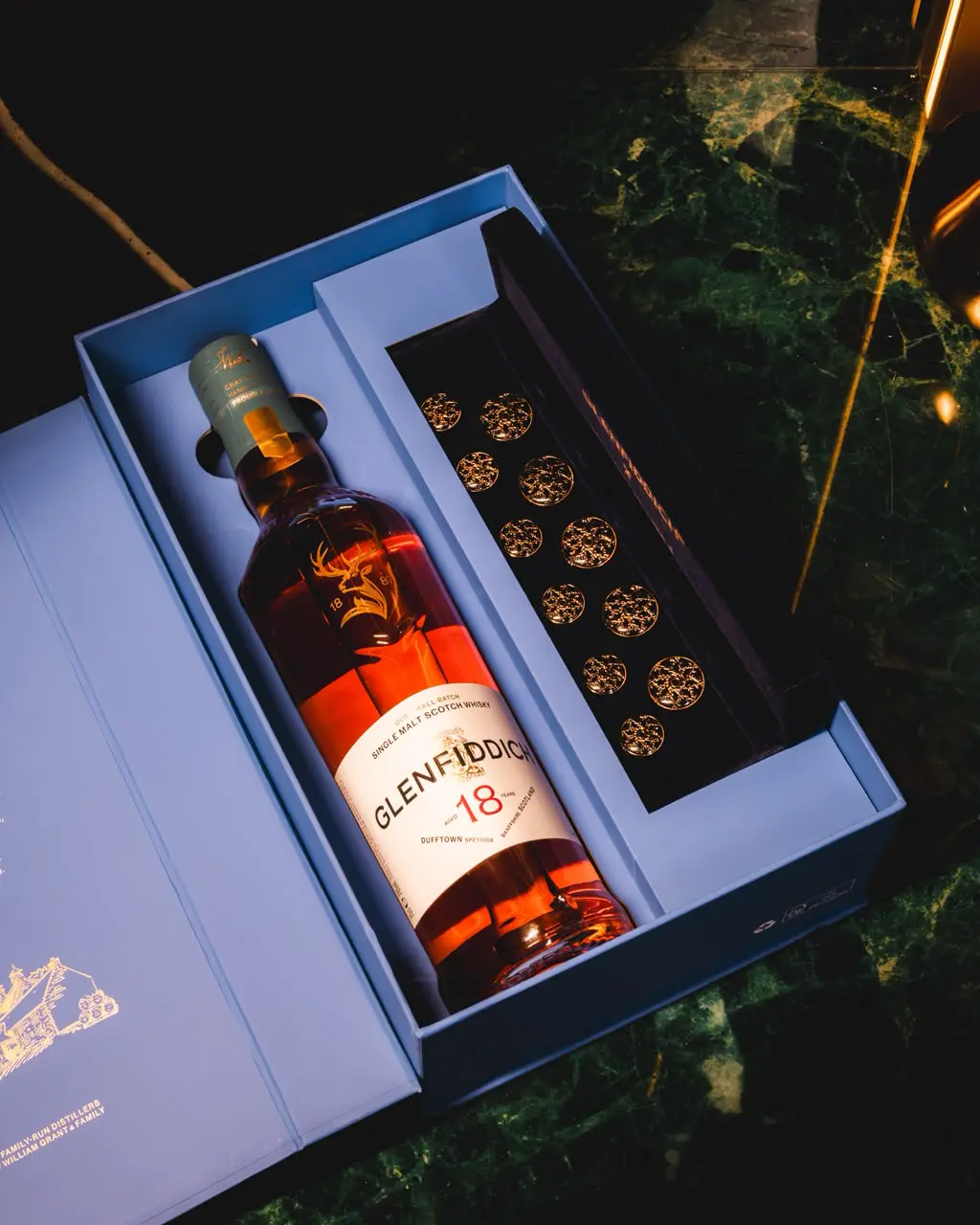
Kartik Mohindra: I would like to see consumers have better access to information and a more informed experience when exploring the category. India has a diverse regulatory and retail landscape, and the consumer experience can vary across markets. Greater awareness of different spirits, their provenance and the craftsmanship behind them would help consumers make more informed choices. For premium spirits in particular, there is an opportunity to go beyond the transaction and create experiences that help people understand what makes a product distinctive. This can support a deeper appreciation of the category over time.
LuxeBook: Which spirit is having the biggest moment in India right now?
Kartik Mohindra: Single-malt Scotch whisky continues to attract interest in India, with consumers showing curiosity about its provenance, maturation and craftsmanship. There is an opportunity to build on this interest by helping consumers understand the differences between expressions and discover the category in greater depth. Other premium spirits, including gin, also offer distinct experiences for consumers to explore. Rather than viewing one category as taking precedence over another, I see the broader opportunity in building consumer understanding and appreciation across premium spirits.
You may also read: Three chefs on what separates a good restaurant from a great one