What a foraging journey reveals about India’s gin revolution

By: Pranav Dixit
The first thing you notice in the mountains is silence. Not the complete absence of sound, but the kind of silence that only exists in the mountains. Wind moving through pine trees, distant birdsong, and the crunch of boots against uneven terrain. Every so often, the sharp, resinous scent of juniper cuts through the cool air. This is where the story of Hapusa begins.
Long before it reaches crystal glasses in cocktail bars from Mumbai to London, before it finds its place in Martinis and Negronis, the gin starts its journey in the Himalayas, among wild juniper bushes that have grown here for generations. It is an origin story that feels increasingly relevant in a world where luxury is shifting away from logos and towards provenance.
I realised this while attending Hapusa’s Forager Journey, an immersive experience designed to reconnect drinkers, bartenders, and storytellers with the landscapes that inspire one of India’s most distinctive spirits. What could have easily been a routine excursion instead became something far more interesting: a lesson in how India is redefining the language of premium spirits.
For years, the global gin conversation was dominated by Europe. London Dry became the benchmark, while Scotland, Spain, and later Japan built devoted followings. India, despite its vast biodiversity and centuries-old relationship with spices and botanicals, remained largely absent from the narrative. That has changed dramatically over the past decade. Today, Indian craft gin is no longer a mere curiosity; it is a definitive category, driven by a generation of producers who stopped asking how Indian gin could imitate global brands and started asking a more interesting question: what should Indian gin actually taste like?
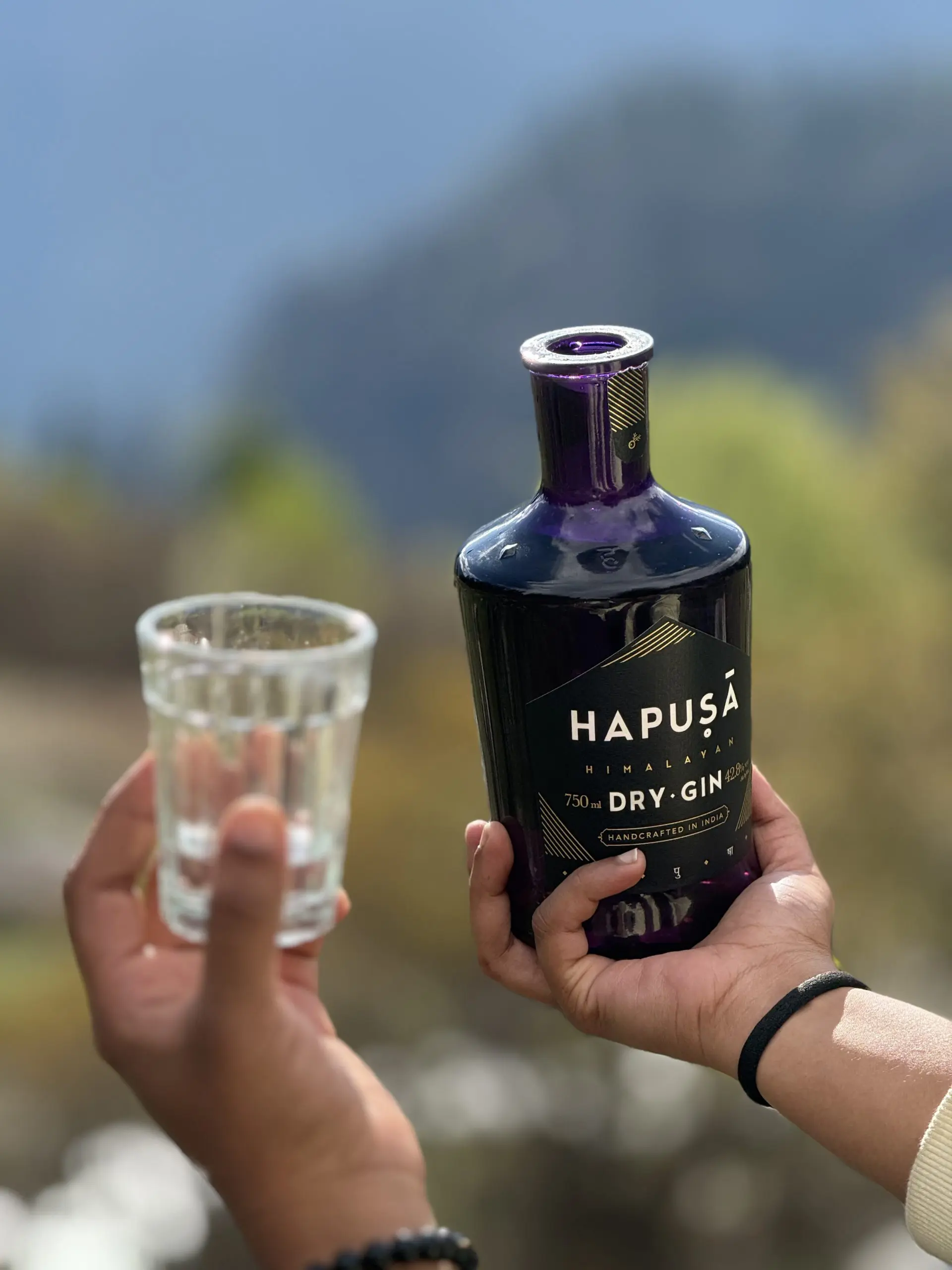
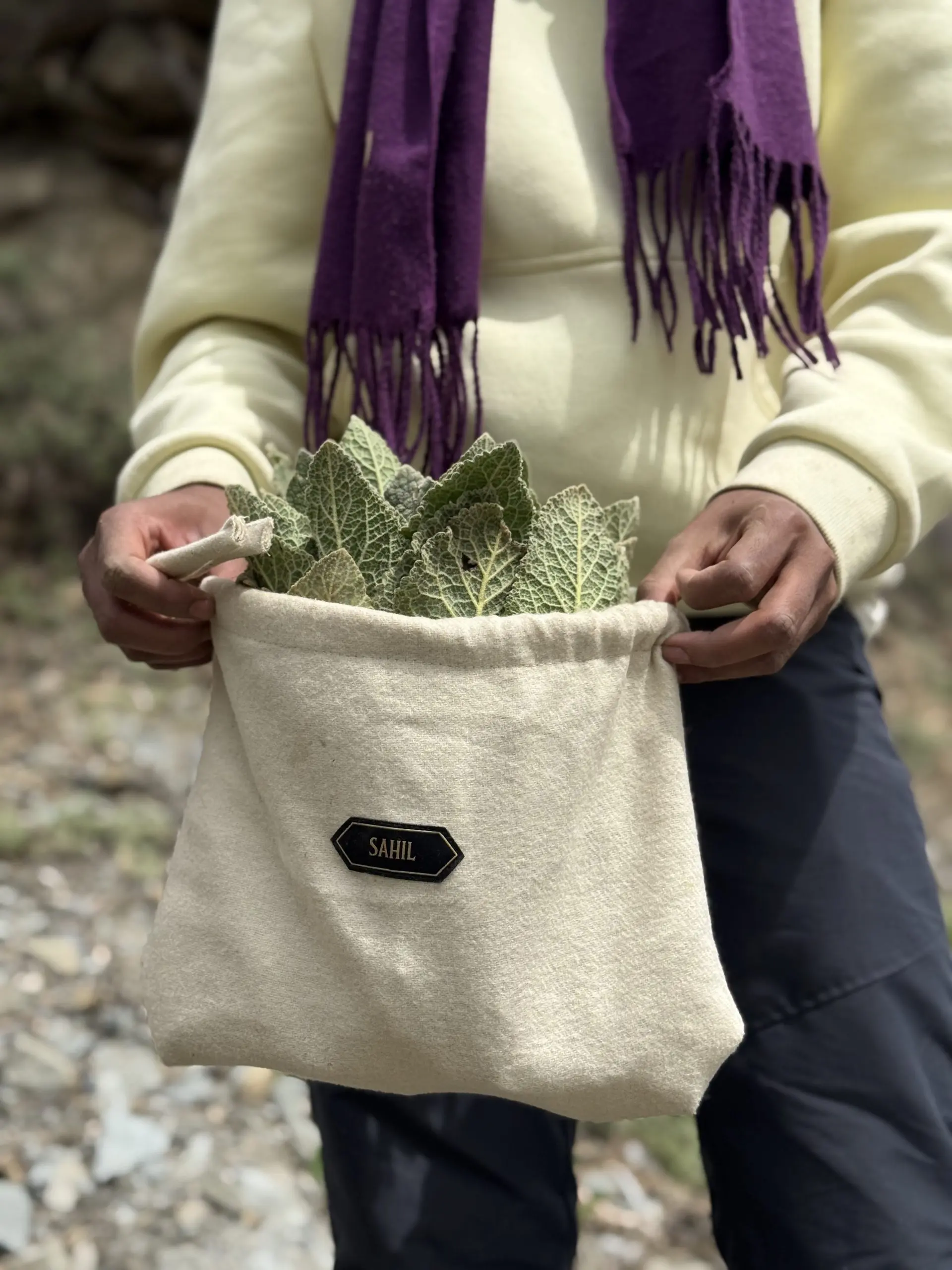
The answer, it turns out, lies in the landscape. As we move through the mountains, guides point out native botanicals hidden in plain sight, wild herbs growing alongside footpaths and aromatic plants clinging to rocky slopes. Local communities have understood the value of these ingredients for generations, long before anyone considered putting them into a premium bottle.
The star ingredient
Juniper, however, remains the star. Unlike most gins, where juniper is sourced through global commodity supply chains, Hapusa builds its identity around wild-foraged Himalayan juniper. The result is a spirit that feels deeply rooted in place, carrying an unmistakable pine-forward character softened by earthier, more savoury notes that feel distinctly Indian. Alongside juniper are ingredients such as fresh turmeric, raw mango, gondhoraj lime peel, and green cardamom, creating a profile that reflects India’s biodiversity rather than borrowing from European traditions.
Standing among the trees where these ingredients originate, it becomes easier to understand why terroir has become such a powerful concept in luxury food and drink. Wine has long celebrated geography, and coffee increasingly does the same; now, spirits are rapidly catching up. Consumers want to know where things come from, seeking stories tied to landscapes, people, and craftsmanship rather than marketing departments.
Few brands embody this shift better than Hapusa. The gin was launched in 2018 by Goa-based Nao Spirits, a company founded by Anand Virmani, Aparajita Ninan, and Vaibhav Singh with a simple ambition: create spirits that felt unapologetically Indian while competing on the global stage. Virmani’s own journey mirrors the evolution of India’s craft spirits industry. Before founding Nao Spirits, he worked across global drinks companies and later co-founded Delhi’s popular Perch Wine & Coffee Bar. It was there that he noticed a growing appetite for gin but a surprising absence of quality Indian options. Imported labels dominated premium shelves, while local alternatives struggled to inspire confidence, a gap that eventually led to the creation of Greater Than, India’s first craft gin, followed by Hapusa, the more ambitious and botanically expressive sibling.
This gamble paid off spectacularly. In 2017, India’s craft gin market accounted for a modest 12,000 cases; today, that figure has rocketed past 400,000, with home-grown brands increasingly commanding premium shelf space and finding enthusiastic audiences overseas.
Yet, statistics only reveal part of the story; the more fascinating shift is cultural. For decades, premium spirits in India meant imported spirits. Prestige inherently arrived from elsewhere: the best whisky came from Scotland, the best wine came from France, and the best gin came from Britain. Today, that mindset is rapidly disappearing as the modern luxury consumer prioritises authenticity over geography. A spirit does not need a European postcode to command respect; it needs character, and character is something India has in abundance.

Back at the camp, conversation naturally turns towards flavour as glasses are poured and notes of pine, citrus, and spice emerge. The gin feels remarkably different when tasted against the backdrop of the landscape that inspired it. There is a tendency within luxury marketing to romanticise origin stories, and the reality rarely lives up to the narrative. Here, however, the connection feels genuine. The mountains are not a backdrop created for Instagram; they are an active ingredient.
Experiencing the terroir
That distinction matters because the future of luxury increasingly belongs to experiences that feel rooted rather than manufactured. Whether it is a vineyard in Tuscany, a sake brewery in Kyoto, or a wildlife lodge in Rajasthan, travellers are seeking meaningful connections to place. The same principle now applies to spirits. Brands are no longer selling products alone; they are selling context. The success of experiences such as the Forager Journey reflects a broader evolution within hospitality and luxury travel, where consumers are no longer satisfied with simply consuming. They want participation, access, and a clear understanding of the story behind what sits in their glass.
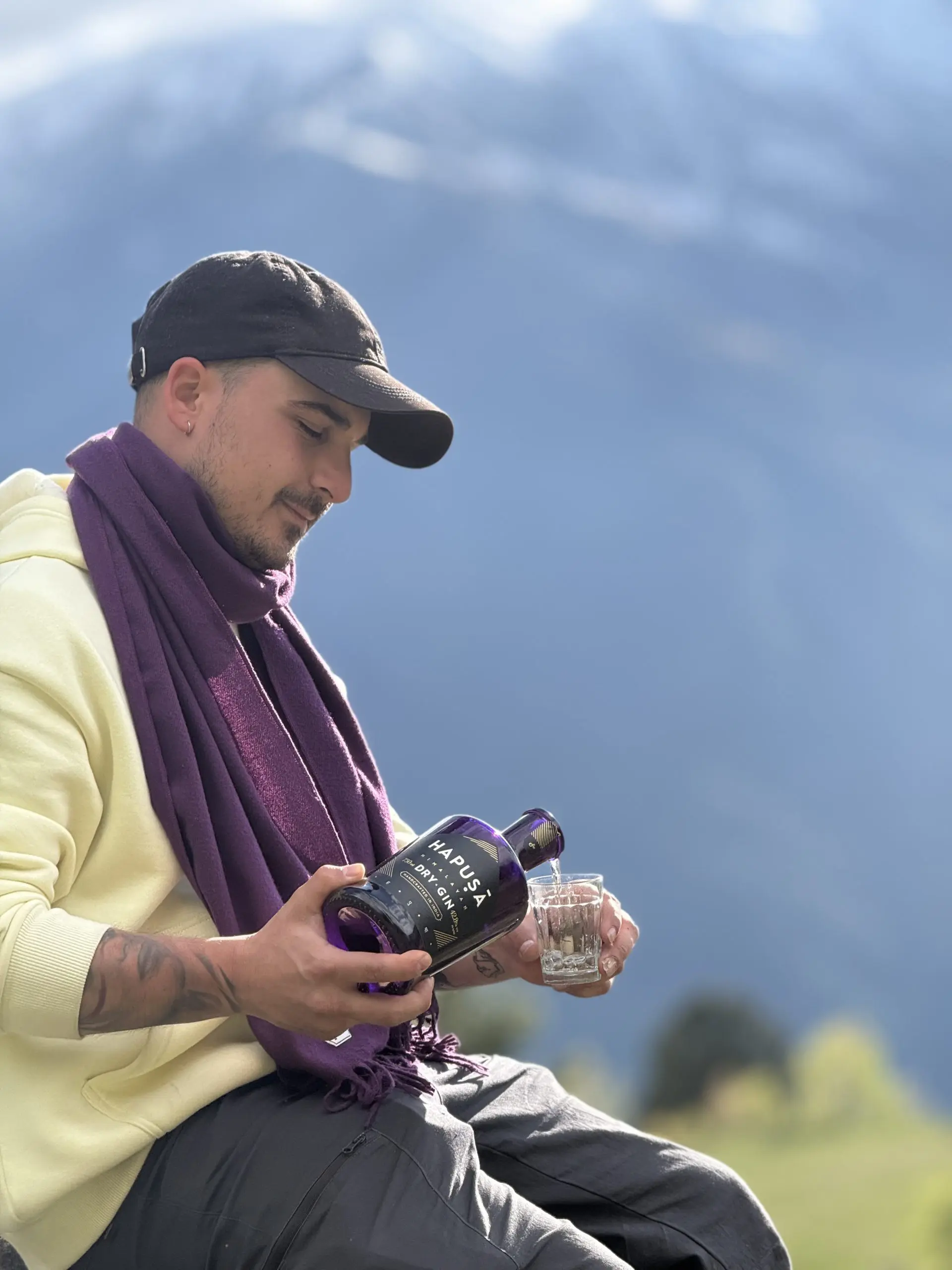
As the evening progresses and the mountains fade into silhouette, it becomes clear that the real value of the journey is not discovering a new cocktail ingredient or learning how juniper is harvested. It is understanding how a category found its voice.
Indian gin’s greatest achievement is not that it exists; it is that it no longer feels like an alternative. It feels definitive. The best examples do not imitate London, nor do they chase European validation. Instead, they embrace ingredients, flavours, and stories that could only emerge from India. That confidence may ultimately become the category’s greatest strength. Luxury has always been obsessed with provenance, craftsmanship, and a true sense of place. Standing in the Himalayas, gin in hand, surrounded by the wild botanicals that helped shape it, those ideas suddenly feel less like marketing jargon and more like something tangible: something you can smell in the air, and, occasionally, taste in a glass.
Read our gin issue here.