What it took for three Indian bars to make Asia’s 50 Best 2026
- Featured Spirits
 Anushka Manik
- 17 minutes read

India’s drinking culture has undergone a considerable makeover. It’s not just about downing the cocktail anymore. Drinkers today want to know what’s in their glass, where the ingredients come from and the story behind the pour. Bartenders are drawing on regional produce, local spirits and personal memories to create drinks that reflect the places they come from. And safe to say, the bar itself is the hangout spot now.
The transformation has been a long time coming. When Asia’s 50 Best Bars debuted in 2016, it gave the region’s drinking establishments a dedicated stage, recognising bars as destinations in their own right. The inaugural list, announced digitally, was topped by Singapore’s 28 HongKong Street, followed by Shanghai’s Speak Low and Tokyo’s High Five. Since then, the awards have travelled across the region, becoming a closely watched barometer of Asia’s cocktail culture.
In 2026, India’s presence on the list tells an interesting story about how the country’s bar scene is evolving. Three venues made the ranking: Boilermaker in Goa at No. 8, Soka in Bengaluru at No. 18, and Bar Spirit Forward, also in Bengaluru, at No. 30. While India had five entries in 2025, these three have returned for a second consecutive year, having all made their debut on the list in 2025. Boilermaker’s rise from No. 30 to No. 8 is particularly striking, earning it the title of Best Bar in India.
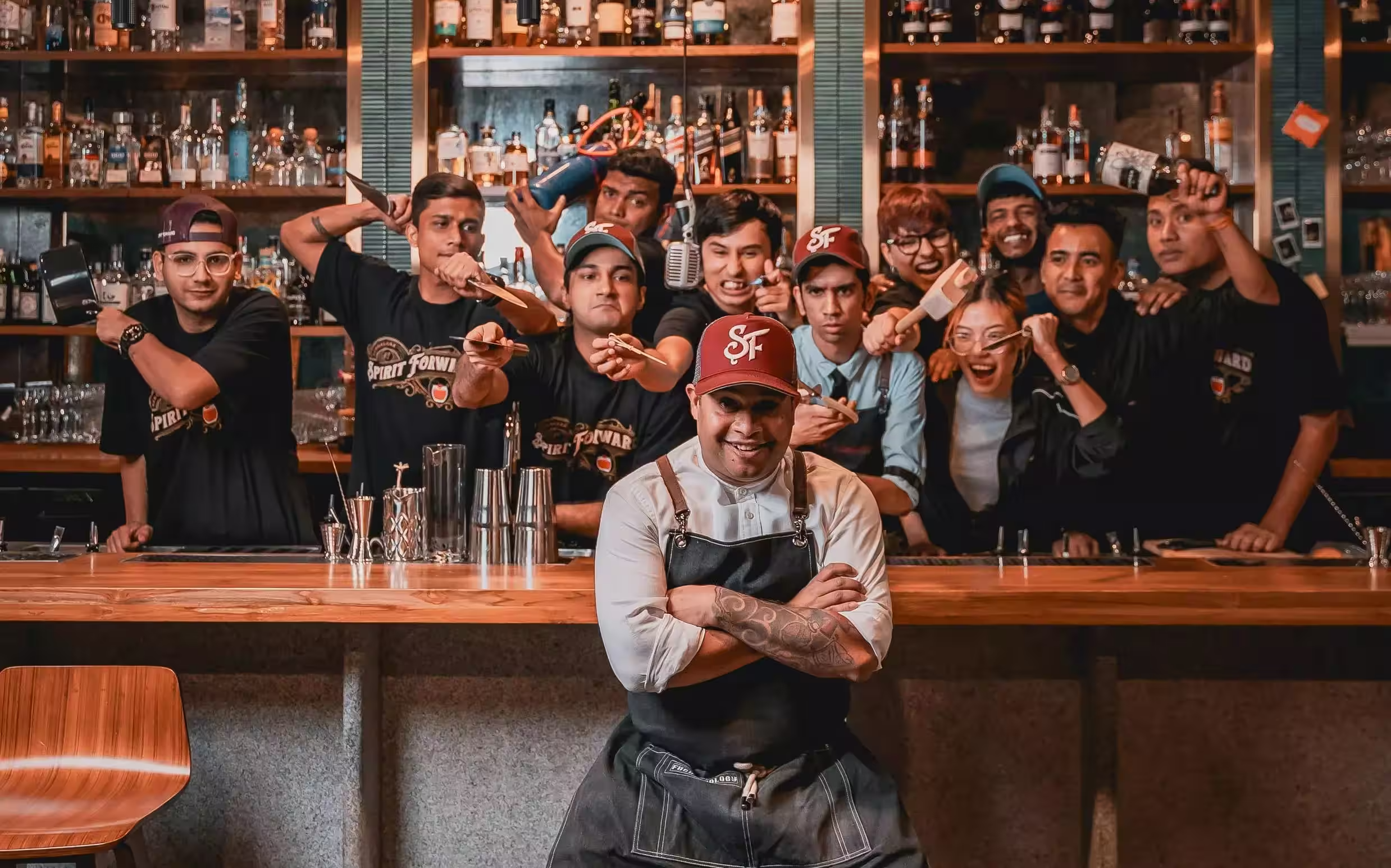
But a ranking can only tell you so much about what makes a bar worth returning to. As Arijit Bose of Bar Spirit Forward puts it, the magic extends well beyond the cocktail itself.
“We always express that a bar is 5% about what goes on in the glass, ‘creativity’ per se. However, 95% is what happens outside the glass. The ambience, music, hospitality, and a sense of familiarity and assured consistency is what makes a place great,” says Bose.
What’s Behind a Great Pour?
Take Boilermaker, which opened in late 2024 in Siolim, Goa. Co-founded by craft-beer entrepreneur Nakul Bhonsle and bartender Pankaj Balachandran, whose earlier venture Tesouro reached No. 4 on the 2022 list, the bar takes its cues from the susegad energy of a neighbourhood drinking den and has practically become a pilgrimage site if you’re visiting Goa. And as I sit here typing this, all I can think about is being transported straight to Siolim for a ‘Midnight Brekkie’.
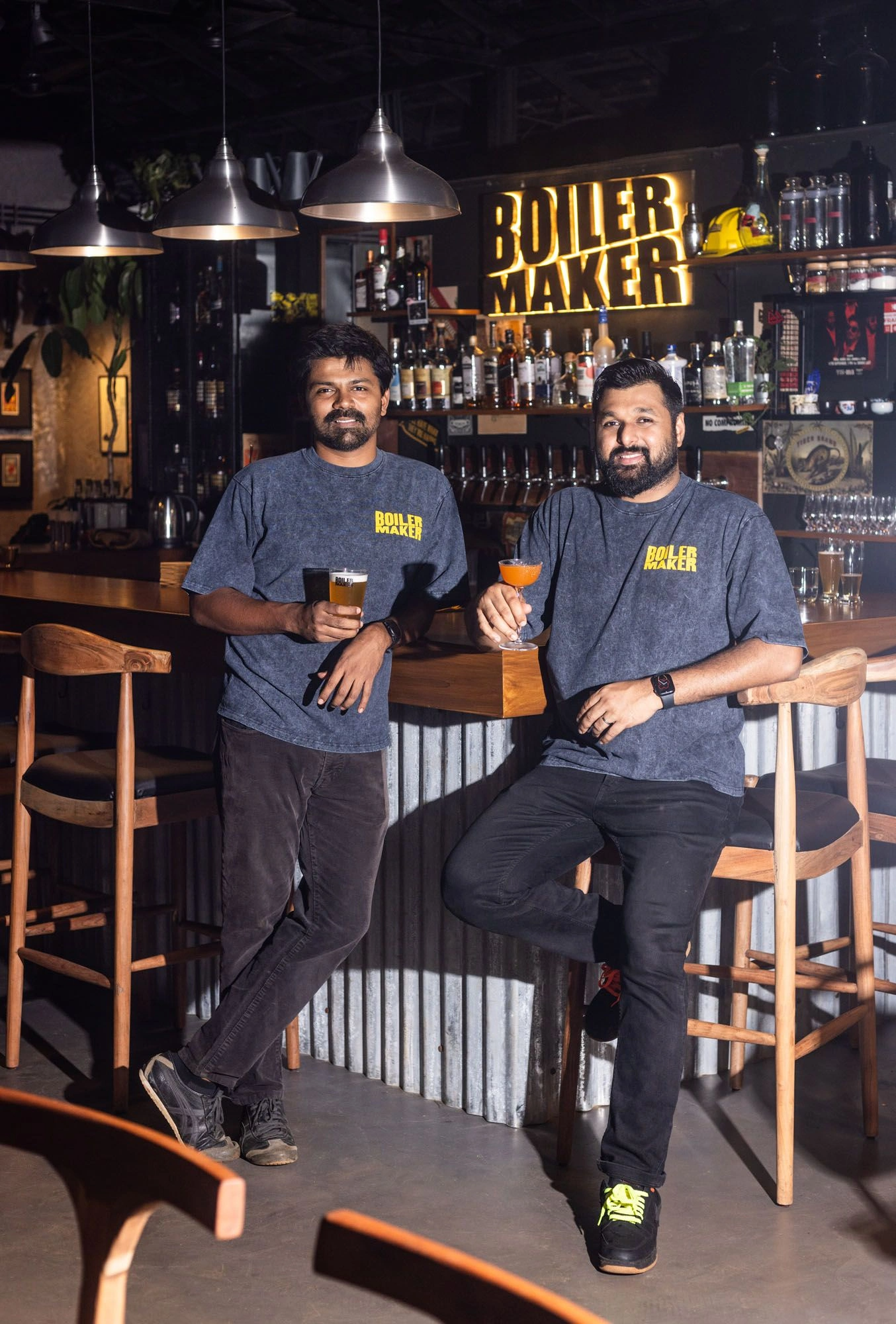
For Pankaj Balachandran, co-founder, Boilermaker, the strategy was less about chasing the idea of a world-class bar and more about creating one that felt unmistakably Goan. As he shares, “I think the biggest decision was choosing to be ourselves rather than building what we thought a world-class bar was supposed to look like. We felt Goa was beginning to lose a little of its original bar culture. A lot of places were becoming more polished, more expensive and more removed from the spirit of Goa. We wanted to go the other way. An open-air, slightly unruly, five-star dive bar where you could come as you are, have a great beer, a serious cocktail and feel completely at home. The second decision was to never confuse an informal experience with a lack of standards. The room can be relaxed, but the drinks, service, systems and consistency cannot be. Every guest deserves the same quality of hospitality, whether they’re an industry friend or walking in for the first time.”
Its leap into Asia’s top 10 is also a reminder that world-class hospitality does not really require a marble-clad counter or cocktails you can barely pronounce.
Bengaluru’s Soka presents a different kind of alchemy. Founded by chef Sombir Choudhary and Avinash Kapoli, the intimate Indiranagar bar draws on the city’s everyday characters, local ingredients and food memories to build a drinks programme with a POV that feels personal. “A popular bar is great for the ‘gram, but I think an influential bar changes how people think about what a bar can be”, shares Kapoli. “The drinks obviously have to be good, but it goes much beyond that; for example, at SOKA, everyone on the service team is a bartender first. They understand the drink, read the guest, and make the experience feel personal; the instinct hasn’t been manufactured for us, it comes naturally, and that matters just as much as what’s in the glass”, he adds.
He tells us that the bars he personally finds most interesting are the ones where all of those things have the same point of view. “You understand what they stand for without somebody having to explain it to you. And influence also comes from what you give back to the industry. Guest shifts, collaborations, sharing ideas, bringing people together. We built SOKA around our team and the people who walk through the door. Everything else has come from that.”
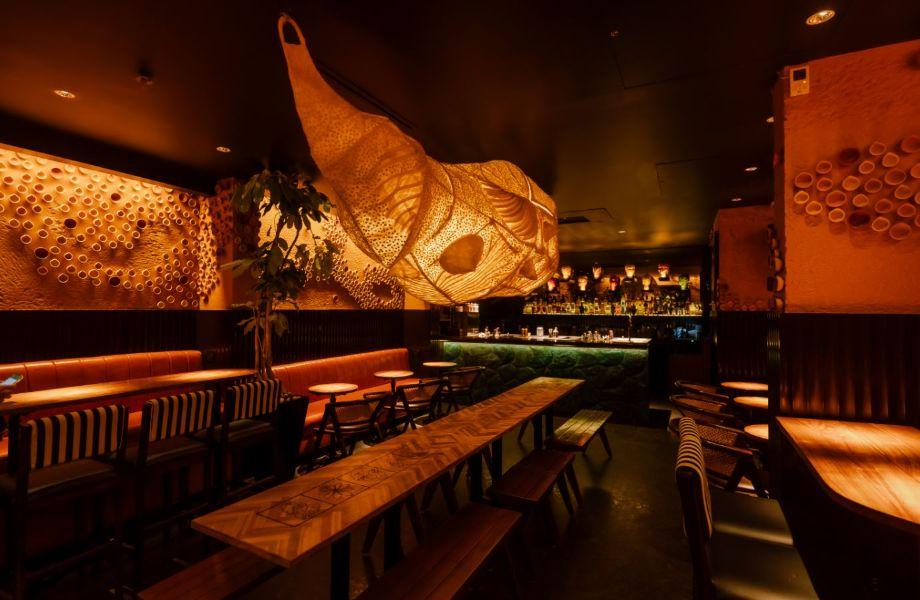
Delhi-based journalist Geetika Sachdev puts it rather well, “What I love about Soka is that despite being one of the country’s leading bars, it still feels like your neighbourhood haunt. It’s intimate, unpretentious and has that rare quality of making you feel like a regular, even if it’s only your third visit. The cocktails are genuinely inventive, too. The Mofo Don, made with red cabbage, is a favourite, and I love how they bring seasonal ingredients into the mix that you wouldn’t ordinarily expect to find in a glass.” She also tells us that the food deserves its own fan club. “There’s no hot kitchen, yet the kulcha with three kinds of pickles and the thecha prawn are reason enough to stay for another round. I think that’s what makes a great bar today: it has to offer more than a good cocktail; it has to give you a reason to linger. The staff are warm, the atmosphere is easy, and you can walk in alone without feeling like you’re waiting for someone. I’ve been about three times now, and Soka is always on my list when I’m in Bengaluru.”
Then there’s Bar Spirit Forward, backed by industry veterans including Arijit Bose, formerly of Countertop India, and the team behind Tesouro – for people who take their drinks seriously but themselves a little less so. The Vesper Martini arrives pre-diluted, frozen and poured straight from an icy bottle, while the Old Cuban marries rum, mint and citrus with a splash of prosecco – think a Mojito and a French 75 deciding to get together.
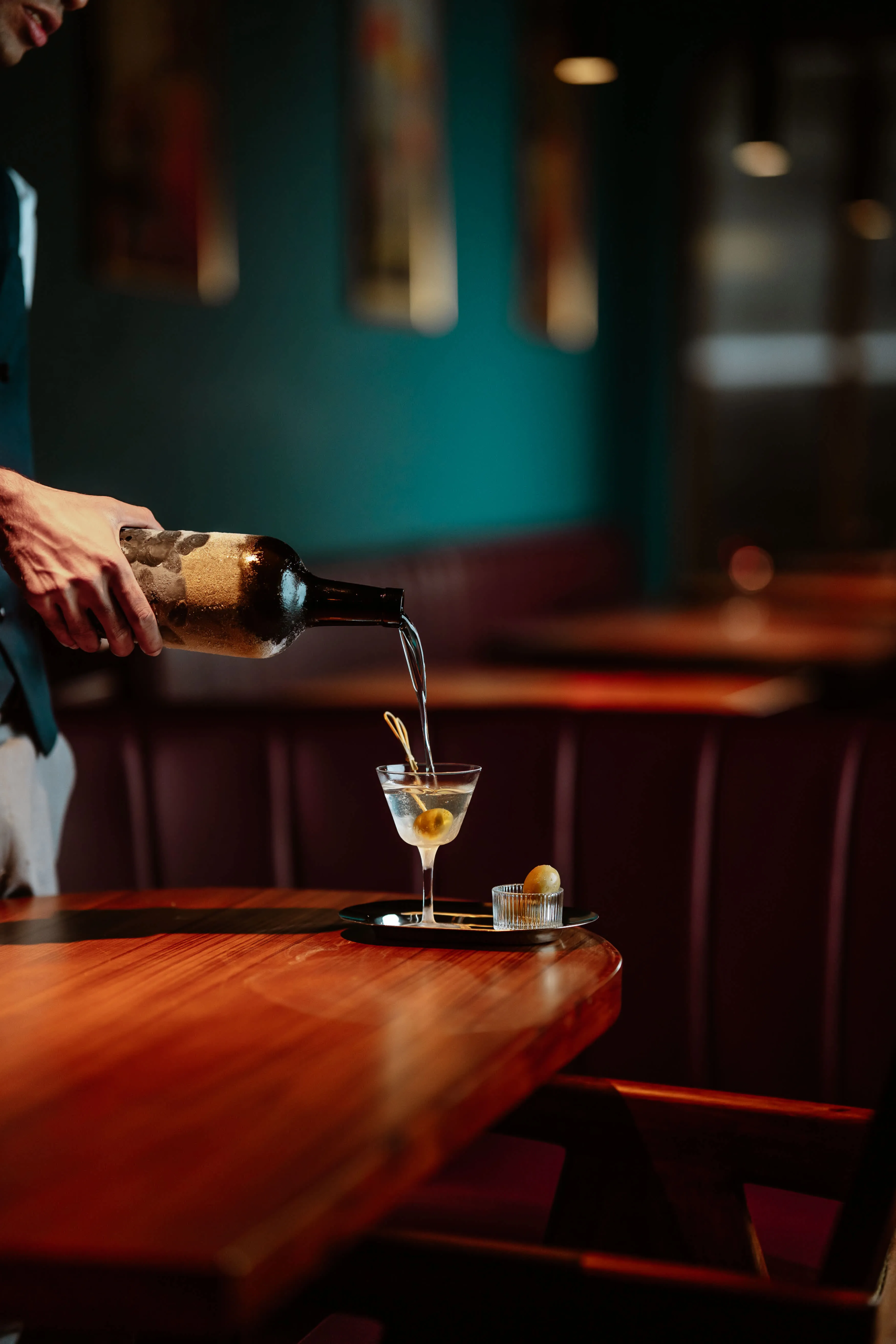
For Bose, though, the strategy was pretty uncomplicated – build a good neighbourhood bar, get the drinks right and make sure the people behind the counter know how to read the room as well as they know their recipes. “It should feel like a bartender’s bar, but one that guests enjoy just as much,” he says. And while there’s undeniable romance in the story of a tiny bar making it big, Bose believes the real work lies in what happens after the hype – maintaining consistency, delivering warm hospitality and keeping the place welcoming, and affordable enough for the city’s crowd to drop by after a long shift. Because even the people who spend their days making everyone else’s evenings need somewhere to unwind, have a drink and rant about their day.
“Our biggest decision was to not use awards as a yardstick but instead focus on building a space and a hospitality experience worthy of them. We wanted to operate at the level of the international bars we admire, creating a place that both consumers and the industry could enjoy and relate to, but also one where you could simply come to unwind after a long day. The cocktail programme was secondary to this vision, but no less important. Bringing it to life required buy-in from the entire team and our investors, who were incredibly supportive. Bengaluru isn’t cheap, and we didn’t want to position ourselves as a luxury destination. We wanted to remain approachable and build a bar that locals could visit two or three times a week. Every decision was made with that in mind”, shares Bose.
We also caught up with Vikram Achanta, Co-Founder of 30BestBarsIndia and Founder of Tulleeho, to decode what’s behind Bar Spirit Forward’s rise. His take? You shouldn’t have to choose between a cocktail that’s been thought through to the last drop and a night that doesn’t take itself too seriously. “What is interesting about Bar Spirit Forward is that it doesn’t force you to choose between a serious cocktail programme and a good night out. There is a tendency to think that if a bar is technically ambitious, it has to be formal or intimidating. Spirit Forward shows that you can be rigorous about the drink and still have a room that is lively and unpretentious. For me, that is an important shift in Bengaluru’s bar culture. The consumer is not necessarily looking for the most complicated cocktail; they are looking for a bar that gets the fundamentals right, gives them something worth coming back for, and makes the whole experience feel effortless.”
A Recipe for Recognition
The secret to making the list? Not making the list the whole point. For SOKA, the climb up Asia’s 50 Best Bars wasn’t about cracking a code or chasing a ranking. It was about building a bar people would want to return to and stay. “We wouldn’t call them strategic decisions in the textbook sense. It was more about knowing what we wanted SOKA to be and being disciplined about not losing that along the way. We built the team even before the space was completely finalised because, for us, the people behind the bar were always going to define SOKA more than anything else”, shares Kapoli.
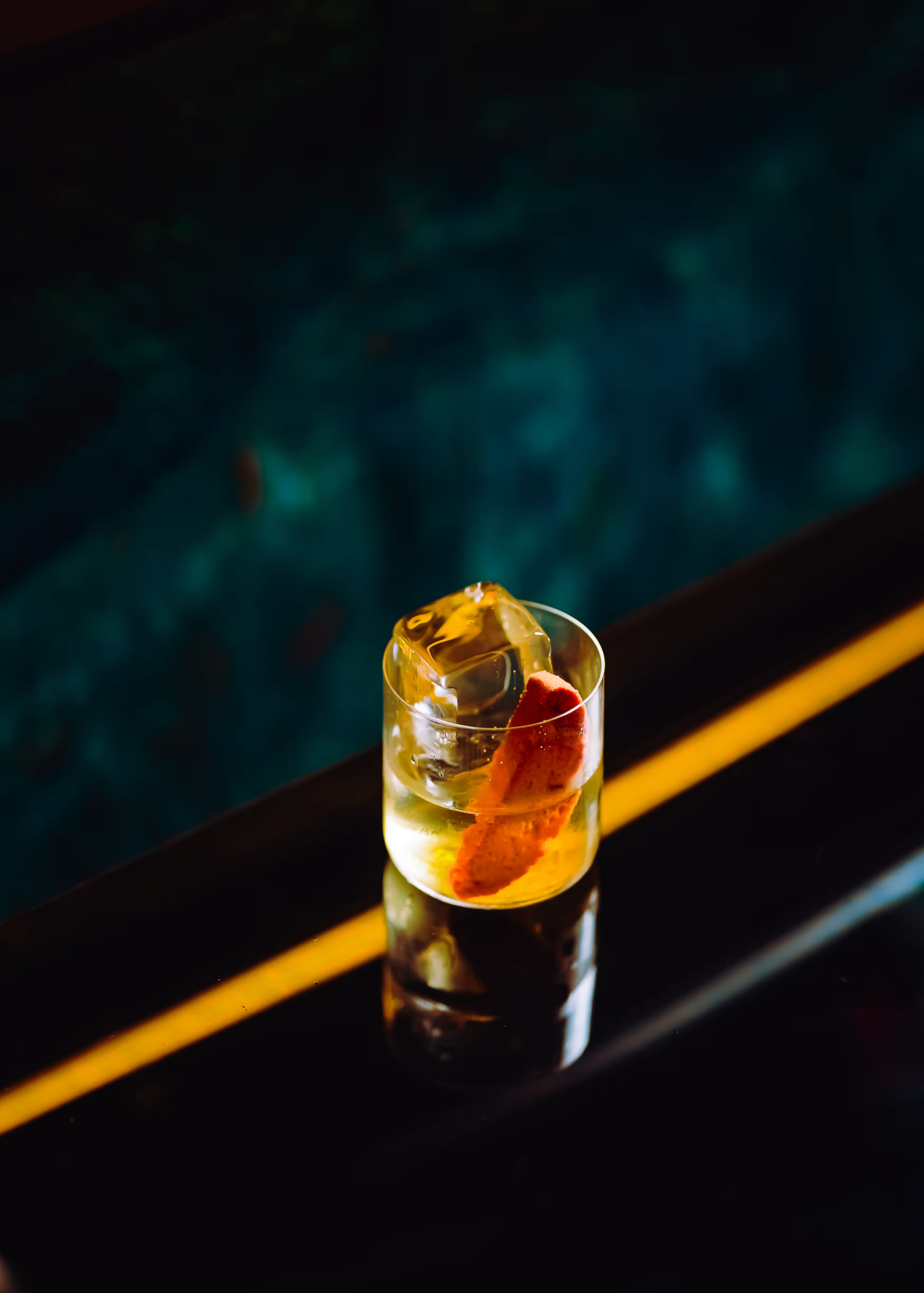
“We also knew early on that SOKA couldn’t just be about cocktails. Food, stories, collaborations, music and the way we host people – all of it had to belong to the same world. Both our IPs, Not a Bar Takeover and Sunday Rituals, have helped us build cultural exchanges globally while bringing so much more to our community. The learning hasn’t stopped. But probably the biggest decision was not chasing the list. You can’t reverse-engineer recognition; you have to build a bar people actually want to come back to. Moving from No. 28 to No. 18 on Asia’s 50 Best Bars, and reaching No. 2 on 30 Best Bars India, came down to the consistency of what we offer and, above all, the support of our community”, he adds.
Great cocktails might get people through the door, but it’s the people who make them want to stay. Bose believes the secret to building an award-worthy bar lies as much in nurturing a team and cultivating a loyal community as it does in what goes into the glass. “Retaining a great team takes constant effort. Activities and micro-events keep people engaged, give them opportunities to learn, and allow them to explore other interests and passions – all of which ultimately translates into a better guest experience. But above all, it’s not the lighting or the interiors that make a bar. Even the drinks account for only a small part of the overall vibe; it’s the community of regulars and loyal patrons who sit at the bar and create an atmosphere that makes the place larger than life. That’s what first-time visitors and tourists enjoy the most. In my 25 years in the bar industry, the places I’ve enjoyed visiting most have always been those where the regulars occupy the bar seats and the staff knows exactly what they like. It sounds easier said than done, but that, essentially, is the strategy and the reason we do what we do.”
“I think we’re sometimes taking technical complexity far too seriously”, believes Balachandran. “Fermentation, clarification, fat-washing, elaborate processes and clever ingredients are all fantastic tools. But the technique is not the drink. Sometimes the industry gets so caught up in explaining how something was made that we forget to ask whether the guest actually wants another one. I have enormous respect for innovation, but I don’t think a cocktail becomes more interesting simply because it took three days to make. If it doesn’t taste great, make sense in the setting and leave you wanting another sip, we’ve missed the point.”
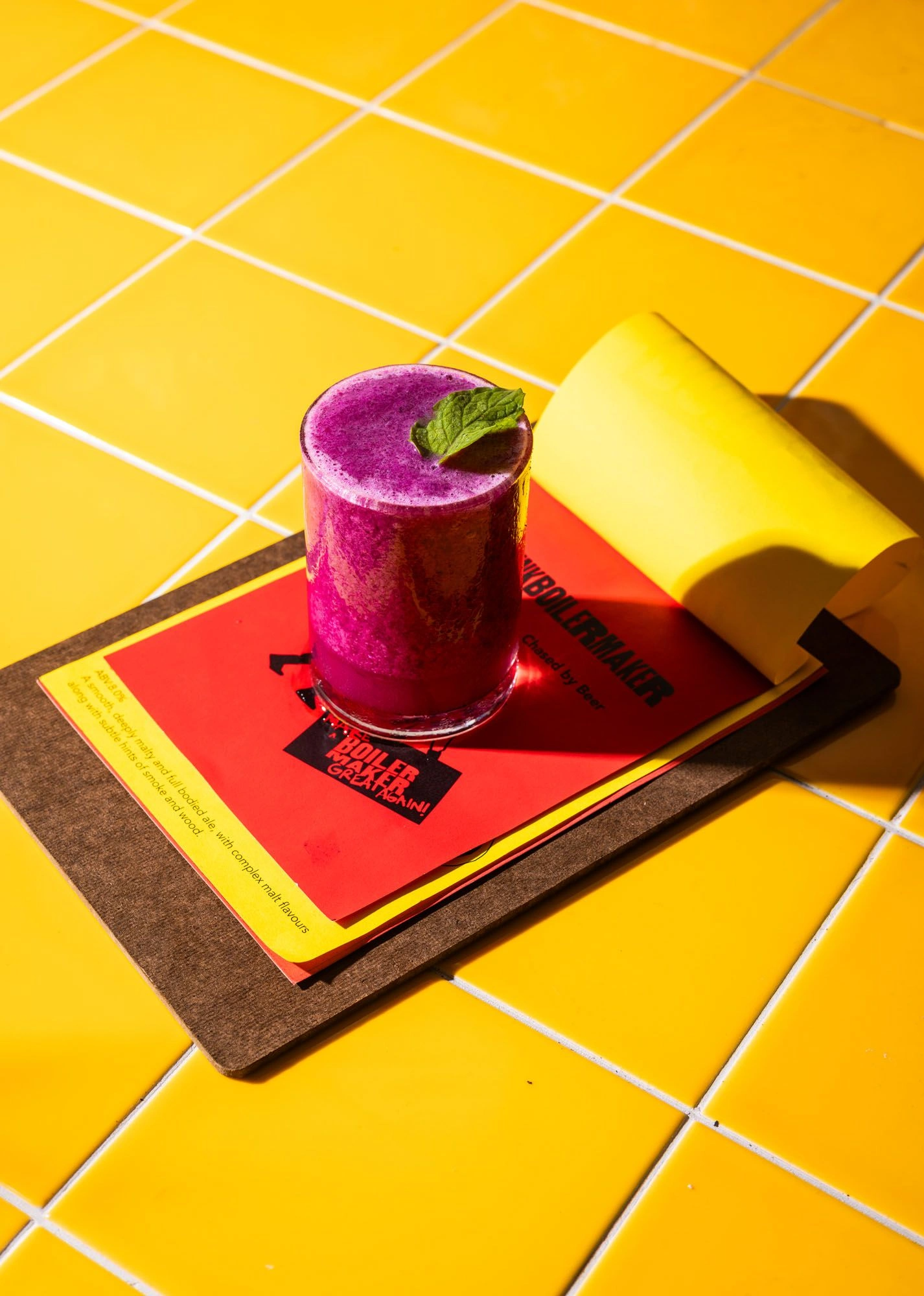
He also adds that the next few years are likely to be defined by a more confident use of local ingredients, regional drinking traditions and indigenous spirits, without these being treated as novelties. “India’s extraordinary pantry, from feni and mahua to regional fruits, spices and ingredients yet to find their place in contemporary drinking culture, is waiting to be explored more deeply.”
Perhaps that’s the real takeaway from India’s three entries on Asia’s 50 Best Bars 2026 – there is no single recipe for a great bar, and certainly no shortcut to becoming one. One might send you home dreaming about a midnight breakfast in Goa, another might make you rethink what belongs in a cocktail, while a third reminds you that sometimes all you really want is a perfectly made Martini and a bartender who knows when to keep you company & when to leave you alone. The rankings might get people through the door, but it’s the feeling they leave with that brings them back. And as India’s bar culture continues to find its own voice, perhaps the next big thing won’t be about making drinks more complicated or bars more exclusive. It’ll be about making the experience more personal. After all, a great bar gives you a good drink; but one that takes a spot in your heart gives you a reason to miss it before you’ve even left.
You may also read: The bottles defining luxury gifting this festive season