Chintz: The Indian fabric that had France in a flutter
- Fashion Featured
 Anushka Manik
- 8 minutes read

More than three centuries ago, vividly printed cotton textiles from the Coromandel Coast began arriving on European shores. From royalty and aristocrats to designers, everyone was hooked. Known as chintz (derived from the Hindi word chheent), meaning “sprinkled” or “spotted”, these hand-painted and block-printed cottons became one of India’s earliest global luxury exports, so coveted that France and England eventually banned their import to protect domestic textile industries. Today, centuries later, chintz has found itself back on one of fashion’s most prestigious stages.
Jonathan Anderson’s second haute couture collection for Dior may have been unveiled in Paris, but some of its most compelling references lead directly back to Ahmedabad, reaffirming how India’s textile heritage continues to inspire the language of contemporary luxury.
The story of chintz begins in India between the 16th and 17th centuries, although resist-dyeing, mordant painting and hand block-printing traditions had flourished across Gujarat, Rajasthan and the Coromandel Coast for centuries before European traders arrived.
Produced primarily in Masulipatnam, Srikalahasti and later Gujarat, chintz was distinguished by brilliantly coloured floral motifs achieved through an extraordinarily complex process involving natural dyes, hand painting, wooden block printing, repeated washing and sun bleaching. Unlike European printed cottons of the period, Indian artisans mastered techniques using madder root for reds, indigo for blues, turmeric for yellows and iron acetate for blacks, fixing colours with alum mordants that allowed fabrics to retain their vibrancy for decades. European manufacturers simply could not replicate the colourfastness.
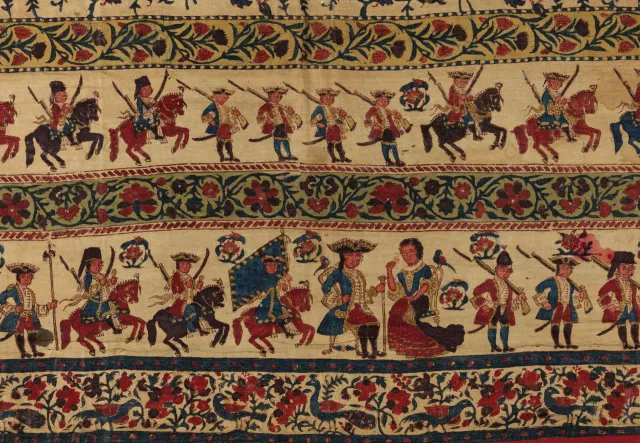
When Portuguese traders first introduced chintz to Europe in the early 1600s, demand exploded. By the late seventeenth century, the Dutch East India Company (VOC) and the British East India Company were importing millions of metres of Indian cotton annually. Safe to say, Chintz became the fabric of choice for everything from gowns and waistcoats to bed hangings, upholstery and wall coverings. Its popularity became so overwhelming that European silk and wool manufacturers protested fiercely.
France introduced restrictions on imported printed cottons in 1686, while Britain followed with the famous Calico Acts of 1700 and 1721, effectively banning most printed Indian cottons to protect domestic industries. Ironically, these bans only increased demand, with smuggled Indian textiles becoming symbols of sophistication among Europe’s elite. Many historians regard chintz as one of the earliest examples of a global luxury phenomenon.
Beyond commerce, chintz also represents a fascinating cultural exchange. While European designers adapted Indian motifs into their own decorative traditions, the original Indian techniques remained rooted in regional craftsmanship. Gujarat, in particular, emerged as a crucial centre for textile innovation, with cities like Ahmedabad becoming important hubs for textile trade, design, and preservation.
From Ahmedabad to Paris
Centuries later, Indian chintz is now influencing the global luxury fashion. Jonathan Anderson’s second haute couture collection for Dior, presented in Paris, found one of its most compelling inspirations not in Europe, but in Ahmedabad’s rich textile heritage.
Titled “Grammar of Forms” for Fall/Winter 2026–2027, the collection explores the relationship between sculpture, fabric, and the human body. While Anderson looked to celebrated American sculptor Lynda Benglis as a central creative reference, Benglis’ own longstanding connection with India, particularly Ahmedabad, became an unexpected thread within the collection’s narrative.

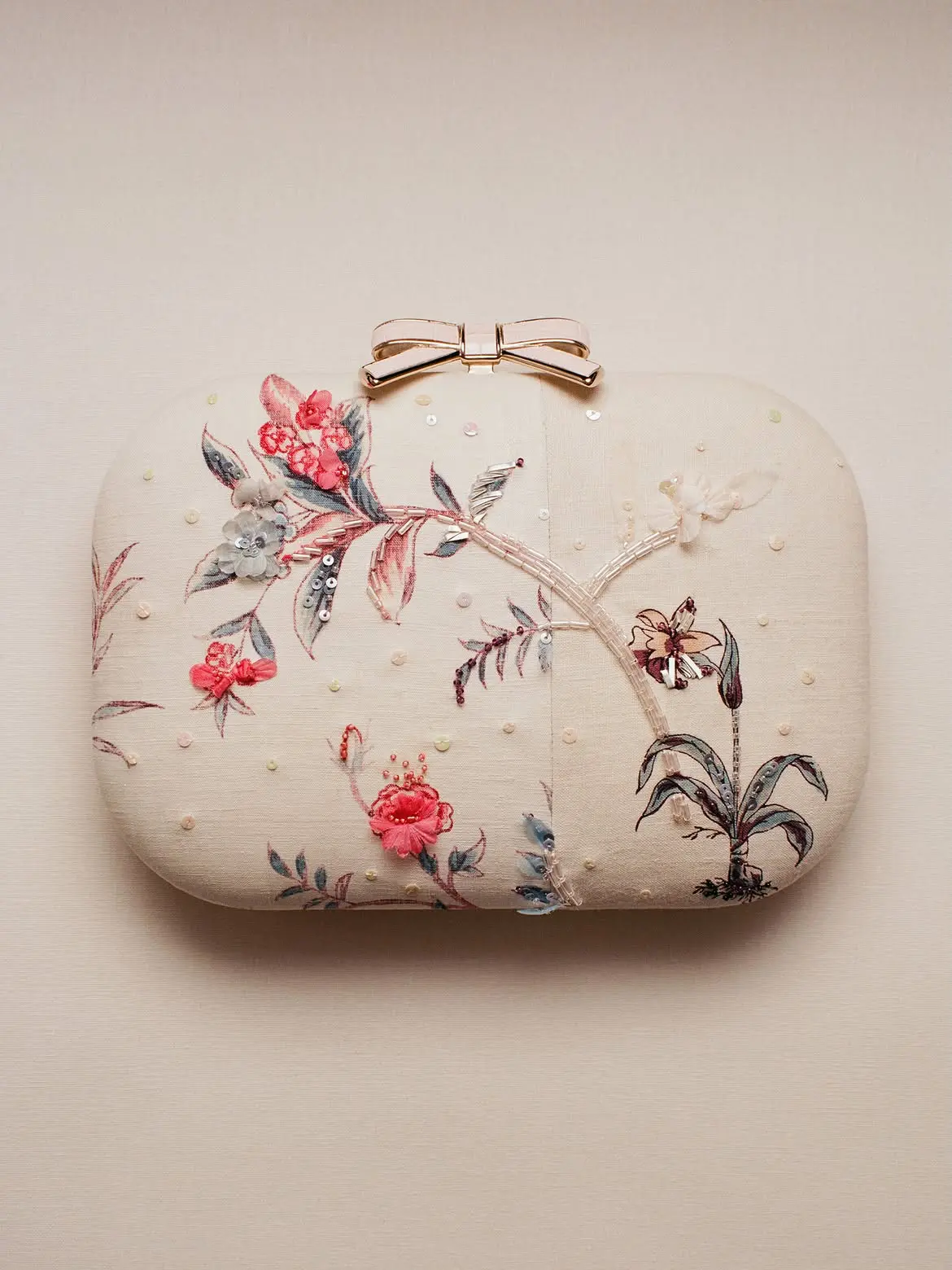
We noticed weaving references to historic chintz textiles and Jaipur’s gemstone carving into the collection’s accessories and embellishments. Floral motifs inspired by hand-painted Indian chintz appeared across couture looks and extended onto sculptural handbags, echoing the botanical vocabulary that made Indian printed cottons one of Europe’s most coveted luxury exports in the 17th and 18th centuries. Jewellery, meanwhile, celebrated India’s lapidary heritage through hand-carved green onyx, rock crystal, mother-of-pearl and carnelian, paired with braided dori details reminiscent of traditional Indian craftsmanship.
The show’s scenography also drew from the architectural traditions of two places that have profoundly shaped artist Lynda Benglis’ practice – Gujarat, India, and Santa Fe, New Mexico. Set within the gardens of the Musée Rodin, the open-sided pavilion featured a mirror-polished marquetry floor, with the reflective effect extending across the ceiling and rear wall to create the illusion of infinite space. Rows of tree ferns were arranged throughout the seating area, echoing the fern motifs woven into the collection.

French maisons have long drawn from Indian textile traditions. Christian Dior himself had a deep appreciation for Indian aesthetics, with the house frequently exploring Indian-inspired embroidery, floral motifs, and craftsmanship through couture collections. Under designers like Maria Grazia Chiuri, Dior has collaborated with Indian artisans and incorporated techniques such as embroidery, mirror work, and traditional craftsmanship into its collections.
Beyond Dior, luxury maisons like Chanel, Valentino, and Schiaparelli have also explored Indian embroidery, embellishment, and artisanal techniques in couture and ready-to-wear collections.
But today is all about chintz, and its awesome journey from Ahmedabad’s textile traditions to the ateliers of Paris.
Read our Indo-French issue here.