How France shaped Indian wine

N. Deepali
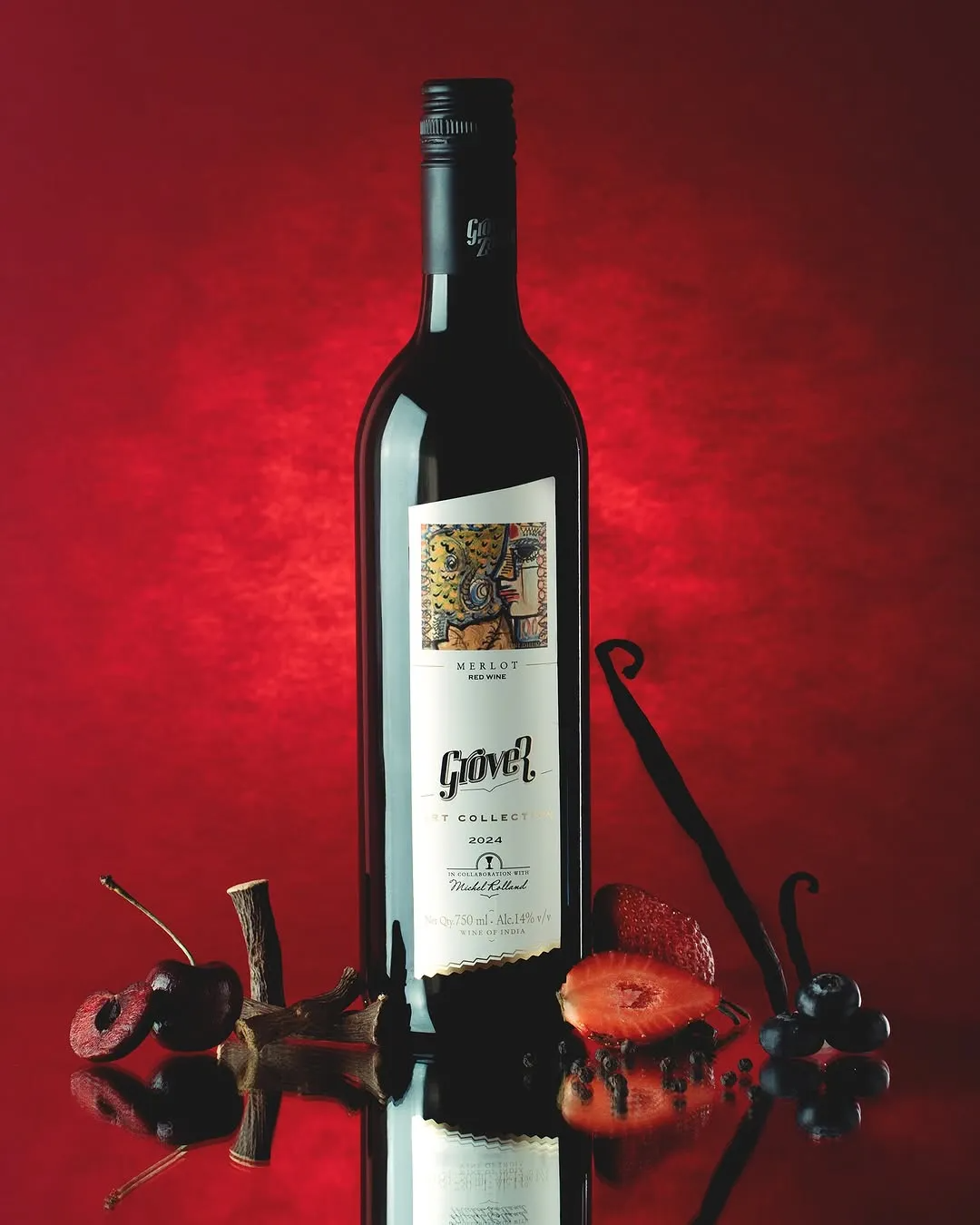
It was the 1960s. 1962, maybe. Kanwal Grover, a Bangalore-based entrepreneur, was importing French machinery and tooling for India’s defence and space programmes. The work took him to France often, and there he acquired a taste for French wine. On one such trip, he met Georges Vesselle, then technical director at GM Mumm, a champagne house in Remis, France. A conversation led him to invite Vesselle to Bangalore to explore the idea of planting vineyards at the foothills of Nandi Hills on the city’s outskirts.
Clearly, Grover Wines laid the foundation of the modern Indian wine industry, earning Kanwal Grover the title of the father of Indian viniculture. Yet Vesselle’s contribution was just as significant. Together they experimented with 33 French grape varieties across several sites before settling on Nandi Hills, searching for grapes that could survive India’s tropical climate while retaining quality. Grover Zampa, as the company is now known, released its first vintage in 1992. The technique was unmistakably French, the terroir Indian, a partnership that would shape the future of Indian fine wine.
More than three decades later, that founding logic still lingers, though in a different form. “France remains deeply embedded in the vocabulary of Indian wine,” says Sonal Holland, India’s first Master of Wine. “It shaped the grape varieties we planted, the techniques we adopted and, perhaps most importantly, our understanding of quality.”
Yet, today’s resemblance is structural rather than literal. French grapes behave differently under Indian conditions. “Chenin Blanc becomes riper and more tropical, Sauvignon Blanc turns fruit-forward rather than herbaceous, while Syrah develops generous black fruit and spice,” she says. “The French influence is most evident in the wine’s architecture, but its personality is increasingly Indian.”
The Indo-French partnership did not end with Vesselle. The next major figure was Michel Rolland, Bordeaux’s celebrated “flying winemaker.” Raised at Château Le Bon Pasteur in Pomerol and among the world’s most sought-after consultants, Rolland joined Grover in 1995 after initially doubting whether serious wine could be made in India. He brought Bordeaux benchmarks, blending discipline and technical systems that a young wine region lacked.
His signature was La Réserve, a Bordeaux-style blend built around Cabernet Sauvignon and oak ageing. More than a successful wine, it signalled that Indian producers could aspire to international standards. Rolland’s legacy was less about creating a single label than establishing a culture of quality and precision.
The French connection also shaped Grover’s growth. In 2012, Grover Wines merged with Nashik-based Vallée de Vin to become Grover Zampa. Six years later, the relationship came full circle when stakeholders of Grover Zampa acquired Château d’Etroyes in Burgundy’s Côte Chalonnaise, complete with its 16th-century manor and vineyards. The Grover family today holds only a minority stake, with institutional investors managing the company. By then, an Indian wine company owned a Burgundy estate, and the Indian wine story had begun buying back into France.
When Chandon came to Nashik
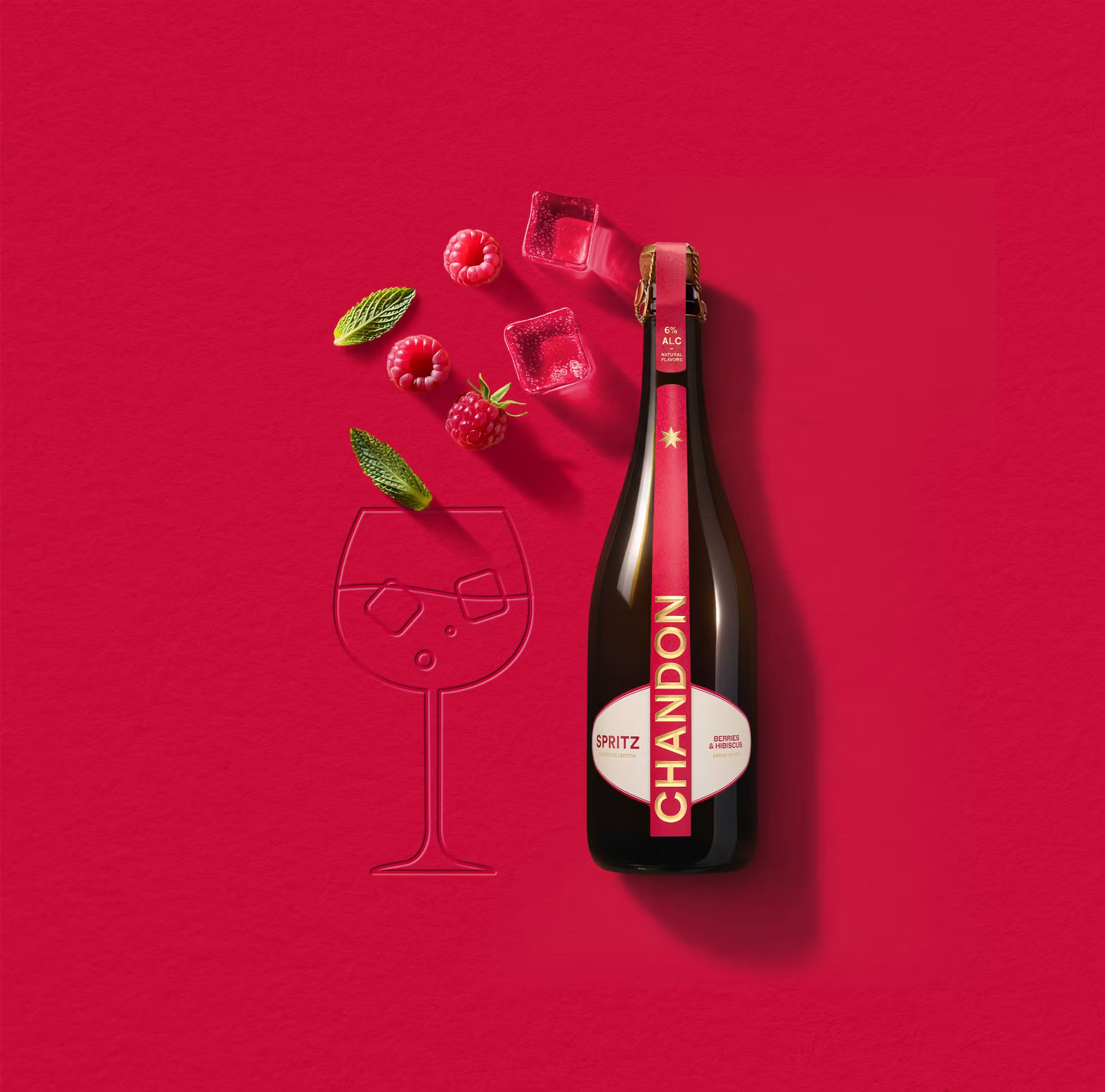
While Grover was borrowing from Bordeaux and Burgundy, another French giant was making a direct bet on India. In 2010, LVMH’s wine and spirits division, Moët Hennessy, sent Tony Jordan, chief winemaker at Chandon Australia, to identify a suitable Indian wine region. He chose Dindori in Nashik, where Chenin Blanc, Chardonnay and Pinot Noir were planted for traditional-method sparkling wine. Initial production relied on rented facilities before Chandon India released its first wines in 2014 and inaugurated its own winery two years later.
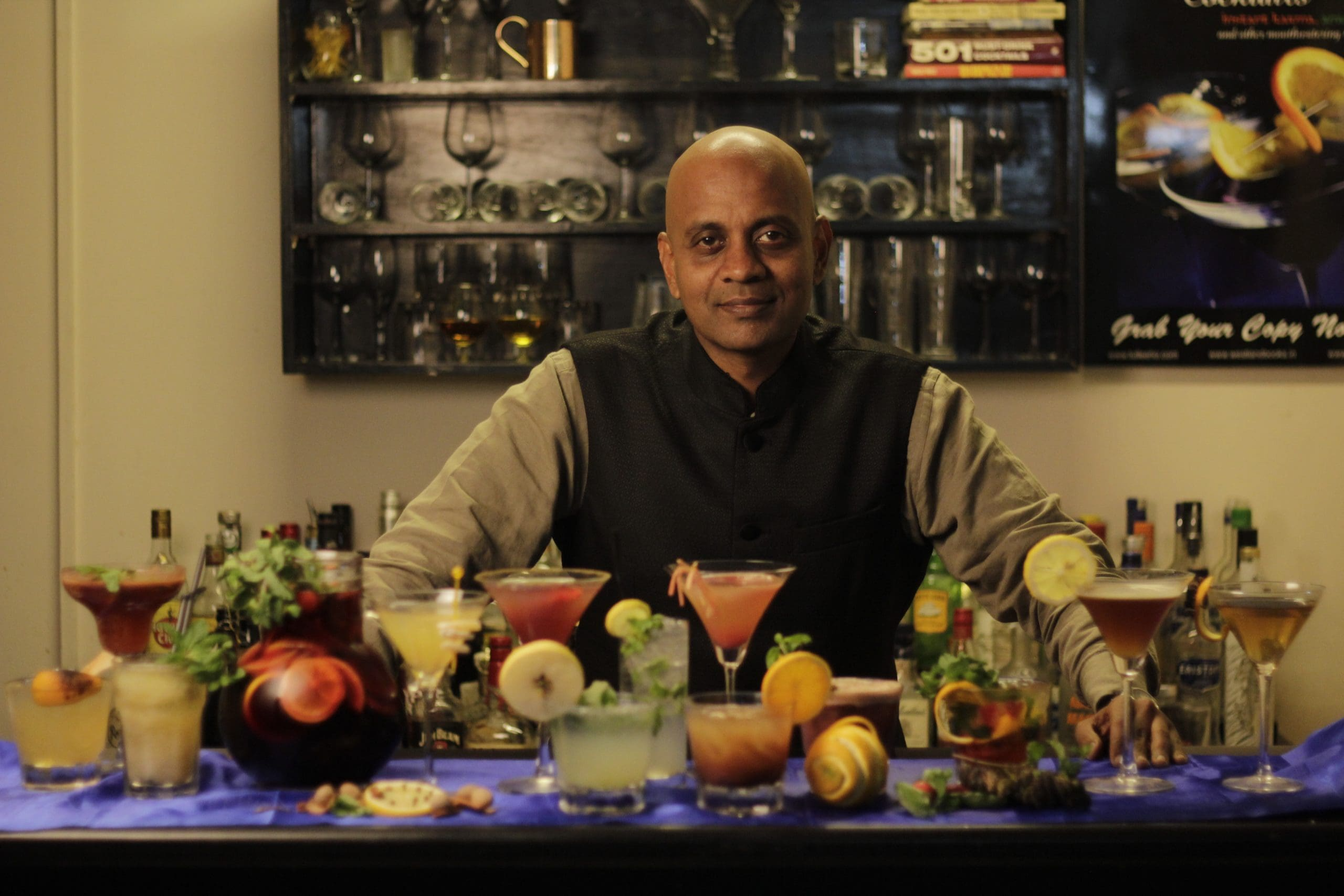
Few people watched that journey more closely than Nikhil Agarwal, founder of All Things Nice, who had earlier worked with both Sula Vineyards and Moët Hennessy India. Having seen both companies from within, he describes two contrasting philosophies. Sula never wanted to look or sound French. Although its wines were made largely from French grape varieties, the brand deliberately projected an Indian identity, avoiding intimidating tasting notes or elaborate rituals. Its imported labels complemented rather than overshadowed its domestic portfolio.
Moët Hennessy, on the other hand, arrived with an aspirational luxury portfolio and the marketing muscle to create desire around it. Bars, restaurants and luxury hotels wanted Dom Pérignon, Hennessy, Glenmorangie, Belvedere and Cloudy Bay almost immediately. “Everyone at the time believed that the market would grow exponentially,” Agarwal recalls. “And it has.”
Two decades on, the world’s view of India has barely changed. It remains one of wine’s biggest long-term opportunities, a young market where even consumers unfamiliar with wine recognise names like Bordeaux, Burgundy and Champagne.
The trajectory changed in 2024.
Moët Hennessy sold its 19-acre Dindori estate to Sula Vineyards, ending local production while continuing to distribute Chandon through imports. The company has not commented on the reasons behind the decision, though many in the industry see it as a strategic move to exit manufacturing while retaining a premium presence.
Holland believes the deal has often been misunderstood. The transaction involved the land, winery and production infrastructure, and not the Chandon brand itself. “It should not be interpreted as a French retreat,” she says. Instead, she sees it as a judgement on India’s sparkling wine market, where consumption still trails red wine by a considerable margin. For Sula, however, the acquisition represents something more significant: an Indian producer taking over world-class infrastructure built to international standards.
“The real story is not a change in ownership, but a transfer of capability,” Holland says. “That is a hallmark of a maturing wine industry.”
Agarwal agrees, though with more emotion than analysis. Moët Hennessy, he says, made a beautiful sparkling wine at Dindori, and something valuable disappears with its departure. Yet the estate itself remains one of India’s finest wine properties. Under Sula, he expects it to become an even stronger destination for wine tourism, potentially with a boutique hotel that builds on Nashik’s growing reputation as India’s wine capital.
For Vikram Achanta, founder of Tulleeho and one of India’s leading beverage educators, the impact on consumers will be subtle. Ownership may have changed, but Chandon’s identity remains unmistakably French. The flavour profile and quality expectations associated with the label are unlikely to shift dramatically, even if the way it is presented to Indian consumers evolves.
The immediate winner, however, is Sula.
“Commercially, it strengthens our premium portfolio, expands our production capabilities, and gives us access to world-class infrastructure,” says Gorakh Gaikwad, COO and Chief Winemaker at Sula Vineyards. “It also presents an opportunity to continue developing wine tourism in India by building on the estate’s legacy and potential.” Sula Vineyards wine tourism model is one of the sophisticated, and perhaps the only one in the homegrown wine and spirits industry that revolves around resorts, vineyards and wine experiences, in the bucolic countryside of Nashik, which attracts connoisseurs, wine enthusiasts, and travellers alike.
Creating an Indian terroir and identity
Sula’s own relationship with France began long before it acquired the Dindori estate. Its early identity was built on Chenin Blanc, the Loire Valley grape that became India’s defining white wine, alongside other French varietals chosen for their ability to adapt to Nashik’s climate.
“In the late 1990s and early 2000s, India had limited experience with quality wine grape cultivation,” says Gaikwad. “Chenin Blanc stood out because of its versatility, resilience and ability to retain freshness even in warmer conditions.” The goal was straightforward: produce clean, approachable wines that could introduce Indians to the category. Reliable yields and fruit-forward flavours made Chenin Blanc the ideal foundation, helping establish Nashik as India’s first credible wine region.
Over time, however, the grape became something its French custodians might never have imagined. “Chenin Blanc has become one of the most recognisable styles of Indian white wine,” says Holland. It is no longer simply a borrowed variety but one that has acquired an Indian identity, expressing itself through riper fruit and softer textures than it does in the Loire.
Sula applied that thinking to its sparkling wines. Traditional French methods remained the benchmark for craftsmanship, but imitation was never the objective. “Our focus has always been on expressing the character of Nashik’s vineyards and India’s climate,” says Gaikwad. The wines have gradually evolved towards brighter fruit, vibrant freshness and a style that pairs naturally with Indian cuisine, while still retaining the discipline associated with traditional sparkling wine.
For Holland, those early French grapes gave Indian producers and consumers a shared language. Sauvignon Blanc, Chenin Blanc and Shiraz offered familiar reference points at a time when the country’s wine culture was still taking shape. Today, however, Indian producers are well-equipped to understand what varietal works here and create wines that work with the climate and people’s palette. Shiraz has proved particularly well suited to several Indian regions, while Chenin Blanc has become one of the country’s signature styles. Others may require different sites, clones or viticultural practices to truly succeed.
France’s most enduring contribution, Holland believes, goes beyond grape varieties. “The greatest legacy France left behind is not just a production method, but a culture of precision,” she says. Great sparkling wine demands meticulous decisions at every stage, from harvesting grapes at the right acidity to blending, secondary fermentation, lees ageing and dosage. Chandon also helped reposition sparkling wine in India, encouraging consumers to enjoy it beyond weddings and celebrations, pairing international expertise with Indian-grown fruit to create wines that felt both familiar and contemporary.
Gaikwad readily acknowledges that influence. French expertise, he says, has raised standards across the industry in vineyard management, canopy practices, barrel ageing and cellar techniques. French oak continues to play an important role in several of Sula’s premium wines, adding structure and ageing potential. But the market those wines serve has changed.
France remains one of wine’s strongest symbols of quality. Bordeaux, Burgundy and Champagne continue to hold enormous prestige among experienced consumers. Yet younger drinkers are making different choices. “They judge a wine by its taste, story, occasion and value rather than its passport,” Holland says. “They admire France, but they don’t assume every French wine is automatically better than every Indian one.”
Beyond the French model
That confidence is beginning to appear where it matters most. Holland, who curates wine programmes for luxury hotels and Air India, says French wines still occupy the pinnacle of prestige, while Indian wines are increasingly earning space alongside them. The country’s best Syrahs and Cabernet blends have won international medals and are proving they belong on premium wine lists. “The hierarchy hasn’t disappeared,” she says, “but it has become far less rigid.” Increasingly, the question is not whether an Indian wine can stand beside a French one, but which wine best suits the guest, the cuisine and the occasion.
Agarwal sees the same shift from the judging table. Having tasted Indian wines blind at Decanter and other international competitions, he believes they inevitably carry echoes of their French origins because almost all are made from French grape varieties. Yet wine is shaped as much by place as by grape. India’s warmth and consumers’ preference for fruit-forward styles have created wines with a distinct accent of their own.
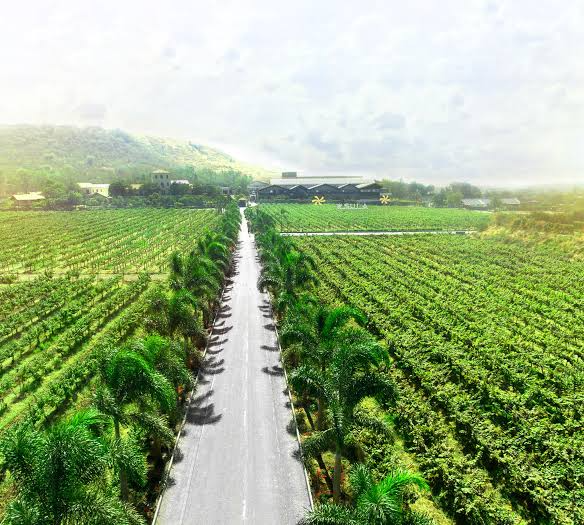
That accent is now travelling. Indian wines appear on Michelin-starred wine lists and in specialist wine shops overseas, while international curiosity continues to grow. As Indian cuisine expands across the world, Agarwal believes Indian wine will increasingly follow. Restaurants serving Indian food will eventually want Indian wine to complete the experience.
Even as Indian producers become more confident, the question of how the industry should evolve remains open. Unlike France, India has no comprehensive appellation system linking geography, quality and production standards.
Holland believes that freedom was invaluable in the industry’s formative years. Without rigid rules, producers were able to experiment with grape varieties, growing regions and winemaking styles until they discovered what suited Indian conditions. But maturity brings different needs. Nashik Valley has geographical indication status and India has labelling regulations, yet consumers still lack a clear framework that communicates provenance and quality.
“India doesn’t need to replicate the French appellation system,” Holland says, “but it can certainly learn from it.” A practical framework that protects regional identity, encourages traceability and establishes quality benchmarks would strengthen Indian wine without limiting innovation.
Agarwal is less convinced. India, he argues, should resist copying France too closely. Good wine is already being made in Nashik and around Nandi Hills, but he would rather see greater experimentation in new regions and more winemakers pushing standards higher. As for appellations and rigid hierarchies, he believes India is still too young—and perhaps too different—to benefit from them.
Gaikwad sees opportunity in collaboration instead. Wine education remains one of the industry’s greatest needs, with producers, universities and research institutions working together to train viticulturists, winemakers, sommeliers and educators. Climate adaptation, water management and sustainable viticulture are areas where Indo-French collaboration could become even more valuable. France’s long experience with regional identity also offers lessons as Indian wine regions begin to define themselves more clearly.
For Achanta, France will always be the starting point for anyone learning about wine. Cabernet Sauvignon, Chardonnay, Merlot, Sauvignon Blanc, Pinot Noir, Syrah and Chenin Blanc all trace their histories to France or were shaped by its traditions. Understanding them provides the foundation for appreciating terroir, food pairing and classical winemaking. But wine education today is far broader than it once was, embracing Italy, Spain, Australia, South Africa, the Americas and increasingly India itself. “The foundation remains French,” he says, “but the perspective is much broader today.”
Climate may ultimately reshape that relationship. France’s accumulated knowledge of vineyard management, blending and balance remains invaluable, yet Indian viticulture operates under tropical, monsoon-driven conditions unlike anything in Europe. Holland believes India’s future challenges—heat, disease pressure, irrigation and unpredictable rainfall—may have as much in common with Australia, South Africa or Brazil as with Bordeaux or Burgundy. “France should remain one of India’s great teachers,” she says, “but the Indian vineyard itself must become the final authority.”
Writing India’s own story
Ask Holland how large France will loom in another decade, and her answer feels like both acknowledgement and farewell. France gave Indian wine its founding grape varieties, technical benchmarks and early understanding of quality. French consultants, educators and winemakers helped build an industry that barely existed a generation ago.
She says that Indians will create wines that work best for its climate, soil, cuisine and consumers. The grape names may remain French, but the wines should increasingly express Indian terroir, tropical growing conditions, winter ripening and the freshness demanded by Indian food. “The greatest success of Indo-French collaboration will not be creating French wines in India,” she says. “It will be using French knowledge to help India express its own identity.”
Then comes the thought that perfectly encapsulates the journey of the industry itself: “France gave us the language of wine; India must write its own story.”