Paris and Jodhpur: Of jewels, jodhpurs, and art-deco palaces
- Fashion Featured
 Yashita Damani
- 10 minutes read

There are those relationships that start with a treaty, and others with trade. But the one between Paris and Marwar, you might say, was born of a look.
Consider the jeweller eyeing a gem he had no notion could be brought into existence. The horseman making his way across a far-off continent in attire that would come to change the very language of fashion. Or an architect under a desert sky with visions of a palace for both the modern world and Rajasthan.
It is a story well over a century old now, but it has a way of lingering, much as perfume clings to a silk collar and can not be told apart from the fabric.
On the surface, Paris and Jodhpur appear to be of entirely different dreams. One is the product of riverbanks and boulevards, of ateliers and cafés and the long refinement of elegance. The other is stone and sand at the edge of the Thar, where the Mehrangarh Fort looks down on the blue city like some memory that refuses to fade.
And yet they have in common an essential understanding: that beauty does not happen by accident, that there is a kind of devotion in good craftsmanship, and that true luxury is more about permanence than mere possession.
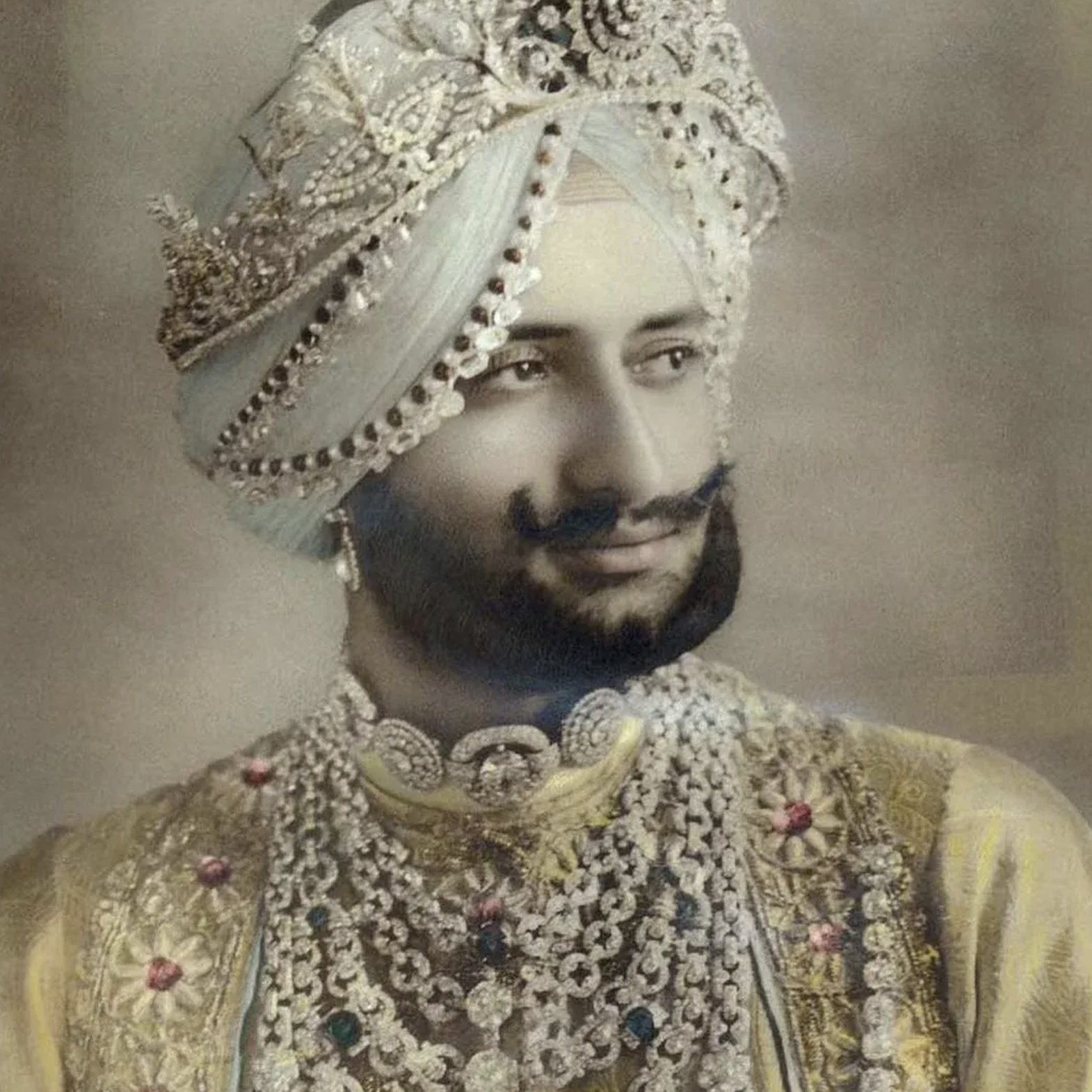
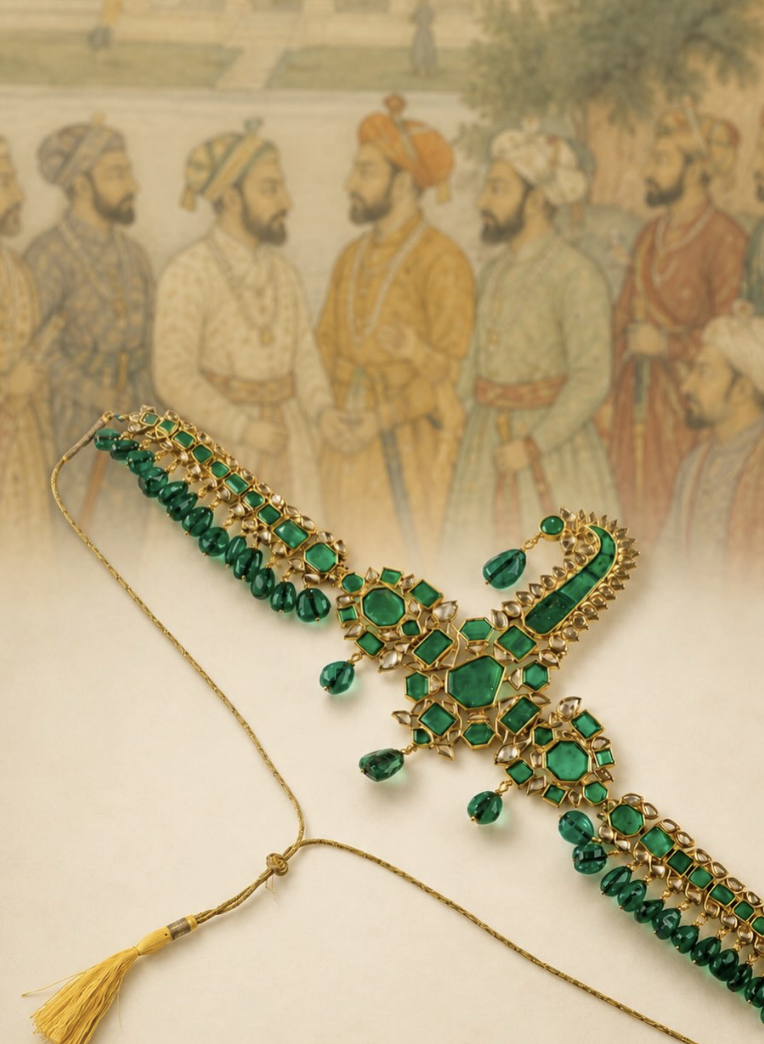
Take 1911, when Jacques Cartier made his way to India for the Delhi Durbar. He was a jeweller when he came, but he left having been a witness to things that must have seemed mythical to a European. The Indian princes had emeralds the hue of monsoon forests, rubies with the glow of an ember under ash, diamonds with a history of conquest and diplomacy behind them.
The House of Marwar was among these courts. Their jewels were not just displays of wealth but vessels of memory; a necklace for a dynasty, a turban ornament holding a piece of history in the light.
What transpired was something more than patronage. A conversation, really. Gemstones made the journey from Rajasthan to Paris and drawings went the other way. You would find the French imagination and Indian inheritance meeting halfway in the workshops of Van Cleef & Arpels, Boucheron or Cartier. The great maisons found collaborators in India rather than simple customers. The Maharajas brought with them an aesthetic confidence of centuries and Paris was inclined to listen. The colours and scale of the pieces put to question what the Europeans had assumed.
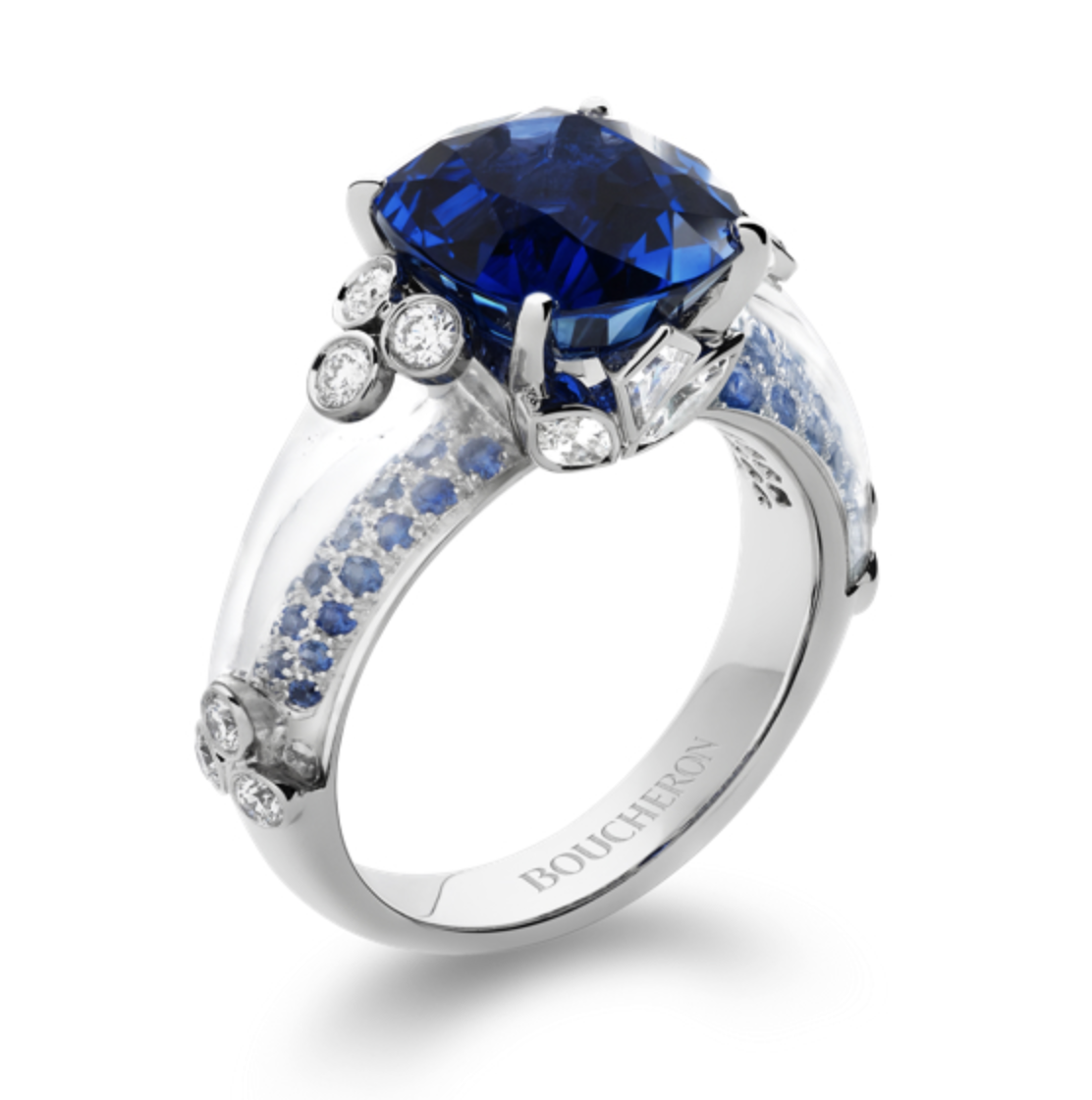
You can still hear the echoes of it in the Place Vendôme archives or in the design of Boucheron’s Bleu de Jodhpur.
Still, the tale of France and Marwar was never exclusively about stones. It was also about movement, about horses and the odd course ideas will take.
In 1897 Sir Pratap Singh of Jodhpur and his polo team were in England for Queen Victoria’s Diamond Jubilee. All eyes were on the trousers the men wore. They were broad at the thigh and tapered at the calf, elegant in their own right without any effort. Made for riding, they had the air of being as practical as they were inevitable.
Before long they were known as Jodhpurs. It is a word that has left Rajasthan to be part of the world’s vocabulary.
Fashion has a way of being like a river; you cannot tell where it is going to run. What starts in one spot can make an unheralded appearance in another. By the 1920s European designers had taken to the silhouette, and Gabrielle Chanel was no exception. She developed a fondness for certain aspects of Indian dress and riding gear, so much so that the style of the Rajput horseman made its way into the wardrobes of Paris.
You have to think of it as a remarkable journey. A piece of clothing put together under the desert sun and then worn under the skies of Paris. That is cultural exchange in its true form: one world quietly taking something from another and making it its own, no fanfare required.
Architecture tells the same tale.
Take Umaid Bhawan Palace. When Maharaja Umaid Singh set about having it built in 1929, the world was in flux. Empires were on the move, technology was picking up speed and modernity was the order of the day. At the same time in Paris, Art Deco was putting a new face on the century. Ornament gave way to straight lines, excess to geometry, and the future came into view.
Somehow these notions made their way across the oceans to Jodhpur. The palace that rose out of the desert was an extraordinary thing for its time. It was all Rajasthan, but you could not miss the optimism of international modernism in it either. To walk the corridors today is like entering a dream that was had in both Marwar and Paris.
But history does not travel in a straight line.
In the Second World War, some of the furniture ordered for the palace was said to have been lost when a ship went down in the uncertainties of war. All those plans were gone. The Maharaja did not wallow in it; he put his imagination to work. He called in Stefan Norblin, the Polish refugee and artist, to put in new interiors. Norblin turned rooms into theatre with his colours and made the walls tell stories with his murals.
The outcome was something you would not have expected. A Rajput palace reinterpreted by a Pole with a bit of French in his sensibility, all under the influence of Europe. History has a habit of unfolding in such coincidences that look perfectly logical in hindsight.
There were plenty of other ties. Trunks full of sketches, jewels and fabrics would go back and forth between the continents. India’s royals were good customers for the watchmakers of Europe, and fine wine made the trip from far-off vineyards. The distance between Jodhpur and Paris meant little to the routes they took.
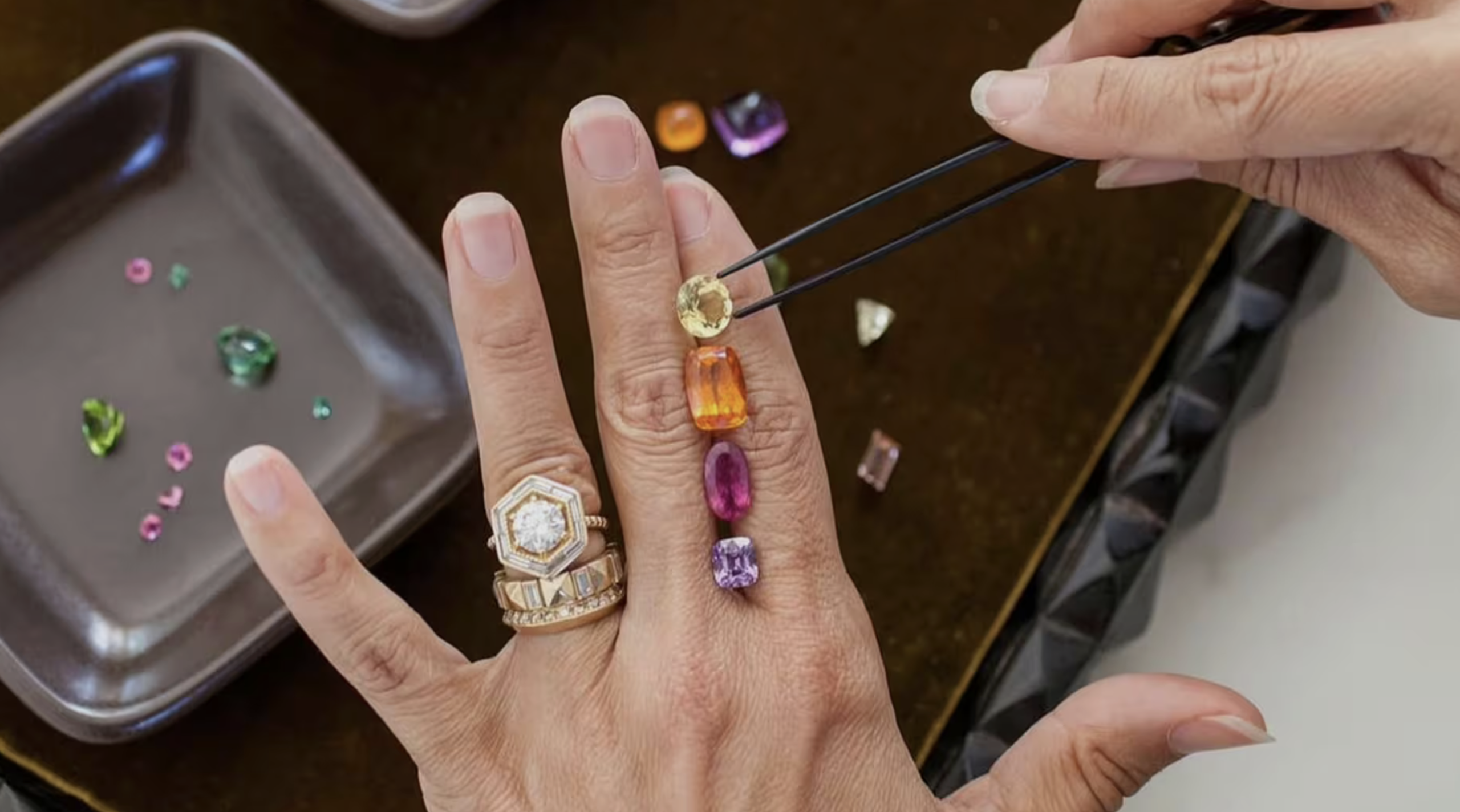
Do not mistake it for a matter of luxury though. Luxury was just the means of expression. The French were drawn to the sure hand of the Indian craftsman, the rulers of Jodhpur were drawn to what Europe was doing in the way of innovation. They saw themselves in each other and wanted excellence, not a copy.
That is why the whole affair still resonates. In our current preoccupation with heritage and collaboration, Paris and Marwar showed how two cultures can come together and not lose who they are.
Over a hundred years on, you can still hear the dialogue. The letters may be in an archive now and the polo grounds are hushed, but the conversation is there in the cut of a Jodhpur jacket or in the stonework of an Art Deco building. In a jewel that has both the grandeur of India and the restraint of France.
It is not really an East versus West story. It is one of recognition. Of two worlds looking at one another from afar and knowing right away they are speaking the same language.