Passing the Light: Inside Bvlgari’s Diwali in Jaipur
- Featured News
 Yashita Damani
- 7 minutes read

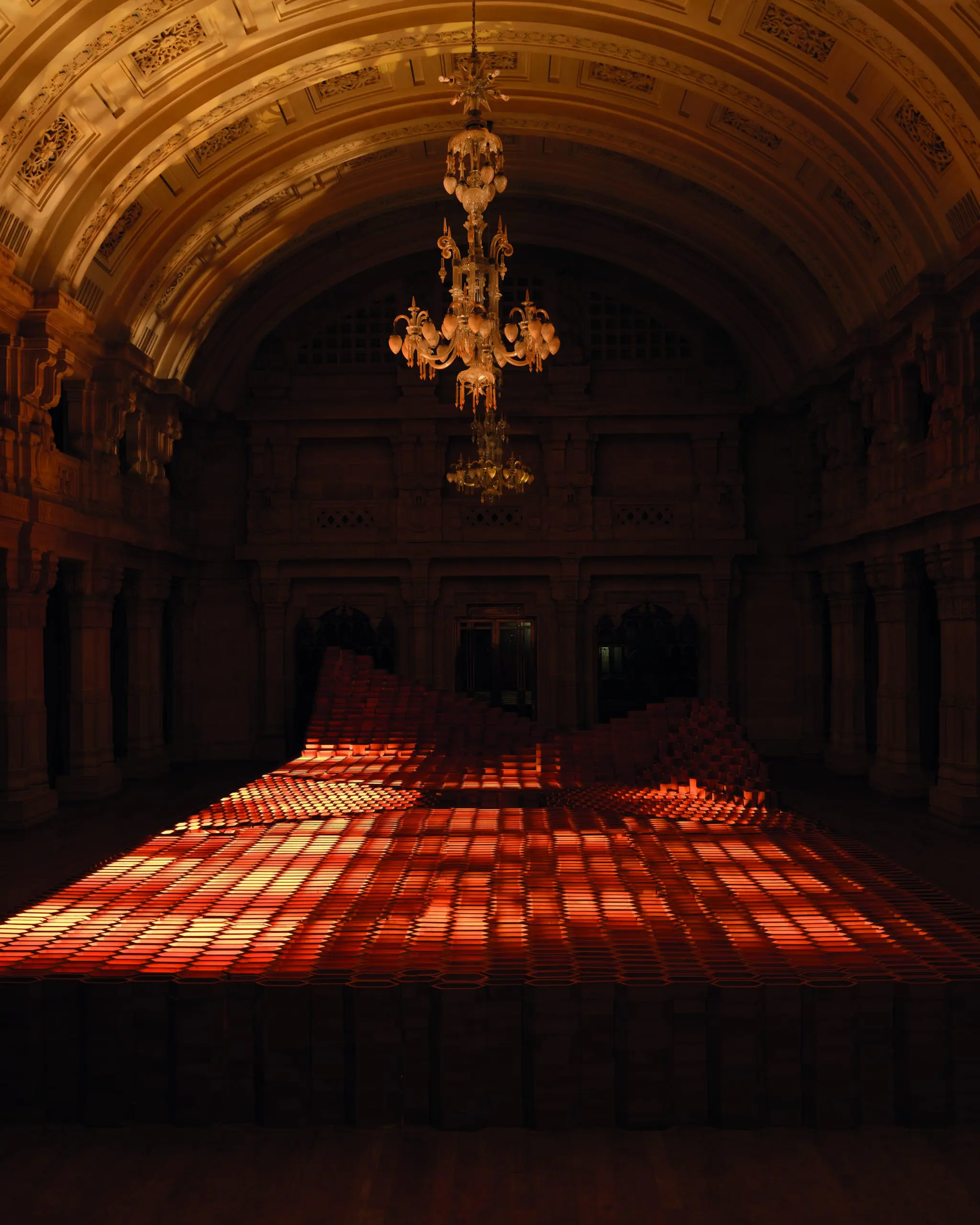
Diwali came early with Bvlgari’s Passing the Light, a new artistic collaboration with Indian artist Doyel Joshi that brings together 4,500 hand sculpted terracotta elements inspired by traditional diyas and the iconic Serpenti scales motif. Unveiled on 11 October 2026, the installation celebrates the transmission of craftsmanship across generations and cultures, drawing a connection between India’s terracotta traditions and the Roman Maison’s legacy of high jewellery.
Speaking about the collaboration, Laura Burdese, CEO of Bvlgari, said, “India holds a place of profound significance in Bvlgari’s story. Its extraordinary heritage of artistry, craftsmanship and ritual has long inspired our way of seeing, creating and engaging with the country.”
A ‘diya-logue’ between cultures
Created as an artistic expression of Diwali, Passing the Light explores the cultural significance of light through a contemporary installation that brings Indian traditions into conversation with Bvlgari’s Roman heritage. The artwork draws inspiration from the diya, a familiar symbol of hope, renewal and togetherness during the festival, reinterpreting its form through the geometry of the Maison’s Serpenti scales.
Terracotta lies at the heart of the installation. Used in India for centuries to create sacred, functional and personal objects, the material carries a history of traditional knowledge and inherited techniques. Through the collaboration, Joshi draws attention to the cultural memory embedded in terracotta and the generations of artisans who continue to preserve its craft.
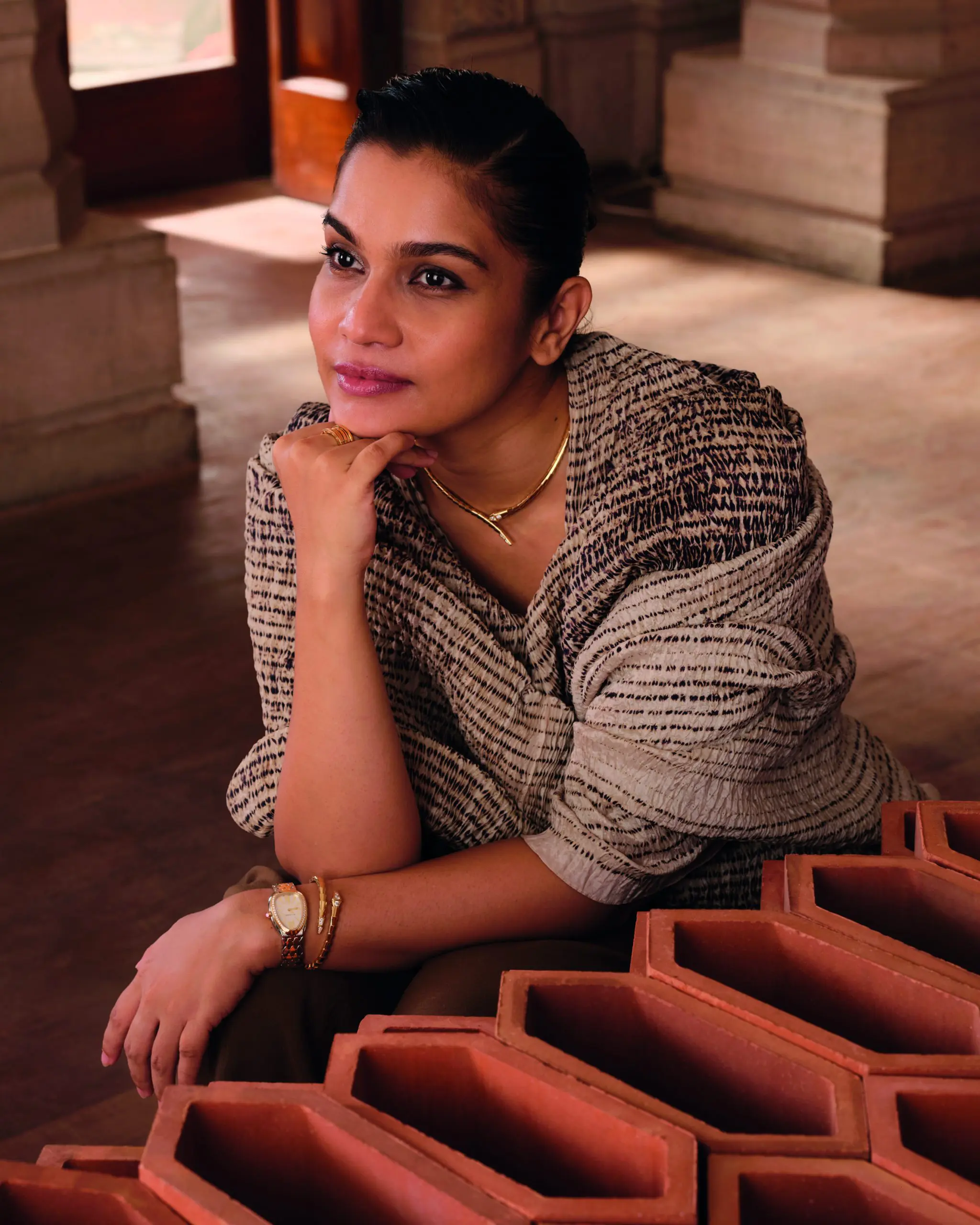
Speaking about the project, Joshi said, “Terracotta is not a humble material. It is a universal one. A diya belongs to the street and to the palace equally; it transcends socio-economic structures.”
The magnificence of mitti
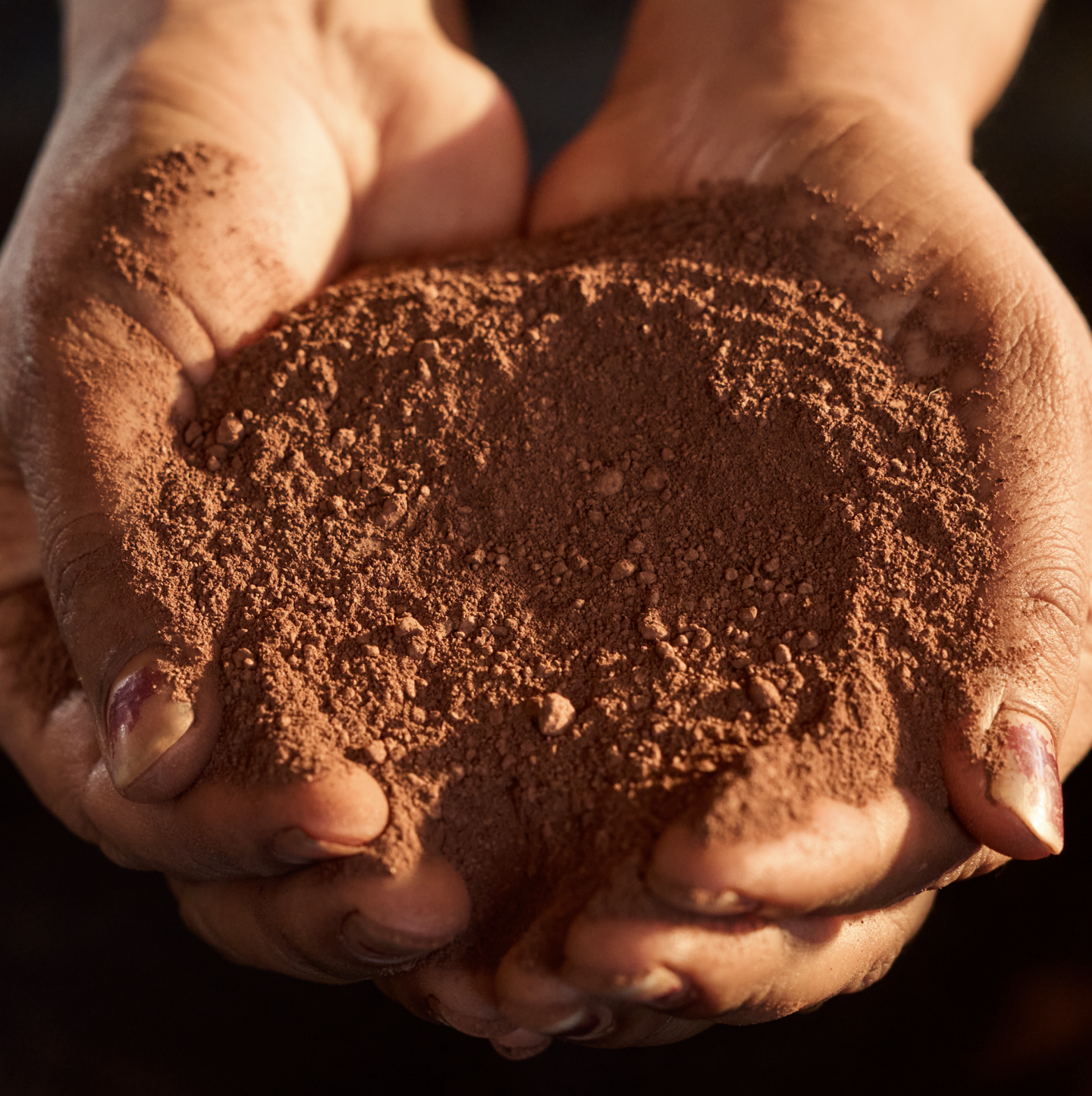
The installation features 4,500 hand sculpted terracotta elements created with the involvement of members of the kumhar community and local craftswomen through a dedicated social enterprise. Their contribution places traditional craftsmanship and collaborative authorship at the centre of the project, recognising the artisans as co-creators of the artwork. The collaboration also draws a parallel between terracotta making and Bvlgari’s own jewellery ateliers, where gold, gemstones and precious materials are transformed through specialised techniques passed down across generations. Although clay and gold differ in material and character, both processes depend on skilled hands, inherited knowledge and the discipline of craftsmanship. For Bvlgari, the project represents a continuation of its dialogue with India, a country whose artistic traditions and craftsmanship have long informed the Maison’s engagement with the region. By bringing traditional terracotta into a contemporary artistic context, Passing the Light highlights how cultural heritage can evolve while retaining its connection to the past.
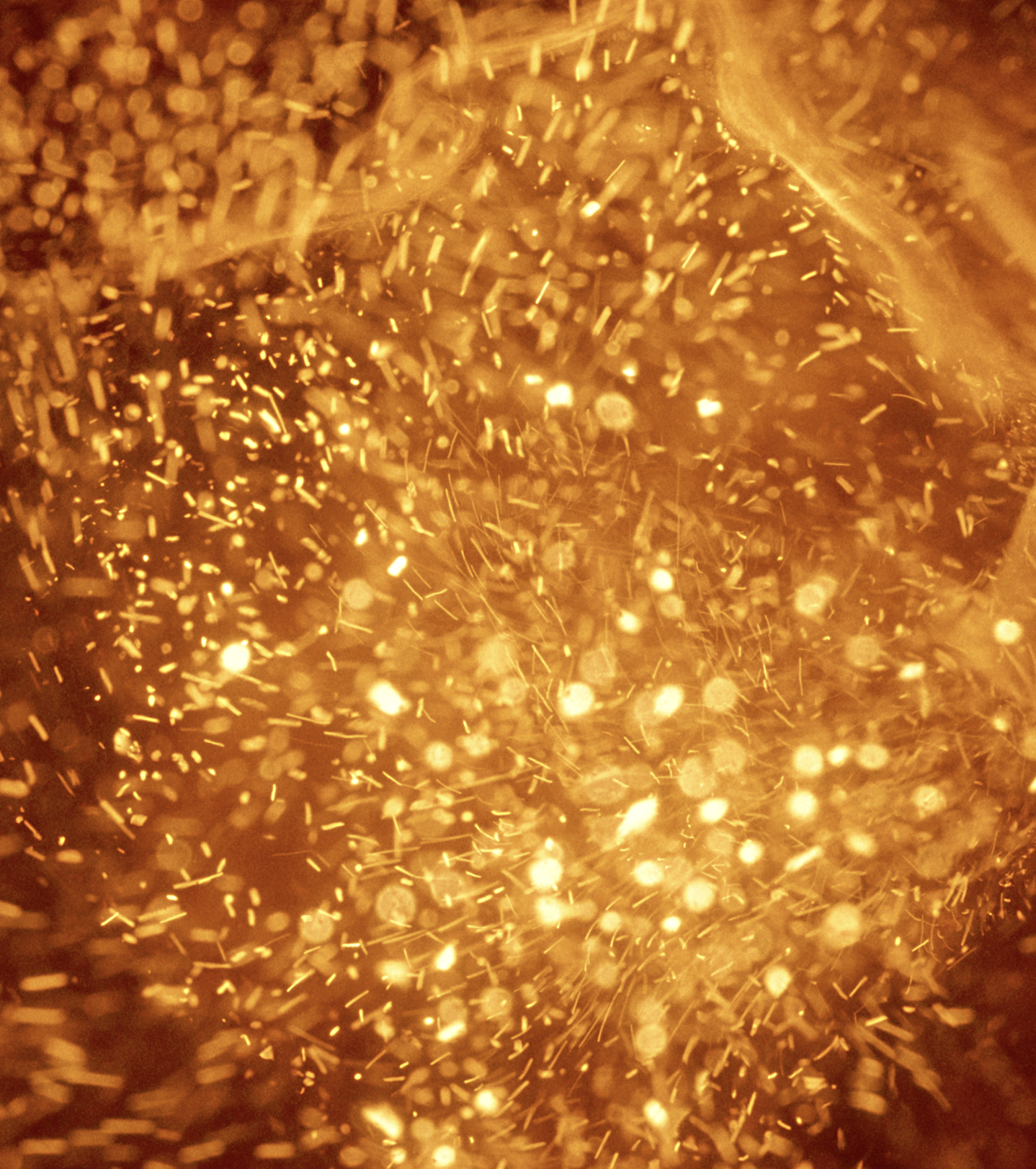
The hands that hold the light
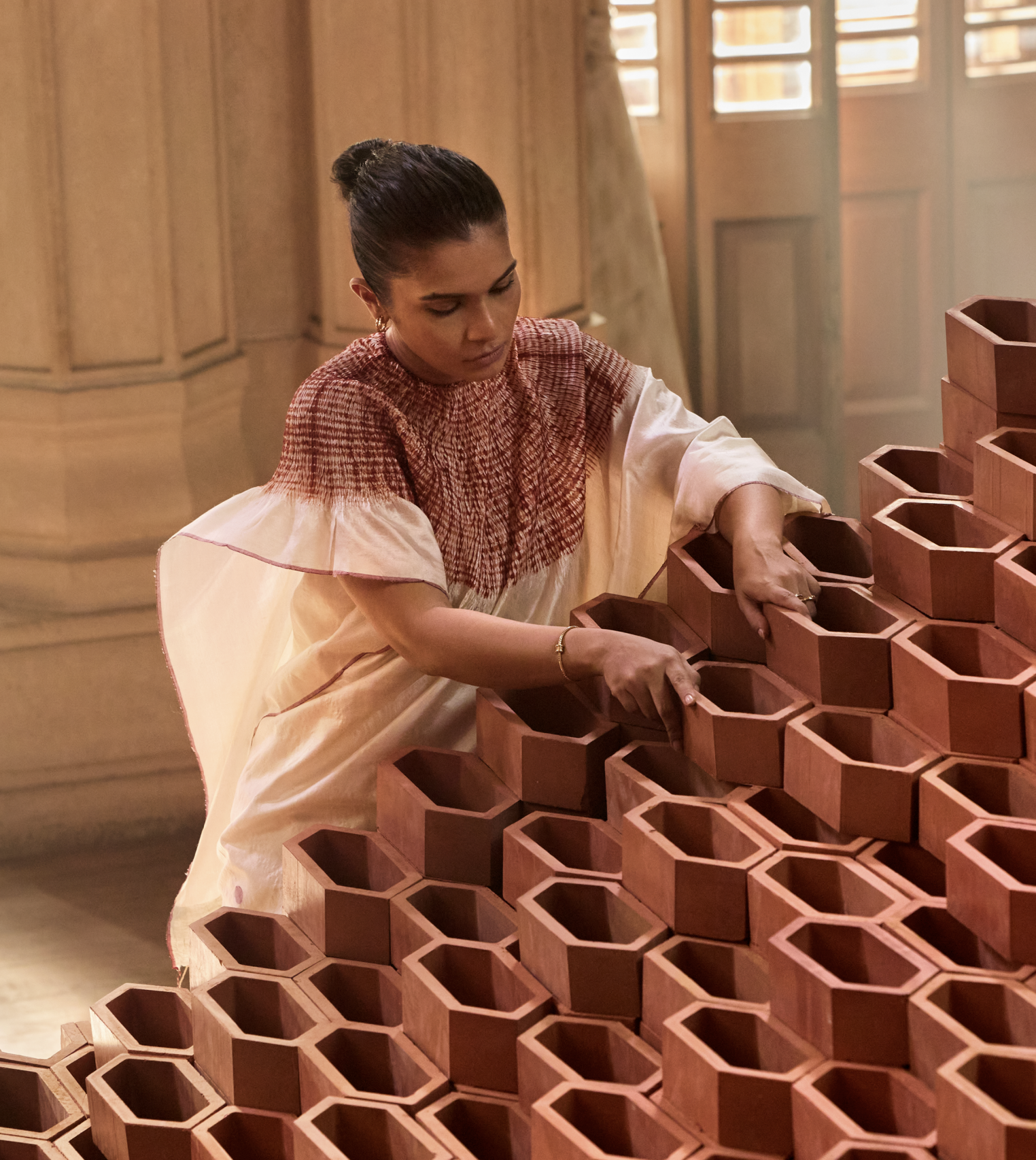
Beyond the finished installation, the project places emphasis on the people and communities responsible for bringing it to life. The participation of the kumhar community and local craftswomen foregrounds the importance of preserving traditional skills and recognising the knowledge that artisans carry from one generation to the next.
For Joshi, the collaboration brings together two distinct histories of making, one shaped in clay and the other in gold. As she explains, the installation carries “the generational knowledge of the earth it is made from and the hands that made it, passing the light forward”.
This focus on transmission connects the artwork’s cultural narrative with the wider significance of Diwali, a festival rooted in rituals of light and togetherness. The installation positions craftsmanship not simply as a process of making objects, but as a living practice sustained through shared knowledge, creativity and community.
Two cultures, one common flame
The collaboration also extends into a digital campaign anchored by a hero film that follows the transformation of terracotta from earth to kiln to finished form. Unfolding without narration, the film focuses on the gestures, discipline and devotion involved in the making process, connecting the work of Indian artisans with the craftsmanship associated with Bvlgari’s Roman heritage.
For Burdese, the project reflects the Maison’s understanding of luxury as something that extends beyond the creation of beautiful objects. In her statement, she said, “True luxury is not simply about creating something beautiful; it is about giving meaning to what we inherit, preserving the knowledge and stories carried through generations, and allowing them to evolve with relevance and imagination.” Through Passing the Light, Bvlgari brings together the symbolism of Diwali, the enduring practice of terracotta making and its own legacy of craftsmanship. The installation places the people behind the craft at the centre of its narrative, celebrating the traditions, skills and stories that continue to connect generations.
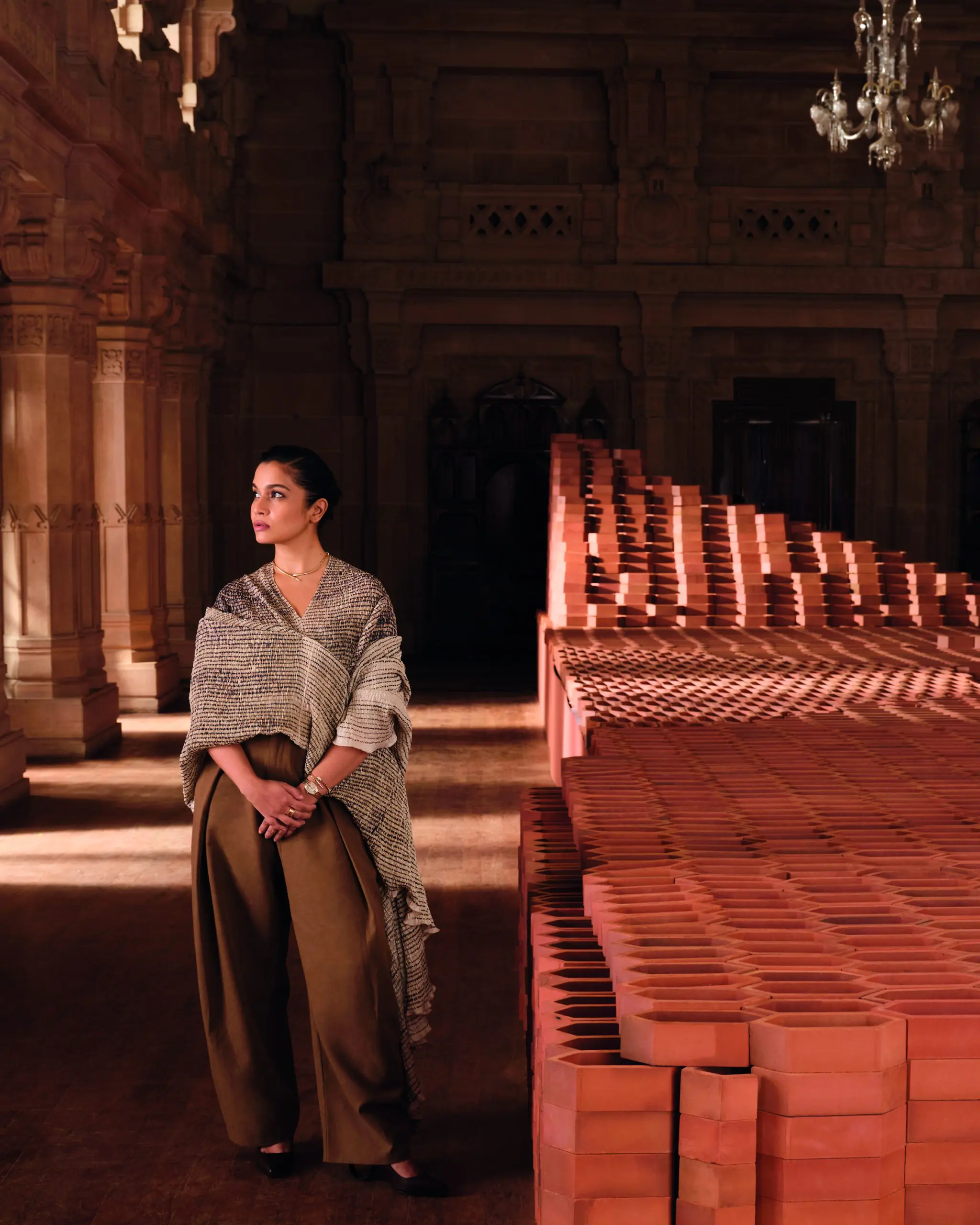
Perhaps that is the beauty of Passing the Light: a diya does not lose its flame by lighting another. In 4,500 pieces of earth, shaped by generations of knowledge and the hands of its makers, Bvlgari finds a different kind of brilliance, one that cannot be mined, polished or set in gold. It can only be passed on.
You may also read: In conversation with Maserati’s Klaus Busse