Dhaval Udeshi on building hospitality that belongs
- Featured Food & Beverage
 Yashita Damani
- 13 minutes read

In hospitality, the real measure of a brand may not be how many people walk through its doors, but how many choose to return. For Dhaval Udeshi, the future of DU Hospitality lies in that delicate balance between commercial instinct and human connection, between building a destination and becoming part of its neighbourhood. The ambition is no longer simply to create more places to eat, drink and gather. It is to build an ecosystem where ideas find their footing, talent finds its audience and hospitality remains, at its heart, an experience shaped by people.
In Conversation With Dhaval Udeshi
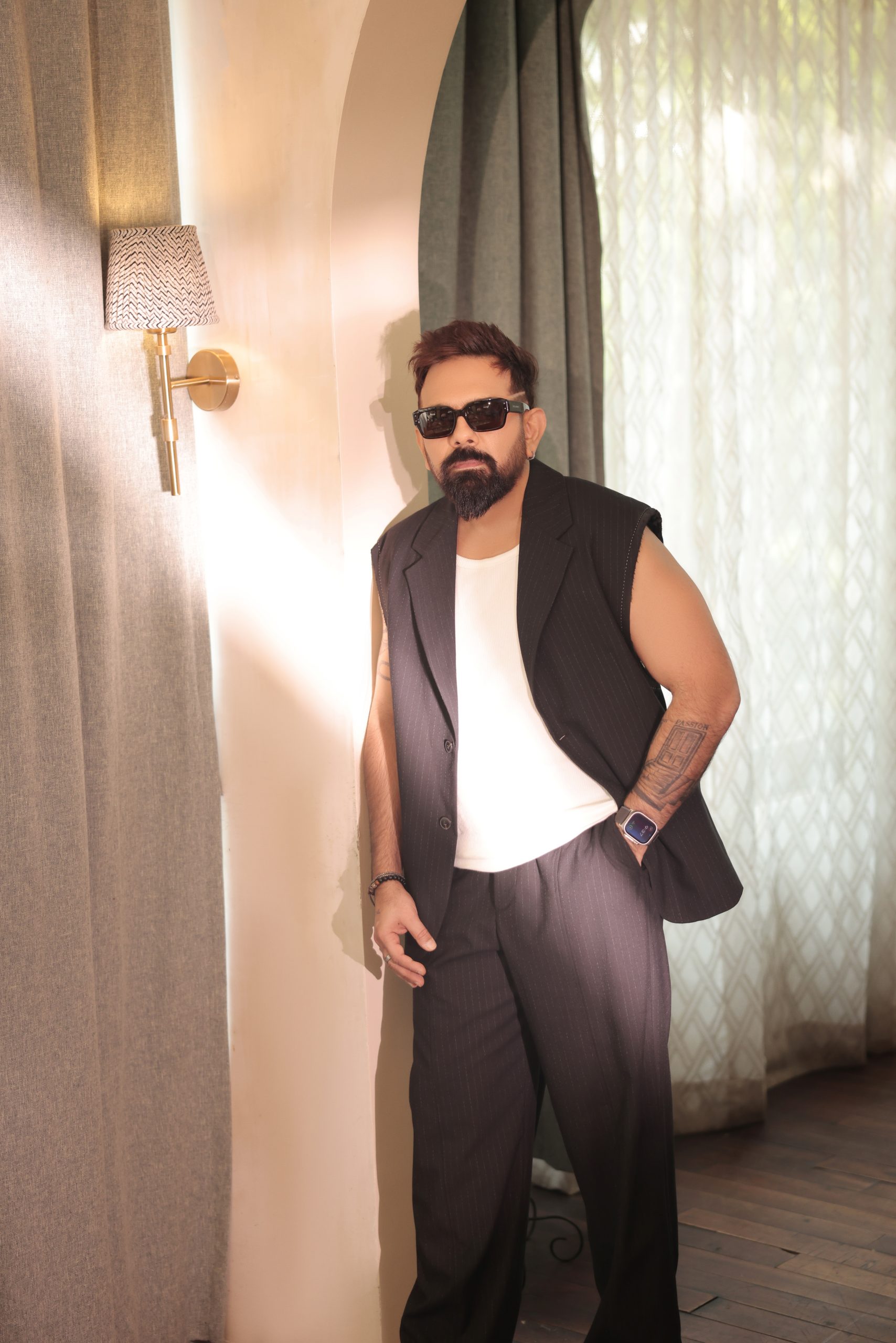
Dhaval Udeshi is less interested in chasing trends than in understanding what makes people return. The founder of DU Hospitality has spent six years building across more than 30 concepts in Bombay and Goa, spanning restaurants, bars, lifestyle destinations and experiential spaces. His journey, however, began without a hospitality degree, a family legacy in the business or deep-pocketed investors.
What he had was curiosity, an instinct for understanding why certain places worked, and a willingness to learn the business from the ground up. From rebuilding underperforming concepts to creating brands with distinct identities, Udeshi’s approach rests on a deceptively simple philosophy: people first, business second. Yet, beneath that principle lies a sharp understanding of the commercial realities that keep hospitality alive, from neighbourhood demographics and pricing to consistency, customer behaviour and brand credibility.
As DU Hospitality enters its next chapter, the ambition extends beyond opening more doors. Udeshi wants to use the ecosystem he has built to create opportunities for women bartenders, emerging artists, young restaurateurs and the next generation of hospitality talent. In conversation with LuxeBook, he discusses the business of building experiences, the importance of belonging to a place, and why the most enduring hospitality brands are built on more than a good first impression.
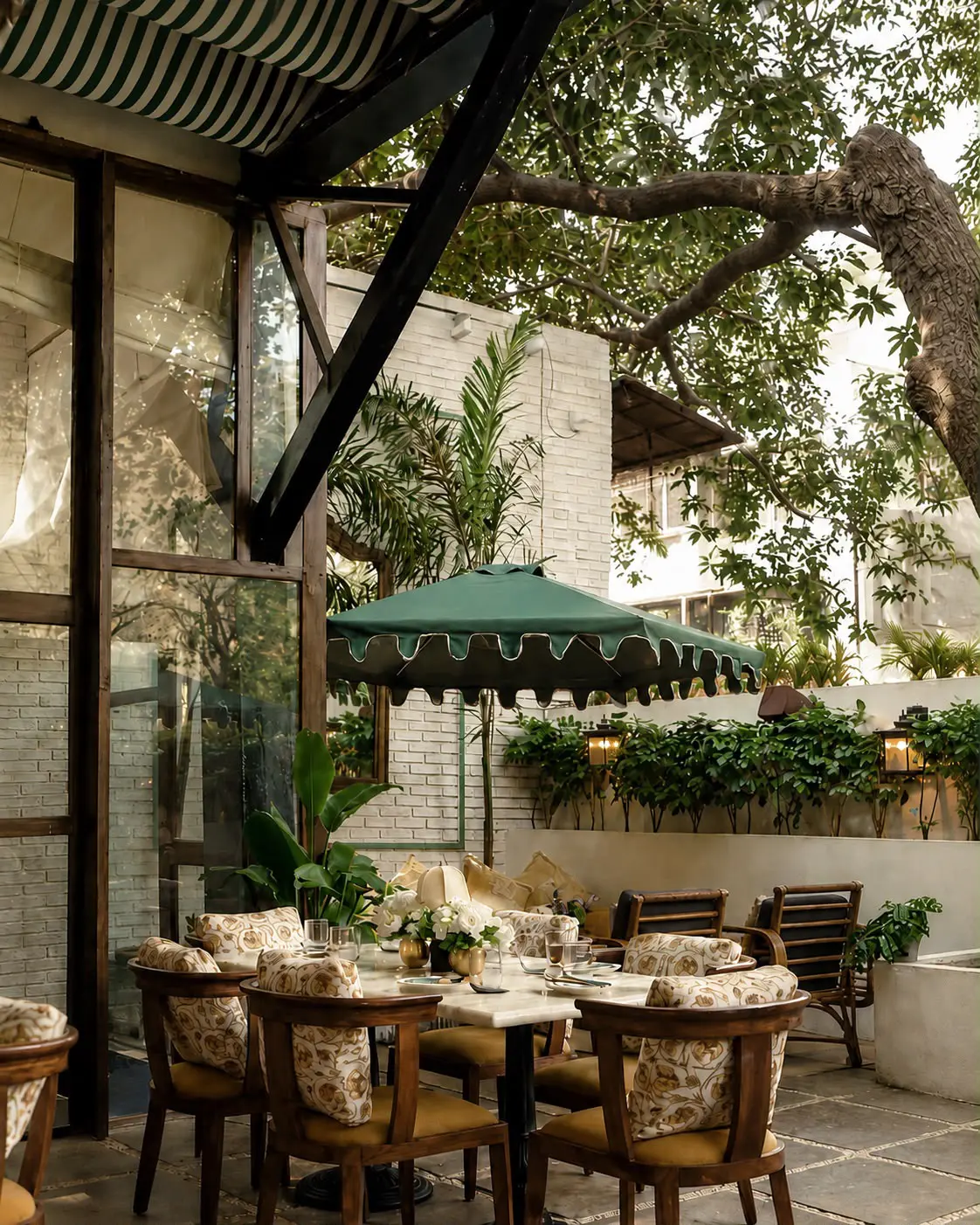
LuxeBook: You entered F&B without a formal hospitality background or a family legacy in the business. What was it about the industry that made you take that first leap, and what did those early years teach you that no hospitality degree could have?
Dhaval Udeshi: I come from a very simple family of four. My father worked in textiles, my mother was a homemaker, and my brother was the brilliant student in the family. He went to the US on a scholarship and created his own path. I was the one still trying to figure out what I wanted to do. But whenever I travelled, I noticed something about myself. While everyone else wanted to sightsee, I was fascinated by restaurants, bars and food. I wanted to understand different food cultures, why certain concepts worked, why some places had incredible energy and why people kept going back. I never went to hotel school. I learnt hospitality the hard way, through small concepts, QSRs, wedding catering and eventually bars and restaurants. One of my biggest learning experiences came when I got an opportunity with London Taxi, thanks to Sanjay Shetty. I had to understand the business from the ground up, how a bar works, how you drive sales and, importantly, how you rebuild a brand when things aren’t going according to plan. That period became my hospitality school. It taught me something I still believe today: the toughest times in hospitality often teach you much more than the successful ones.
LuxeBook: In six years, you’ve worked across 30+ concepts in Bombay and Goa, from restaurants and bars to lifestyle and experiential spaces. How do you know when an idea has the potential to become a great hospitality concept rather than simply another place to eat or drink?
Dhaval Udeshi: A major turning point came when I realised that I didn’t have huge capital or investors behind me. Instead of asking myself, “How do I raise money to keep opening restaurants?”, I thought differently: why don’t I take restaurants that aren’t doing well and figure out how to make them profitable? That thought changed the direction of my life. It forced me to understand restaurants beyond food and design. I had to understand sales, positioning, customer behaviour, pricing, location and why one concept connects while another doesn’t. Today, when I look at a concept, I don’t just ask whether it sounds exciting. I ask: Who is the customer? Why will they come? What will they spend? Why will they return? Does this cuisine belong in this location? And can this actually become a sustainable business? For me, a great hospitality concept isn’t simply a great idea. It is a great idea that connects with people and commercially survives.
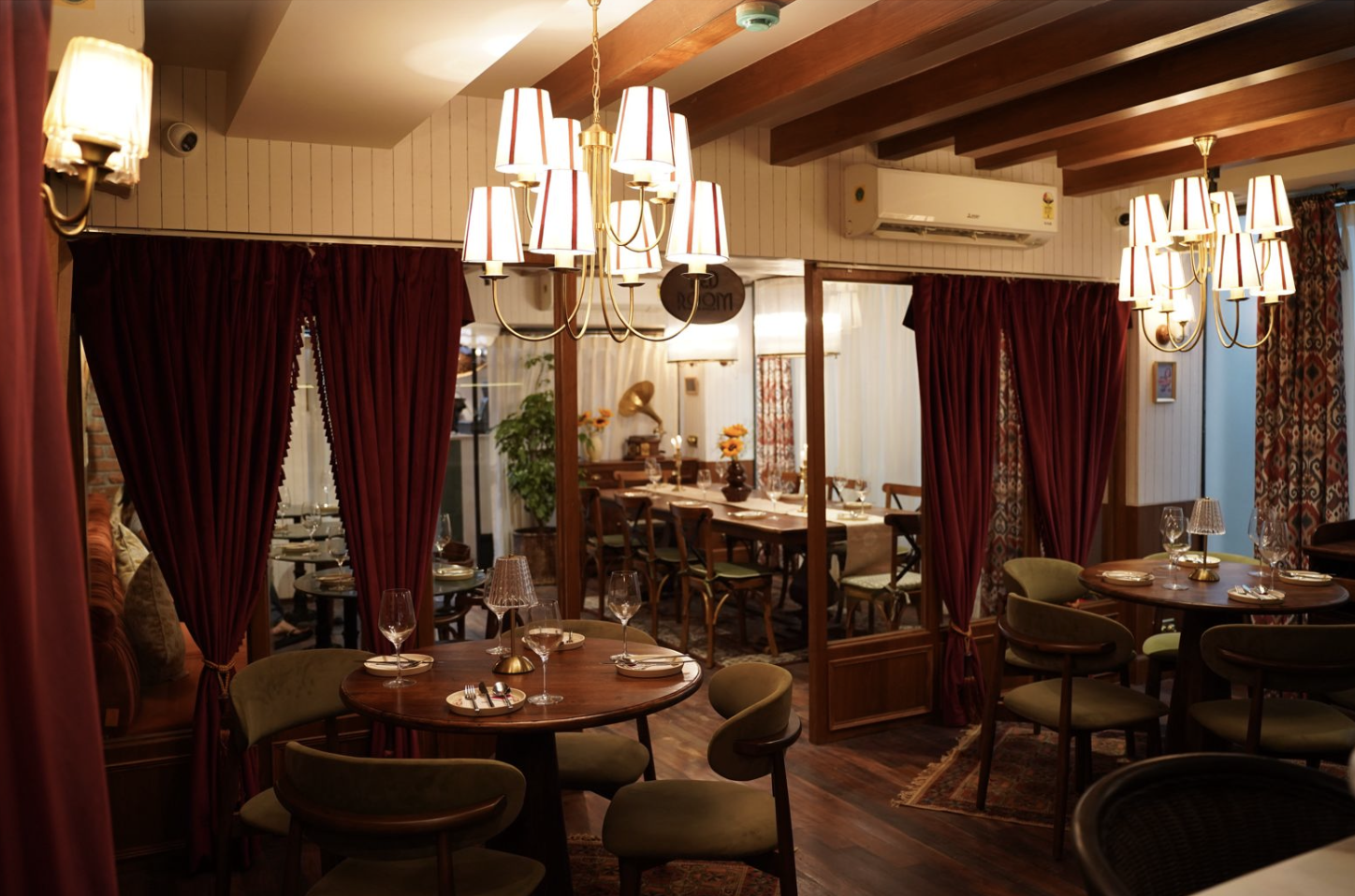
LuxeBook: Every concept has its own identity, yet there seems to be a distinct DU Hospitality approach running through the portfolio. What are the non-negotiables you carry from one project to the next?
Dhaval Udeshi: My biggest principle has always been very simple: people first, us later. The food has to be good. The service has to be good. The experience has to feel genuine. Guests understand very quickly whether hospitality is genuine or whether you’re trying too hard to sell them something. But another huge non-negotiable for me is consistency. If somebody comes to your restaurant repeatedly, they shouldn’t find a completely different restaurant every time. The lighting cannot suddenly change, the music cannot randomly become louder, and a dining restaurant cannot turn into a nightclub one evening simply because you’re trying to increase sales. Even if you’re struggling initially, you have to protect the credibility of the brand. Consistency doesn’t necessarily require more money. It requires discipline. I also believe there’s an important difference between creating and operating a restaurant. When you’re creating it, you’re building what you believe in. Once the doors open, you have to start listening to what your audience wants. Then you evolve. You mould the concept slightly around your guests without taking shortcuts or doing things that damage the brand. Location is equally important. Mumbai is not one single market. Japanese may work brilliantly in one neighbourhood, Thai in another, while Indian food may have a much wider audience. Price point is also crucial. You have to understand the people you’re serving. And hospitality remains personal for me. Even today, with multiple restaurants, people still call me directly for bookings, and I still help them. I don’t want to become inaccessible simply because the company has grown. There will be complaints and mistakes; that’s hospitality. What matters is how you address them. That consistency and personal connection with our guests is a very important part of what has made DU Hospitality what it is today.
LuxeBook: F&B is an industry where trends can have the shelf life of a cocktail garnish. How do you balance what people want right now with concepts that you believe can have longevity?
Dhaval Udeshi, Founder: I actually don’t follow trends. Of course, I get inspired when I travel or when I discover something interesting, but I’ve never believed in looking at what everybody else is doing and then trying to replicate what happens to be fashionable. The fundamentals don’t change. Make exceptional food. If you’re a bar, make exceptional cocktails. Get your pricing right. Give people great service. And today, I’m very happy that hygiene is receiving the attention it always deserved in our industry. Before creating anything, I study the location. Who lives there? What cuisine will work there? What can people comfortably spend? How do we connect with that neighbourhood? Everybody wants to talk about creating a pan-India or global brand from day one. I think you have to earn that. First become a hero in your own locality. Build your credibility there. Then you can think about becoming a hero somewhere else.
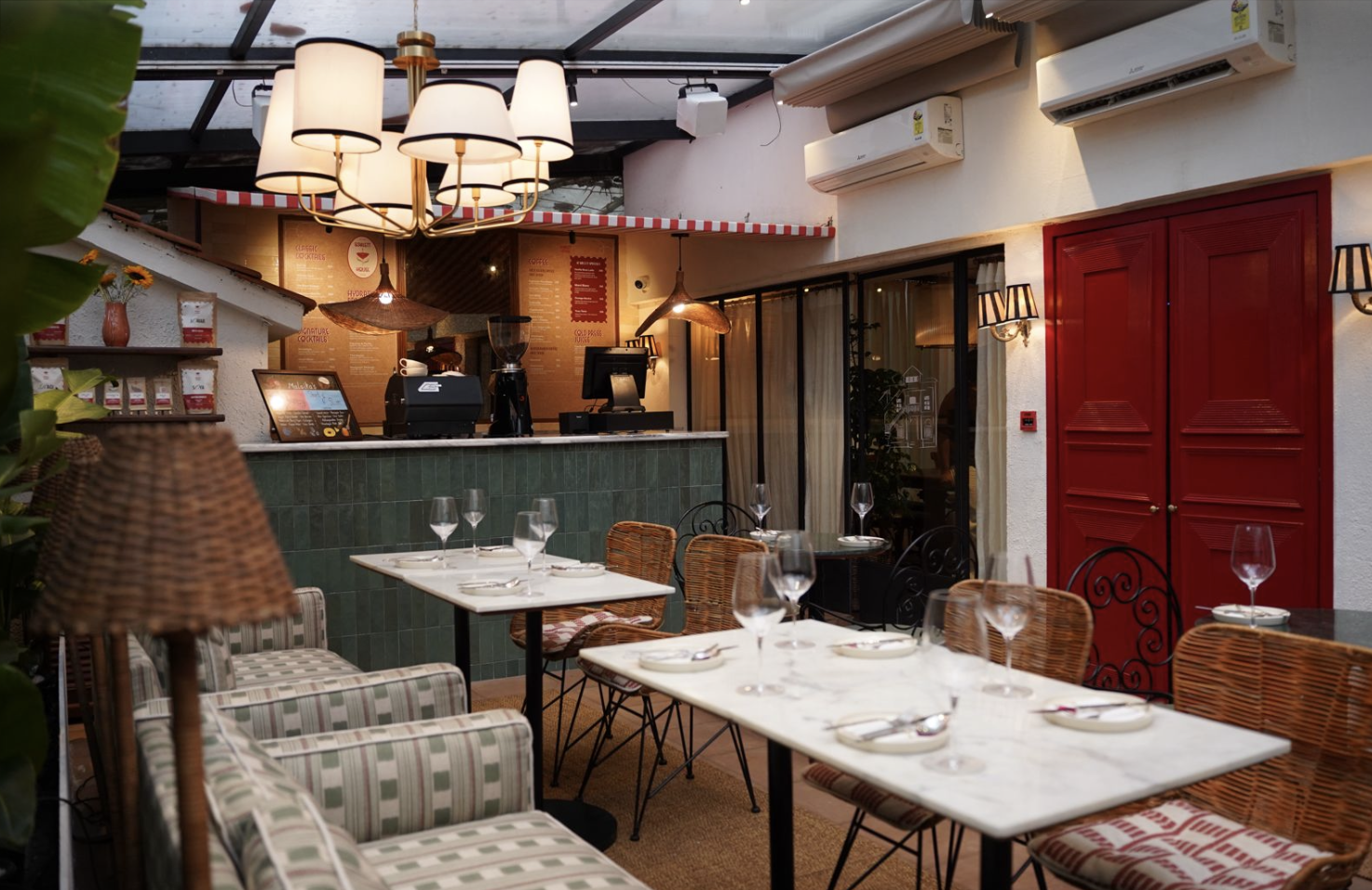
LuxeBook: You’ve built across Bombay and Goa, two markets with very different rhythms and audiences. How has working across these cities changed the way you think about hospitality, and what does each market teach you about the other?
Dhaval Udeshi: Mumbai is home for me. I’m here every day, I can be extremely involved with my restaurants, and it’s a fast, demanding market. Goa is completely different, and I don’t think you should try to make Goa into Mumbai. Goa has its own culture, pace and rhythm. When you build there, you have to respect the people who live there, the village, the surroundings and the way of life. With our hotel, for example, we’ve deliberately created something subtle. We don’t want loud music or something that fights with its surroundings. We want to blend into the village and the local environment. People are also in a completely different frame of mind when they’re on holiday. They want to experience something new and something they don’t necessarily get back home. So Goa has taught me a very important lesson: hospitality shouldn’t just occupy a location; it should belong to it.
LuxeBook: You’ve described building an incubation centre for women bartenders as the “natural next step”. Why does this feel like the right next chapter for you, and what gap in the industry are you hoping to address through it?
Dhaval Udeshi: I’ve always believed in bringing different communities together, and anyone who knows DU Hospitality knows that I’ve always been a strong supporter of women in hospitality. One thing we’ve always tried to do is create safe and secure working environments where women can work, grow and eventually build something of their own. Sometimes people stay with us for years. Sometimes they eventually leave and create their own journey. I’m genuinely happy when that happens. My support doesn’t have to end because somebody moves on from our company. The incubation idea comes from wanting to create an actual platform for women in bartending, not just talk about representation. But I’m now thinking beyond bartending as well. For example, at Sweeney we’re starting Thai Garden Sessions where three female artists, whether DJs, musicians or performers, can play during our Sunday brunch. We’ll pay them, promote their work and integrate their music into the experience so guests can discover them and continue listening to them afterwards. We’re also working towards programmes for young restaurateurs, chefs and people across hospitality, PR, marketing and other creative fields. DU now has multiple restaurants and platforms. If we can use those platforms to discover talent, give people a stage and help them grow, I think that’s something worth building.
LuxeBook: When you look back at the six-year journey, what has changed most: your understanding of hospitality, your definition of success, or the kind of founder you want to become? And what are you building towards next?
Dhaval Udeshi: I think all three have changed. When I started, I was trying to understand how to make one business work. Then I learnt how to rebuild concepts, how to generate sales and eventually how to create and operate multiple brands. Today, my ambition isn’t only about opening more restaurants. Of course I want DU Hospitality to continue creating great restaurants, bars and hospitality brands. But now that we have multiple outlets and platforms, I also feel we have an opportunity, and perhaps a responsibility, to use that ecosystem for something bigger. I want us to identify young restaurateurs, chefs, bartenders, musicians, artists and people across hospitality and give them opportunities. I want DU to become a place where good ideas and talented people can find a platform. For me, success today isn’t just about how many restaurants we open. It’s about whether those restaurants last, whether people continue to trust our brands, and whether we can use what we’ve built to create opportunities for other people. The next chapter of DU Hospitality isn’t only about building more places. It’s about building brands, communities and people.
You may also read: In conversation with Maserati’s Klaus Busse