Technogym CEO Nerio Alessandri on India’s wellness boom & the future of longevity
- Featured Retail
 Anushka Manik
- 12 minutes read

As wellness evolves from a lifestyle aspiration into a more personalised, data-led approach to health, Technogym founder and CEO Nerio Alessandri believes the real luxury lies in healthy longevity. In conversation with LuxeBook, he reflects on the future of fitness, the role of AI and why India could be one of the most compelling markets in the wellness economy.
There was a time when a home gym was largely a practical purchase. A treadmill in the spare room, a set of weights tucked away in a corner, perhaps an exercise bike that eventually became an expensive clothes hanger. Today, however, the idea of wellness has moved beyond the equipment we buy or the hours we spend exercising. It has found its way into how homes are designed, how luxury hotels compete for guests, how companies think about productivity and, increasingly, how people approach ageing.
The shift is reflected in the numbers. According to the Global Wellness Institute, the global wellness economy reached $6.8 trillion in 2024 and is projected to approach $9.8 trillion by 2029. In India, the wellness economy was valued at approximately $180 billion in 2024, having grown at an annual rate of 11.3% between 2019 and 2024. Wellness is no longer a niche interest reserved for those with the time and money to pursue it. It is becoming a serious economic, cultural and public-health conversation.
For Nerio Alessandri, founder and CEO of Technogym, this evolution has been decades in the making. His argument is straightforward, even if its implications are considerable – the ultimate measure of wellness is not how a person looks, how much they can lift or how many kilometres they can run. It is how well they live.
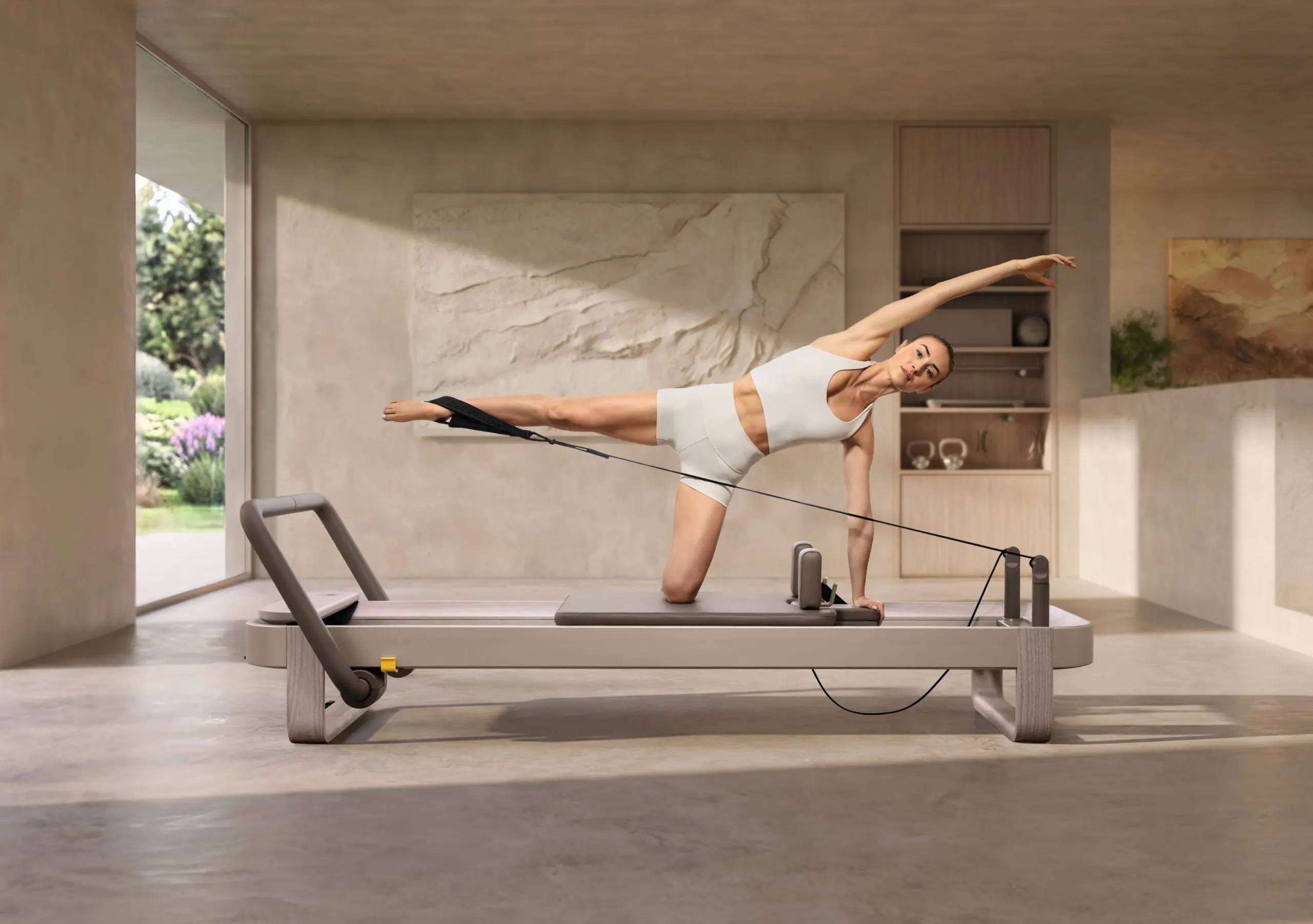
“Because wellness is the new luxury living. Health is wealth. And wellness is a value for humanity,” he says. The value, he explains, extends beyond the individual, from improving quality of life to helping companies increase productivity and reducing the burden on public healthcare systems. What remains missing, in his view, is a wider understanding of what a consistent wellness lifestyle can achieve.
“The wellness perception, in terms of spirituality, is not enough in relation to the power of the wellness lifestyle,” he says, pointing to the benefits it can offer in terms of happiness, balance and sports performance.
It is a useful distinction in an industry that often packages wellness as a collection of aspirational outcomes: a sculpted physique, a better night’s sleep, a longer lifespan. Alessandri wants the conversation to move towards something more fundamental – the quality of the years we live.
From a garage to a global wellness philosophy

Technogym began in 1983, when Alessandri, then 22, started designing and building fitness equipment in his family’s garage in Italy. His interest lay at the intersection of sport, technology and industrial design, but he was also questioning a simple assumption: why should fitness equipment be purely functional when it could be thoughtfully designed, intuitive to use and desirable enough to become part of everyday life?
Three years later, the company introduced Unica, a compact home gym that brought an entire strength-training setup into approximately one square metre. It was an early expression of a philosophy that would become central to the brand, that fitness could occupy a place in the home without being relegated to a hidden corner. Equipment could be as considered in its design as the interiors surrounding it.
Over the years, Technogym’s equipment and digital technologies have become fixtures in fitness centres, luxury hotels, private homes and elite sports environments. The brand has served as an Official Supplier to nine Olympic Games, beginning with Sydney 2000 and continuing through Paris 2024, with its involvement in Milano Cortina 2026 extending that sporting legacy.
But the significance of elite sport, according to Alessandri, is not limited to helping professional athletes shave seconds off a personal best or return to competition after an injury. It also offers a testing ground for innovations that can eventually benefit ordinary users.
“What we learn from athletes competing at the highest level translates directly into benefits for everyday users. The same pillars that support champions – personalisation, data-driven guidance, injury prevention, and recovery are fundamental in helping people train safely, stay consistent, and improve their quality of life,” he says.
“In this way, elite sport becomes a true innovation laboratory, allowing us to turn high-performance science into accessible solutions that support healthier, more balanced lifestyles for everyone.”
It is an approach that moves the conversation away from the intimidating world of elite performance and towards a more democratic idea of progress. Not everyone needs to train like an Olympian, but everyone can benefit from a more considered understanding of their body.
The age of personalised wellness
If the first phase of the fitness industry was about making exercise equipment available, and the next was about making it connected, Alessandri believes the future lies in personalisation.
Technogym’s connected equipment and digital platforms collect training and performance information that can help users understand their progress and adapt their routines. The larger opportunity, he suggests, is to use such data to understand the difference between chronological age (the number of years a person has lived) and functional age (how well their body performs).
“We have today the possibility to understand the difference between the functional age and the chrono age, the anagraphic age,” he says.
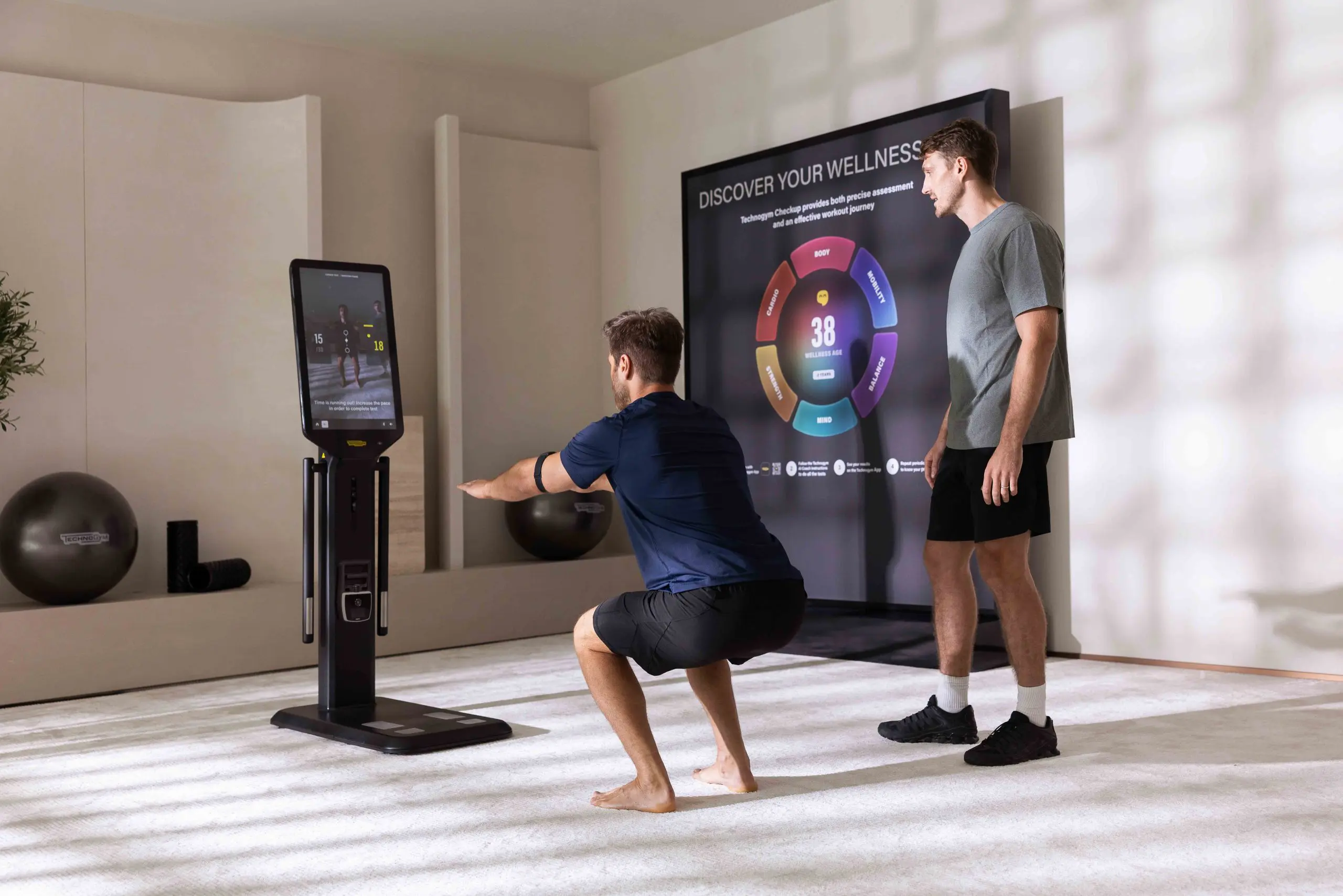
For Alessandri, this means looking at a combination of indicators, including body composition, mobility, cardiovascular fitness, balance and strength, to build a more individual picture of wellness. The aim is not simply to collect more data, but to make it useful: to understand what an individual needs, design a suitable programme and track how their body responds over time.
Asked where AI’s growing ability to analyse our bodies might cross the line from empowerment into anxiety, he is candid.
“Sometimes, technology creates stress, creates mental health problems. Today, AI is, many times, not used the right way. We use too much for everything. We need to select it, to regulate. It means to create policies, to define very well how we use AI.”
His point is not that technology should be abandoned, but that its role needs to be defined. In wellness, more information is not automatically better; its value depends on whether it helps people make meaningful changes without becoming consumed by constant monitoring.
From lifespan to healthspan
One of the most significant shifts in wellness is the growing emphasis on healthspan – the number of years a person lives in good health, rather than simply their total lifespan.
For Alessandri, healthy longevity is among the defining trends of the coming years. He sees an opportunity to bring elements of high-performance training, once largely associated with professional athletes, to a wider population, including older adults who want to preserve their mobility, strength and independence.
“The possibility to live longer in good health is a central part of the future of wellness. Longer life is easy. Longer life in good health is the point.”
It is an ambitious vision, and one that requires some nuance. Technology and exercise can support healthier ageing, but they are not guarantees of a longer life, nor can they replace preventive healthcare, nutrition, sleep or access to medical treatment. Still, the shift in emphasis is important. Rather than treating fitness as something pursued primarily for appearance or short-term goals, it positions physical activity as a long-term investment in everyday capability.
For a luxury audience, this changes the meaning of aspiration. The most valuable outcome may not be the ability to do more, but the ability to keep doing the things that matter.
Why India matters
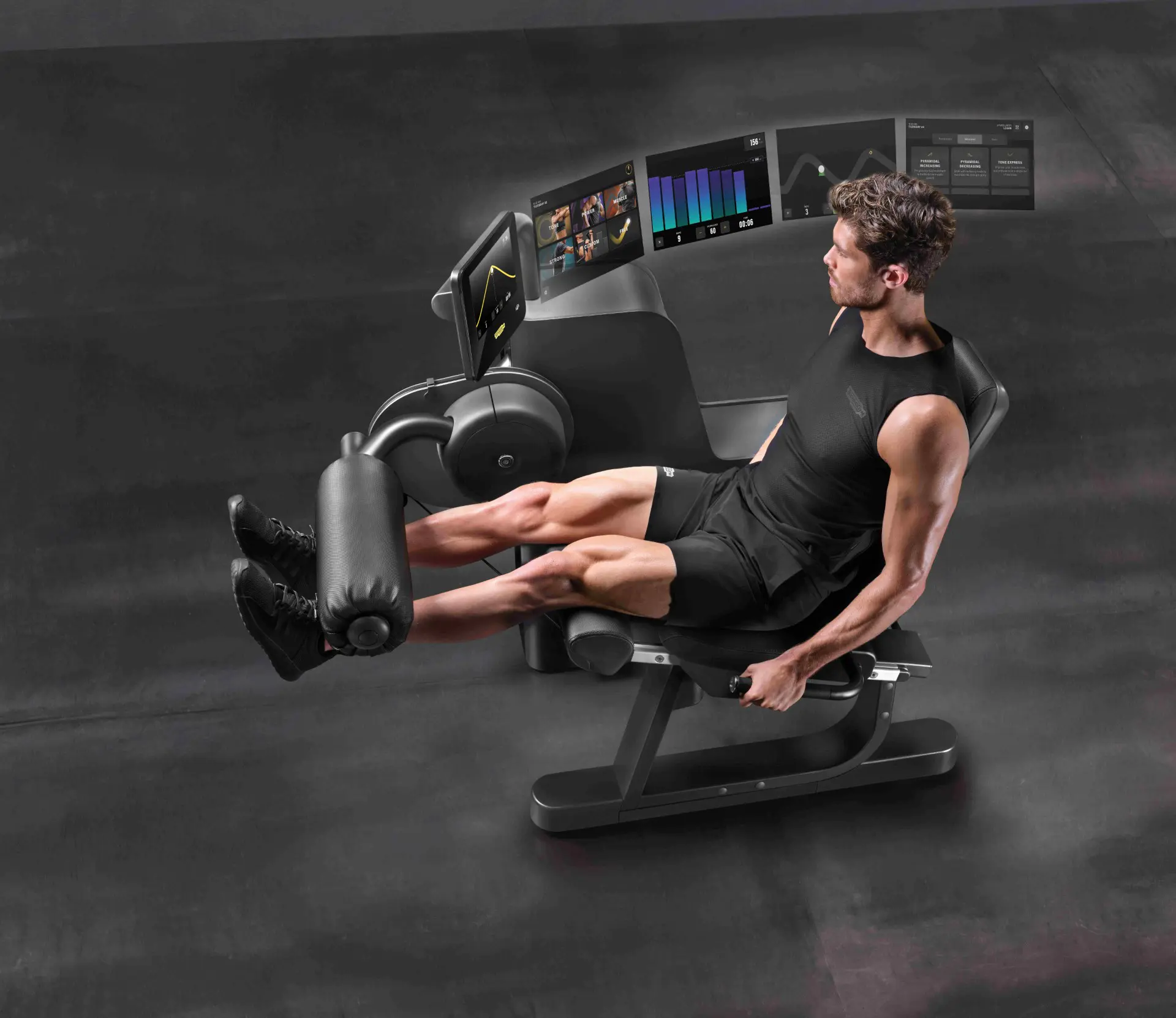
India presents a particularly interesting opportunity for this vision. According to a July 2025 report by Deloitte India and the Health & Fitness Association, the country’s fitness industry was estimated at ₹16,200 crore in 2024 and is projected to reach ₹37,700 crore by 2030, growing at an annual rate of 15%. Fitness facility memberships are expected to increase from 12.3 million in 2024 to 23.2 million by 2030.
Yet the same report points to a considerable gap. Gym and fitness-facility membership penetration stood at just 0.8% in 2024. The opportunity, therefore, is not merely to persuade existing gym-goers to spend more on premium equipment. It is to make structured physical activity relevant and accessible to a much wider population.
For Technogym, the luxury segment offers one route into this market. India’s expanding premium real-estate and hospitality sectors have made wellness amenities an increasingly important part of the experience, from hotel gyms and recovery facilities to dedicated spaces in private residences. The brand’s design-led approach places it at the intersection of performance and interiors, where equipment must deliver on function while fitting into the aesthetic of a considered living space.
Its collaborations with fashion and design brands have reinforced that position. A limited-edition collection created with Dior for the Dior Vibe universe, for instance, brought Technogym equipment into a fashion-led conversation about movement, design and lifestyle. But the Indian opportunity is larger than the luxury home. With such a small share of the population paying for access to fitness facilities, the long-term challenge is how to extend the benefits of regular activity beyond affluent urban consumers. That could mean more varied fitness offerings, workplace wellness programmes, hotel and residential facilities, and technology-enabled training that helps people remain consistent across different settings.
Alessandri sees this flexibility as one of the defining trends ahead. Wellness, he argues, should not be confined to a gym visit three times a week. It should become part of the rhythm of everyday life – at home, at work, while travelling or, when necessary, in rehabilitation settings.
“The fact that it’s on the go, you know the different locations of your life. Not only three times per week, one hour. But 24 hours per day, seven days per week in terms of mindset,” he says. “It’s the culture. It’s the mindset.”
Technogym’s journey began with a piece of equipment built in a garage. Its next challenge is more expansive & helping make wellness a habit that lasts well beyond the workout.