The luxury of letting go: Kapil Chopra on the hotels of tomorrow
- Featured Travel & Hospitality
 Luxebook
- 10 minutes read

By: Geetika Sachdev
Ask Kapil Chopra what makes a great hotel, and his answer goes beyond the usual markers of luxury. For him, it is about how a hotel makes you feel, how closely it understands its surroundings and, perhaps most importantly, how much freedom it gives you.
That philosophy has been at the heart of The Postcard Hotel since it launched in 2018, with a collection of distinctive properties shaped by their locations rather than a single formula.
As Luxebook’s ‘Hotelier of the Year’, Chopra talks about building hotels with personality, why luxury is increasingly about having fewer rules, and what the hotels of the future might leave behind.
LuxeBook: What does a new-age hotel need to do differently from a traditional luxury hotel?
Kapil Chopra: A new-age hotel has to stop treating hospitality as a process and start treating it as a relationship. Traditional luxury was about scale, grandeur, abundance and impeccable standards. Today’s traveller is also looking for freedom, authenticity, privacy and space.
At The Postcard Hotel, we try to remove unnecessary rules. You can check in when you arrive, check out when you are ready and have breakfast whenever you wake up. The second shift is from standardisation to individuality. Hotels should be shaped by their neighbourhoods and communities, with local ingredients, regional cuisine, architecture and experiences that belong to that place.
For example, the breakfast menu at The Postcard at Durrung Tea Estate is completely different from the one at The Postcard on the Arabian Sea, with hardly any dishes appearing on both menus.
Technology, too, should make hospitality more invisible, not less human. The guest should feel that the hotel understands them without constantly making them interact with systems.
LuxeBook: Why did you do away with fixed breakfast hours, and what has anytime breakfast taught you about guests?
Kapil Chopra: We never believed a luxury hotel should dictate when a guest’s day begins. A guest may want to wake up at 6am and watch the sunrise, or sleep until noon after a long journey. Why should both be expected to eat at the same time?.
So we removed the clock from breakfast. There is no buffet that closes, no last order and no feeling that you have missed breakfast.
What it has taught us is that guests don’t necessarily want more choice; they want fewer rules. Some have breakfast at dawn, some at lunch, and some order just coffee and fruit.
It has reinforced something we believed from the beginning: true luxury is not abundance, it is freedom. It is giving a guest the feeling that the hotel is adapting to them, rather than asking them to adapt to the hotel.
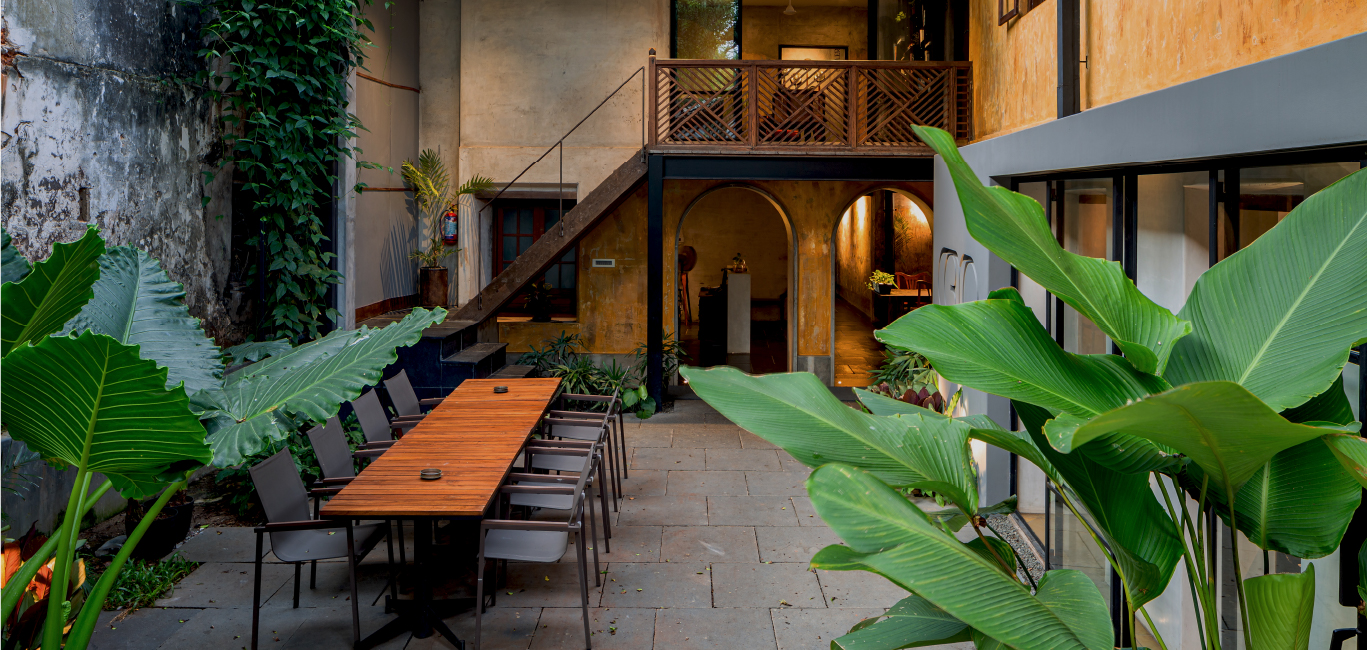
LuxeBook: How do you build a hotel around its destination without making “local” feel like a formula?
Kapil Chopra: The biggest mistake is thinking that making a hotel “local” means putting a few artefacts on the walls, hiring a local chef or adding a regional dish. That is decoration, not destination.
We start with the landscape, history, architecture, people, food, flora, fauna and way of life, and allow those things to shape the hotel. At Netravali in Goa, for instance, the experience is about the forest and the Western Ghats, a side of Goa many visitors don’t see. At The Postcard Mandalay Hall in Kochi, every room is conceived as an art gallery, reflecting the city’s contemporary art scene.
At Durrung Tea Estate in Assam, guests can pluck tea and then see those leaves transformed into CTC tea at the factory the next day. It is the real life of the estate, not something manufactured for visitors.
Food is equally important, whether it is sorpotel in Goa, Kundapur chicken curry in Karnataka or Ema Datshi in Bhutan. If you can pick up a hotel, move it elsewhere and nothing needs to change, you haven’t understood the destination deeply enough.
LuxeBook: How has the idea of luxury changed for hotel guests?
Kapil Chopra: I believe traditional luxury got something fundamental wrong: space. The average luxury hotel room globally is around 400 square feet, while our rooms range from 800 to 1,300 square feet, with our jungle rooms exceeding 1,200 square feet. Height, light and space are luxuries.
Luxury is also in details guests may not consciously notice. Our bins have wet liners so a wet tissue doesn’t create a smell, and we provide organic cotton tote bags instead of paper ones. The modern luxury traveller also wants local food, people and culture rather than a standardised experience. Luxury has moved from abundance to meaning, from having more to experiencing better, and from being served to feeling free.
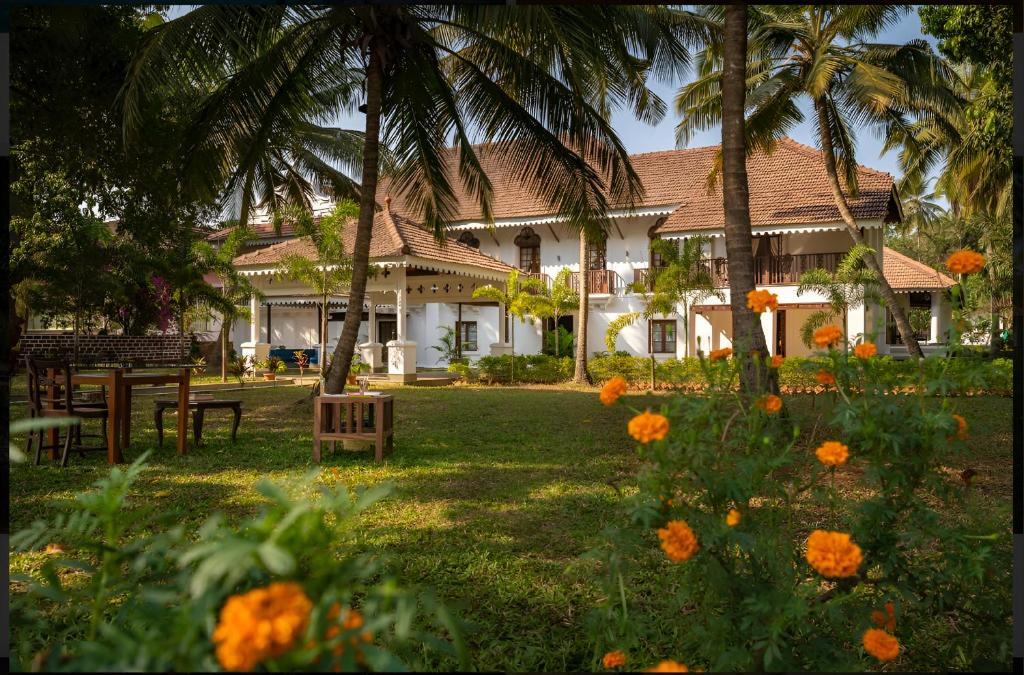
LuxeBook: As The Postcard grows, how do you retain the individuality of each property?
Kapil Chopra: The biggest challenge of building a luxury hotel brand is that growth can lead to standardisation. Certain things must remain consistent across every Postcard: service quality, attention to detail, space and our philosophy of freedom.
Beyond that, every property has to earn its identity from its destination.
Our site-selection process starts with a simple question: “Where is there a story worth telling?” We reject many sites because the location needs to have a soul and the hotel needs a reason to exist there. Goa is a good example. Saligao, Velha, Cuelim and Netravali are four very different interpretations of Goa, shaped by their individual histories, landscapes, architecture, food and communities.
The same applies elsewhere. Durrung is about the tea estate; a wildlife property is about the forest and animals; a coastal property is about the sea. We standardise the invisible things while allowing the visible experience to differ. We don’t want 100 Postcards that look alike. We want 100 hotels that people recognise as The Postcard but remember for completely different reasons.
Read our Travel Issue here.