What’s next for Indian gin?

By: Geetika Sachdev
For years, gin was the category that changed how urban India drank. Long before agave spirits and craft rum entered the conversation, it introduced consumers to botanicals, cocktail culture and the idea that a homegrown spirit could command a premium.
The numbers, however, tell a different story. Despite its cultural influence, gin still accounts for just 1% of India’s spirits market. Yet few categories have shaped the premium drinking landscape as profoundly. It has led to newer brands, nurtured cocktail culture and encouraged consumers to look beyond familiar labels in search of provenance, craftsmanship and flavour.
That influence alone, however, is no longer enough. Nearly every gin now has a local botanical story, consumers have more choice than ever before and newer categories are competing for attention. The challenge today is no longer getting discovered. It is building brands that last, earning repeat loyalty and proving that what began as a craft movement can mature into a sustainable category.
When every gin has a botanical story
The first generation of Indian craft gins arrived with a clear proposition. They introduced consumers to ingredients they had never associated with gin before: Himalayan juniper, native citrus, forest botanicals, local spices and regional flavour traditions. For a market that had long viewed gin through the lens of imported labels, the approach felt fresh and distinctly Indian.
But as more brands entered the category, what was once unique became commonplace.
“The first wave of Indian craft gin was defined by the botanical novelty story,” says Anand Virmani, co-founder and master distiller at Nao Spirits & Beverages. “Differentiation now comes down to one thing: is the story in the bottle or just on the label?”
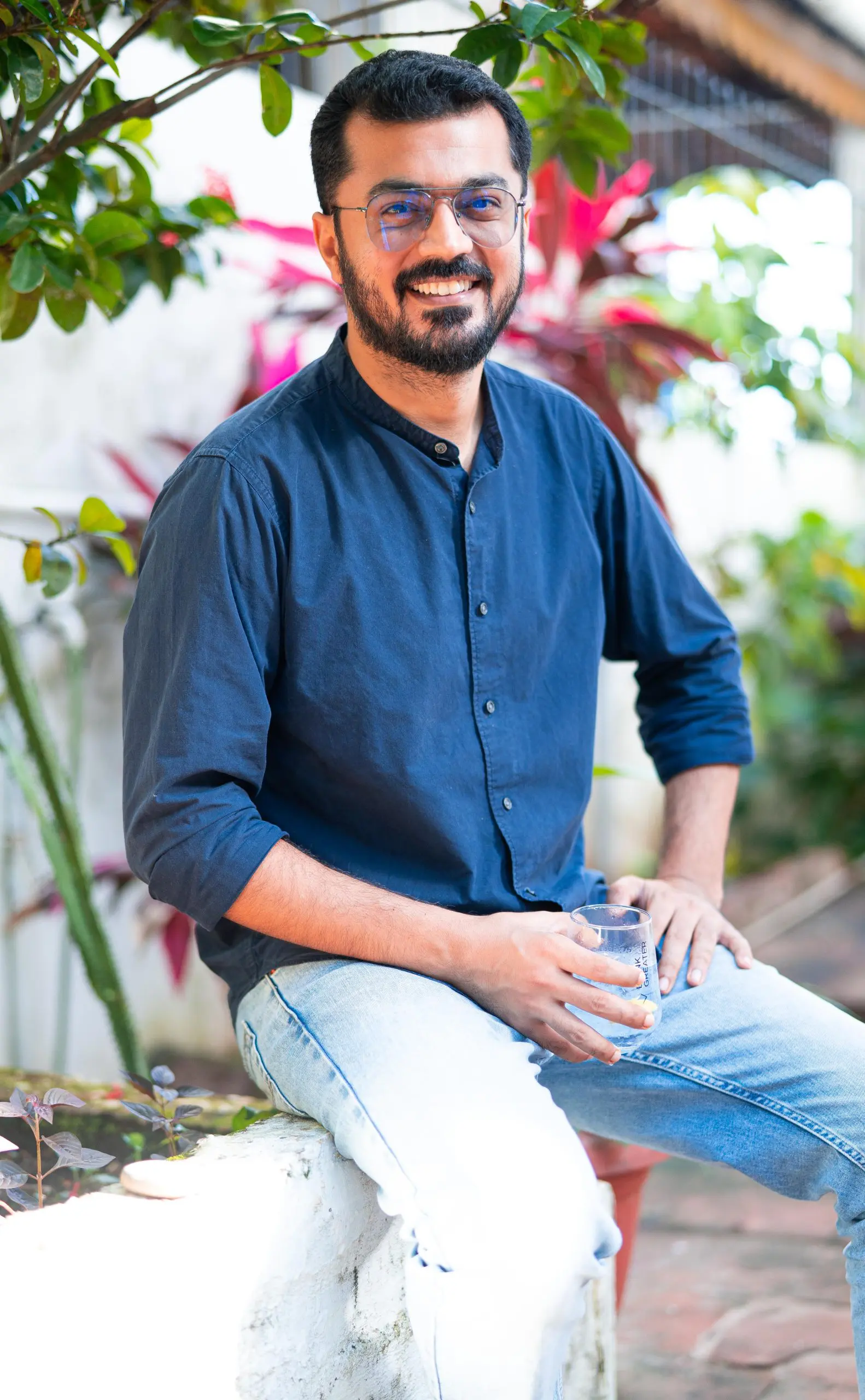
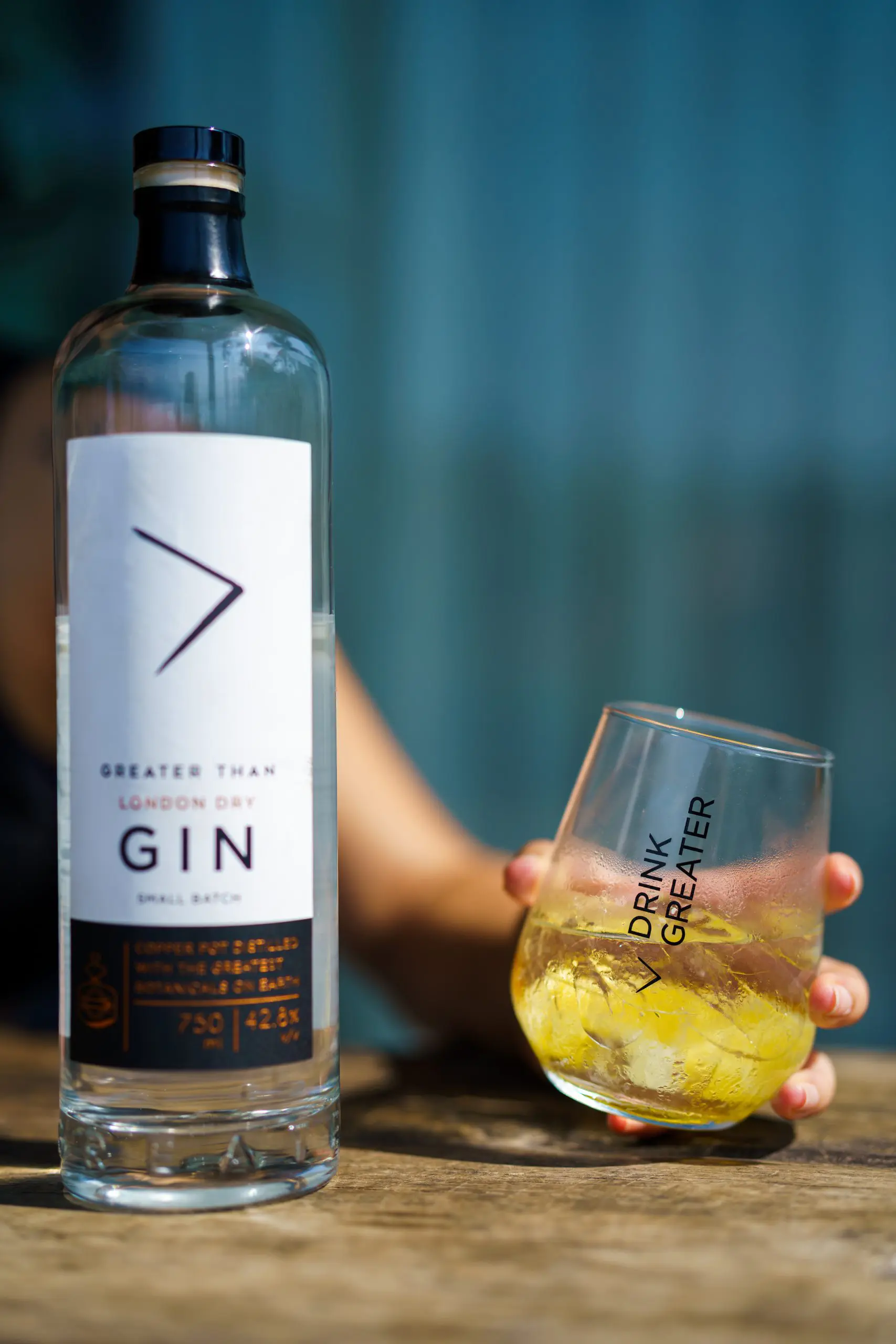
For Virmani, authenticity is measured by whether ingredients fundamentally shape the liquid itself. Hapusa’s wild-foraged Himalayan juniper, he argues, is not a marketing narrative but the defining flavour of the spirit. The same thinking informs Greater Than, which was designed not around an ‘Indian gin’ brief but around creating a product bartenders could consistently trust behind the bar.
A similar shift is taking place across the category. “Local botanicals gave Indian gin its first language,” says Vaniitha Jaiin, founder of Vanaha Gin. “But today, that alone is not differentiation. A botanical list can create curiosity, but it cannot build a lasting brand.”
Instead, Jaiin believes differentiation begins with purpose. Vanaha was conceived around the idea of the forest—not merely as a source of ingredients but as a feeling of pause, discovery and renewal. Years of research and a proprietary five-step distillation process were aimed at translating that idea into what she describes as “a forest in a bottle.”

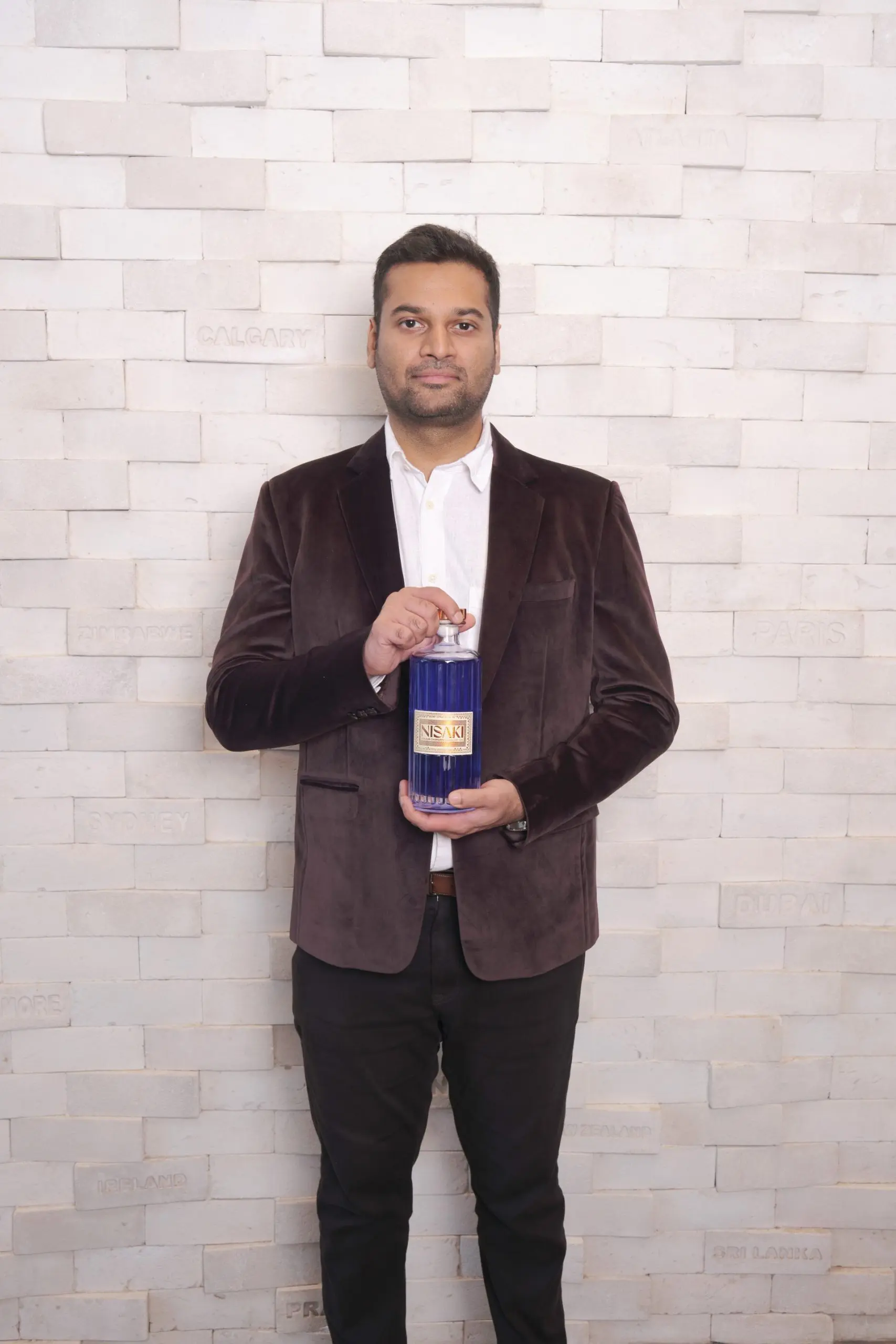
For newer brands, differentiation is increasingly experiential. Nisaki’s colour-changing gin is an example of how brands are moving beyond flavour alone. Its Co-Founder Sanchit Agarwal believes modern consumers are buying into entire brand worlds, where visual identity, hospitality experiences, storytelling and community matter as much as the liquid itself. “The category has matured and consumers expect far more depth from brands,” he adds.
The end of the revolution
Most people within the industry agree that Indian gin has entered a new phase where it’s about building brands that endure. “We completely agree that the movement has shifted from revolution to evolution,” says Agarwal. “The first revolution was craft gin itself, proving that Indian brands could create premium, globally competitive spirits rooted in local identity and craftsmanship.”
For many founders, the next stage is less about introducing consumers to craft gin and more about building long-lasting brands with the consistency and credibility to compete globally.
According to Varun Koorichh, Vice President, Marketing and Portfolio Head, premium and luxury at Diageo India, gin’s role now extends far beyond the cocktail glass. “The category has already established strong credentials within contemporary cocktail culture,” he says. “The conversation is now moving beyond novelty and into lifestyle relevance, where consumers are engaging with gin through culture, fashion, music, hosting occasions and personal expression.”
That shift may be the most significant sign of the category’s evolution. Success is increasingly tied not just to what is in the bottle, but to the communities, experiences and cultural relevance built around it.
Growing beyond the one-percent club
For a category that still represents a small chunk of India’s spirits market, optimism remains remarkably high. Most industry leaders see that figure not as a ceiling but as evidence of untapped opportunity.
“For us, it is clearly an opportunity,” says Hemang Chandat, chief commercial officer at Monika Alcobev Limited. “Consumers today are more experimental, cocktail culture is becoming mainstream and premiumisation continues to drive purchasing decisions.”
Chandat believes education remains one of the category’s most important growth drivers. Many consumers still think of gin as a single style, when the reality is far more diverse. Within Monika Alcobev’s portfolio alone, consumers can move from the Mediterranean character of Gin Mare and the botanical complexity of The Botanist to the heritage of Hayman’s and the Japanese craftsmanship of Tenjaku Gin.
Koorichh agrees that gin’s influence extends well beyond its volume share. “The category has become a catalyst for many of the shifts shaping modern drinking culture,” he says. Consumers are increasingly discovering gin through brunches, sundowners, music festivals, home entertaining and lifestyle-led social experiences rather than traditional bar occasions alone.
Yet growth is no longer about attracting first-time drinkers. “The honest answer is that repeat purchase is the only metric worth tracking at this stage,” says Virmani. “Trial got Indian craft gin on the map. That’s done its job.”
Others agree. “There is definitely more pride and openness towards homegrown premium labels today,” says Jaiin. “But pride creates trials. Loyalty comes only when the product delivers.” Agarwal adds that while visual theatre and storytelling may attract attention, repeat purchase ultimately depends on the quality of the liquid and the emotional connection consumers develop with the brand.
What is encouraging, however, is that genuine loyalty is beginning to emerge. Consumers are increasingly building home bars around specific brands and recommending them to friends, a sign that Indian gin may finally be moving beyond novelty-driven consumption.
The bartenders who built the category
If consumers helped grow the category, bartenders helped create it. Long before Indian craft gin became a mainstream conversation, bars and cocktail programmes were introducing guests to unfamiliar labels and encouraging experimentation.
Today, that relationship remains central. “Indian craft gins today have strong character and unique botanical profiles, which makes them exciting to work with,” says Prateek Gusain, beverage manager at Kimikai in Gurugram. “They bring familiar Indian ingredients and flavours that connect well with guests.”
But the role of bartenders is evolving alongside the category. Early cocktail culture often celebrated experimentation for experimentation’s sake. Today’s menus are becoming more restrained.
At Barbet & Pals in Delhi, co-founder Jeet Rana sees a similar shift. “We don’t use Indian craft gin simply because it’s Indian. We use it because it brings a particular botanical profile, texture or flavour that improves the final cocktail.” For Rana, the strongest brands are those where the liquid and the storytelling support each other equally.
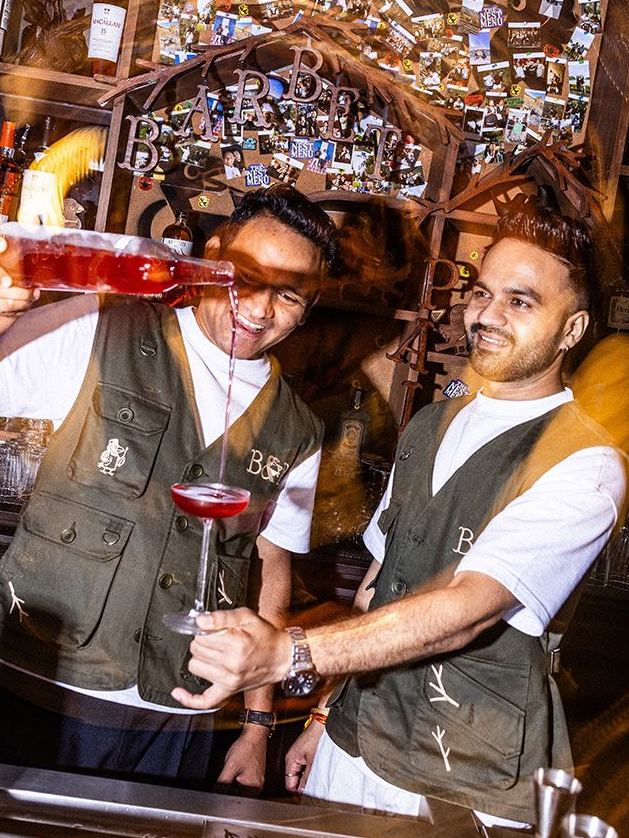
Varun Sharma, head of bars at EHV International, believes the emphasis is increasingly shifting towards clarity. Instead of masking spirits with excessive ingredients, bartenders are creating cocktails that highlight flavour profiles, regional character and botanical complexity.
While gin & tonic remains an important entry point, consumers are increasingly exploring martinis, negronis, gimlets and other spirit-forward serves with growing confidence.
The geography of gin culture is expanding too. Delhi, Mumbai, Bengaluru and Goa remain leaders, but Hyderabad, Jaipur, Chandigarh, Pune and Kolkata are developing increasingly sophisticated drinking cultures. Smaller cities such as Amritsar and Dehradun are also catching up as consumers travel more and gain exposure to premium spirits.
Perhaps most importantly, bartenders are now witnessing something that barely existed a few years ago: consumers actively requesting specific Indian gin brands. “Today, guests walk in asking for specific brands because they’ve had previous experiences with them,” adds Rana.
Building a national category
Even as founders discuss premiumisation, exports and brand building, many highlight that the biggest obstacle remains closer to home. India’s fragmented excise structure continues to make scaling a spirits business extraordinarily difficult.
“Every state is its own market,” says Virmani. “Different excise structures, registration processes, compliance requirements and distribution systems mean brands are effectively rebuilding their business strategy each time they enter a new state.”
For a craft producer, this often means producing against confirmed orders and adapting labels, pricing and route-to-market strategies repeatedly.
Jaiin describes India as “many markets inside one country,” each with its own realities. Success, she believes, requires patience rather than rapid expansion. Chandat agrees. “Scaling is not about entering every market at once,” he says. “It is about building sustainable foundations state by state.”
While the complexity creates challenges, it also forces brands to become more resilient and adaptable. The irony is that some Indian gin brands are finding it easier to discuss opportunities in London and New York than to navigate the patchwork of regulations within their own country.
Can Indian gin go global?
For many founders, the ultimate test lies beyond domestic success. Can Indian gin earn a permanent place on the world’s back bars alongside Scotch whisky, Japanese whisky and Jamaican rum?
The opportunity is real, but nobody is underestimating the challenge. “On a shelf in London or New York, being from India may open the first conversation,” says Jaiin. “It will not earn the second pour.”
Yet there is growing confidence that Indian brands have something distinctive to offer. Agarwal believes global consumers are actively seeking authentic cultural narratives and new flavour experiences, creating opportunities for Indian brands that can combine originality with world-class quality.
Bartenders are similarly optimistic. Rana believes Indian gin can follow the trajectory of Indian single malt whisky and become one of the country’s most important spirits exports. Sharma points out that Indian gin bottles are already appearing alongside established international categories on back bars around the world.
At home, meanwhile, competition is intensifying. Agave spirits and premium rum are enjoying their own moment in the spotlight. “The rise of agave spirits and premium rum reflects how much more curious and exploratory the Indian consumer has become,” says Koorichh.

For Chandat, these categories are not competing for exclusivity but coexisting within a more sophisticated premium spirits landscape.
Looking ahead, many believe the next frontier lies in translating India’s biodiversity, regional traditions and flavour memories into distinctive spirits that can resonate globally. Virmani points to the northeast, with its fermentation traditions, smoking techniques and little-known ingredients, as one of the country’s richest untapped resources. Jaiin sees potential in forest flowers, mountain herbs, woods, resins and wild citrus, while Agarwal believes familiar Indian flavour memories can be reimagined in ways that feel both contemporary and globally relevant.
The first decade of Indian craft gin was spent proving that India could make world-class gin. The next will be about building brands that earn loyalty at home and become, in Virmani’s words, an expected presence in the right markets rather than simply a compelling story from an unexpected country.”
That may ultimately be the challenge that defines the next chapter of India’s craft gin movement.