Why luxury beauty giants are betting big on India
- Beauty Featured
 Yashita Damani
- 20 minutes read

Luxury beauty giants are no longer treating India as an emerging market. Major acquisitions, entry markets, flagship boutiques, omnichannel expansion and creator-led storytelling are all proof that global players are racing to secure a place in one of the world’s deepest mines for the fastest-growing prestige beauty markets.
Every Indian girl knows the image. Aishwarya Rai Bachchan, ethereal and luminous, gliding through a L’Oréal Paris campaign with silk-like, impossibly lustrous hair, saying “Because you’re worth it” (before most of us even knew what a serum was). A Dior lipstick picked up on a trip to Paris or dousing yourself in a bottle of Chanel No. 5 perched on a vanity or at duty free.
French pharmacy shelves overflowing with cult skincare that somehow felt more magical because “it came from France”. For decades, French beauty wasn’t merely a category, it was the passport to luxury, discovered through glossy campaigns and souvenirs carried home in shopping bags long before they arrived on Indian shelves. Today, the gaze has shifted. France has its eyes on India.
France occupies a unique position within prestige beauty. Home to L’Oréal, LVMH, Kering Beauté, Chanel, Dior, Guerlain, Sisley and countless heritage fragrance maisons, the country has spent decades shaping the codes of luxury beauty. For Indian consumers, French beauty has long represented craftsmanship, science, heritage and aspiration in equal measure.
“I remember being a teenager and using kajal to give myself winged eyeliner because I saw it in a magazine,” Diipa Khosla
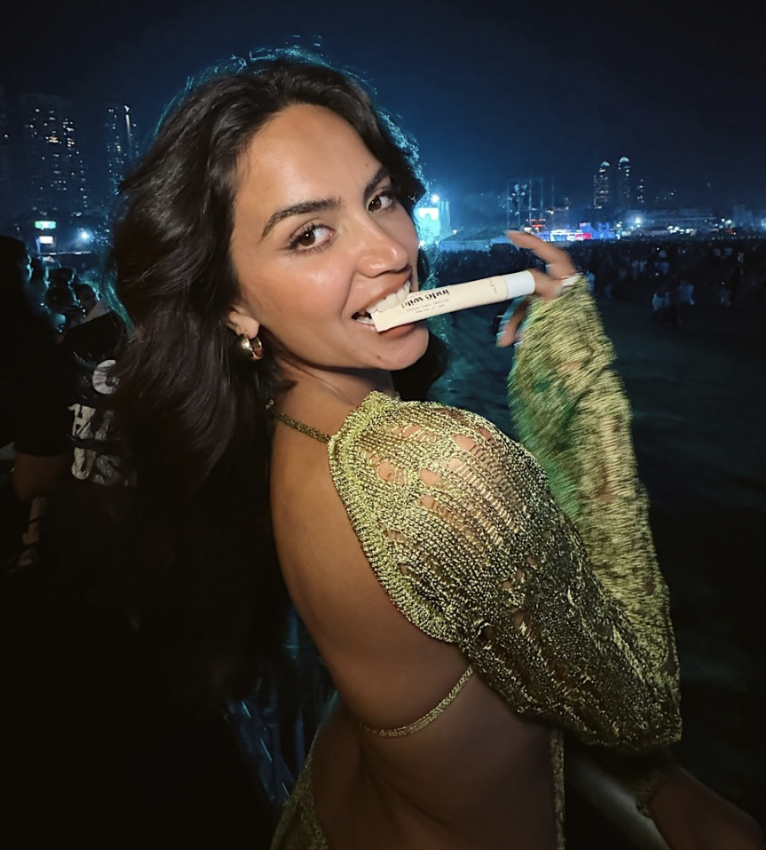
India’s relationship with beauty has always been a conversation between tradition and transformation. Long before global beauty giants began looking towards the country, Indian consumers were already experimenting, adapting and creating their own rituals.
Today, consumers discover a product on TikTok, Instagram or Paris Fashion Week and expect to find it on Indian shelves almost immediately. They no longer ask if a brand is available in India. They ask why it isn’t yet.
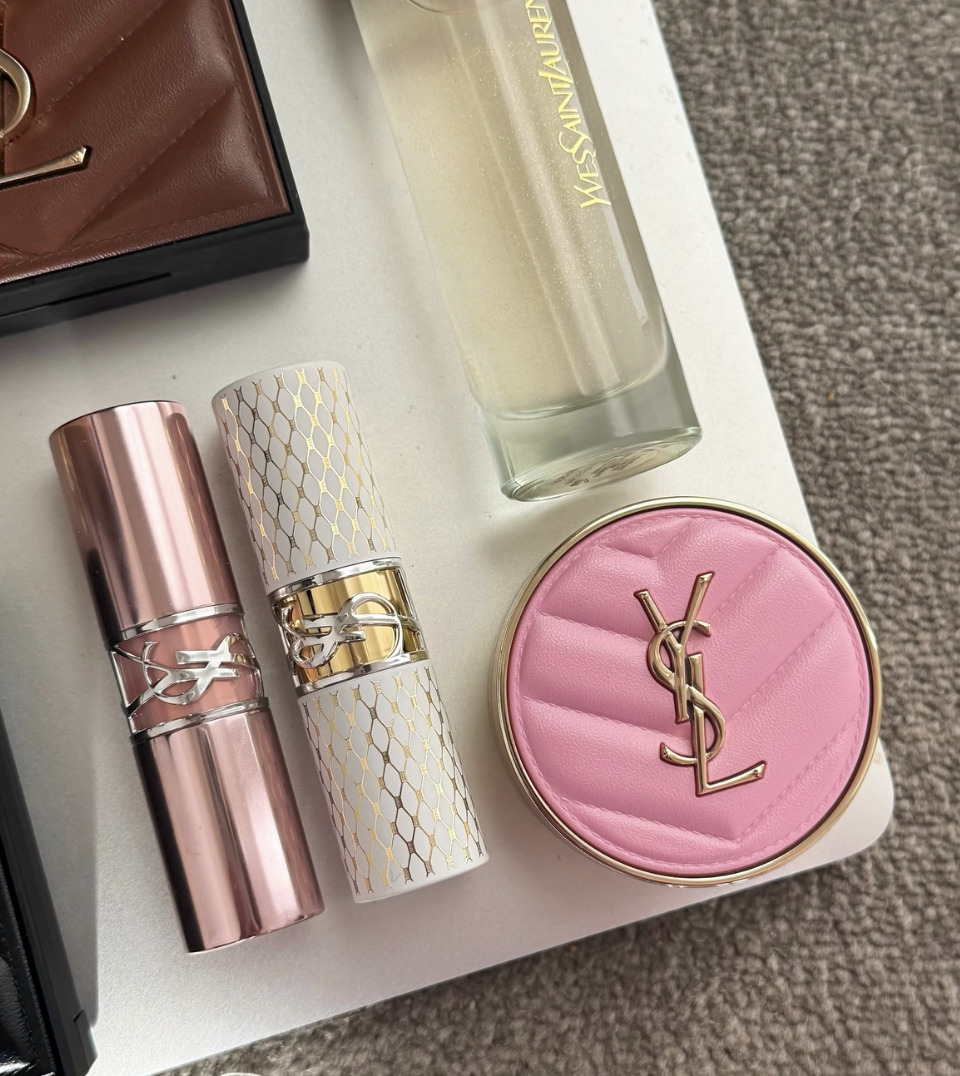
Every luxury market has its gateway purchase. For some, it’s a silk scarf. For others, a Swiss watch or an Italian handbag. But for millions of consumers, luxury begins with something far more intimate: the swipe of a Dior Lip Addict lip oil, their first Chanel lipstick, the spritz of a YSL perfume they’ve seen on every banner, or the ritual of an overpriced serum before bed.
French beauty has long been a democratic dream, offering consumers their first taste of luxury, heritage, and prestige long before couture ever enters the picture. What is interesting is that India is no longer simply buying French beauty. It is becoming one of the markets shaping its future. But, can India remain a prestige market without becoming over-discounted?
Why every global beauty giant wants a piece of India
According to NielsenIQ’s India’s Beauty Moment: Growth, Shifts & Strategies for 2026, India is now among the world’s fastest growing beauty markets, with beauty outperforming adjacent consumer categories through sustained double-digit growth.
The report identifies premiumization, omnichannel retail, digital first brands and social commerce as the forces redefining the industry, while the convergence of beauty and wellness continues to reshape how consumers shop, spend and engage with prestige brands.
Globally, online beauty sales are growing six times faster than in store sales, making omnichannel no longer an advantage but an expectation. Meanwhile, 52 per cent of consumers are willing to pay a premium for convenience, while 49 per cent are willing to spend more on locally made products, signaling a customer who values both global prestige and local relevance. Luxury today is measured by accessibility, immediacy, and trust.
Roshan Kunder, Marketing Head, Bioderma India, says the country’s rapidly growing premium beauty ecosystem is being fueled by increasingly informed consumers who are prioritizing science backed skincare and skin health. As awareness grows, brands are investing not only in distribution but also in consumer education, dermatologist partnerships and long-term accessibility across both online and offline retail.
The lipstick economy outpacing the luxury wardrobe

Luxury beauty is growing faster than categories like watches, jewelry, fashion, and cars, driven by affluent consumers and stronger trust in locally available luxury brands. Customers who previously traveled abroad for luxury beauty can now confidently buy these products domestically because of brand credibility and partner support.
“We also look at watches, jewellery, fashion, cars, all of these categories, but when you look at how they’re all growing, it’s actually beauty which is the one that’s thriving the most, and double digit growth: upwards of 25% depending on which year you look at it, and we expect it to continue to grow. Why? Because we know that there’s more and more affluent consumers out in the market who are ready to spend that money, but also because there’s increasing confidence in what we as brands can offer to the consumer.
A lot of these customers were traveling abroad to buy their luxury beauty, now they can get it here, and they can trust the brands, and they can trust the brands because of the work that we do with you. They can understand that we are bringing the brands here because worldwide have authority. You give them faith to be able to buy those products here and experience those brands here.” Shreshta Jana Director – Luxury Division, L’Oréal India
If handbags announce wealth, beauty quietly reveals aspiration. It is often the first luxury purchase; the category consumers return to most frequently and, increasingly, the one rewriting the rules of global luxury growth.
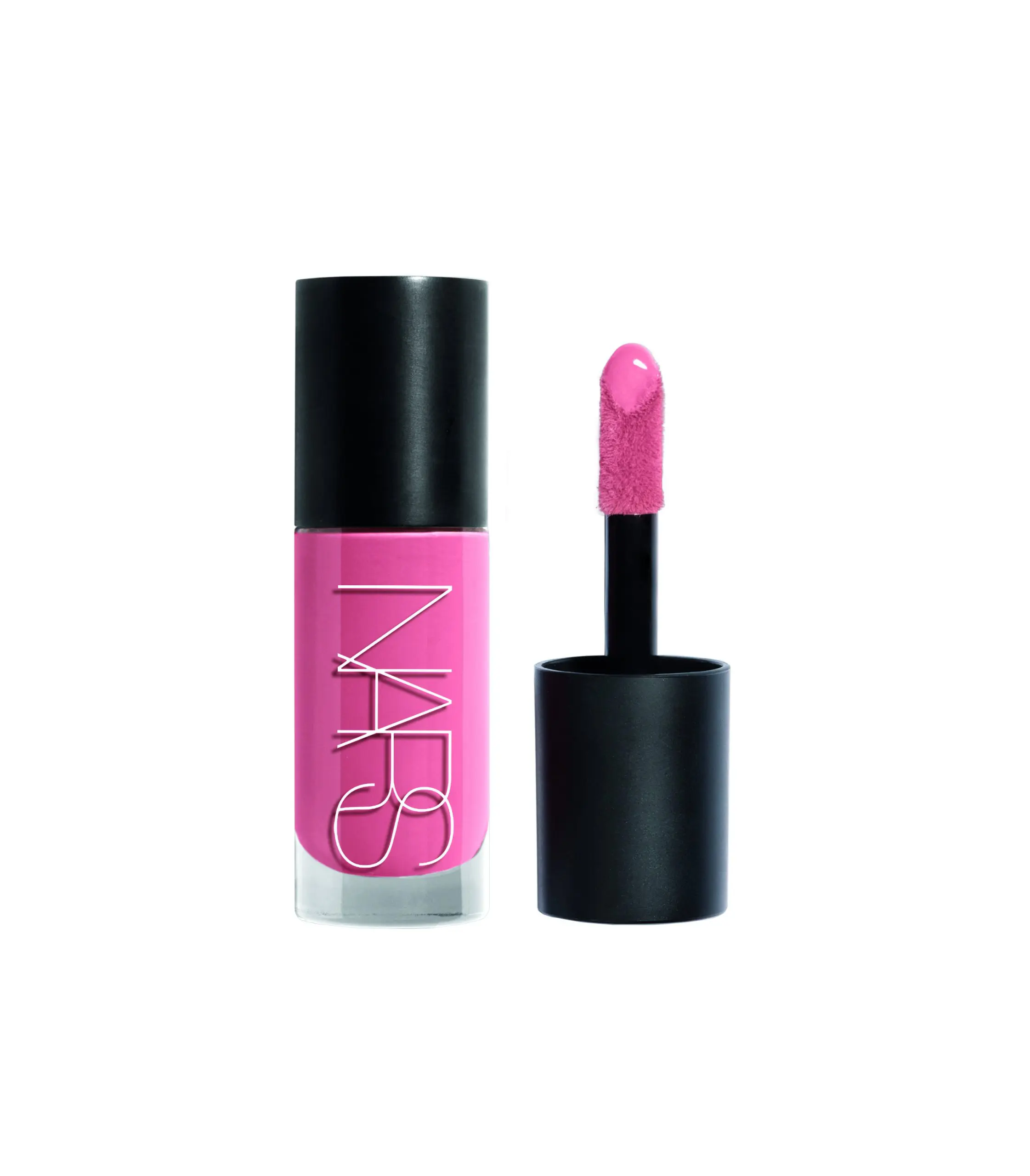
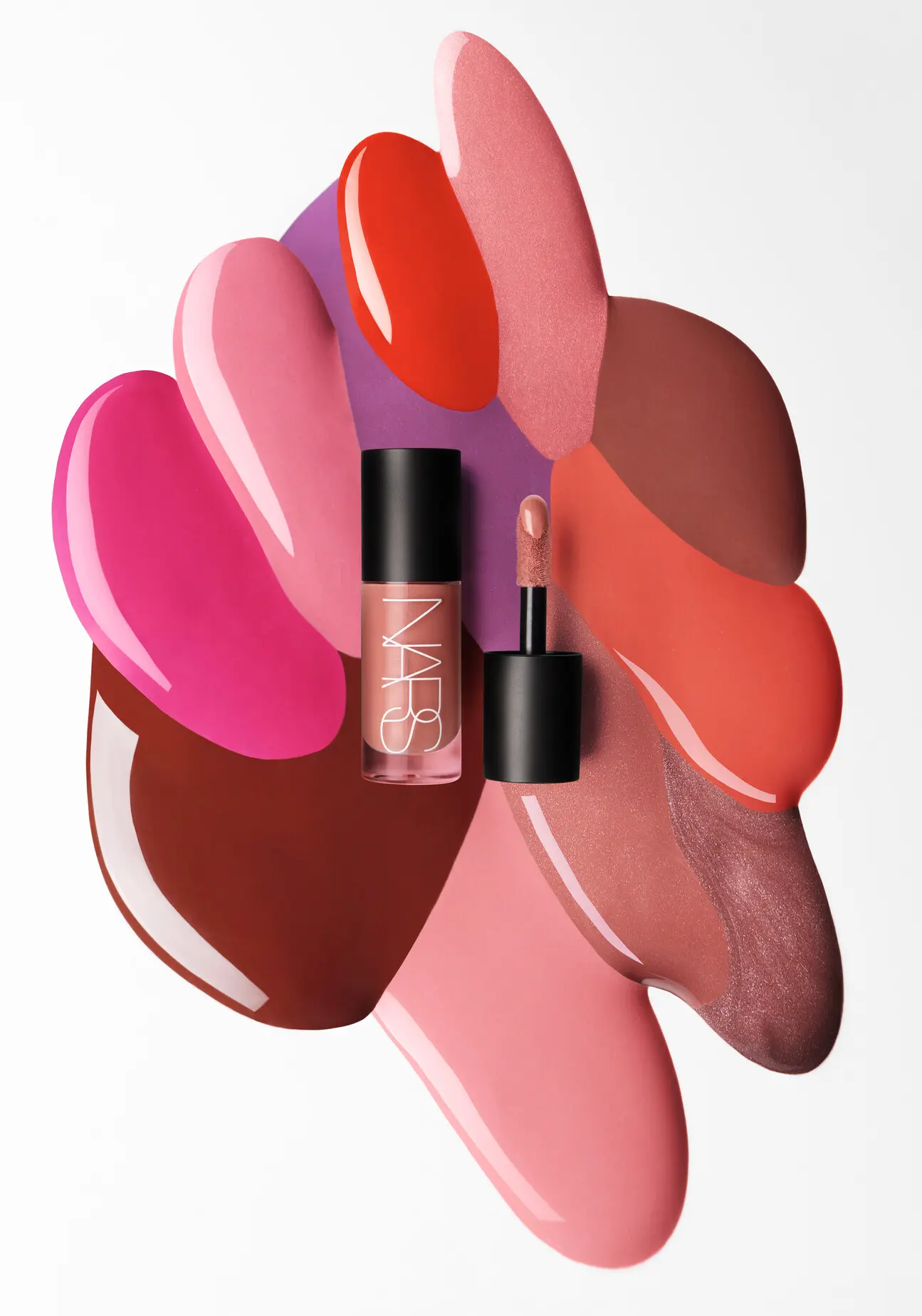
“The response since our debut has exceeded expectations and reinforced India’s importance as a strategic market for Shiseido in Asia Pacific. With strong consumer demand and a clear connection to the brand, this is the right moment to deepen NARS’ retail presence.” Sanjay Sharma, Country Head, Shiseido India
Since entering India in 2023, NARS has seen stronger-than-expected demand, giving the brand confidence to expand its retail footprint. Sanjay Sharma says the focus isn’t on opening stores quickly but on creating immersive spaces where consumers can experience the brand’s artistry, personalised services and global product lineup.
He believes today’s Indian beauty shopper is informed, discerning and increasingly willing to invest in premium products, particularly high-performance complexion makeup. Going forward, NARS plans to grow steadily across the right retail destinations while bringing Indian consumers closer to its global launches and signature beauty experiences.
India’s beauty consumer was always ahead of the conversation
“It has one of the youngest populations in the world, a rapidly growing premium beauty market, and consumers who are incredibly engaged. It’s grown into a market the world can learn from.” Diipa Khosla
What the industry is recognizing today is that the Indian consumer was never simply waiting to be introduced to beauty trends; they were already decoding, adapting and personalizing them.
Apart from this notion, the rise of the informed beauty consumer is one trend nearly every executive agrees on. According to Roshan Kunder, Marketing Head, Bioderma India, today’s luxury beauty customer is looking far beyond marketing claims, placing greater emphasis on ingredient transparency, scientific credibility and dermatologist backed formulations.
“Consumers are looking beyond trends and seeking products backed by science and proven efficacy,” he says, adding that skincare has become the foundation of the modern beauty journey, with purchasing decisions increasingly shaped by education, efficacy and long-term results rather than impulse alone.
From Shelf Space to Stakeholders

The confidence global beauty houses have in India is already translating into investment. Earlier this year, The Estée Lauder Companies completed its acquisition of the remaining stake in Forest Essentials in a deal valued at approximately $63 million, turning one of India’s most iconic Ayurvedic luxury beauty brands into a wholly owned part of its global portfolio.
Around the same time, reports suggested L’Oréal Group was evaluating an investment in Indian personal care company Innovist, reinforcing a broader shift taking place across the industry. The world’s largest beauty companies are no longer treating India simply as another retail destination. They are investing in its brands, its consumers, and its long-term potential. L’Oréal was approached for executive insights for this feature; however, the company declined to comment.
The next phase of luxury beauty growth will be won through accessibility rather than availability alone. Bioderma sees omnichannel retail as central to that strategy. According to Kunder, consumers now expect a seamless experience regardless of where they discover or purchase a product, making e commerce, premium beauty retailers and dermatology led consultation complementary rather than competing channels. The objective is no longer simply expanding shelf space but creating a consistent luxury experience across every touchpoint.
The momentum extends well beyond the boardrooms. Global maisons are accelerating retail expansion through partners including Shoppers Stop Beauty, Sephora, Nykaa Luxe, Tira and Tata CLiQ Luxury, while bringing international launches to India faster than ever before.
“Every boutique is a strategic building block in NARS’ India journey. We are expanding thoughtfully rather than growing simply for scale.” Sanjay Sharma
Dedicated India campaigns, local ambassadors, creator collaborations and immersive retail experiences are replacing the old model where prestige beauty arrived months after global launches. The dream once sold to Indian consumers through French campaigns has come full circle. Today, France isn’t just selling beauty to India, it’s betting a winning hand on India’s beautiful future.
Beauty minus the jet lag: does French beauty speak in Hindi?
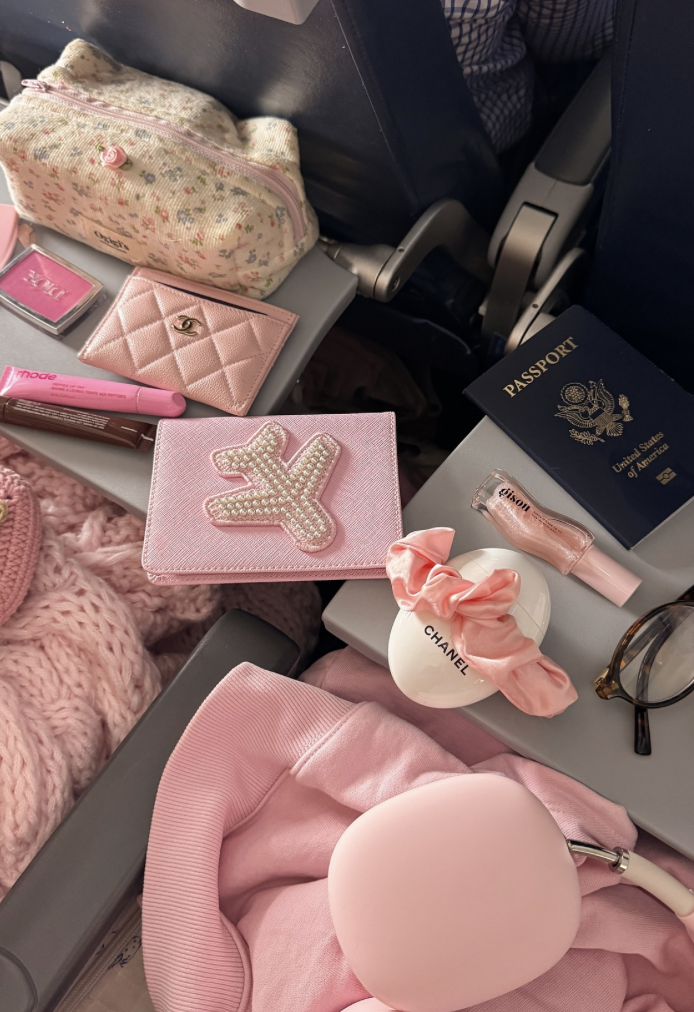
“Even something like our ‘Tyla Baddies’ moment wasn’t really about one viral reel. It was a reflection of a much bigger cultural shift. Indian beauty didn’t suddenly become cool overnight, the rest of the world just started paying attention. And yes, it was a long time coming, but now that we’re here, I think it’s such an exciting place to be.”— Diipa Khosla
The Indian customer is deeply aware of global trends: when a product launches in the US or UK, demand starts here almost instantly. More trust, more access, and a consumer who knows exactly what they want, safe to say the future of luxury beauty in India looks stronger than ever.
Perhaps it is also a long overdue recognition of a culture that has always spoken its own language of beauty. We do not need to be considered “hot” by Western standards to deserve representation or to escape the racism that has long shaped global beauty ideals.
“Over the last few years, I’ve watched that change quite dramatically. I think people are becoming much more curious because social media has finally allowed them to see India through our eyes and not through the western gaze.” Diipa Khosla
From hidden ingredients to the bindi and kohl box
“When I first started creating content, I often felt like people had a very narrow idea of what Indian beauty looked like, we were often locked into a bindi & kohl box. There wasn’t much room for the version I knew growing up – one that was modern, ambitious, global, but still deeply connected to where it came from.” Diipa Khosla
India’s influence on global beauty is not new. Its ingredients, rituals and botanical knowledge have quietly shaped luxury beauty for generations. India is owning intellectual property and sharing its cultural context with the world.
“Indian beauty didn’t suddenly become cool overnight, the rest of the world just started paying attention. My favourite example is one I learnt while creating our own fragrances, and it’s about one of the most famous French fragrances of all time. It was originally formulated with sandalwood from Mysore, and although they have now switched to a synthetic alternative those vintage bottles are coveted for being richer and creamier with a softer, more complex dry-down than modern formulations because of the Sandalwood. It’s a reminder that Indian ingredients have been shaping global luxury beauty for generations.” says Diipa.
Sanjay Sharma evokes the same notion: “Indian consumers are expressive, well informed and increasingly willing to invest in high quality beauty. They expect products that perform, feel relevant and help them express their individuality.”
As luxury beauty becomes more crowded, heritage alone is no longer enough to command loyalty. “Consumers are looking beyond marketing claims and seeking brands backed by science, transparency and proven efficacy,” says Roshan Kunder, Marketing Head, Bioderma India. In a market flooded with launches, trust has quietly become luxury’s newest currency. The brands likely to win are not necessarily the loudest, but the ones that can consistently educate, perform, and build long term credibility.
What is satisfying is that a generation that once memorized French beauty campaigns is now quietly influencing the boardrooms that create them. India has moved from the waiting list to the priority list.
You may also read: Palaces & Châteaux: A tale of two royal worlds