An evening of food, memory & Punjab’s shared heritage
- Featured Food & Beverage
 Luxebook
- 5 minutes read

By: Ayandrali Dutta
There are dinners where one remembers the food. Then there are evenings where every course lingers because of the stories it carries.
At Ikk Panjab, those stories have become the very essence of its now-signature Provenance Dinners—immersive evenings where food is never merely about taste, but about tracing histories, reclaiming memories and understanding identity through the lens of the dining table. Over the years, the series has become synonymous with the restaurant, transforming every gathering into a thoughtful exploration of Punjab’s shared cultural heritage.
Its latest edition, 1947: The Taste of What Remains, perhaps carried the greatest emotional weight yet. Curated around the legacy of the Partition of India, the evening unfolded not as a historical lecture but as an intimate conversation between poetry, music and food. It explored migration, belonging, resilience and memory, reminding guests that while borders may divide land, they cannot erase culture.
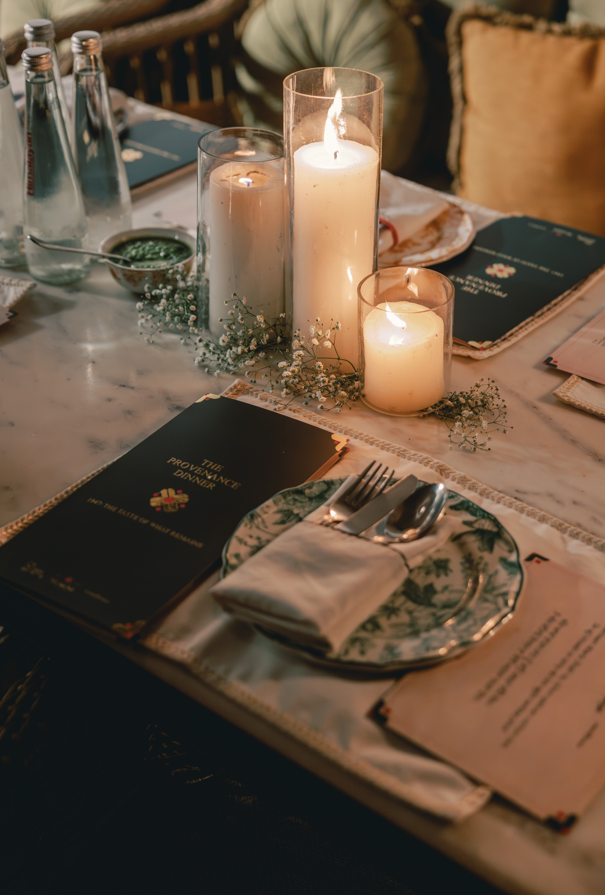
As the grand much awaited dinner stared there sat Amy Singh reciting letters addressed to Lahore and as the strains sarangi rise gently, carrying echoes of a Punjab that existed before borders, before maps redrew destinies, before homes acquired new postal addresses. Then, almost quietly, the first course arrives.
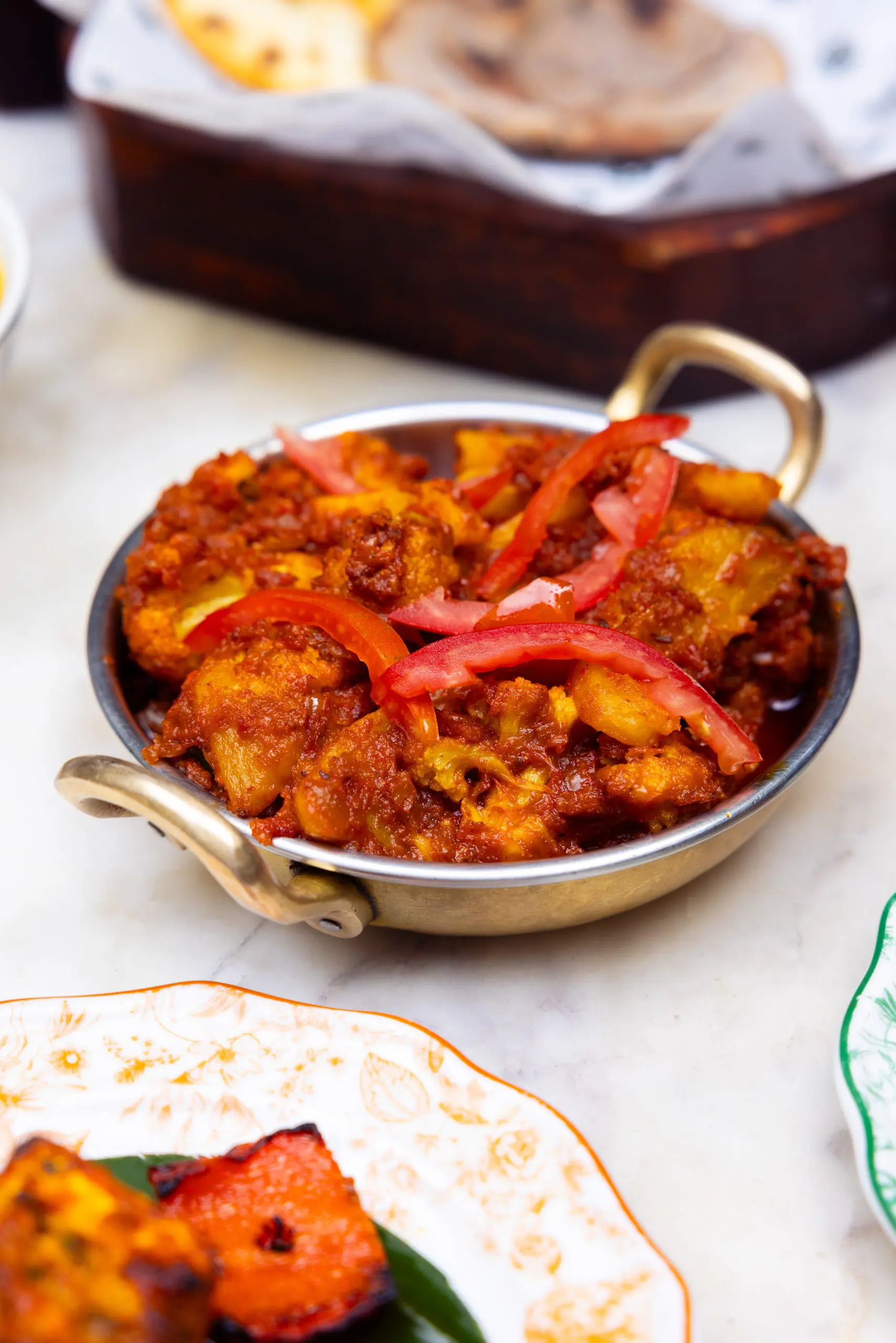
The first course started with Lahori Sajji, that reflected centuries of culinary migration and nomadic communities. Moving was the humble meal of black wheat (kala gehu atta) paratha, paired with kadhi, aloo gobhi and desi chicken curry. It wasn’t designed to impress through luxury ingredients but through familiarity. The course celebrated everyday Punjabi kitchens—the kind where recipes were measured by instinct rather than written instructions, where simple meals anchored families navigating uncertain futures. It tasted of routine, resilience and survival.
Then came the deeply comforting Kunna Gosht, a dish slow-cooked for hours in earthen pots until the meat surrendered effortlessly to the spoon. Traditionally associated with Punjab’s rural kitchens, its patient cooking seemed symbolic of resilience itself—a reminder that some of life’s richest flavours reveal themselves only with time.
But perhaps no course captured the emotional heartbeat of the evening more profoundly than Shakkar Ki Roti , For many guests, it wasn’t simply dessert. Across the tables, conversations suddenly changed, Someone remembered their grandmother while someone laughed about refusing to eat plain rotis as a child until a mother transformed them with ghee and sugar.
As Rajan Sethi, Managing Director, Bright Hospitality Private Limited, aptly reflected, “The stories that define us are rarely preserved in monuments or history books alone. More often, they live on around our dining tables, in recipes passed from one generation to the next, in songs that continue to be sung, and in traditions that quietly endure despite the passage of time.”
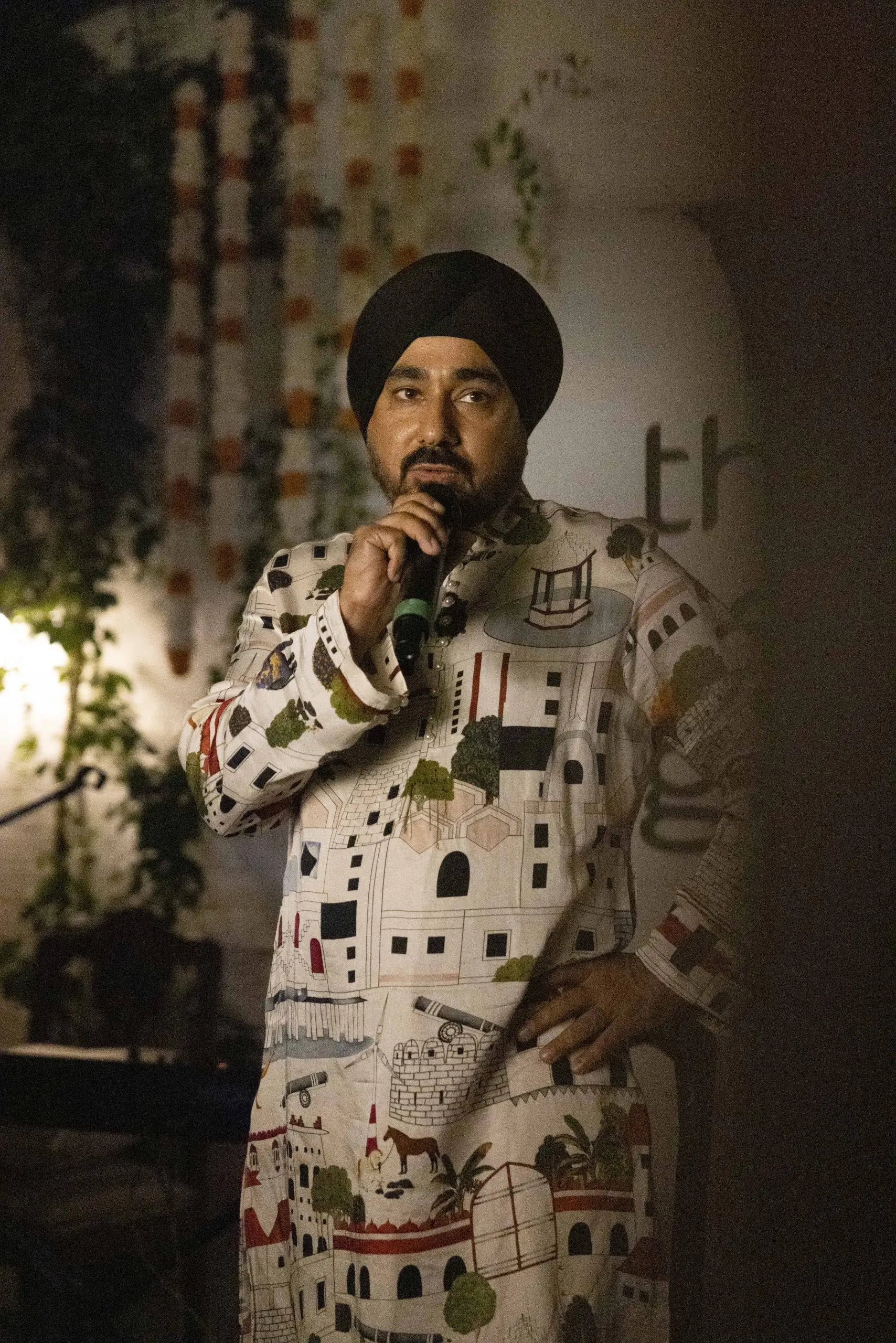
It is this philosophy that has transformed the Provenance Dinner into far more than a themed dining event. It has become an evolving cultural archive where every menu is researched with the same care one would devote to preserving family heirlooms.
Reflecting on the concept, Vernika Awal, Brand Lead at Ikk Panjab, observed that food remains one of culture’s most enduring markers. While homes may have been lost during Partition, recipes survived because families carried them in memory rather than luggage.
Each dish on the plate honoured the resilience of communities who rebuilt their lives around familiar flavours. The dining table became a place where identity could be reclaimed one meal at a time.
Post one of the most hearty dinner came the most poignant performance came from Des Raj Lachkani and Group. Born in pre-Partition Lahore and a custodian of the centuries-old Dhad-Jatha and Sarangi traditions, Lachkani’s music felt less like a performance and more like inherited memory made audible. Every note carried the weight of a homeland remembered.
As the evening drew to a close, conversations lingered long after the final course had been cleared. It won’t be wrong to say that with every Provenance Dinner, Ikk Panjab continues to redefine what hospitality can achieve. The restaurant is no longer simply a destination for regional cuisine; it has become a custodian of collective memory, preserving Punjab’s living heritage one thoughtfully curated experience at a time.
In an age where experiential dining often leans towards spectacle, these evenings find their strength in sincerity. They encourage guests to slow down, listen and understand the provenance—not just of ingredients, but of cultures themselves.
Each edition tells a different story, yet the underlying philosophy remains unchanged: food is among humanity’s most enduring historical documents.
You may also read: Is Pecan the superfood we’ve been sleeping on?