India’s next great hotel addresses
- Featured Travel & Hospitality
 Luxebook
- 8 minutes read

By: Geetika Sachdev
India’s next wave of five-star hotels is taking shape beyond the addresses that have traditionally dominated the sector. Hotel companies are looking at wildlife country, pilgrimage towns, the hills, smaller cities and destinations better known for wellness or weekend breaks. At the same time, international brands that once had a relatively small presence in India are adding more hotels, while Indian groups are extending their own portfolios into new corners of the country.
Indian hotel companies are expanding at the same time. EIH, part of the Oberoi Group, has partnered with Bhartiya Hospitality to develop 20 luxury lifestyle resorts across India and select international destinations. IHCL acquired a 51% stake in Sparsh Infratech, owner of Atmantan in Mulshi near Pune. The Leela also has a project in development in Jaisalmer, taking its portfolio into another destination-led resort market.
What makes this phase different is the range of properties being planned. Alongside conventional hotels are large resorts, villa-led retreats, wellness-focused stays and lifestyle properties, with companies testing different formats for different destinations. Some are building new brands in India; others are taking names already familiar to international travellers into places where they have never operated before.
The expansion is being helped by infrastructure. “Better airports, highways and regional connectivity are changing the way Indians travel and, more importantly, changing where they are willing to travel,” says Akanksha Lamba, Co-Founder and Senior Vice President Operations at The Postcard Hotel. “Places that would earlier have been considered too difficult to reach are now becoming viable leisure destinations.”
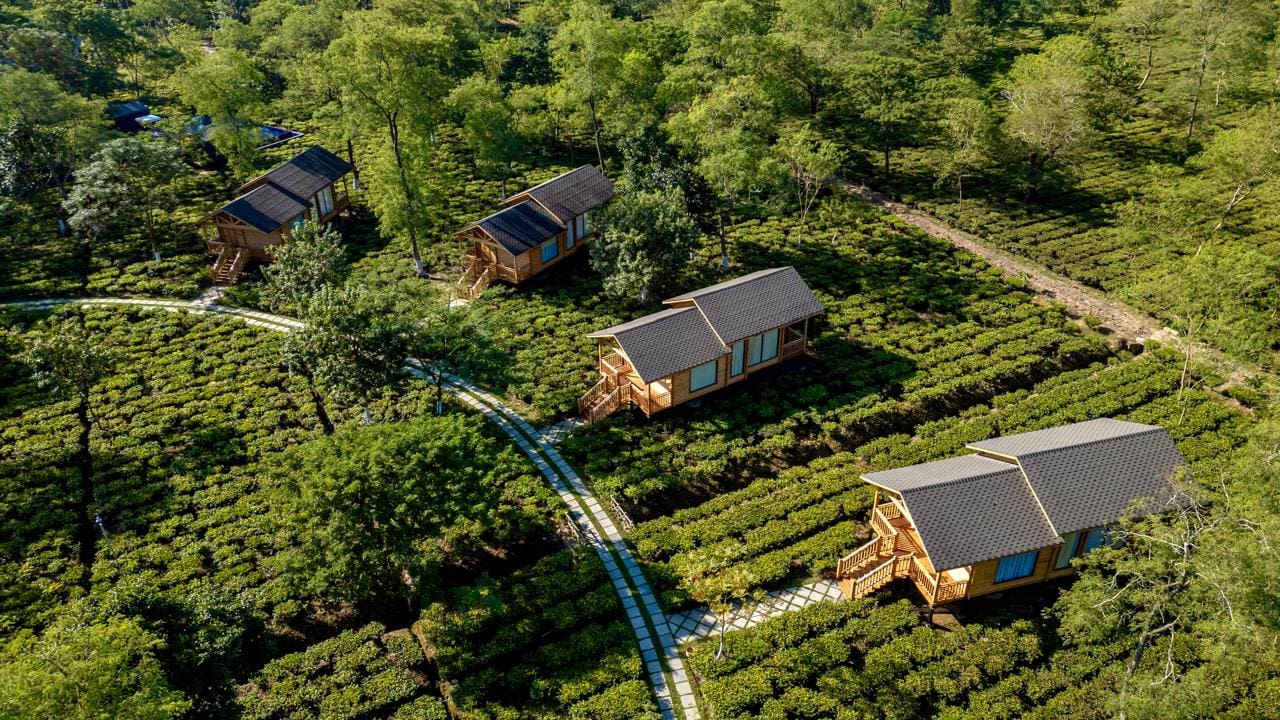
The Postcard has been building around this change for some time. Its properties include a hotel on a 1,400-acre tea estate in Assam and another in Stok, Leh. It is now developing hotels in Jawai and Kanha, as well as on the Rapti River in Chitwan, Nepal, with Pench and Pasighat on the Siang River also on the cards.
A new generation of resorts
The Leela Coorg Forest Sanctuary, which opened in July, sits within one of Coorg’s oldest coffee estates. The IGBC Platinum-certified retreat draws on Kodava heritage, estate living and the surrounding forest, with contemporary architecture alongside local craftsmanship. Mist-filled mornings, birdsong and views of the forest are woven into the design of the retreat.
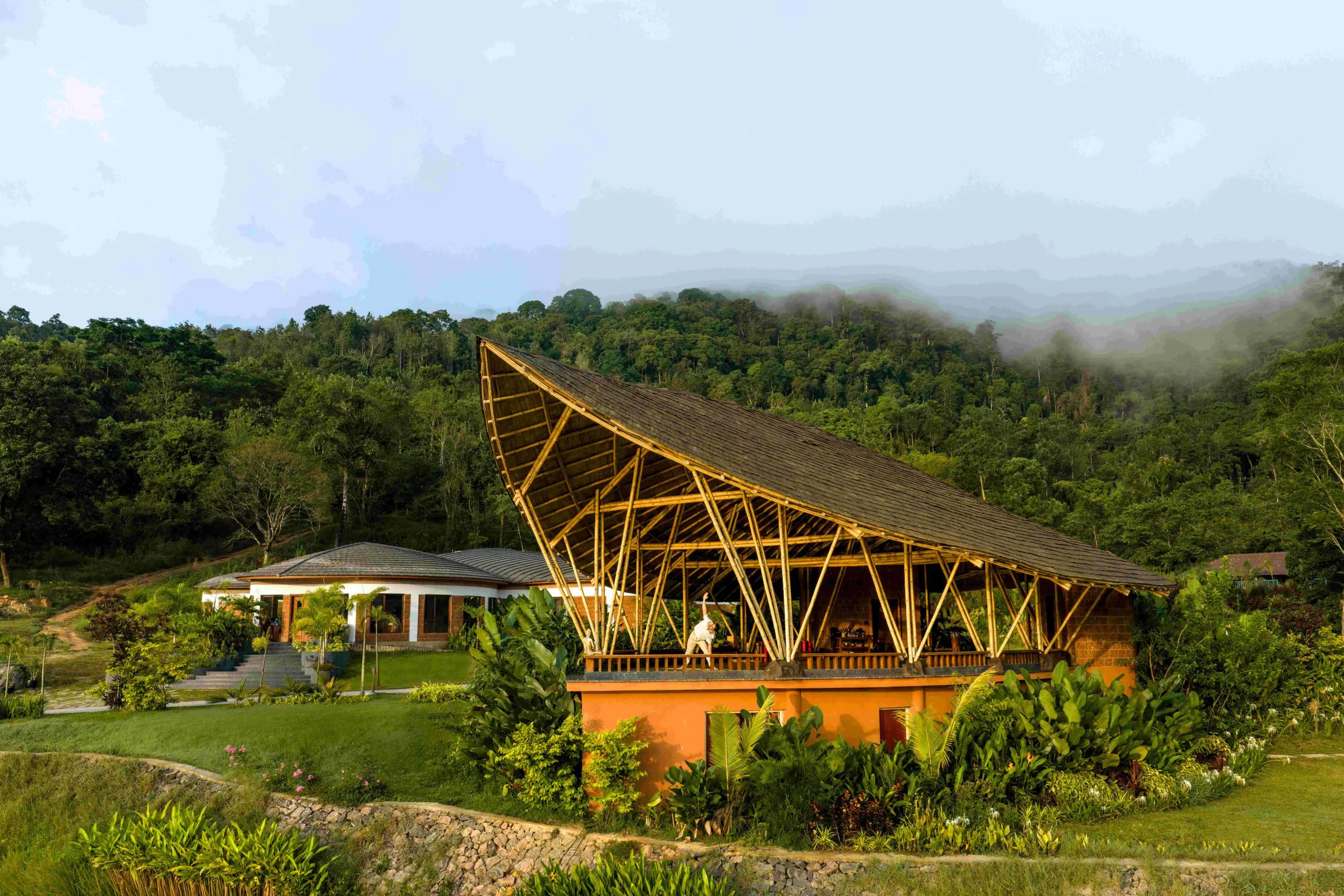
For Anuraag Bhatnagar, Chief Executive Officer, The Leela Palaces, Hotels and Resorts, the opening marks “an important milestone”, as the group expands its portfolio across India. The company is also taking the brand to Sikkim, with a 140-key property in Ranka due to open in December 2026. Spread across 17 acres overlooking Gangtok Hill, it will include villas and wellness accommodation.
Devarana Sakleshpur – A Dusit Retreat is scheduled to open in March 2028 with 75 villas and suites and a focus on wellness, while Raffles Ranthambore is planned as a 63-villa resort, expected to open in mid-2027.
Across these projects, the hotel is being designed with its location in mind, whether that means a coffee estate, a Himalayan landscape or a wildlife destination.
New reasons to check in
Pilgrimage is another area attracting five-star investment. The first of four planned Taj hotels in Ayodhya has now opened: the 162-key Ayodhyām – IHCL SeleQtions. The city is also set to get a Taj-branded hotel, giving the destination properties from two of IHCL’s luxury brands.
Ayodhya is not an isolated case. IHCL’s upcoming Taj Rameswaram will spread across 70 acres and have 300 keys, alongside a wellness centre, two speciality restaurants, a bar lounge, pool bar, banquet and meeting spaces, a swimming pool, fitness centre and spa.
Hotels are also finding new reasons to build beyond the major cities. Weddings, for instance, can turn a resort stay into a multi-day occasion, bringing together accommodation, dining and celebrations under one roof. This has made destinations outside the traditional city and beach circuits increasingly relevant for large-format resorts.
International brands are expanding alongside Indian groups. Slohh by Roach, part of Hilton’s Curio Collection, has recently opened in Bengaluru, while The Den Bengaluru is slated to become the first LXR Hotels & Resorts property in India. Signia by Hilton is planned for Jaipur in 2028. Hilton has also announced a Waldorf Astoria in Goa, its third in India after Jaipur and New Delhi.
Accor has Raffles Goa Shiroda and Fairmont Goa Shiroda planned for 2030, alongside Raffles Ranthambore and Sofitel Legend Sukh Bagh Jaipur.
What comes next
The scale of investment behind the expansion is also visible in hotel transactions. NOESIS Hotel Advisors, in its study of hotel transactions in India, tracked around 125 deals covering 37,847 keys, with a disclosed deal value of Rs 36,564 crore. The buyers included developers, family offices, institutional investors, lenders, landowners and first-generation hotel owners.
The hotels being built also have a larger pool of Indian travellers to serve. That includes affluent families taking short breaks, couples travelling for wellness, wedding groups, corporate travellers and guests looking for higher-end stays within India. India’s millionaire households are projected to grow at a compound annual rate of roughly 17.5%, giving hotel companies a growing pool of potential customers.
At the same time, Indian hotels are gaining greater international recognition. The 2026 MICHELIN Guide hotel selection includes 47 Indian hotels: 30 with One Key, 15 with Two Keys and two with Three Keys. Taj Falaknuma Palace in Hyderabad and Taj Lake Palace in Udaipur received Three Keys, while the wider selection includes palace hotels, wildlife retreats and properties in Jaipur and Mumbai.
The next five to seven years are likely to bring more projects into places that have not traditionally been associated with five-star hospitality. But a strong pipeline does not guarantee that every destination will support a successful hotel. Access, seasonality, local attractions, room demand and the ability to sustain rates will all play a role in determining which projects have staying power.
For Lamba, the direction is clear. “As infrastructure improves, I think we will see luxury hospitality play a much bigger role in opening up new destinations rather than simply adding more supply.”
For India’s hotel industry, the question now is not simply where another five-star hotel can be built, but which emerging destinations can give travellers a reason to stay.