The new luxury traveller has four legs
- Featured Travel & Hospitality
 Luxebook
- 15 minutes read

By: Indu Joshi
While travelling in 2026 there is a new caveat. The person making the hotel booking may have opposable thumbs, the person influencing it may well be furry and four-legged! For India’s luxury hospitality industry, pets are no longer simply passengers being brought along on holiday. They are increasingly influencing where people stay, how they travel and what they expect from a luxury vacation. And hotels and luxury villas are beginning to take notice.
The shift is not entirely new. In a 2024 interview, Taljinder Singh, then Senior Vice President, IHCL, observed that “The rise in pet ownership has fundamentally changed the hospitality industry, creating a significant demand for more inclusive and comfortable accommodation for pets.” He described it as part of a broader societal change in which pets are increasingly viewed as integral family members.
The trend appears to have gained further momentum in 2026. Booking.com’s latest Travel Trends research found that around 10% of Indian travellers plan to travel with pets this year, up from 6% in 2025. The research also shows pets increasingly influencing the choice of accommodation, destinations and activities. That influence is visible in the way travellers search for accommodation and plan their holidays. Booking.com says global searches for pet-friendly accommodation reached nearly 15 million in 2025, placing it among the platform’s top ten search filters, with the Asia-Pacific region accounting for 2.3 million searches. Its research also found that 62% of pet travellers selected a hotel, while 61% chose a pet-friendly vacation rental or apartment. Once at their destination, 64% sought pet-friendly beaches or swimming areas, 59% explored pet-friendly city centres or towns and 48% took nature hikes in rural areas or parks.
Pet particulars
According to Tejas Parulekar, founder of SaffronStays, bookings for pet-friendly villas have grown by an average of 25% a year since 2024. The company estimates that India’s pawprint economy could reach approximately $3 billion by 2030. The numbers point to a simple shift: pets are increasingly influencing where people stay, how they travel and what they expect from a holiday.

For hospitality businesses, that is the more interesting part of the trend. A pet-friendly policy can influence not just whether a guest books a particular room, but whether they choose the destination in the first place. And as more travellers begin to consider the needs of their pets while planning holidays, properties are having to think about what “pet-friendly” actually means. A pet-friendly hotel can no longer mean little more than a bowl of water at the door and a polite warning to keep the dog off the bed.
The trend is particularly visible in the luxury villa market, where space and privacy offer an obvious advantage to pet owners. According to Parulekar, bookings for pet-friendly villas have grown by an average of 25% a year since 2024. The company also points to the Indian pawprint economy, which it says is projected to reach approximately $3 billion by 2030
And nowhere is this shift more obvious than in the luxury villa market, where giving a dog room to be a dog is rather easier than it is in a hotel. A private home, garden and open space allow families to maintain some of the routines their pets have at home, without worrying about crowded public areas or other guests. SaffronStays says its Signature Series homes are particularly popular because they offer greater space and comfort. Its 100% pet-friendly villas allow pets access to the pool, large open lawns and the entire home, subject to safety considerations. The company carries out safety checks covering issues such as live wires, objects that could restrict movement, fencing and potential conflicts with other dogs.
Popular destinations
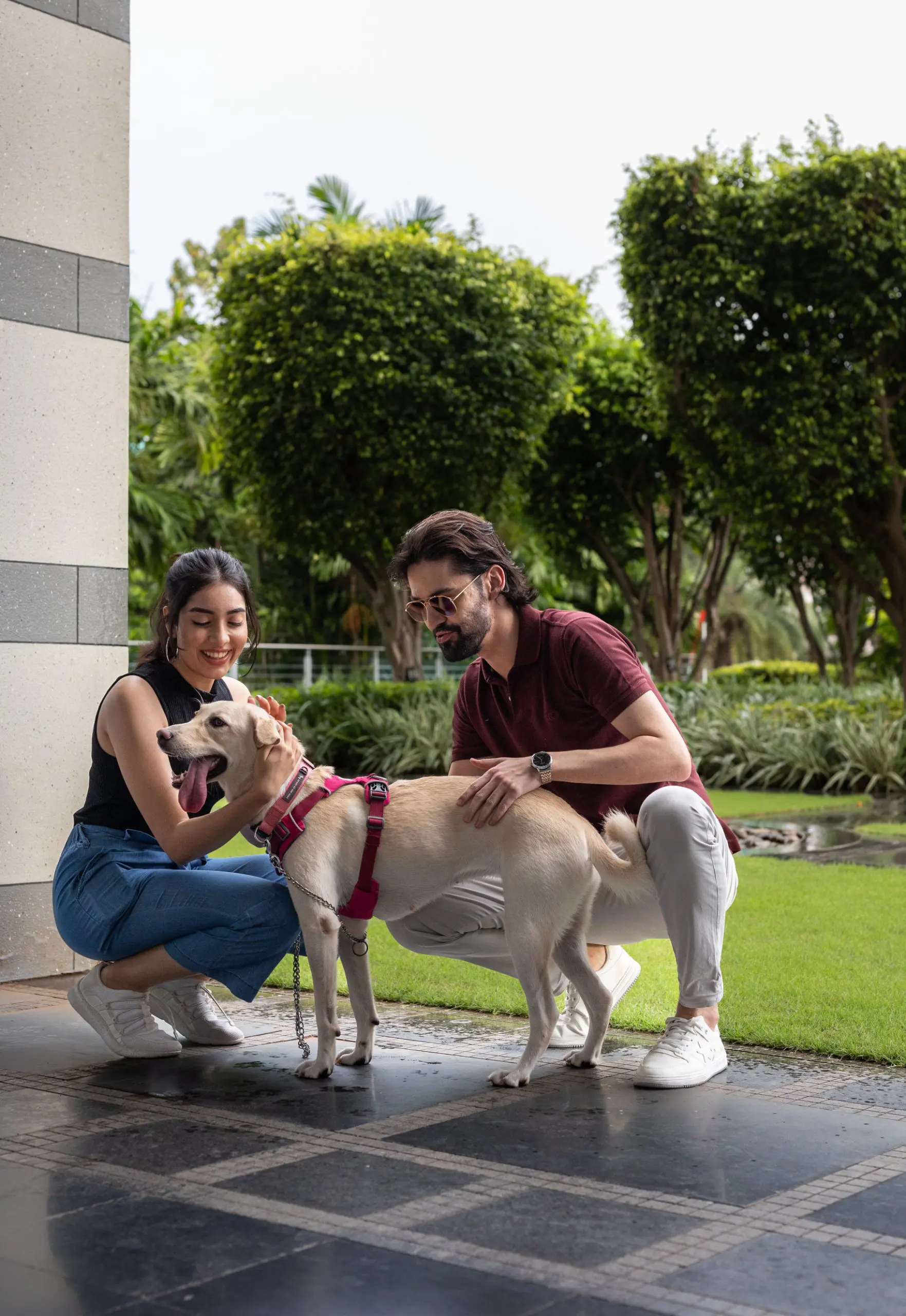
The locations themselves are also telling. Alibag, Karjat, Lonavala and Igatpuri are among the destinations preferred by travellers from Mumbai, while Ooty, Sindhudurg, Hosur, Ramnagar, Mysore, Madhugiri, Gokarna and Udupi attract travellers looking for short drives from other major cities. Booking.com’s 2026 research points in the same direction, with 93% of Indian pet-owning travellers favouring road trips, highlighting how transport itself is being shaped by the needs of travelling with animals.
For pet owners, the appeal is therefore not simply proximity. Shorter road journeys make it easier to travel with animals, while standalone villas remove many of the constraints associated with hotels. SaffronStays says guests are looking for private gardens and open spaces, staff who are trained to welcome pets and practical touches such as pet kits with treats and bow ties. Chefs an also prepare pet food, including simple meals such as rice and meat, when required.
The point is not about every pet needing a five-star menu or a personalised welcome basket. It is that travellers are beginning to notice the difference between being permitted to bring a pet and having a property genuinely designed to accommodate one. For luxury hospitality, that distinction is becoming increasingly important.
Aparajita Sarkar, who travels with her pet Cookie, makes that distinction clearly. For her, Grand Hyatt Mumbai is, in her opinion, the most pet-friendly hotel she has come across in Mumbai. Her family has travelled with Cookie mainly around Mumbai, choosing cafés and resorts where she can accompany them.
“For us, a property being pet friendly means more than just allowing pets,” says Sarkar. What she looks for is practical: welcoming staff, safe open spaces, long walking areas and a good pet-friendly menu. A swimming pool, she adds, is an added bonus for Cookie. At Grand Hyatt Mumbai, she found the staff welcoming from the entrance and reception through to the room and felt they were well trained and sensitised to different kinds of pets. The pet menu offered variety, although pets are not permitted inside the restaurants.
Growing demand
The hotel’s own experience suggests that this is becoming more than an occasional request. Sumit Dutta, Hotel Manager, Grand Hyatt Mumbai Hotel & Residences, says the hotel has seen demand for pet-friendly stays grow by approximately 15–20% over the past five years. While it remains a niche segment within the hotel’s overall business, he says the growth has been consistent and reflects how pets are increasingly becoming part of guests’ travel plans.
Much of that demand comes from Mumbai residents looking for weekend and short leisure breaks. But there is another, less obvious reason guests travel to Mumbai with their pets. Grand Hyatt also hosts guests who come specifically to access the city’s specialised veterinary care and advanced diagnostics, with their hotel stay sometimes accompanying a pet’s treatment or consultation. For a city hotel, this adds another dimension to pet travel. It is not always about a holiday. Sometimes it is simply about being able to travel with an animal when circumstances require it.
Dutta says guests increasingly want “space and flexibility to spend time together beyond the guest room.” At Grand Hyatt Mumbai, the hotel’s expansive 12-acre setting and landscaped outdoor spaces are particularly relevant to this segment. There is also interest in dining experiences that guests can enjoy with their pets, although access to certain areas and food and beverage venues remains restricted because of hygiene and operational standards.
That balance is likely to remain one of the more important issues for the hotel industry. A property has to create a comfortable experience for pet owners without compromising the expectations of guests who may not want to share dining or leisure spaces with animals. Clear policies are therefore as important as the amenities themselves. For the guest, knowing in advance where a pet can go, what it can eat, whether it can be left alone in a room, where it can be walked and what documentation is required can make the difference between a smooth stay and an uncomfortable one.
Large hotel groups are increasingly formalising that framework. IHCL SeleQtions currently operates its Pawcations programme across a growing range of properties, with the offering available year-round. It includes pet-friendly in-room amenities and vet-curated in-room menus, with participating properties including President Mumbai, Savoy Ooty, Scenic Munnar, The Yellow House Goa, The Connaught New Delhi and several others.
The significance of such initiatives is less about any individual amenity and more about the fact that pet hospitality is being treated as a defined part of the hotel product. It is no longer necessarily an informal arrangement made at the discretion of a property. There are also clear operational considerations. IHCL’s current policy requires guests to provide pet details and vaccination information, with restrictions around weight, certain breeds and the number of pets permitted in a room.
For an industry built around consistency and service standards, this kind of structure matters. Pet-inclusive hospitality cannot depend entirely on an individual employee being fond of animals. It needs policies, training and processes that work consistently. It also has to account for the guests who are not travelling with pets.
The same is true of the villa market. SaffronStays says the most successful pet-friendly stays are those where the outdoor environment becomes part of the experience. Early morning walks, nature trails, rural paths and open lawn playtime can give pets the freedom to exercise and explore. Activities such as fetch, scent trails and hide-and-seek can turn the property itself into part of the holiday.
Travellers increasingly want experiences that feel personal, private and suited to the way they actually live. For pet-owning families, that means being able to maintain some of the routines that make their animals comfortable. Sarkar says her family usually plans and books its stays one to two months in advance, choosing destinations and properties around Cookie’s comfort and needs.
There is also evidence that this can translate into loyalty. Dutta says Grand Hyatt Mumbai sees approximately 5% repeat visitation within its pet-friendly segment, indicating a small but established base of guests returning with their pets. For a hotel, that matters because the value of a pet-friendly policy is not necessarily confined to the first booking. Once guests know that a property works for the whole family, returning becomes an easier decision.
Pet peeve
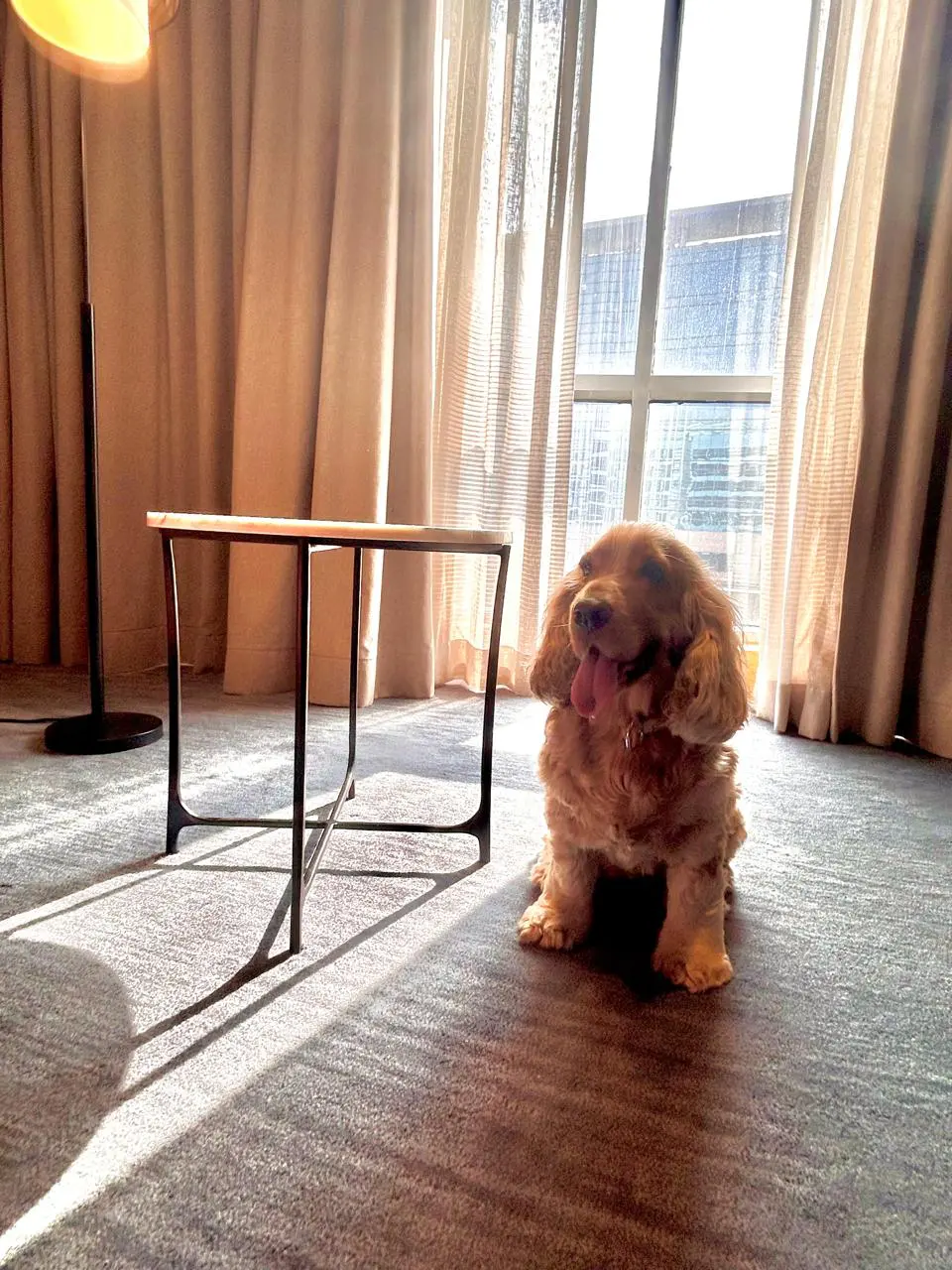
The commercial opportunity, however, comes with real operational costs. Dutta says the primary consideration for Grand Hyatt Mumbai is maintaining the cleanliness, hygiene and comfort expected of a five-star hotel while accommodating pets. That requires deep cleaning and sanitisation of rooms and relevant areas after a pet stay, along with coordination across operational teams.
This is perhaps where the category has matured. Pet-friendly hospitality is no longer simply an amenity that can be added to a hotel website. It requires investment, training, communication and a clear understanding of how the experience works from booking to departure. Hotels also need to be transparent about their limitations. A property does not necessarily have to allow pets everywhere to be genuinely welcoming; but it does need to make its rules clear and ensure that the experience matches what has been promised.
For luxury hotels, resorts and villas, the pet is increasingly becoming part of the guest journey from the moment a destination is considered. It can influence the length of the journey, the choice of accommodation, the activities planned and even the decision to travel at all. Booking.com’s 2026 research, the growth reported by SaffronStays and the experience of Grand Hyatt Mumbai all point to a segment that is moving from a niche request towards a more established part of travel planning.
The next phase of pet-friendly hospitality in India is therefore likely to be less about adding a paw-print to a website and more about understanding the realities of travelling with an animal. For the industry, that means thinking about the pet alongside the human guest, without losing sight of the needs of everyone else in the hotel. It means better policies, better-trained teams, thoughtful spaces and experiences that work in practice rather than simply looking good in a brochure.
The pet may not be the person making the booking, paying the bill or ordering dinner. But increasingly, it is influencing all three. And for an industry built around understanding what guests value, that is a change worth paying attention to. The new luxury traveller may may have four legs, but it clearly has a voice.
You may also read: India’s next great hotel addresses