Can India be the next Gin capital?
- Featured Spirits
 Anushka Manik
- 17 minutes read

India has long been the world’s whisky powerhouse. We all know that. But over the last decade, gin has begun reshaping the country’s drinking culture.
Before I had my first glass of gin and tonic in 2021, I wasn’t aware of its game. It felt like one of those drinks people ordered because they were supposed to. But somewhere between the sharp citrus, the herbaceous finish, and the ritual of it all, I understood why an entire generation of drinkers hasn’t really looked back since. And I’m clearly not alone.
Once dismissed as a colonial relic or a predictable G&T order at five-star bars, gin in India today sits at the intersection of craft, regional identity, and premium consumption. The question is no longer whether India likes gin. It is whether India can become the world’s next gin capital.
Now hear me out. India’s premium spirits market is entering a dramatic growth phase, expected to touch nearly USD 26.7 billion by 2033, growing at a CAGR of 12.2%, according to Grand View Research. At the same time, the country’s gin market alone is projected to reach USD 959.2 million by 2034, fuelled by premiumisation, craft distilleries, cocktail culture, and rising disposable incomes. More importantly, India is expected to register the fastest growth rate globally in the premium gin segment between 2026 and 2033.
What makes this rise interesting is that India is not merely consuming gin, we’re birthing it. Indian craft labels are moving beyond imported templates and building spirits rooted in local terroir; Himalayan juniper, gondhoraj lime, tulsi, turmeric, Kashmiri saffron, pepper, and native citrus are now central to the modern Indian gin vocabulary. Brands like Greater Than, Hapusa and Jaisalmer have helped reposition gin from a niche urban category into a globally competitive craft spirit. The momentum is strong enough that global giant Diageo acquired NAO Spirits, the maker of Greater Than and Hapusa, in 2025 – a telling sign of how seriously multinational players now view India’s gin revolution.
“India’s drinking culture changed a lot in the last decade, and especially during the COVID era. People began travelling more, eating differently, hosting more, exploring cocktails and gin fit naturally into that shift. It felt lighter, more social, more expressive. At the same time, India started taking pride in its own ingredients and stories again”, shares Riddhi Aggarwal, Co-founder, SAMSĀRA Gin.

Adding to the thought, Kartik Mohindra, Managing Director at William Grant and Sons says, “Today’s consumers are looking for drinks that feel more versatile, social, and expressive, and gin naturally lends itself to that through flavour, serve rituals, and cocktail creativity.

There is also a growing appreciation for cocktail culture and at-home experimentation, with gin emerging as one of the most versatile spirits for modern consumers.” Gin has also benefited from the rise of premium dining and elevated cocktail culture in India. “Consumers have become far more curious about ingredients, craftsmanship, provenance, and the stories behind what they consume. That has created space for super-premium gin brands to be appreciated not just as spirits, but as part of a larger lifestyle and sensory experience”, Mohindra adds.
He shares how Hendrick’s has been instrumental in shaping the modern gin revival by introducing consumers to a more unconventional and flavour-led approach to the category. The brand helped move gin beyond traditional perceptions and into a more contemporary, curiosity-driven drinking culture centred around creativity, experimentation, and immersive experiences.
The shift is also cultural. Across India’s top bars, gin has become shorthand for a new kind of drinking. According to the 2025 What India Is Drinking report by 30 Best Bars India, premium and craft spirits are increasingly dominating menus at your favourite bars, with small-batch gin emerging as one of the defining categories among younger consumers. Globally too, gin remains one of the most internationalised spirits categories, with India frequently cited as a key growth market.
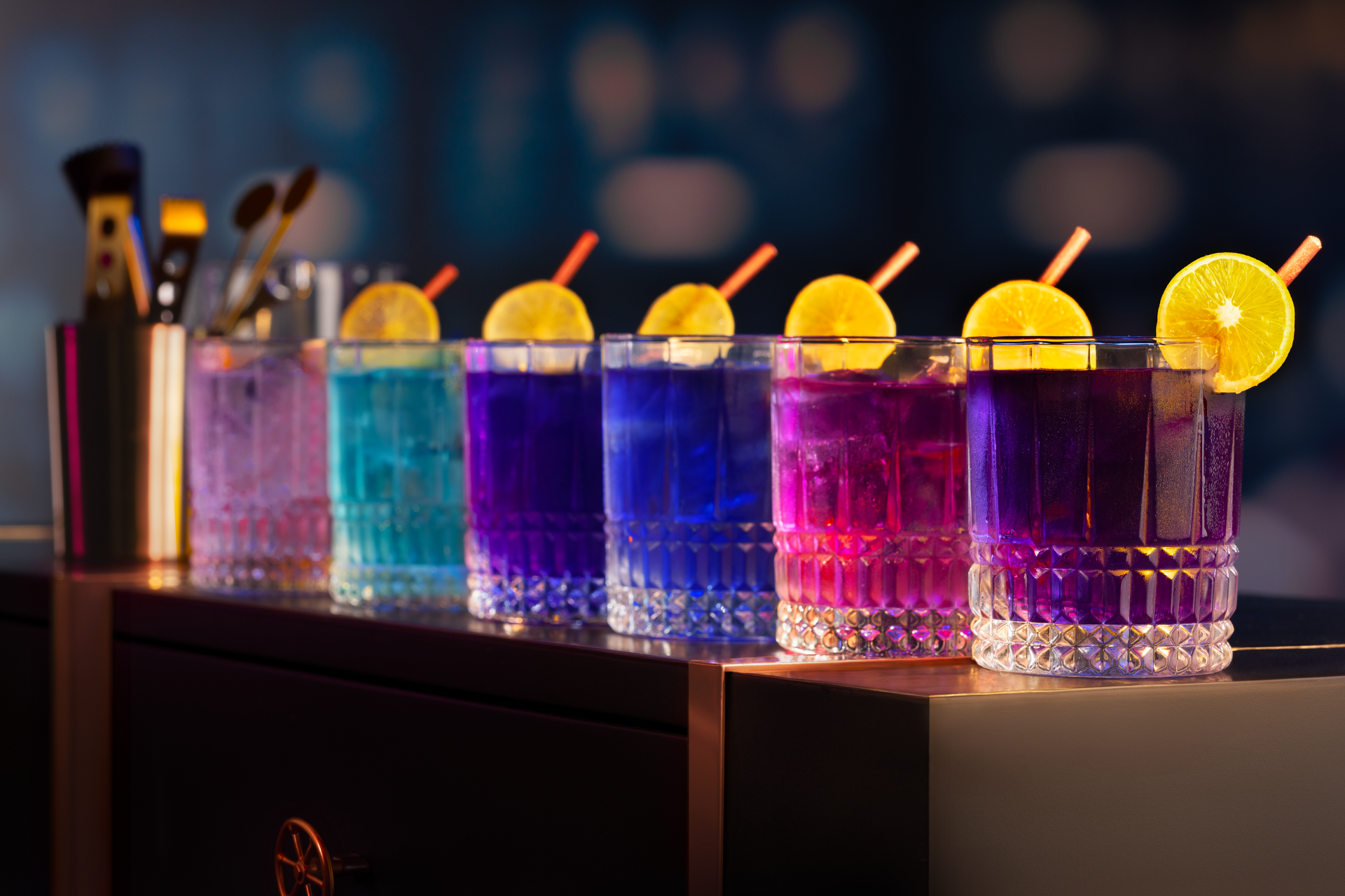
That said, the road to becoming a true ‘gin capital’ is layered. Commenting on this, Sanchit Agarwal, Co-founder and Nidhi Kedia, Co-Founder & Chief Marketing Officer at Nisaki quip, “India absolutely has the potential to become one of the world’s most exciting gin markets. The country has incredible botanical diversity, a rapidly evolving consumer base, strong hospitality culture, and a new generation of brands that are innovating fearlessly.” Brands like Nisaki are proving that Indian gin can compete not just on quality, but also on creativity, design, and consumer experience. However, structural challenges still exist. “The regulatory environment remains complex, and alcohol advertising restrictions make brand-building particularly difficult. Distribution across states can also be challenging”, they add.
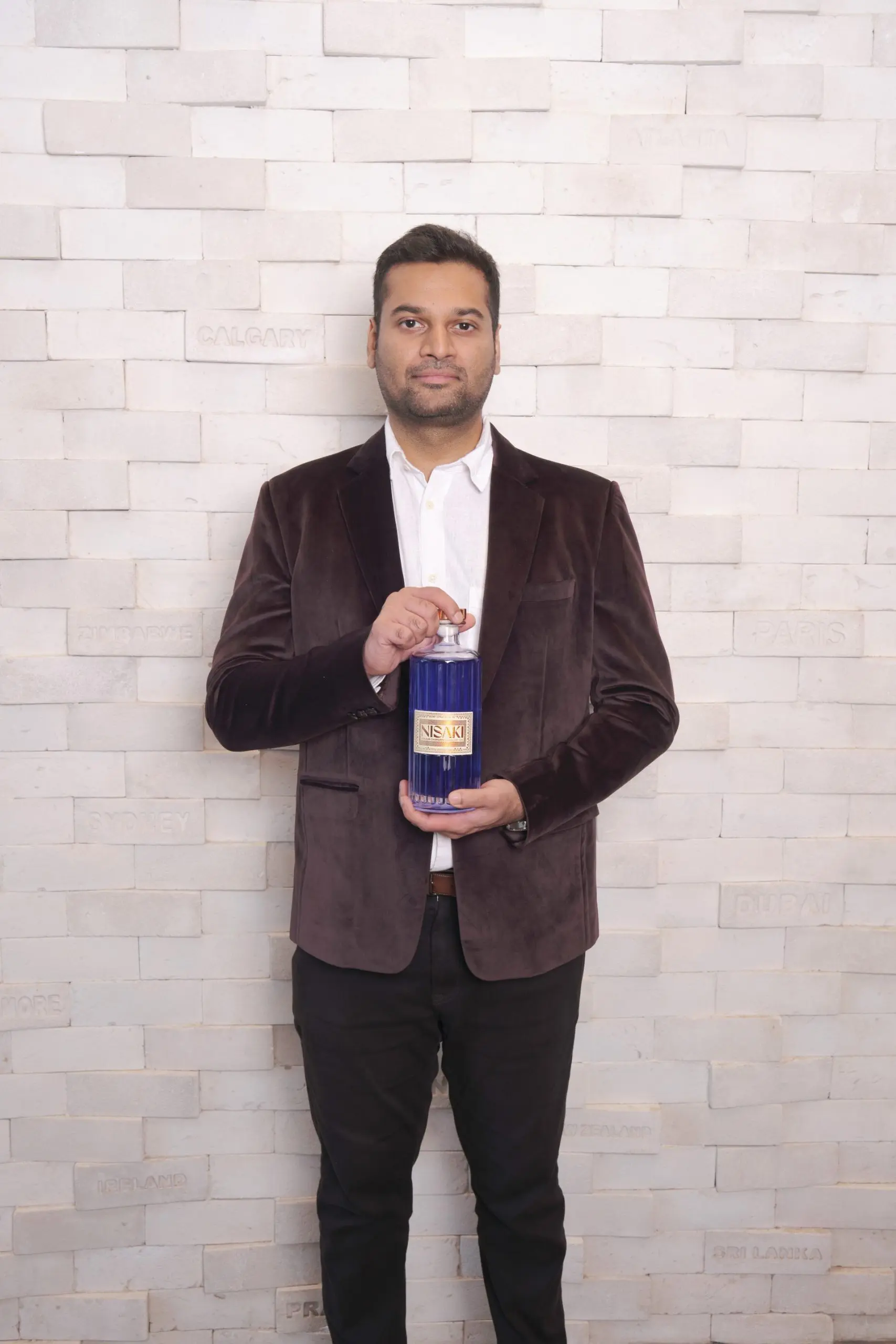
Despite these hurdles, Indian entrepreneurs have shown remarkable resilience and innovation. If infrastructure and ease of business continue improving, India has the potential to become a globally influential voice in the gin category.
What makes a Gin “Indian” anymore?
Few countries possess the botanical diversity India does, and the country’s gin movement is beginning to capitalise on that.
Agarwal and Kedia share, “An Indian gin today is defined by identity, storytelling, and a strong sense of place. It’s no longer about replicating Western styles with Indian ingredients added in. What makes Indian gin exciting is its diversity. India offers an extraordinary range of flavours, climates, and cultural influences, allowing brands to create spirits that feel deeply rooted yet globally relevant.”
When Agarwal and Kedia launched Nisaki, India’s first colour-changing gin in early 2024, the reaction was highly visual. Nisaki’s deep indigo spirit that transformed into shades of pink, violet, and electric blue when mixed with tonic or citrus quickly grabbed eyeballs. (I remember sourcing a few bottles for my friends on my way back from Goa, and quietly keeping two for myself). Within its first six months, the brand reported over 30% month-on-month growth across retail and hospitality channels, with its initial production batch selling out “in record time”.
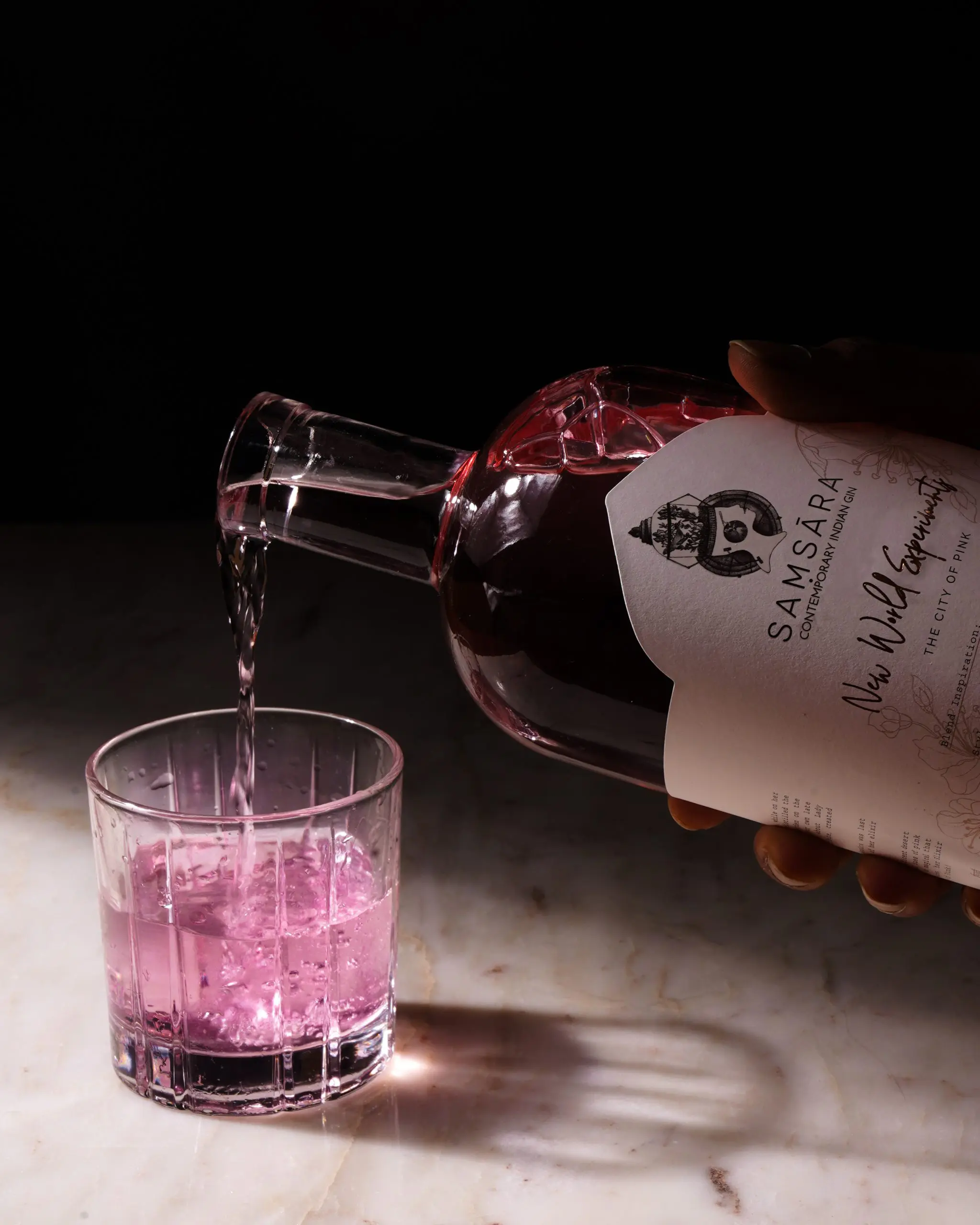
On the other hand, Aggarwal from SAMSĀRA Gin believes that it’s not just about botanicals anymore. Indian gin today is rooted in storytelling and identity.
“At SAMSĀRA, we’ve always tried to distill local flavours and stories into our spirits. The City of Pink draws from Jaipur, while Vale of Paradise is inspired by Kashmir and kahwah culture. For us, an Indian gin should feel connected to a place, a memory or a cultural experience.”
Authenticity on the rocks
Gin’s rapid rise in India has made it one of the country’s most design-forward alcobev categories. However, as more brands adopt similar visual languages and ingredient narratives, the challenge now lies in ensuring regional inspiration feels lived-in and credible rather than curated purely for marketability.
Mohindra shares, “There is certainly more conversation around botanicals today, but consumers are also becoming significantly more discerning. Authenticity comes from consistency and intent. It’s about whether the product experience genuinely delivers on the story being told – from the liquid itself to the serve, the brand world, and the overall consumer experience.” He adds, “For us at Hendrick’s, that philosophy continues across Hendrick’s Cabinet of Curiosities, where each limited expression reflects the brand’s long-standing focus on creativity, experimentation, and immersive flavour discovery.”
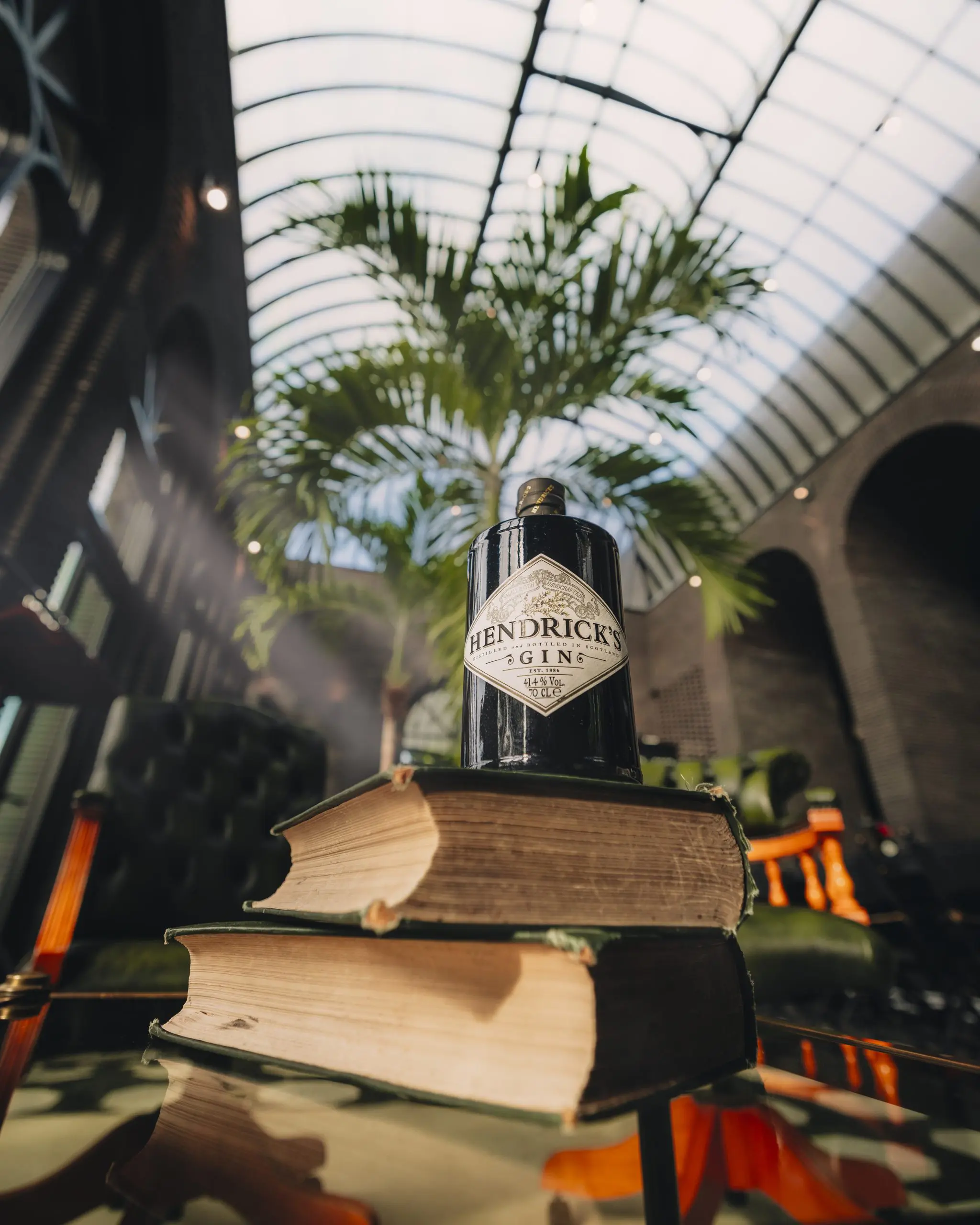
Mohindra also reveals to us, “We will be launching a new expression soon, one of the most exciting ones so far, that builds on the original spirit with botanicals such as cacao and orange blossom, while retaining the brand’s signature dual-distillation process with layered flavour complexity.”
Agarwal and Kedia add, “At Nisaki, we’ve always believed that people connect most deeply with experiences and emotions. While botanicals are important, what truly builds loyalty is creating moments that consumers remember, whether it’s the surprise of the colour transformation, the atmosphere around the brand, or the emotional connection people form with it over time.”
India’s gin boom: fad or future?
India’s gin market may still be relatively small compared to whisky, but its growth trajectory is impossible to ignore. According to IMARC Group, the Indian gin market is projected to reach nearly USD 959 million by 2034, driven by premiumisation, cocktail culture, and the rise of homegrown craft distilleries. At the same time, Grand View Research projects India to witness one of the fastest growth rates globally in the premium gin segment over the next decade But the tag of becoming the world’s next gin capital comes with structural hurdles.
“One of the biggest structural challenges is that India’s alcohol industry is state controlled. Every state has its own taxation, regulations and route to market. That makes scaling a premium spirits brand across the country a very cautious and complex process. But creatively, Indian spirits are in a very strong place right now”, shares Aggarwal.
Agarwal and Kedia also note that the country has incredible botanical diversity, a rapidly evolving consumer base, strong hospitality culture, and a new generation of brands that are innovating fearlessly.
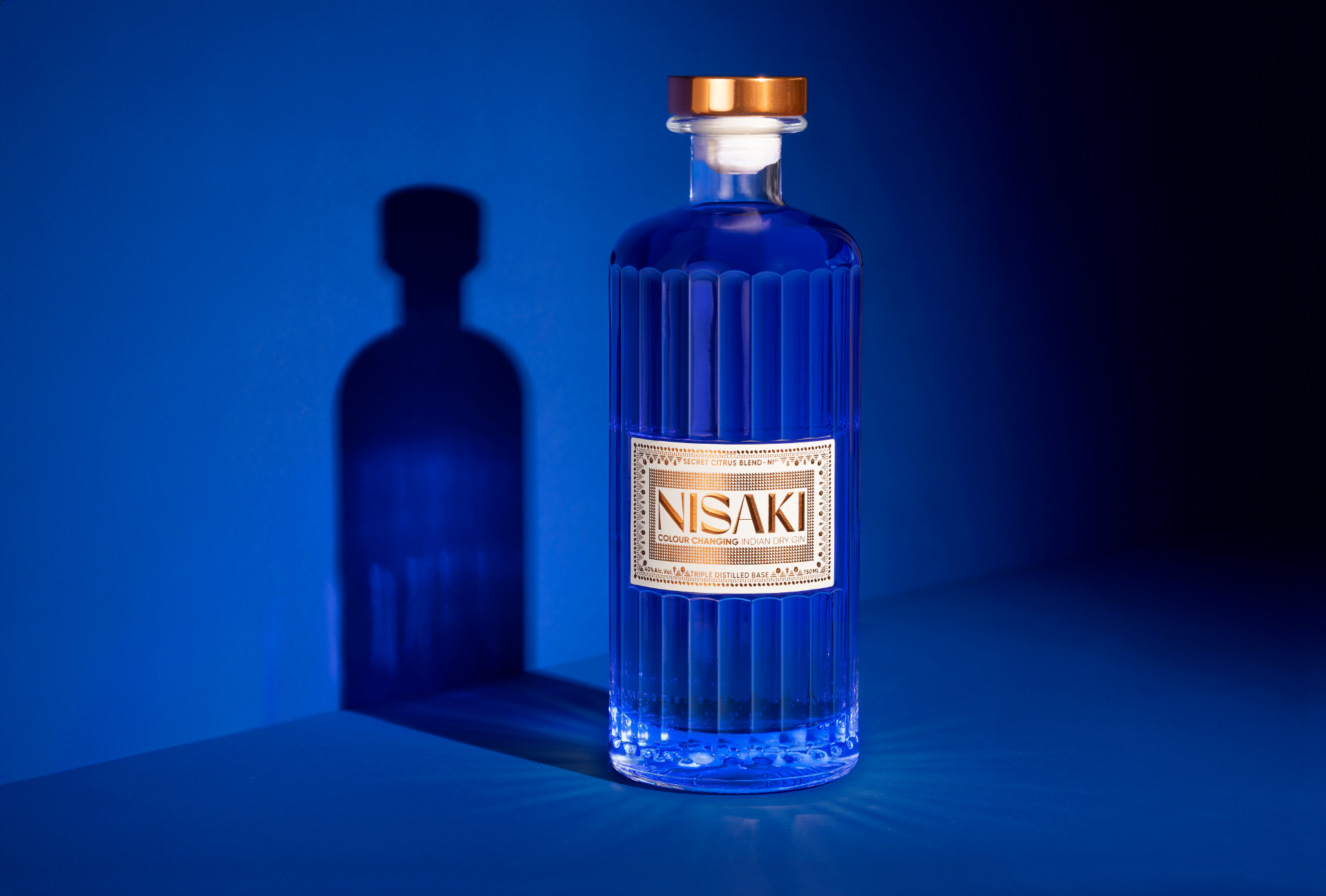
‘That said, structural challenges still exist. The regulatory environment remains complex, and alcohol advertising restrictions make brand-building particularly difficult. Distribution across states can also be challenging.”
Despite these hurdles, Indian entrepreneurs have shown remarkable resilience and innovation. If infrastructure and ease of business continue improving, India has the potential to become a globally influential voice in the gin category.
India still operates within one of the world’s most complex alcobev regulatory systems, where every state functions almost like its own market. Distribution remains fragmented, taxes are high, and scaling craft production continues to be a challenge. At the same time, the category risks oversaturation, especially as dozens of labels enter an increasingly trend-sensitive market. The larger question, then, is when India can evolve from being a fast-growing gin market into a globally influential gin culture.
What does the consumer want?
“Earlier, ‘premium’ was often defined largely by the product itself – the bottle, provenance, or the perception of exclusivity. Today, consumers expect a far more layered and holistic experience”, shares Mohindra. They are looking for brands with a strong point of view, cultural relevance, and a distinctive identity.
“There is also a greater appreciation today for cocktail culture, curation, and the ritual surrounding consumption. Consumers are paying attention not just to what they drink, but where they drink it, how it is served, and the kind of social experience attached to it”, he adds.
India may not yet rival London, Barcelona, or Singapore in terms of global cocktail infrastructure, but something far more interesting is happening here. The country is building a gin identity that feels distinctly its own. One rooted not in imitation, but in terroir, storytelling, and a generation of consumers who increasingly want flavour with context.
The real opportunity lies beyond trend cycles. If India can navigate its fragmented regulations, strengthen craft distribution, and continue investing in quality over novelty, gin could become more than just the spirit of the moment.
Read our gin issue here.