Cities with the best food culture
- Featured Food & Beverage
 Jade Crasto
- 19 minutes read

Jade Crasto
Travelling is all about widening your horizons by visiting new places, meeting new people, and learning about different cultures. It’s also about exposing your palate to the world’s different flavours. Every country has its own distinct cuisine, which is frequently influenced by waves of immigration, the local environment, and the ever-expanding community of travellers. Here are some of the best cities in the world offering the most delectable food.
Osaka, Japan
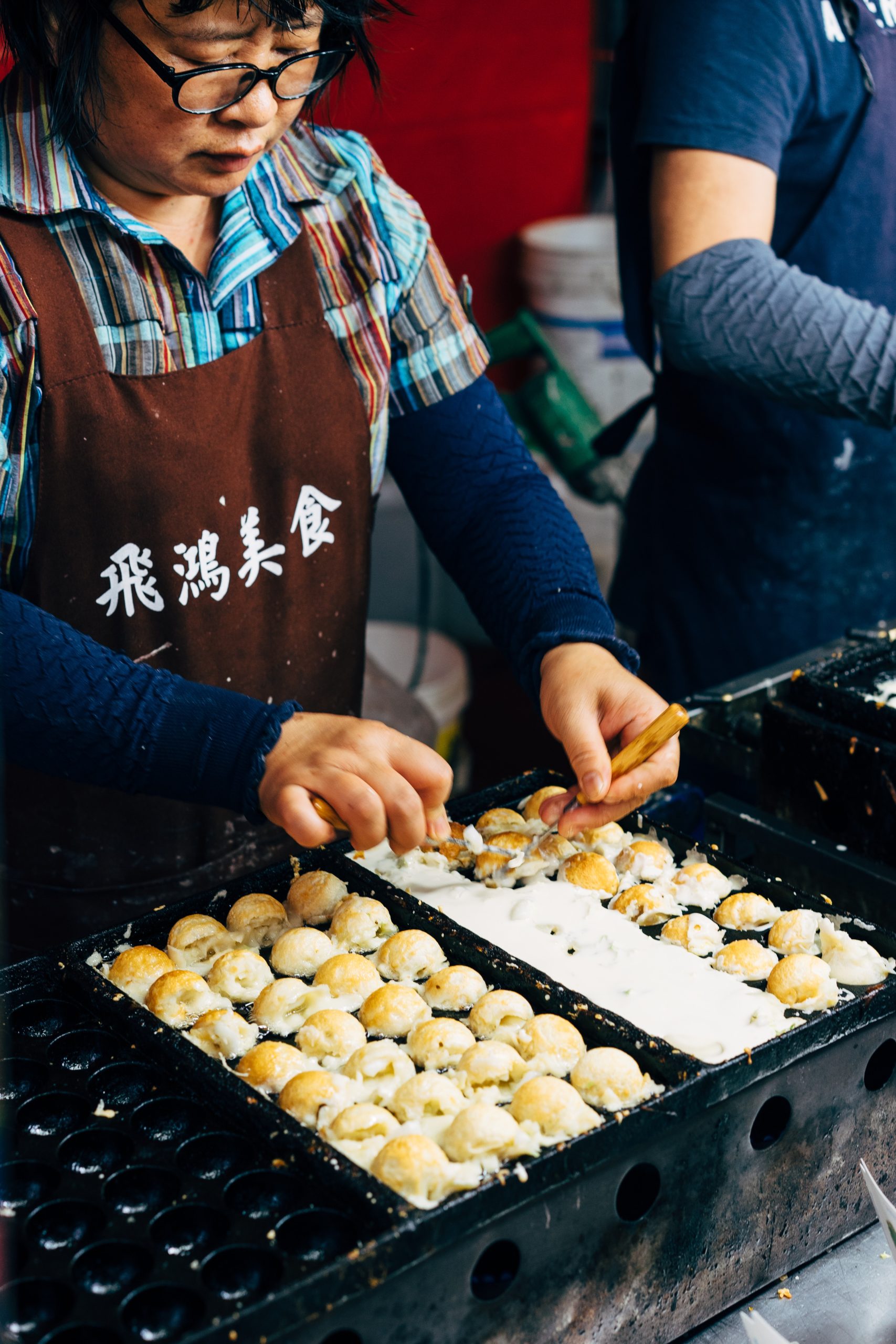
Osaka called ‘The Kitchen of Japan’, is highly regarded as the gourmet metropolis of Japan. The citizens of the city are recognised for their laid-back, fun-loving attitude, which is mirrored in the food scene. Okonomiyaki and takoyaki (grilled octopus balls) are the most popular dishes found in every corner of the city. Osaka also features some of Japan’s largest seafood markets, that feature daily tuna auctions. If you’re looking for inexpensive food, head to Dontonbori Street, where street vendors serve anything from kushikatsu (deep-fried skewered meat and veggies) to yakitori (chicken grilled over a charcoal fire). Kuromon Ichiba Market, located nearby, sells fresh food, shrimp and handicrafts. Head to Honkogetsu, for some classic Japanese cuisine in the kaiseki tradition of presenting numerous tiny, complex, and exquisite courses in succession. Honkogetsu, located on a tiny cobblestone path leading to the famous Hozenji Yokocho temple, provides a look into bygone Japan. The first-floor counter is built of a single 600-year-old hinoki wood board. Hanging scrolls and traditional ikebana flower arrangements greet diners. The second and third levels have tatami flooring. Then there’s the food: exquisite seasonal bites like ayu (sweet fish) in mugwort, roasted squid legs, and prawn with dried sea cucumber.
Bangkok, Thailand

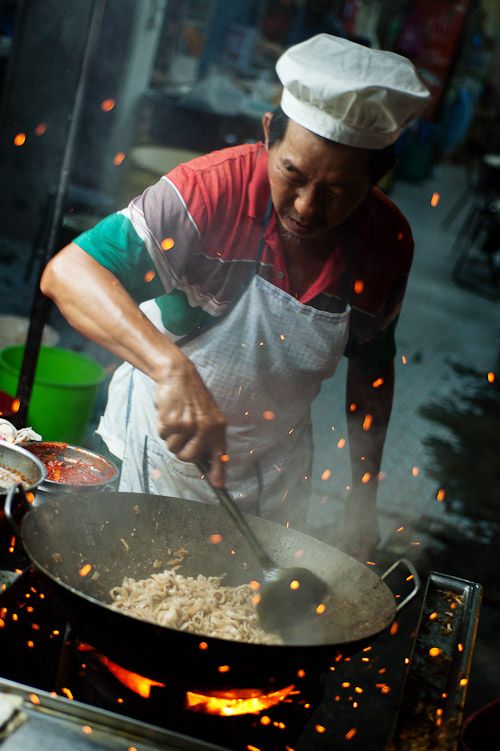
Hailed as the world’s street food capital, Bangkok’s cuisine is known for its flavour explosions, which combine the five sensations of spicy, sour, salty, sweet, and bitter. Popular street foods include tom yam goong (sour shrimp soup), pad Thai (stir-fried noodle dish), and som tam (green papaya salad), which can be found around the city for 100 baht (Approximately Rs. 239) or less. Hundreds of street vendors serve food from early morning till late at night in Chinatown, Silom, and Bangkok Old City. If you want to get away from the city centre, go to Soi Rambuttri, which is located in the ancient zone near the iconic Khao San Road.
If you truly wish to understand Thai food, a must-visit is Aksorn, which is all about resurrecting lost flavours and dishes as the country transitioned from rich Siamese history to modern Thailand, as well as honouring unsung food heroes ranging from matriarchs to prominent chefs. Each of the restaurants rotating tasting menus focuses on a single title and reimagines meals to produce refined renditions that scream with heat and flavour. Expect all parts of the palate to be tickled over 13 superb courses within cosy, boutique surroundings replete with terrace seating.
Lima, Peru

Lima is an emerging star amongst food connoisseurs, with two of the world’s top ten restaurants listed in San Pellegrino’s exclusive 50 Best Restaurants in the World book. The distinctive Nikkei cuisine found in Peru is a literal illustration of two continents merging, fusing Latin produce with Japanese flavours and culinary skills introduced by waves of immigration. Cuy (deep-fried guinea pig), ceviche (raw seafood cured in citrus juices), and lomo saltado (marinated strips of sirloin) are among the city’s most delicious delicacies.
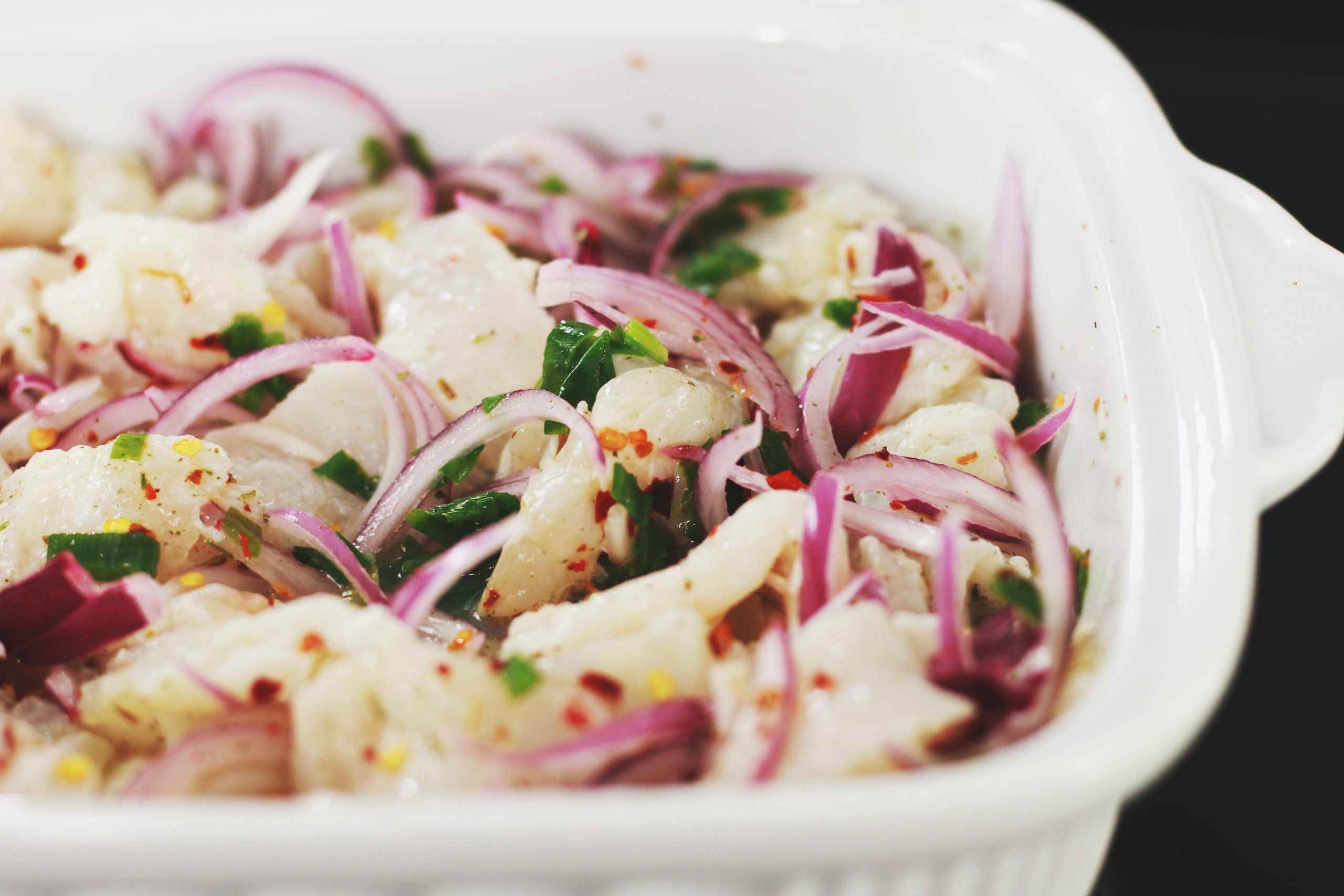
Central Restaurante is a popular Lima restaurant that serves Peruvian classics as well as innovative delicacies like piranha. Maido, which has been named Latin America’s best for three years in a row and is a regular on The World’s 50 Best list, is where Mitsuharu ‘Micha’ Tsumura’s Peruvian and Japanese cultural heritages clash on the plate. Dine from either the sushi bar, à la carte or indulge on the ‘Nikkei Experience’ tasting menu. Seafood takes centre stage, with ceviche, Peru’s national dish, that shouldn’t be missed. Other standouts include the 50-hour-cooked beef short rib, which is so soft that just a spoon is required to cut it
San Sebastian, Spain
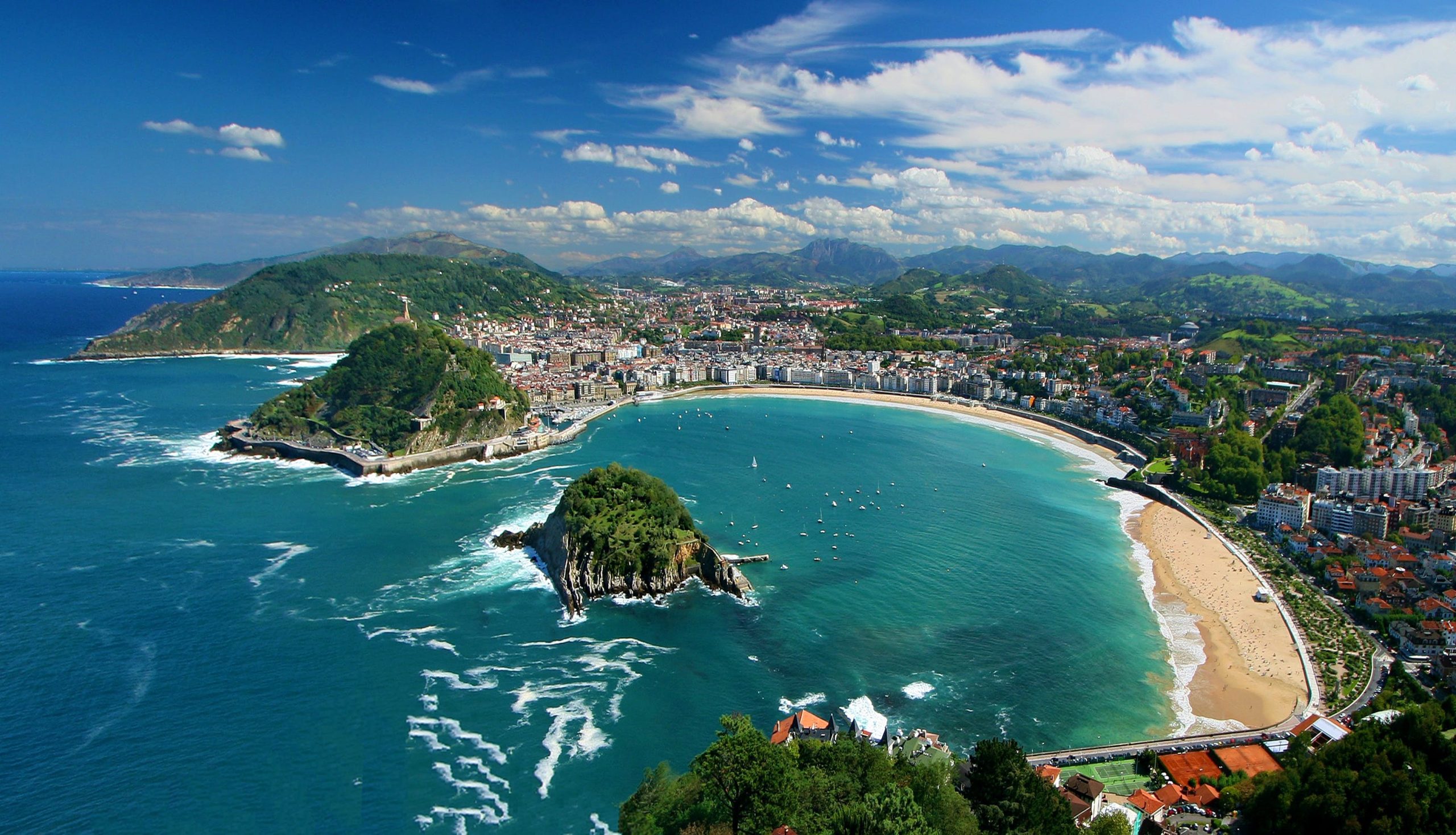
San Sebastian is a gourmet paradise, with more Michelin-starred restaurants per capita than Paris. Pintxos, the Basque counterpart of tapas, have been mastered here, so anticipate snack-sized platters of cured meats and shellfish to wash down the wonderful Rioja wines. Baked spider crab, clams marinière, and baby squid with its ink is among the city’s most famous specialities. The city’s largest and most well-known fish market, Mercado de San Martin, also sells a range of excellent meats. Arzak is an award-winning beachside restaurant where you can sample authentic Basque cuisine while enjoying a glass of house wine or a vibrant cocktail. A restaurant one must visit when in San Sebastian is Amelia. The eatery is situated just in front of Concha Bay, one of Europe’s most famous beaches.
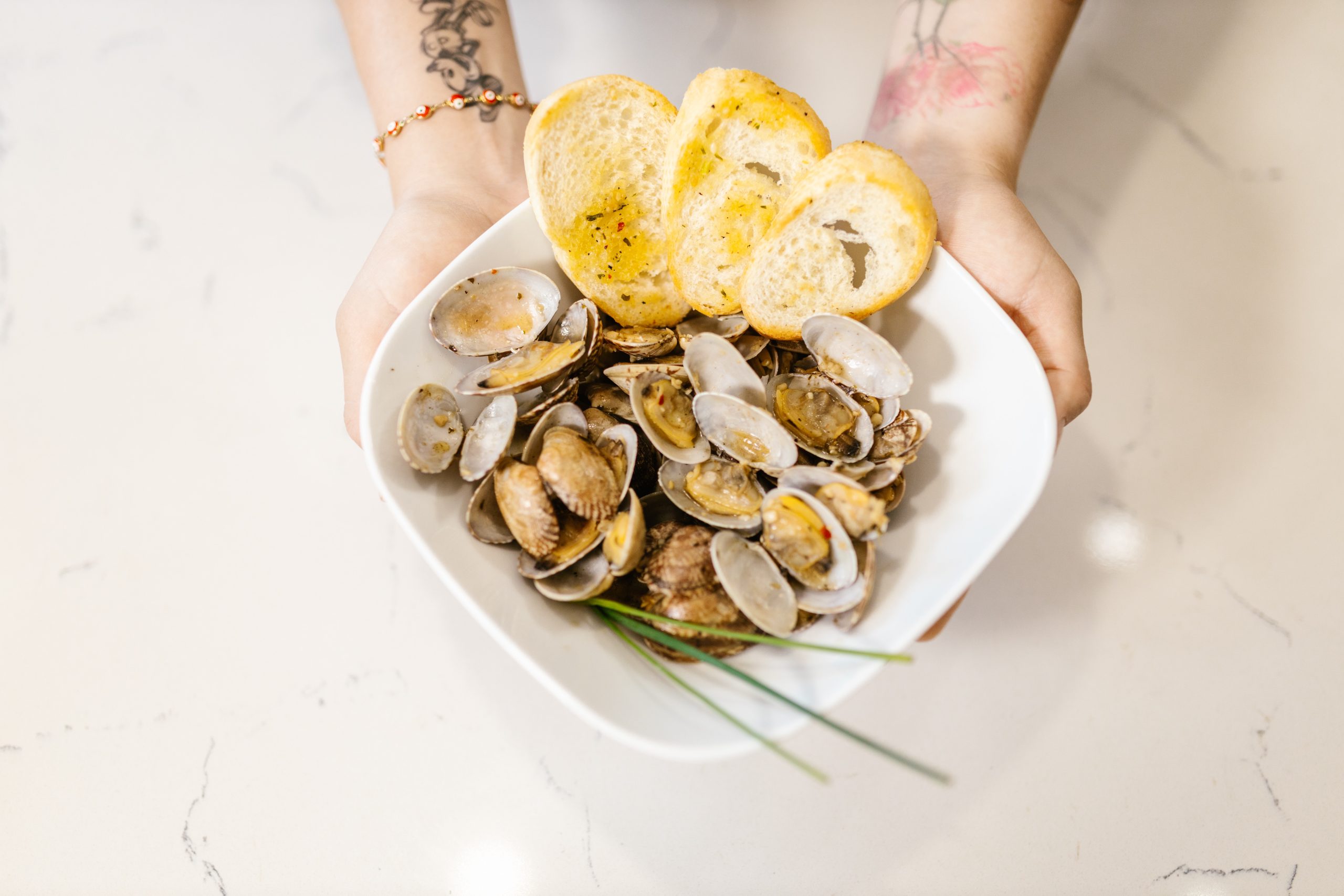
The restaurant is an open environment where the kitchen and dining room meet via the bar, so visitors can enjoy their meal while observing Chef Paulo Airaudo and his staff at work. The gourmet menu is created using seasonal, fresh, and high-quality products purchased daily from small farmers. It serves inventive cuisine with classical overtones, highlighting fine-quality fish and shellfish and merging the spirit of Basque cooking with delicate cosmopolitan touches.
Istanbul, Turkey
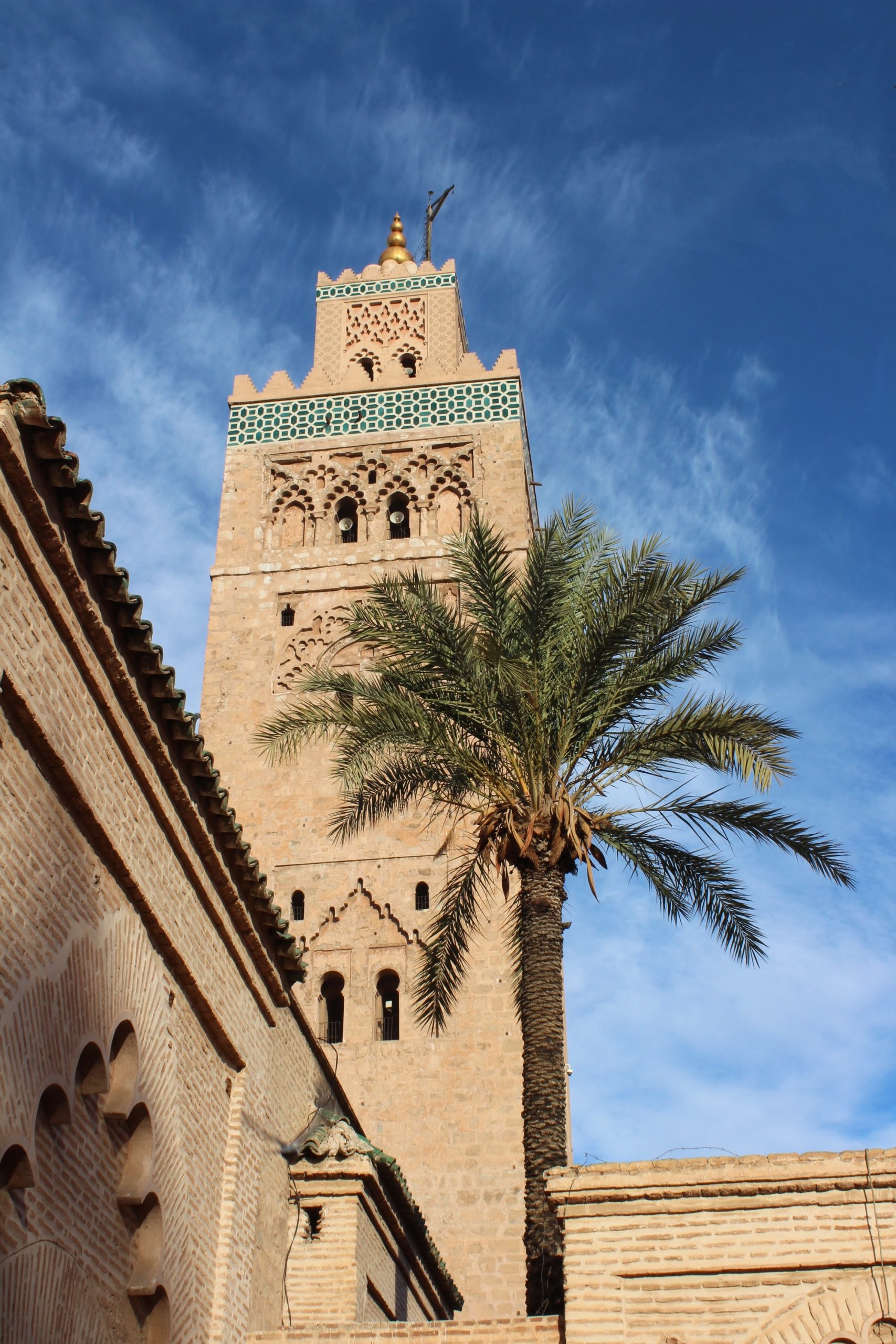
Turkish cuisine is as diverse as the civilizations that formerly ruled the land. It is frequently referred to be a fusion of Balkan, Central Asian, Eastern European, and Middle Eastern food. Meze cuisine is prominent in Turkey’s capital. Ezme (chilli tomato pasta), Patlcan Salatasi (grilled eggplant salad), and Zeytinyal Enginar are popular local dishes (a delicious artichoke-based dish). Stroll through the bazaars for a kebab and a cup of fresh mint tea. The Grand Bazaar serves as one of the oldest and largest covered markets in the world. Each day, up to 400,000 people visit its 4,000 stores.
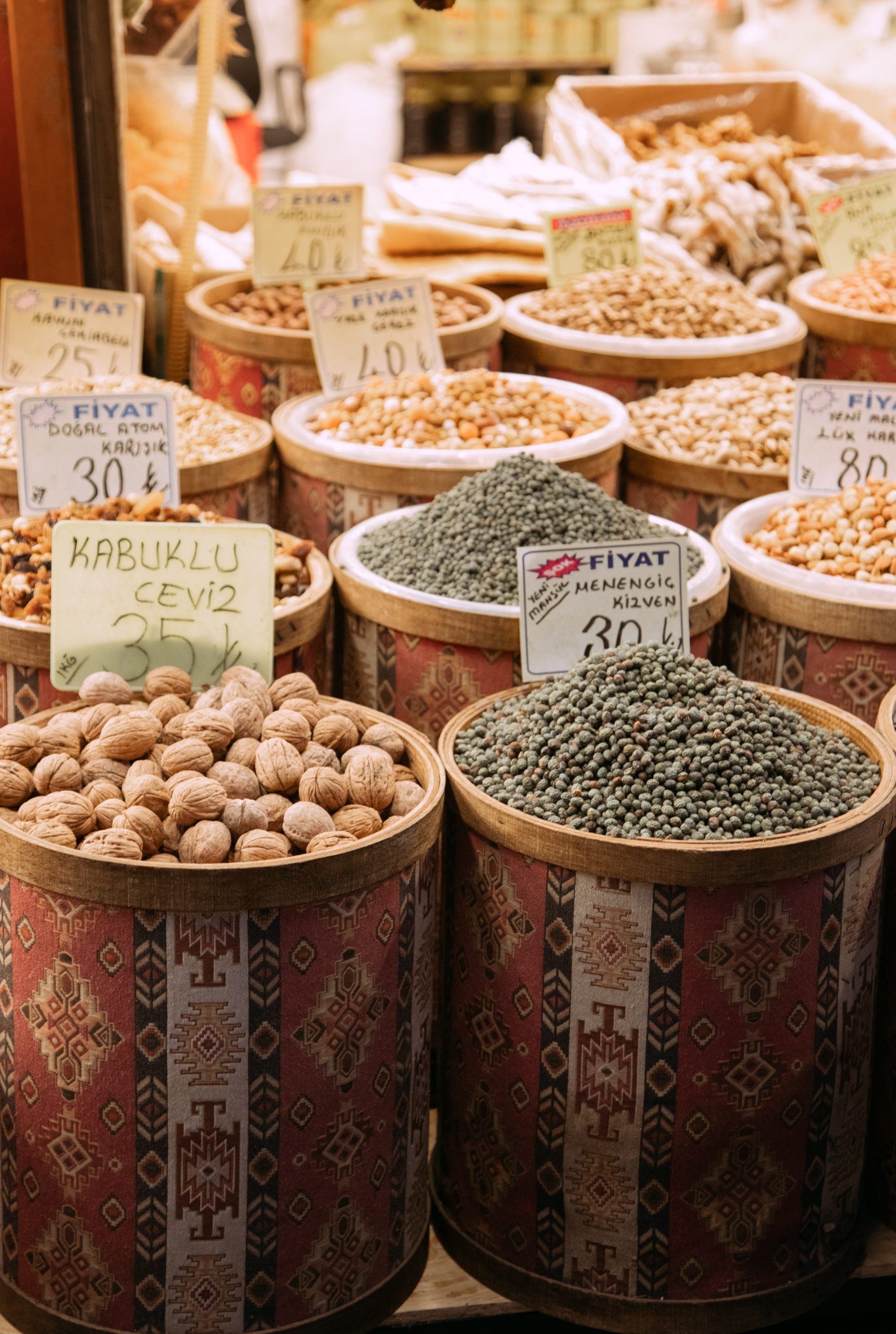
Together with spices and Turkish cuisine, you’ll discover ceramics, rugs, and jewellery. Beyolu’s Aheste (Persian for slowly) the kitchen, combines Turkish, Ottoman, and Middle Eastern traditions with crowd-pleasing modern elegance. A contemporary clientele is drawn in by a great, meze-led cuisine, an informal setting, and laid-back service. The floors are tiled, the walls are honey-colored exposed brickwork, and the tables are simply adorned with white tablecloths. A substantial tasting menu features an excellent selection of hot and cold sharing plates – Cretan mash with charred peppers and blueberries; pan-fried veal liver with sumac – and the wine list, while short, is excellent.
Copenhagen, Denmark
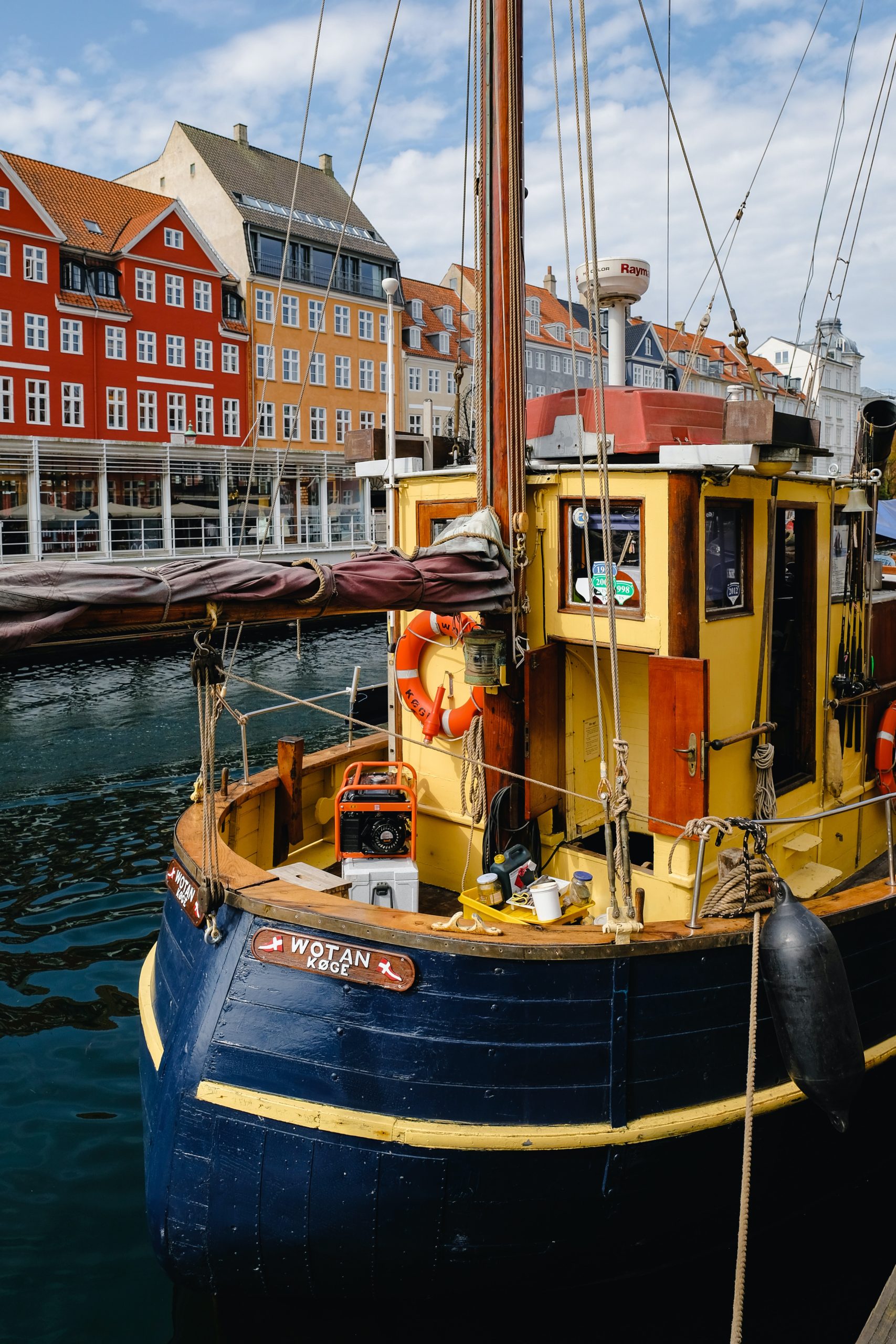
Copenhagen has redefined the boundaries of molecular cuisine. The culinary scene alone is worth the trip. The nation’s capital is noted for its smrrebrd (open sandwiches served for lunch) and hefty fish and meat dishes such as kogt torsk (poached cod) and flaeskesteg (flake steak). Copenhagen is also the cradle of New Nordic Cuisine, which encourages the use of natural, local, and seasonal ingredients as the foundation of innovative dishes.
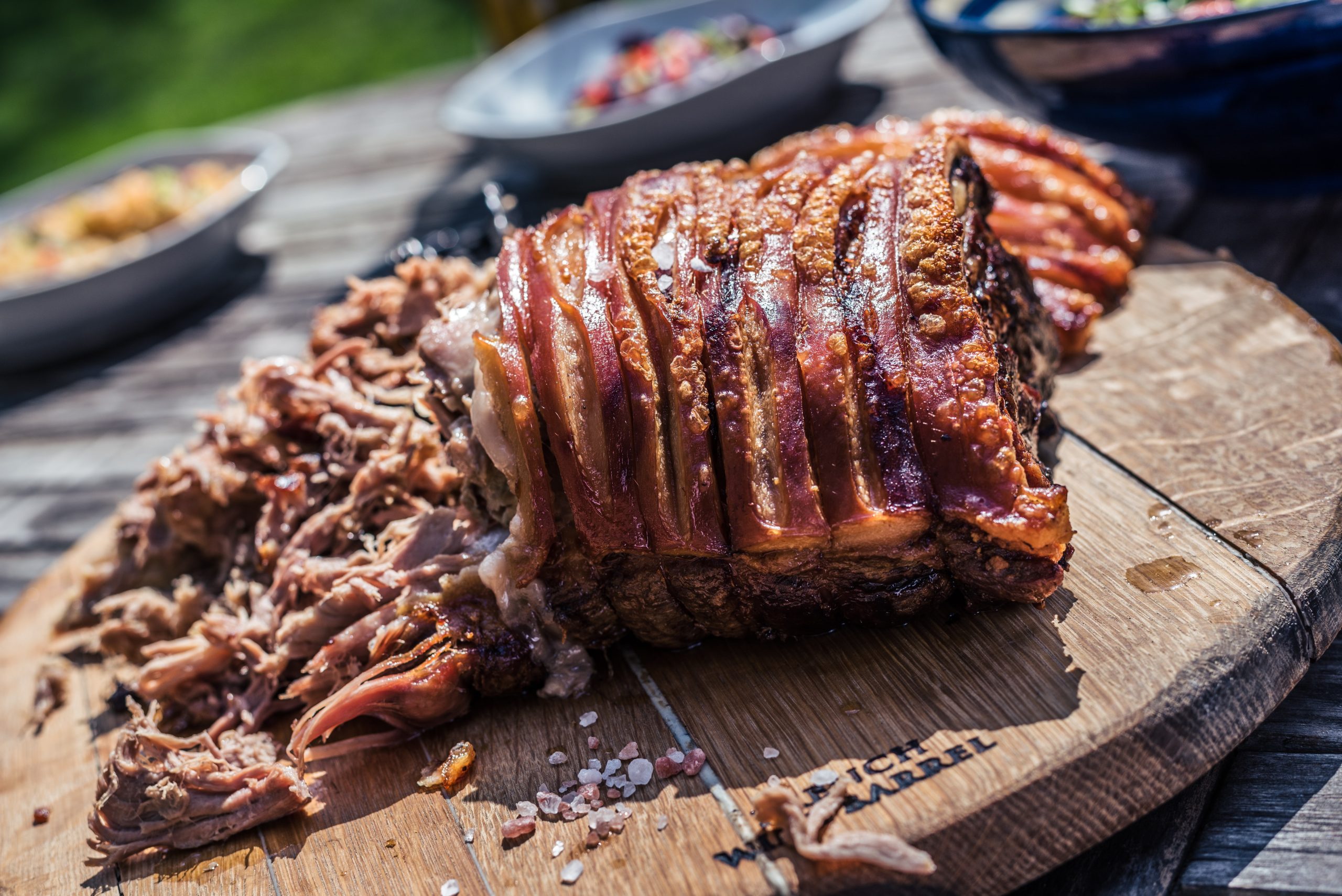
Noma Restaurant, which has two Michelin stars, serves some of the greatest dishes influenced by New Nordic Cuisine. Its menu features imaginative dishes such as grilled leeks with ashes, rye bread with chicken skin and Danish smoked cheese, smoked quail eggs, and raw prawns with seaweed. Unfortunately, the restaurant announced earlier this year that winter 2024 would be the last season of Noma. I suggest you book a table quickly before they sell out!
Singapore, Singapore
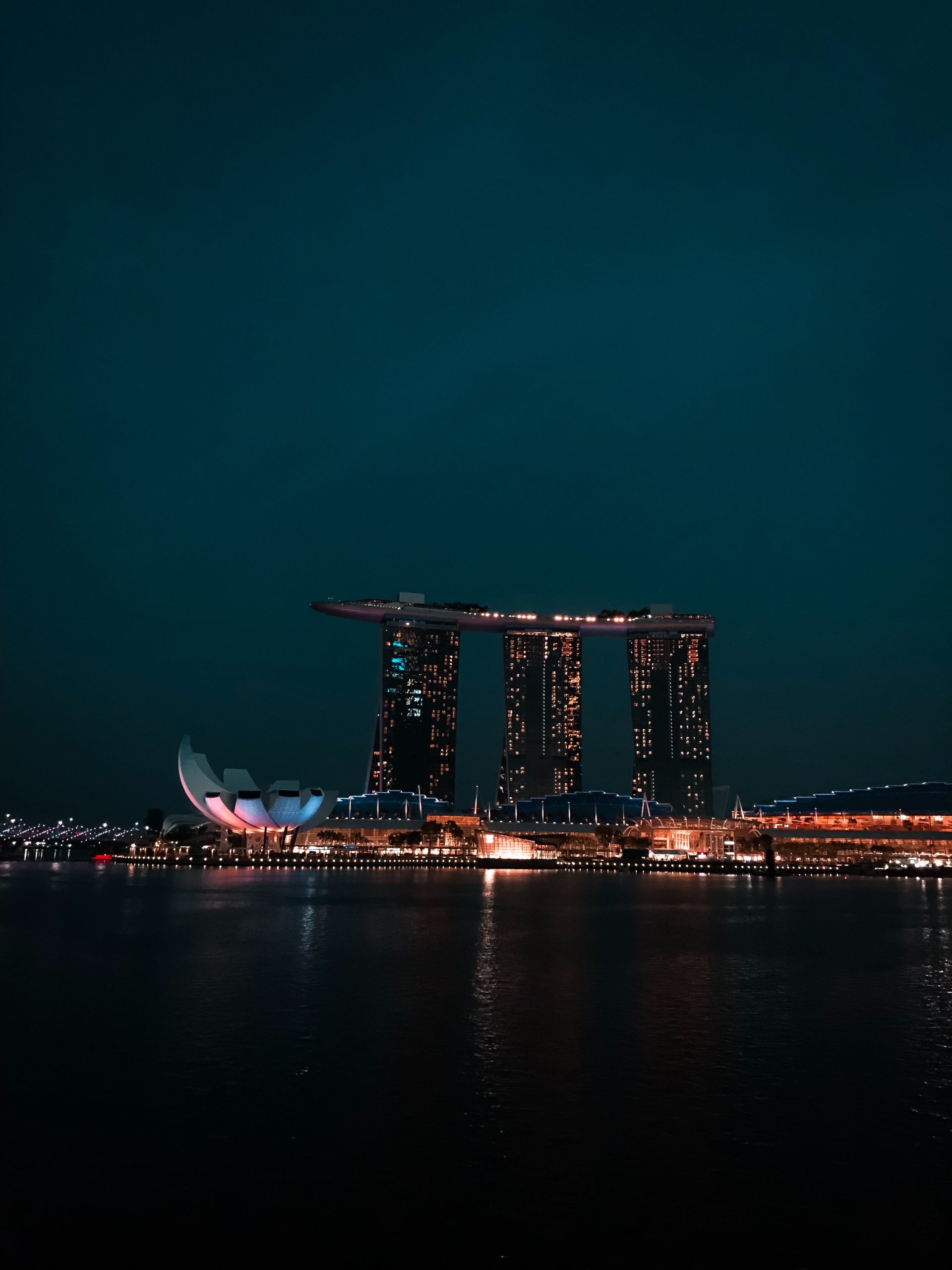
Singaporean food is immensely diversified as a result of the country’s history, blending Malay, Chinese, and Indian influences. Singaporeans consider food to be a component of their national identity; eating has been declared a national passion in the nation’s literature. Bak kut teh (pork rib soup with Chinese spices and herbs), beef kway teow (noodle soup with braised or stewed beef), and drunken prawns (cooked with rice wine) are local favourites. There are several fine-dining restaurants in Singapore. Visit a hawker market, which is kind of an open-air food complex, to get a flavour of the culture as well as the various cuisine. Chinatown Complex Food Centre is the city-largest state hawker complex, with over 260 vendors and a colourful, nostalgic ambience.
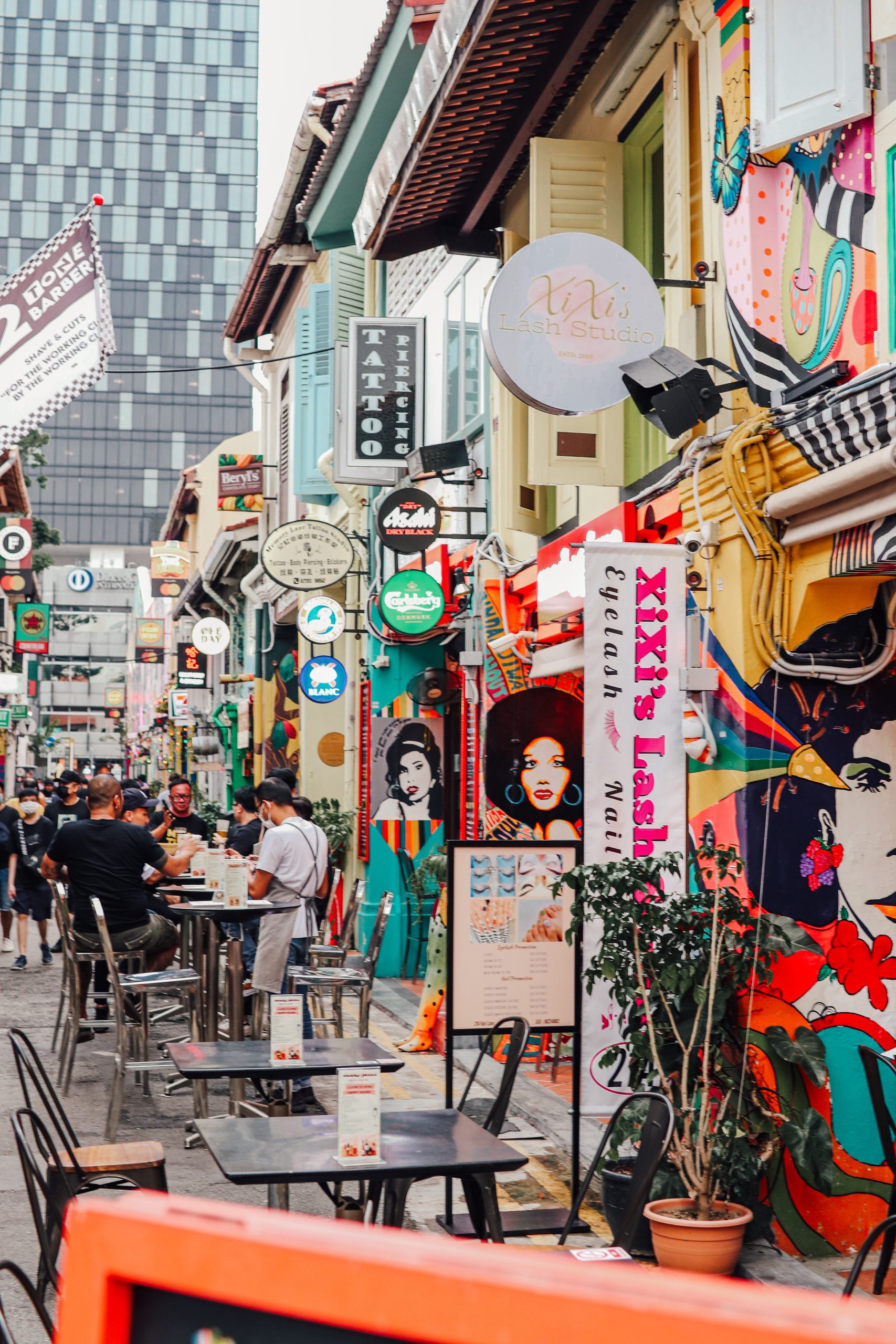
If you wish to please your palate with a burst of exquisite flavours, then you must head to Candlenut. Candlenut is the world’s first Michelin-starred Peranakan (a fusion of Chinese, Malay, and Indonesian cultures) restaurant. Chef Malcolm Lee takes his mother and grandmother’s Straits-Chinese culinary origins to new heights with imaginative variations on curries and stir-fries. Combinations of one-bite delicacies, as well as an omakase tasting menu and à la carte alternatives, provide customers with lots of options. Buah keluak (a toxic fruit fermented into an edible form) ice cream, Valrhona chocolate, chilli, and warm chocolate espuma perfectly describe his style.
Seoul, South Korea
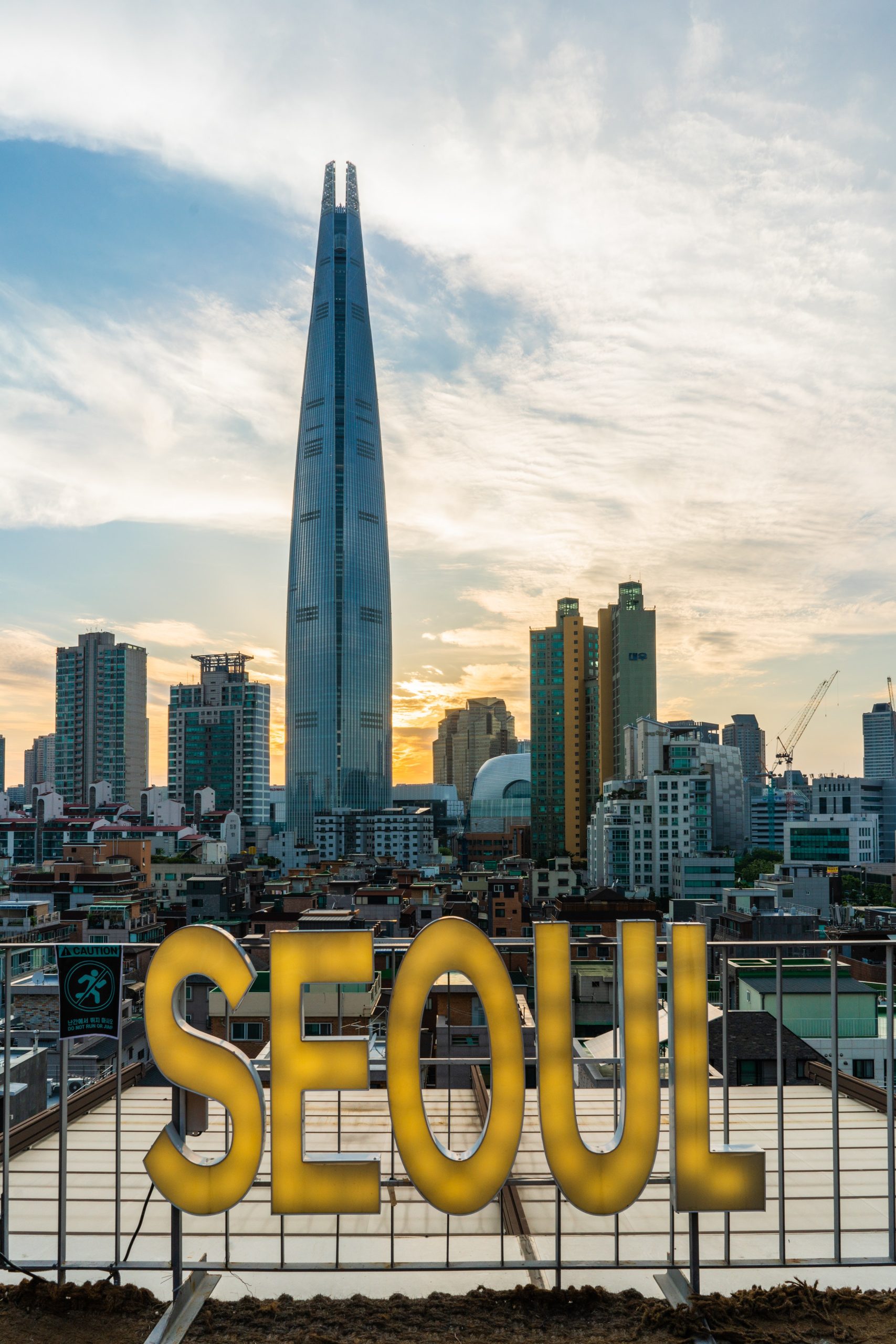
Street food has been an integral part of Korean culture for decades, with accounts of street food sellers reaching back to the 14th century. The conditions of post-war South Korea in the 1950s gave rise to a type of food that supplied inexpensive nourishment to low-income segments of the population, with these roadside feasts constantly developing and taking on regional distinctions. A stroll to any Korean market will showcase a plethora of delectable treats designed to satisfy both hungry tourists and residents. Skewers of acidic chargrilled chicken, crunchy fried vegetables, and golden fish-shaped waffles with a sweet surprise inside may be a meal in itself. Dine Korean-style, rubbing elbows with people at stalls or in cosy pojangmacha (tented street restaurants) while sipping a cup of soju (a distilled spirit). It’s a simple method to view and experience various Korean tastes.
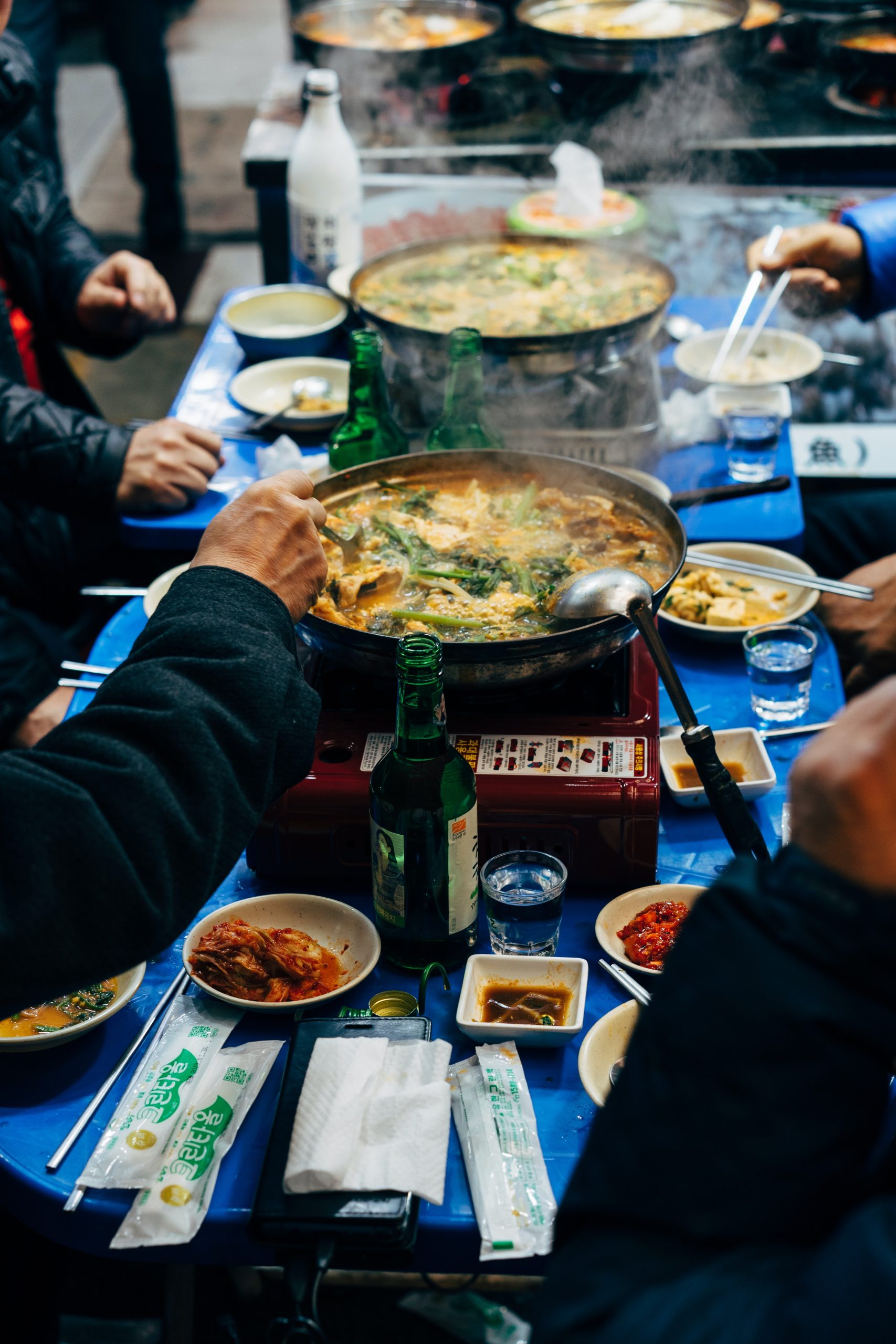
Don’t pass up the opportunity to munch your way around Seoul’s century-old Gwangjang Market. Being one of South Korea’s oldest continuously operating markets, it’s a perfect spot to take up the country’s traditional culture while also sampling its culinary delights. Mayak Kimbap has to be the audience favourite of all the items served at the market. These seaweed-wrapped rolls loaded with carrot, pickled daikon radish, and sesame-seasoned rice are just as addicting as its name (which literally means “narcotic rice roll”). Bindaetteok, a savoury pancake consisting of ground mung beans, different veggies, and pork, is another Gwangjang speciality. You can wash all the food down with a refreshing makgeolli, which is essentially an iced spirit made from fermented rice.
Delhi, India
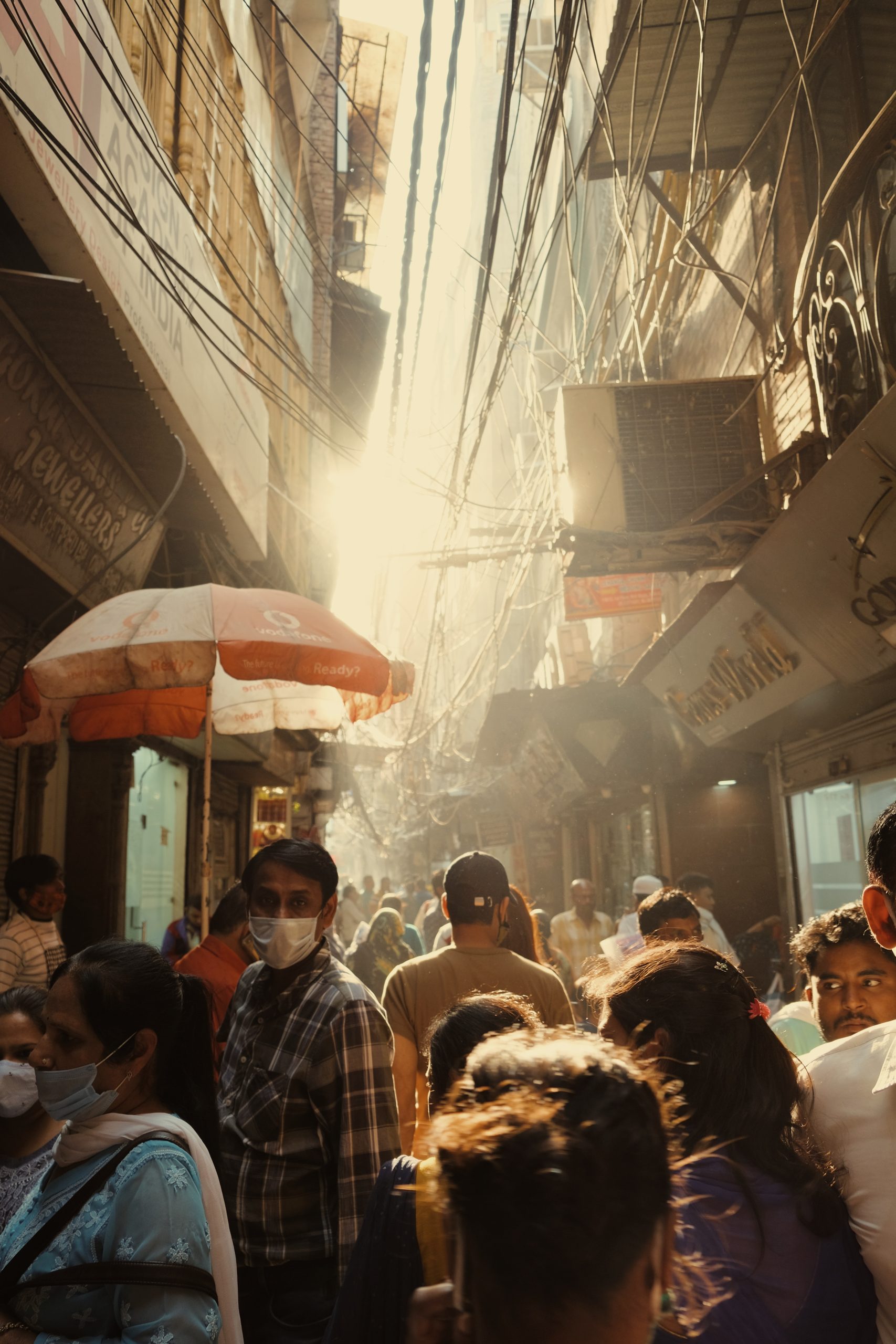
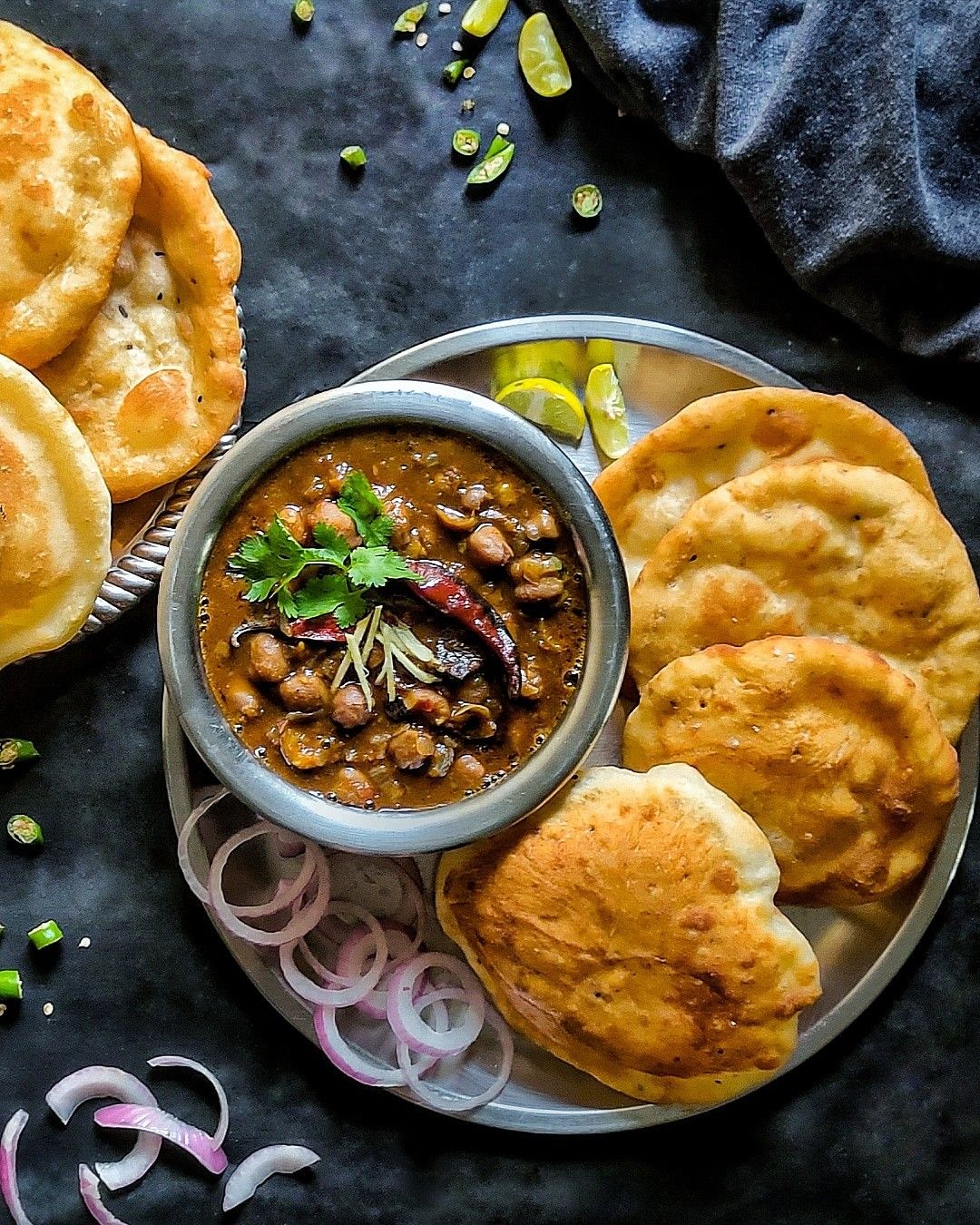
After hundreds of Twitter polls and internet arguments, netizens have concluded that Delhi stands at number one for having the best food in India. Delhi is a joy in many ways, but the megacity’s street food culture is totally different. The food scene in the Indian capital reflects the city’s variety, so don’t be surprised to find Middle Eastern cuisine introduced by the Mughals and Punjabi pleasures from Pakistan, with plenty of other alternatives in between. These many influences combine delightfully, rendering Delhi as one of the world’s gastronomic capitals. There are lots of wonderful eateries in Delhi for those seeking something a bit more formal, but don’t be afraid to walk the streets and indulge yourself in what the city has to offer.