Inside Titan’s mechanical era with Mahendra Chauhan
- Design Featured
 Anushka Manik
- 10 minutes read

In an age when your phone can tell you the time down to the second and a smartwatch can track your heartbeat, sleep and half your daily existence, there’s something strange about the appeal of a mechanical watch still going strong. We are still fascinated by a tiny machine that does nothing more than keep time. Perhaps that is precisely the point.
An automatic watch asks you to appreciate what is happening beneath the dial – gears turning, a mainspring storing energy and a rotor responding to the movement of your wrist. The idea itself is centuries old. In 1770, Swiss watchmaker Abraham-Louis Perrelet created what the Swiss watch industry describes as a forerunner to the modern self-winding watch. The concept continued to evolve, eventually finding its way into the wristwatch era; in the 1920s, English watchmaker John Harwood worked with Swiss manufacturer Fortis to develop one of the earliest commercially produced self-winding wristwatches.
Now while Switzerland would go on to become synonymous with mechanical watchmaking, it has never been a story belonging exclusively to the place. Today, the interesting question is what happens when other watchmaking cultures begin developing their own language around the mechanism, and that is where Titan’s latest chapter comes in.
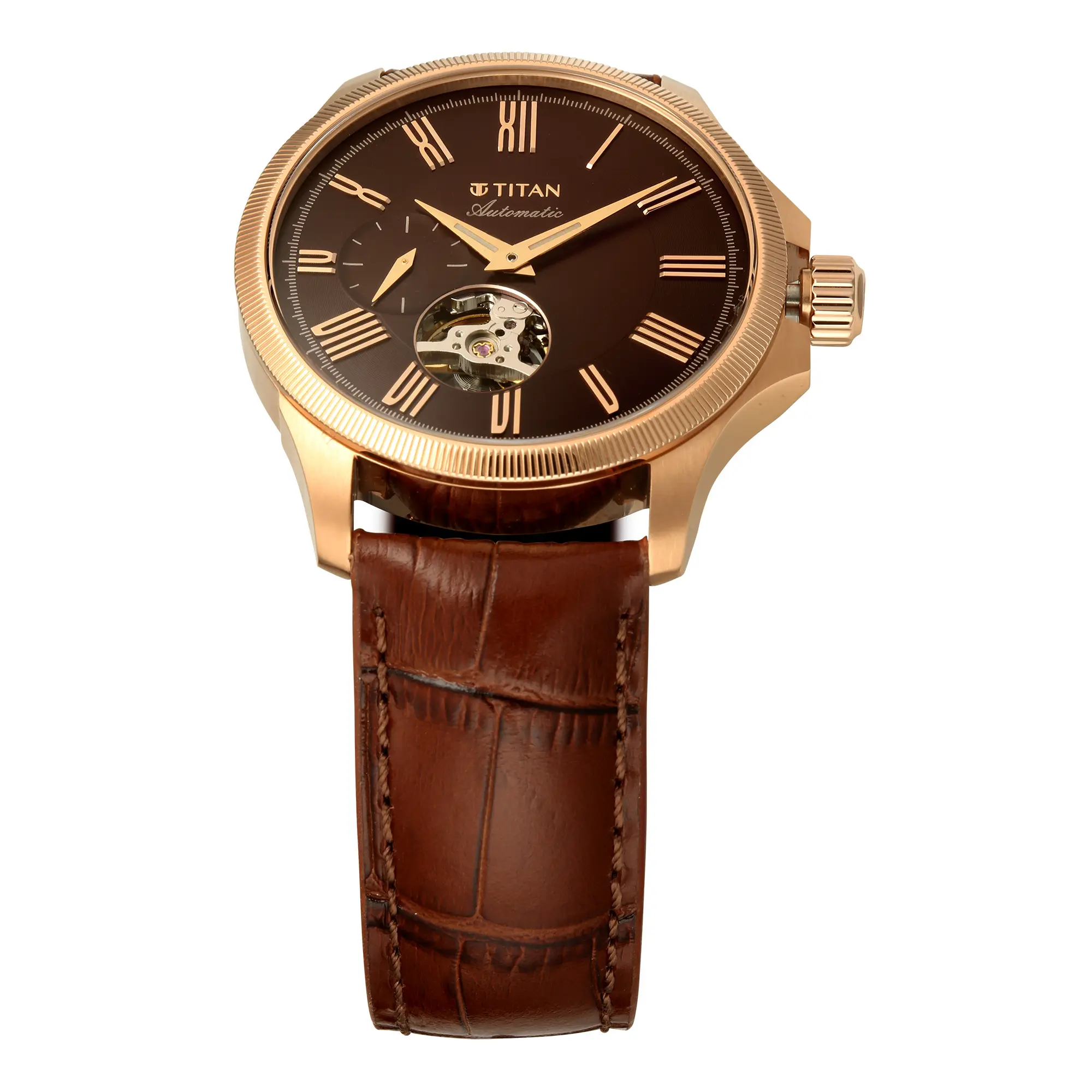
After decades of being associated with quartz watches and accessible design, the Indian watchmaker is putting greater emphasis on mechanical watchmaking with Vetra, its branded in-house mechanical movement platform. The Vetra 7A series forms the foundation of the new Titan Automatics collection, with four interpretations – Infinium, Dualis, Midnite and Atrium; exploring different complications and design expressions. Much of the movement has been designed, engineered and made in India, while the collection also deliberately exposes elements of the mechanism through details such as an open-heart module.
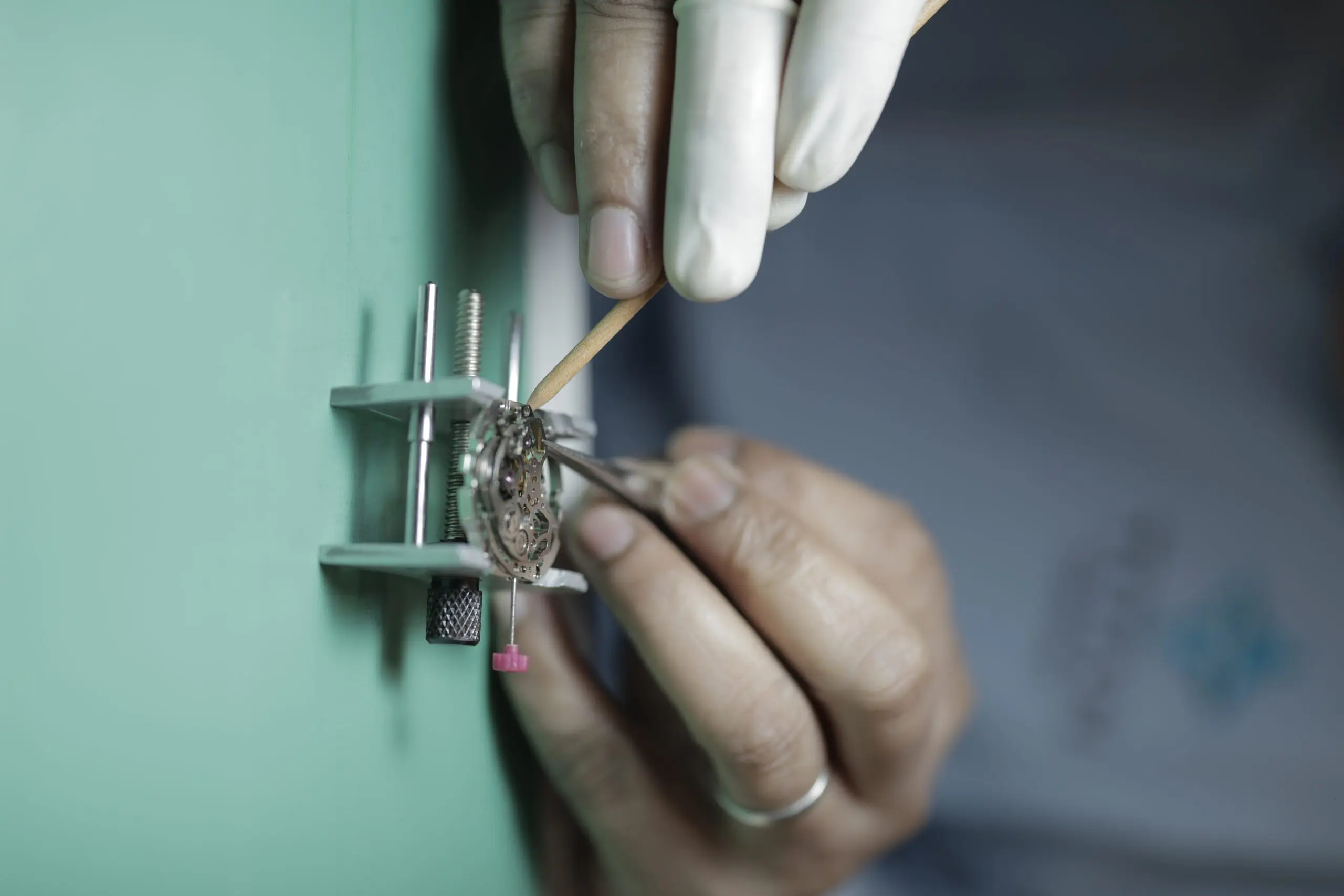
Smaller cases are returning, vintage references are being rediscovered, and younger consumers are treating watches like markers of taste, identity and personal style. As Mahendra Chauhan, Head of Design, Titan Company Ltd, puts it, the fascination with watches is beginning to move backwards as much as forwards. Read on for an exclusive conversation.
What makes designing a mechanical watch different from designing a quartz watch, particularly when so much of the engineering is hidden beneath the dial?
Mahendra Chauhan: As a designer, this collection was particularly interesting because we were not simply designing around an existing movement. We started developing the design proposition alongside a new platform, Vetra, which is a movement platform. Working with the engineers who were developing the mechanisms meant that engineering and design were constantly informing each other.
That interaction was probably the most interesting part for me. You are looking at construction differently, because suddenly design has to respond to engineering. The result is something that feels familiar as a watch, but has a very different thought process behind its construction.
Mechanical watches have this fascinating duality – the most complicated work is often the part you cannot see. How did you decide what should remain hidden and what deserved to be revealed?
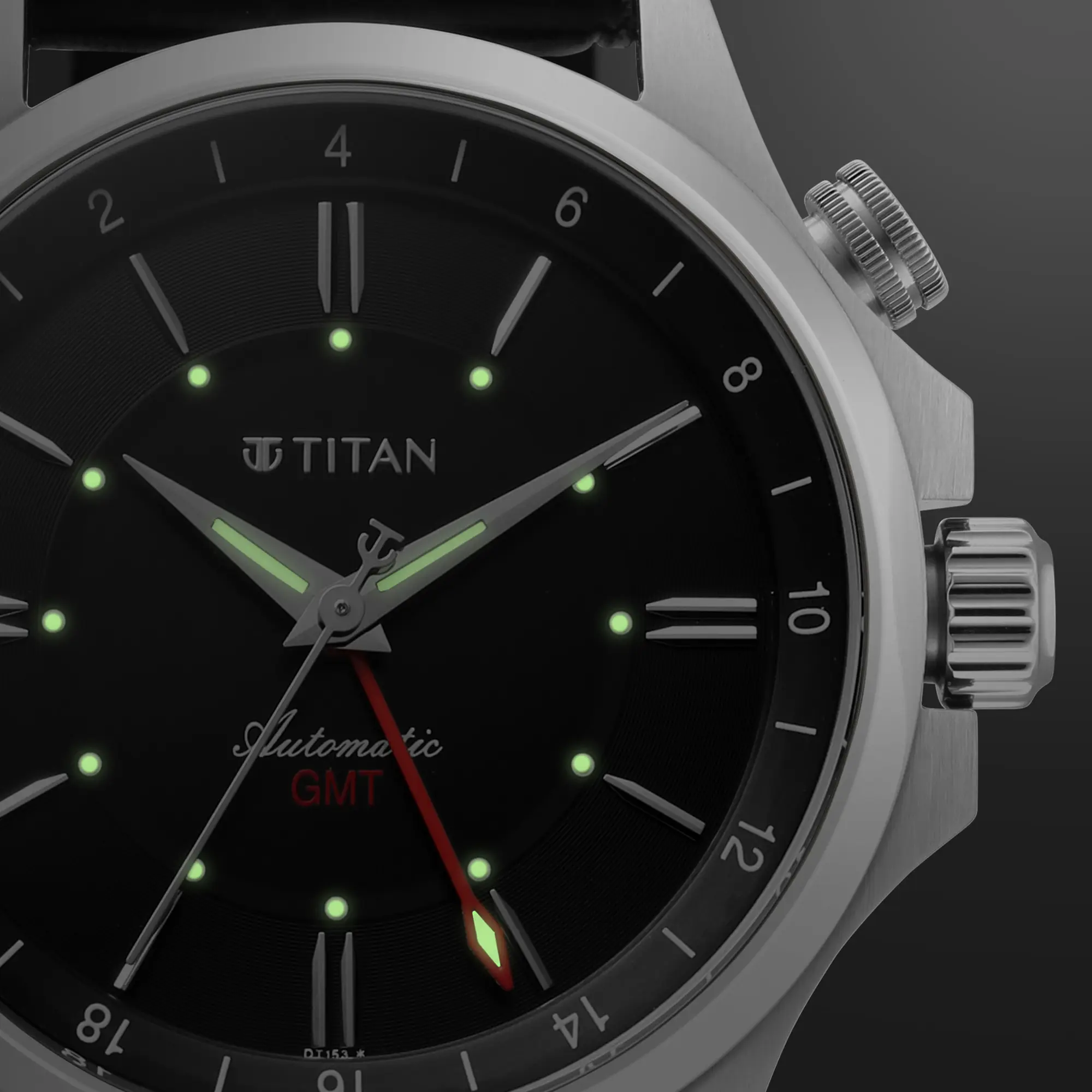
Mahendra Chauhan: The way we design the mechanisms is also about exposing the relevant details of the mechanism. When you turn the watch over, you can see the beauty of the coil, but you can also see the finishing and the pattern.
Every element that deserves prominence – the gear-train structure, the rotor and certain mechanisms we wanted to open out. In one of the watches, we have even opened the top side of the watch through what we call the open-heart module. We are essentially opening up the heartbeat of the module, which is the balance wheel. If something is moving and has been composed beautifully, people should be able to appreciate that beauty.
What can a brand like Titan bring to mechanical watchmaking that a Swiss watchmaker or a Japanese watchmaker cannot?
Mahendra Chauhan: I think we are still quite cognizant of the fact that we are taking our first few steps in mechanical watchmaking.
The Swiss have a legacy of around 200 years, probably more, and they have mastered the craft. Titan started as a quartz company and our foray into mechanical watches began about 10 years ago. Now we are going seriously into it.
I would say we are learning the art and craft of watchmaking, but we also want to bring an Indian dimension to it. Indian consumers have certain requirements that may be different from a Swiss or European consumer. The way we wear and maintain our watches, the importance of long service duration – these are things we are thinking about.
If we can create a watch that remains accurate for five or six years with less frequent winding or adjustment, those are the finer nuances we are trying to build into the product for the Indian audience. Having said that, we are taking baby steps. What you are seeing here is just the tip of the iceberg.
Is everything sourced or made in India?
Mahendra Chauhan: Yes. I would say around 90 to 95 per cent of the module is made, designed and engineered in India. Every movement has an escapement, which is essentially what beats within the movement. That particular component is not made in India; we source it from our partners. Apart from that, the majority of the movement is developed here.
What is the one detail in the collection that you consider fundamental to the design language?
Mahendra Chauhan: For me, it is the signature that runs across all the watches. When we were working on the different design details, we thought that since this was an iconic signature for us, we call it the automatic signature – could we create a signature of our own?
We took a small facet of the Titan watch logo and developed it into a pattern. It is quite interesting to see how it has come together. I would say that this feature is quite unique because it completely belongs to us. You wouldn’t immediately recognise it because its origin in our logo is quite subtle. But still it is hidden.
Yes, you need to discover it. It isn’t sitting on the face of the watch like many other brand signatures. You have to look for it. But once you discover it, you realise how much thought has gone into that small detail.
What do you think the next generation want to wear on their wrist?
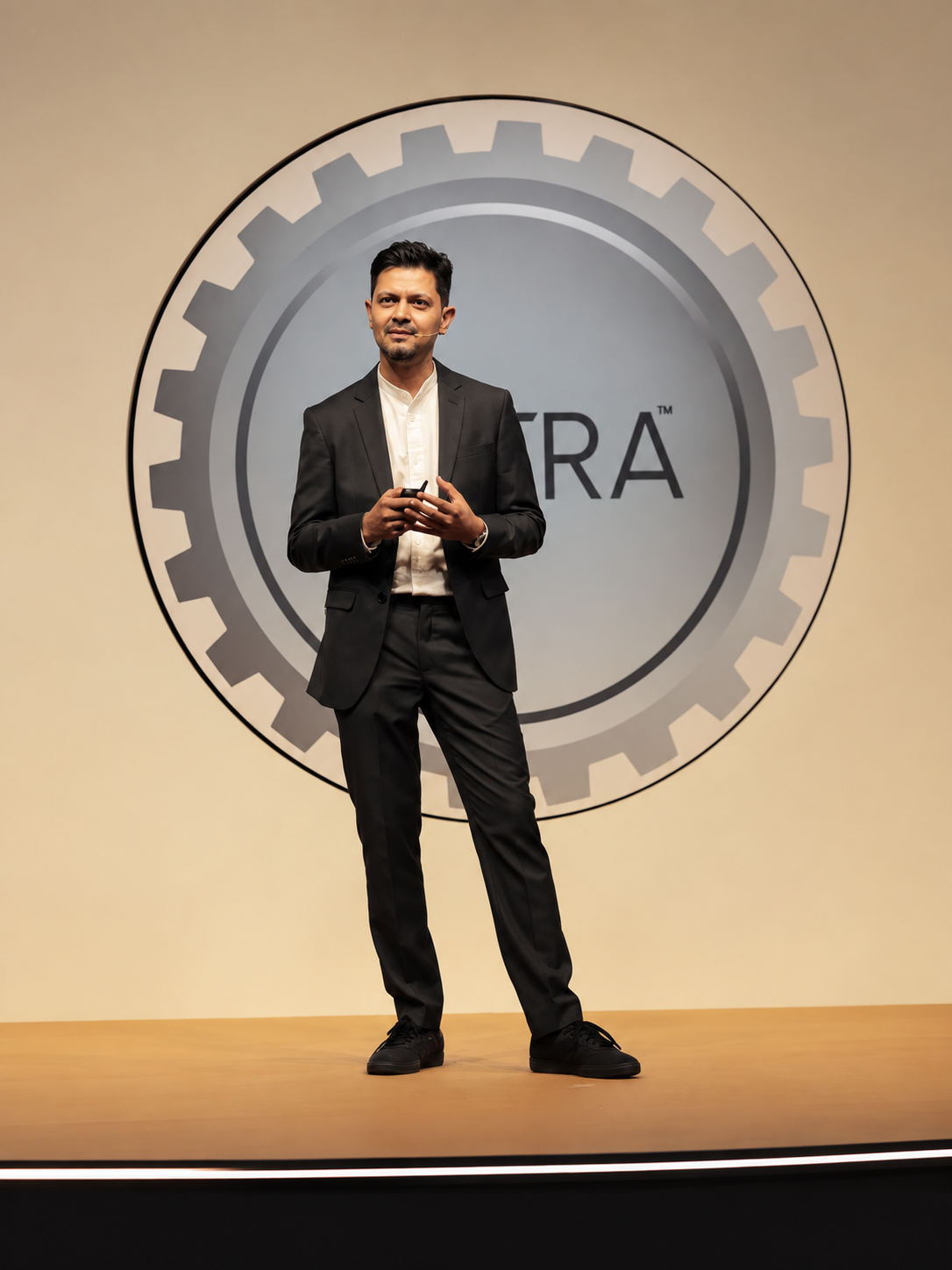
Mahendra Chauhan: I think luxury is evolving greatly, especially with Gen Z buying watches. We are seeing a lot of previous trends coming back, and one of the trends we are noticing in watches is smaller case sizes.
There was a time when 42mm or 44mm watches were the norm and people were comfortable with those sizes. But now, even a 36mm or 37mm men’s watch is perfectly acceptable. There was an era of big watches, but now we are seeing things move in the opposite direction.
A lot of this comes from an appreciation for nostalgia. Things from the past are coming back and being reshaped in interesting ways. We have seen this across many trends, and luxury is no exception.
With wedding season upon us, what do you think is a good pick for grooms?
Mahendra Chauhan: You are asking me this while I am launching a new range of watches, so naturally, I would say the Vetra platform and the Titan Automatics collection. What I like about the collection is that it offers different design languages – there are more flamboyant pieces, contemporary designs and classic watches. So, for a groom, it really comes down to his personal style and what he feels most comfortable wearing. The idea was to create a collection that gives you that choice, while also showcasing the kind of mechanical watchmaking we can develop in India.
You may also read: The Indian roots of French Perfumery