Why Mahjong is luxury’s hottest new obsession
- Featured Trending
 Yashita Damani
- 16 minutes read

For the uninitiated, mahjong is a centuries-old Chinese tile game played with 144 beautifully illustrated tiles. Combining skill, memory, probability and strategy, it is often compared to a cross between rummy, poker and chess, although devotees insist it is unlike anything else. Traditionally played by four players, the game revolves around building winning combinations while reading opponents, calculating odds and embracing an element of chance.
“Mahjong is whatever you want it to be. If you’re competitive, there’s a version for you. If you simply want to unwind with friends after a long day, there’s room for that too.”
— Samridhi Shroff Sancheti, avid Mahjong player
After years of digital overload, luxury consumers are increasingly seeking slower, more intentional ways to spend their leisure time. Mahjong, chess, bridge and backgammon are being rediscovered not simply as nostalgic pastimes, but as rituals centred around craftsmanship, conversation and community (that inadvertently also keep your screen time at bay). In an era where experiences have become the ultimate status symbol, analogue leisure is starkly redefining what modern luxury looks like. Ahead of International Mahjong Day: August 1, one of luxury’s fastest growing obsessions isn’t a handbag, a watch or a members-only club. It’s a game table or games night.
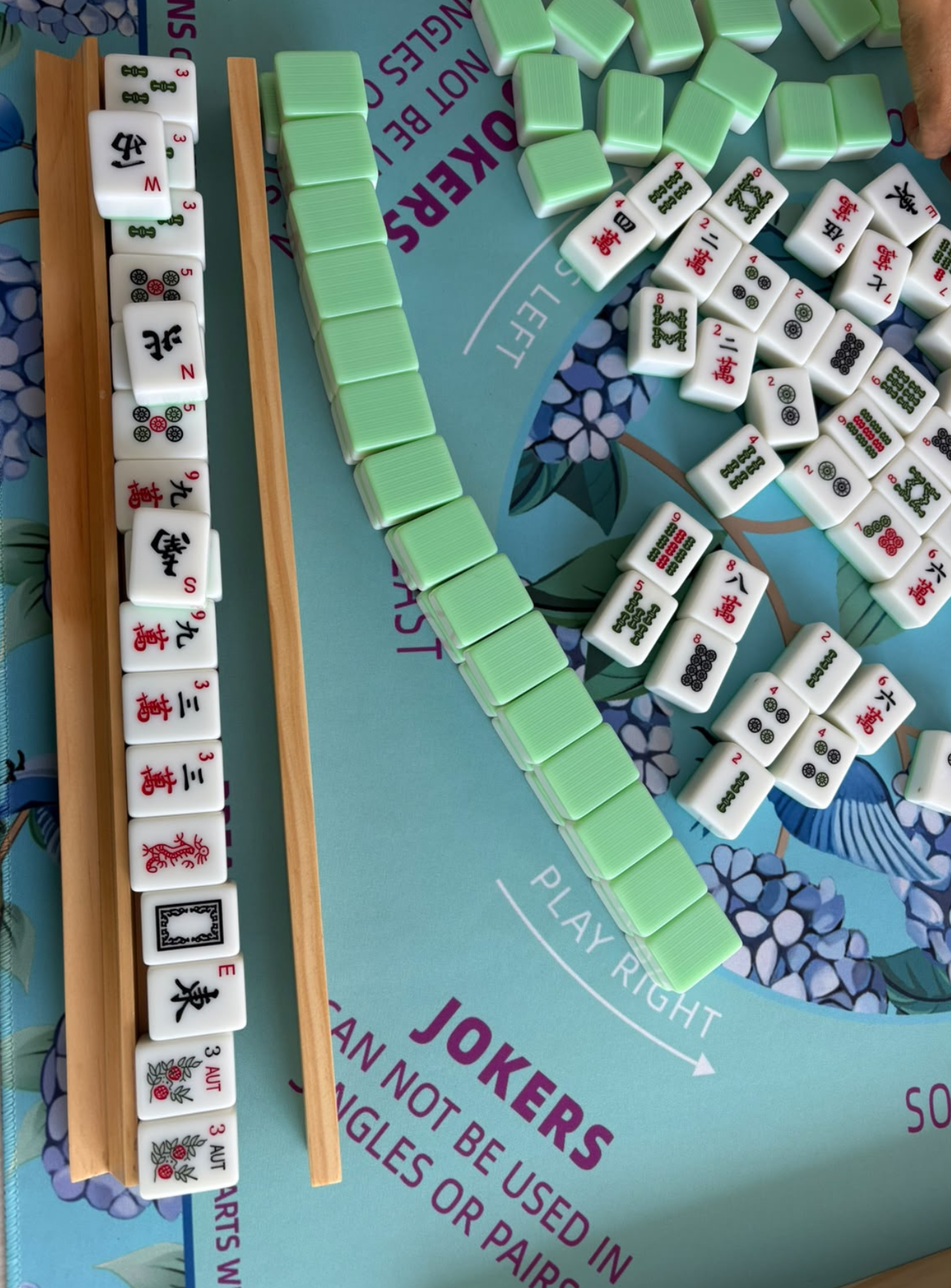
“Players are incredibly particular about their kits,” she says. “From mother of pearl tiles and personalised mats to monogrammed bags, there’s endless room for craftsmanship.”
“The brands that move quickly are the ones that will benefit the most.”
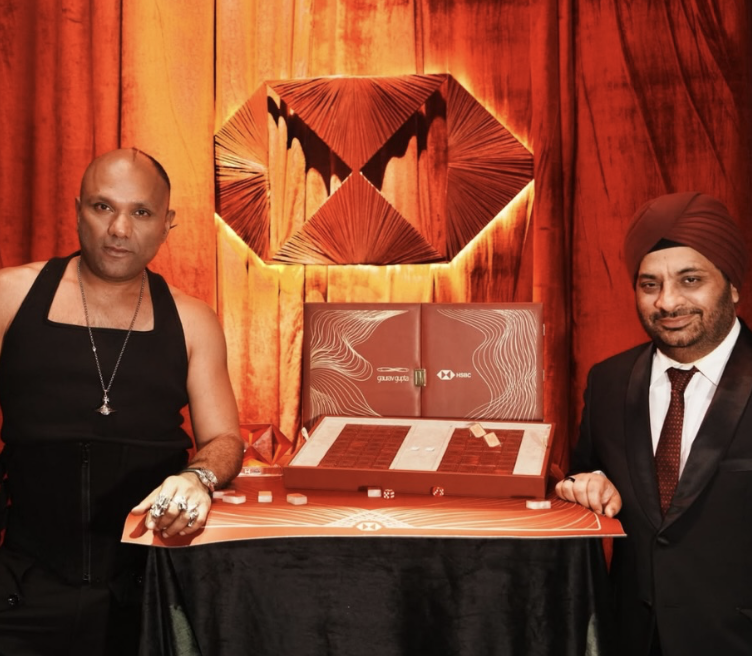
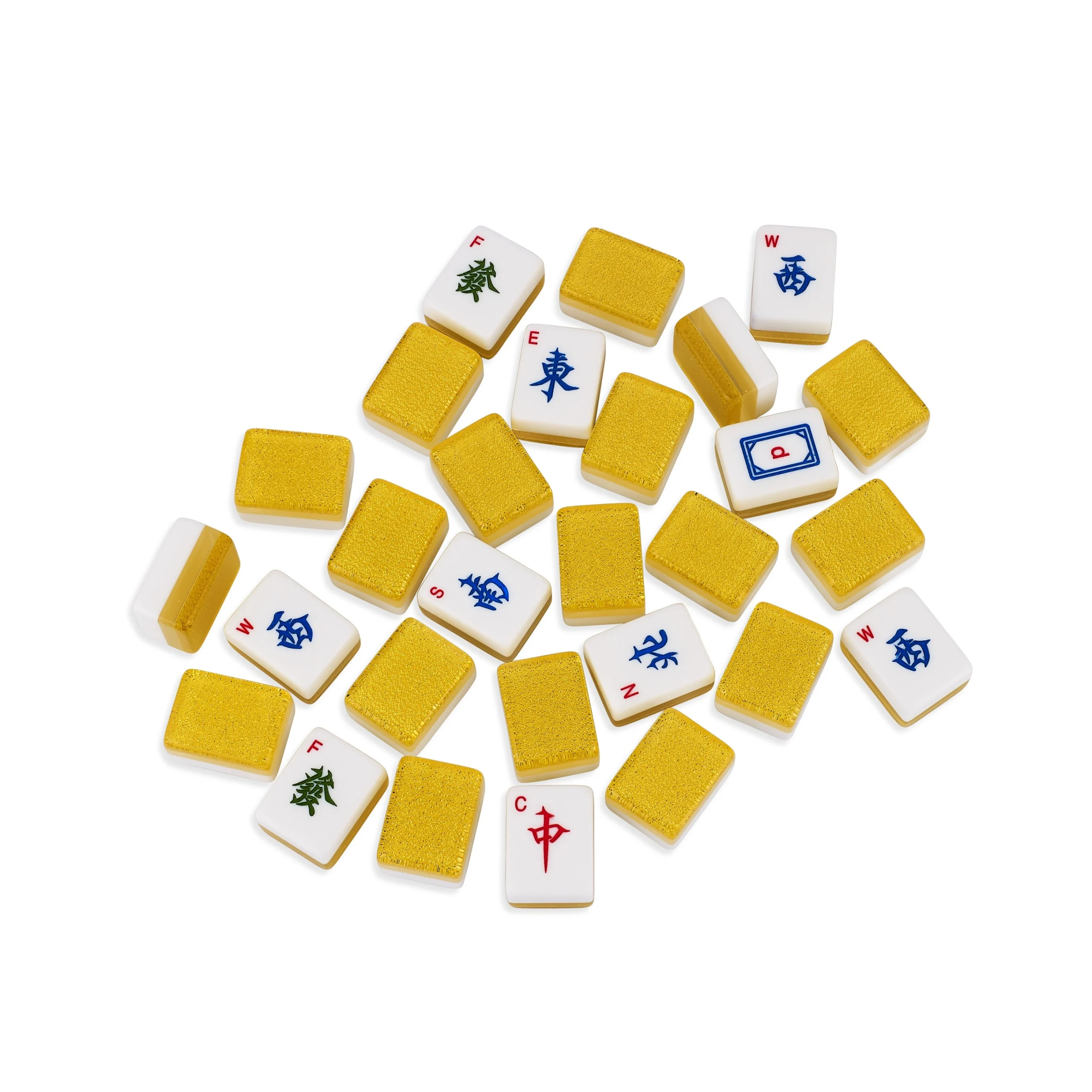
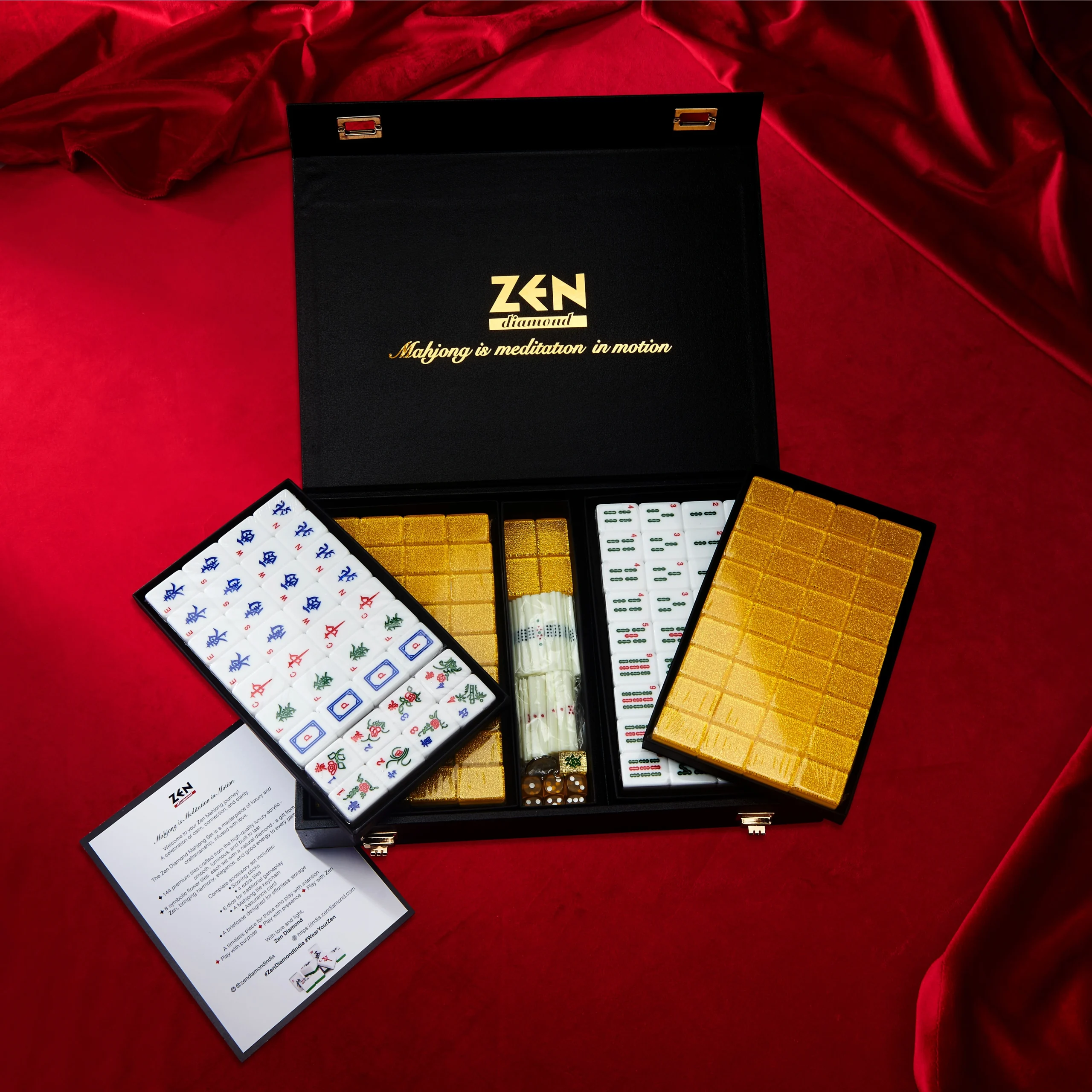
The shift is visible across the industry. Designer Gaurav Gupta has translated his sculptural aesthetic into a limited edition mahjong set for HSBC clients, while Zen Diamond India has created diamond-studded mahjong sets and is actively sponsoring tournaments that are bringing together a new generation of enthusiasts. Luxury brands are no longer just designing products. They’re creating reasons for people to gather.
To understand why this centuries-old Chinese game is enjoying a contemporary renaissance, LuxeBook spoke to avid mahjong players, founders of the Mahjong Hub (which is Delhi-based), designers and luxury brands like Zen Diamonds shaping the movement. Their insights reveal that the resurgence is about far more than gameplay. It reflects a broader cultural shift away from constant connectivity and towards shared experiences, tactile craftsmanship and meaningful human interaction. In many ways, the greatest luxury today may simply be putting the phone away and pulling up a chair!
What exactly is Mahjong?
For the uninitiated, Mahjong is far more nuanced than its comparisons to rummy or poker suggest. Originating in China during the Qing dynasty, the game rewards observation as much as probability, memory as much as instinct. Played with intricately illustrated tiles rather than cards, every decision is shaped not only by the hand in front of you but also by reading the intentions of the three people across the table.
Part of Mahjong’s enduring appeal lies in the fact that no two games are ever quite alike. Every country has evolved its own variation, from Chinese and Taiwanese Mahjong to American versions, while Indian players have developed their own house rules, scoring systems and playing styles. Easy enough to learn but endlessly difficult to master, it is a game that continues to evolve while remaining rooted in centuries of tradition.
Teacher’s POV
“At Gurgaon Mahjong we have had the pleasure of teaching as well as seeing a beautiful community blossom and thrive. Strangers that gathered around a table and became friends while learning and letting the tiles guide them. It has been absolutely amazing seeing this grow.” Ruchika Gupta, Founder – Gurgaon Mahjong
What keeps bringing her back
“As a player, I come back for the pleasure of the process – the thinking, the strategy, the sigh of letting go of the tiles you don’t need and the joy of the right tile finding you.
At Gurgaon Mahjong as a teacher, I come back for the thrill of discovery, as I see understanding dawn and the simple enjoyment that people find in learning something new – sometimes after years..!!”
Ritushri Bangur
Founder – Gurgaon Mahjong
Avid player’s POV: More than a game, a social ritual
For Samridhi Shroff Sancheti, Mahjong’s appeal extends far beyond the tiles. “Our generation hustled through our twenties and thirties. Now we’re looking to change the pace,” she says. At a stage of life where careers stabilise, children grow older and social circles naturally evolve, Mahjong has become less about winning and more about finding meaningful ways to spend time. What begins as a strategy game often ends as an evening of conversation, laughter and unexpected friendships.
Unlike dinners centred solely around food or passive entertainment, Mahjong offers what she calls “an activity with intention”. Players spend hours reading each other’s moves, adapting their strategies and engaging in conversations that unfold organically between rounds. “People talk so much about brain fog today,” says Shroff Sancheti. “Mahjong keeps your mind engaged. It’s strategic, addictive in the best possible way, and every game is different.” Every hand demands memory, observation and adaptability, turning leisure into a surprisingly rigorous mental workout while offering a welcome escape from the digital fatigue of everyday life.

Where strangers become friends
The community, she believes, is equally compelling. “It’s almost like speed networking disguised as a board game,” she laughs. Since taking up Mahjong earlier this year, she has met entrepreneurs, creatives, professionals and neighbours she would never have crossed paths with otherwise. The table becomes a social equaliser where careers, ages and backgrounds quietly dissolve, replaced by shared strategy, camaraderie and friendly rivalry.
She also believes the resurgence reflects changing priorities. Many social gatherings once revolved around restaurants or bars. Today, people increasingly seek experiences that offer both connection and engagement. Mahjong delivers both. It creates space for conversation without demanding constant attention, allowing relationships to develop naturally over hours rather than hurried dinners!
Luxury’s newest wellness ritual?
“Luxury today is no longer defined solely by ownership. Increasingly, it’s about the moments a brand helps create.” Ankita Sonawala, Brand Head, Zen Diamond India
Shroff Sancheti also points to something more psychological. As conversations around burnout, menopause, brain fog and mental wellbeing become increasingly common, games that require sustained concentration are finding renewed relevance. Mahjong demands attention without feeling like work. It requires players to observe patterns, calculate probability, remain adaptable and constantly reassess strategy, making it as mentally stimulating as it is entertaining.
The game is equally inclusive. Competitive players can immerse themselves in tournaments and advanced scoring systems, while casual players can simply gather with friends after work and enjoy an evening away from their phones. “It’s not always about who wins,” she reflects. “Some of my favourite memories are the games where we laughed the most.”
One such memory still makes her laugh. During one of her very first games after learning Mahjong, she excitedly declared victory, only to realise moments later that she had completely misread her hand. “We all burst out laughing,” she recalls. Another favourite memory was finally completing a difficult variation after several rounds of trying. “Those two moments perfectly sum up Mahjong. It’s competitive, but it’s equally about the people you’re sharing the table with.”
Why Mahjong is suddenly fashionable again?
“Today, time is the biggest luxury. In a world of endless scrolling, Mahjong brings the perfect digital detox. It’s the simplicity that has made it addictive. Just four people, slower conversation, deeper connections and shared laughter. Maybe it’s not Mahjong having a moment, perhaps we are finally ready for it.” Anjali Khanna, Founder – Gurgaon Mahjong
Luxury brands have noticed this cultural shift too. Rather than simply producing another collectible, many are beginning to design around the rituals that surround the game itself.
For Ankita Sonawala, Brand Head, Zen Diamond India, the brand’s decision to enter the world of Mahjong stemmed from something far deeper than product diversification. “We’ve always believed luxury is about creating meaningful emotional connections, not just beautiful products,” she says. Having played Mahjong herself for years, she recognised that the game had quietly evolved into a platform for friendship, conversation and community.
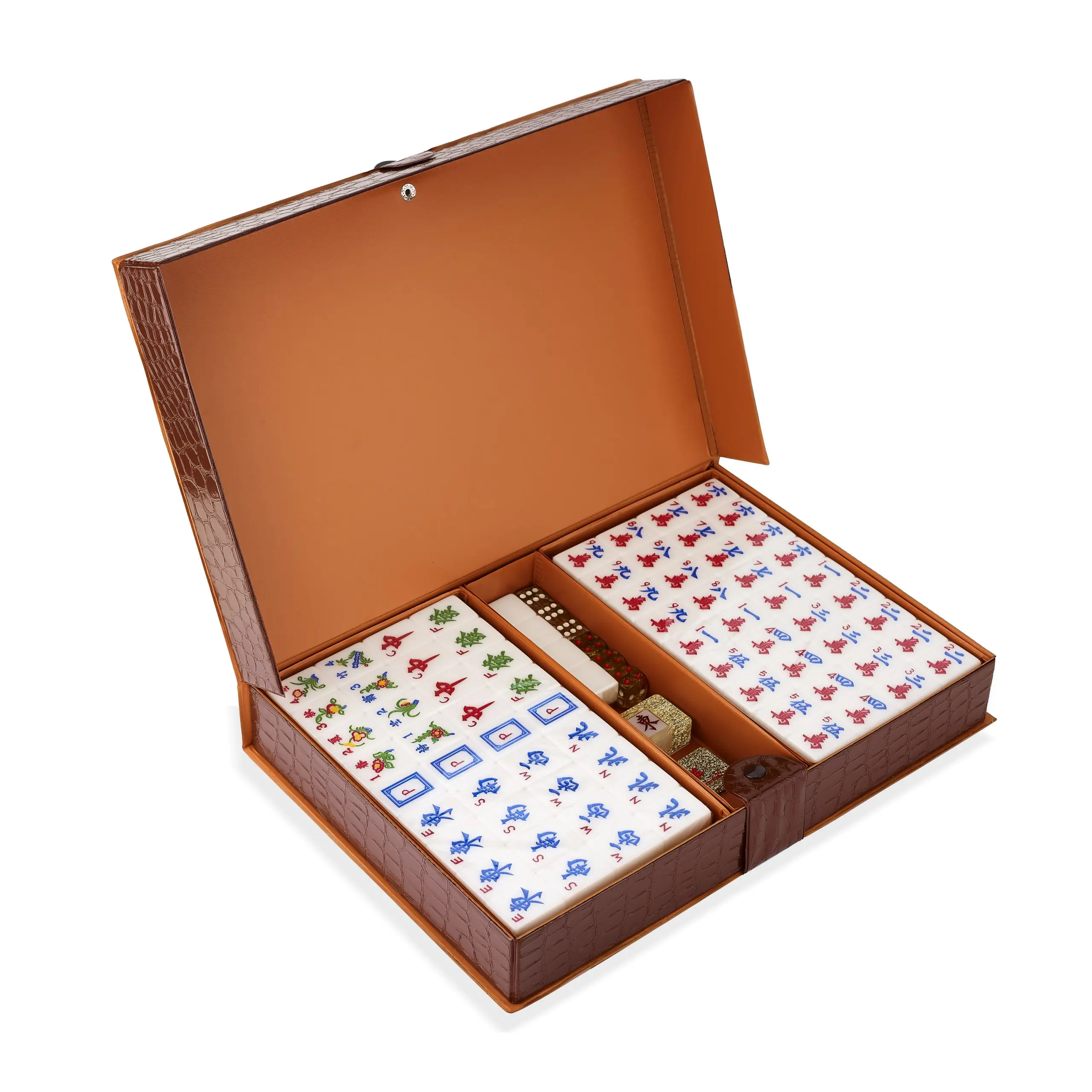
That insight inspired Zen Diamond India’s handcrafted Mahjong collection, where eight natural diamonds are embedded into the flower tiles, symbols traditionally associated with prosperity and fortune. Rather than treating the diamonds as decorative embellishments, the brand saw them as an extension of the game’s own symbolism and craftsmanship.

From possessions to participation
The set, however, was never intended to become a museum piece. “Our intention was always to create something people would genuinely use,” says Sonawala. “We never wanted it displayed behind glass. We wanted it to bring friends and families together, spark conversations and create memories.”
A beautifully crafted object becomes meaningful not because it is rare, but because it repeatedly brings people together. “What has fascinated us most is watching Mahjong evolve into a genuine cultural movement,” Sonawala explains. “People today are seeking authentic connections and a sense of belonging. Supporting these communities allows us to become part of those moments in a way that feels genuine rather than transactional.” She believes Mahjong’s resurgence is a direct response to digital fatigue too.
“We’ve spent years optimising digital convenience, but people are now rediscovering the value of being fully present,” she says. “Mahjong is meditation in motion. It requires conversation, strategy and shared attention, qualities that have become surprisingly rare.” For Sonawala, this is precisely where luxury is heading. “Consumers aren’t simply buying products anymore. They’re choosing brands that reflect their lifestyles, interests and values. Luxury lies in building communities, creating meaningful experiences and fostering lasting emotional connections.”

The room becomes the luxury: travelling for games?
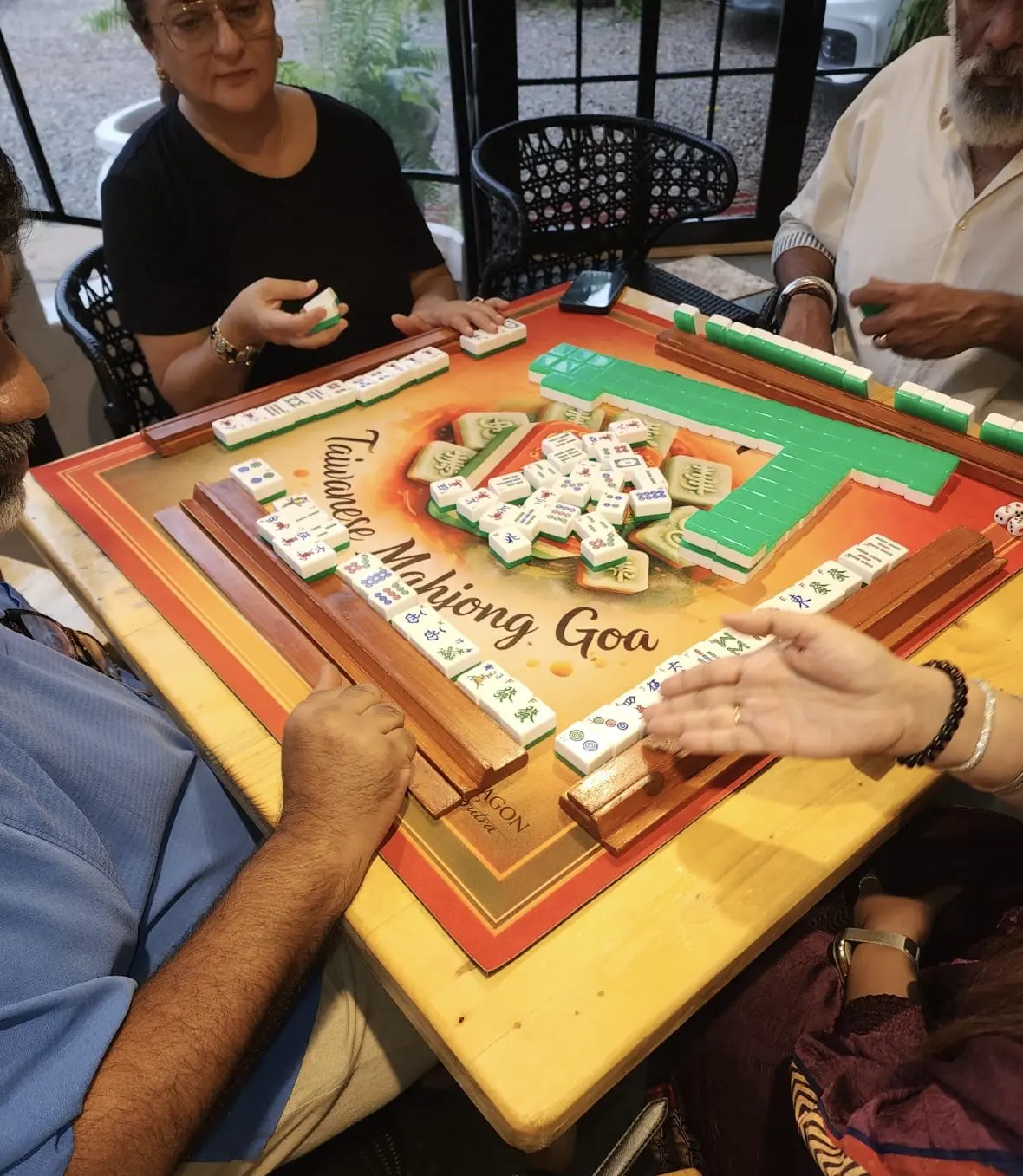
Another trend spotted: the rise of Mahjong is no longer confined to beautifully crafted collectible sets. It is beginning to shape physical destinations too! In Goa, Nema Cherian, founder of experiential lifestyle destination QIINZA, has launched one of the state’s first dedicated Taiwanese Mahjong clubs, signalling how the game is evolving into a cultural destination in its own right. Set within a restored Portuguese bungalow in Assagao, the space combines dedicated Mahjong tables with a café, workshops, tournaments and community evenings, creating an alternative to conventional cafés and bars.
Rather than encouraging people to linger over another coffee or another cocktail, the concept invites them to spend entire afternoons around a shared table, reconnecting through strategy, conversation and slow leisure. It is perhaps the clearest indication yet that the future of luxury leisure lies not simply in what consumers buy but in the spaces that encourage them to stay, connect and return.
Uninterrupted attention may be luxury’s its rarest commodity. From brain fog in your forties to agility in our 20’s; perhaps that explains Mahjong’s remarkable resurgence. The game asks players to dedicate hours to one another without checking a notification, chasing an algorithm or reaching for a screen. In return, it offers something increasingly difficult to find: presence and awareness.
The tiles may be handcrafted, the sets beautifully designed and the accessories exquisitely made. Yet the true luxury lies elsewhere. It lives in the conversations that unfold between turns, the friendships built over repeated games and the simple act of gathering around a table with nowhere else to be. For an industry once obsessed with speed and exclusivity, or ‘another object to own’, connection is primal, vital and or most importance. Reminds us that the most meaningful luxuries were never hiding inside our phones (or posting about it for someone else to hold us in high regard) in the first place.
For Shroff Sancheti, Mahjong ultimately mirrors life itself. Success depends not only on the hand you’re dealt but on how well you adapt to changing circumstances. “You can’t control the tiles you receive. You can only decide how you respond.” It is a philosophy that feels increasingly relevant today, reminding players that the best outcomes rarely come from certainty but from paying attention, remaining flexible and knowing precisely when to change course.
You may also read: India’s most beautiful palace-turned hotels