NASO Profumi’s Astha Suri on finding home through fragrance
- Featured Lifestyle Retail
 Yashita Damani
- 14 minutes read

Scent is the one sense that can turn a fleeting moment into a lifelong memory. The first crackle of camphor during a puja, gajras of fresh mogra, the sweetness of cardamom-laced mithai, the woody depth of oud and the soft, earthy aroma of mitti after rain; each tell a story words cannot quite capture.
And when Diwali arrives, these familiar fragrances become part of the ritual of returning home. We spoke to Astha Suri, Founder and CEO of NASO Profumi, about India’s evocative fragrance heritage, the emotion behind conscious perfumery and why the most unforgettable scents are often the ones that feel like home.
Some memories are too precious to photograph, but a single note can bring them rushing back. It is part of the atmosphere, an olfactory heirloom passed between generations, even when no one quite thinks to call it one After all, what better way to bottle the feeling of home than with a scent that stays long after the festivities fade?

In Conversation With Astha Suri
Astha Suri: Fragrance is often one of the first things that makes a place feel like home, even before you consciously recognise it. It could be the smell of marigolds at the entrance, incense in the prayer room, something simmering in the kitchen, or the familiar scent of a loved one’s home. These are small, seemingly ordinary details that become deeply meaningful over time. During Diwali, when homes are cleaned, decorated, and filled with people again, fragrance becomes part of that welcoming process. It helps create a warm, familiar, and inviting atmosphere. I think the beauty of scent is that it can make you feel at home even when you are far away.
Astha Suri: Scent can transport us back to a moment without requiring us to recall it. A particular fragrance can bring back a person, a place, or an entire period of your life, often with an emotional immediacy that other senses cannot quite replicate. In India, so many of our memories are built around scent. It might be the fragrance of jasmine in someone’s hair, rose petals during a celebration, sandalwood during a prayer ritual, or the familiar combination of spices and sweets during a festival. These scents are tied to people and experiences, not just ingredients.
At NASO, we are interested in this emotional dimension of perfumery: the way a fragrance can feel familiar yet deeply personal. Our inspiration comes from the world around us, including India’s rich botanical heritage, but also from the more intangible feelings that certain scents evoke.
LuxeBook: How have Indian homes, celebrations and cultural traditions shaped the way you approach fragrance and product creation?
Astha Suri: Indian homes are a fascinating starting point because fragrance here is rarely confined to a bottle. It exists in flowers, plants, rituals, food, textiles, and the everyday rhythms of a household. Celebrations such as Diwali bring these elements together, creating a sensory experience that is unique to each home. This close relationship between nature, culture, and everyday life builds our approach to fragrance. We work with the richness of Indian botanicals, including herbs, flowers, and spices, while exploring how to express these materials in contemporary perfumery. At NASO, we also believe that luxury should be more conscious. Our philosophy centers on a more considered approach to fragrance, with thoughtfully selected ingredients and formulations designed around our commitment to conscious perfumery. Ultimately, we want our fragrances to feel rooted in something meaningful without being limited by tradition.
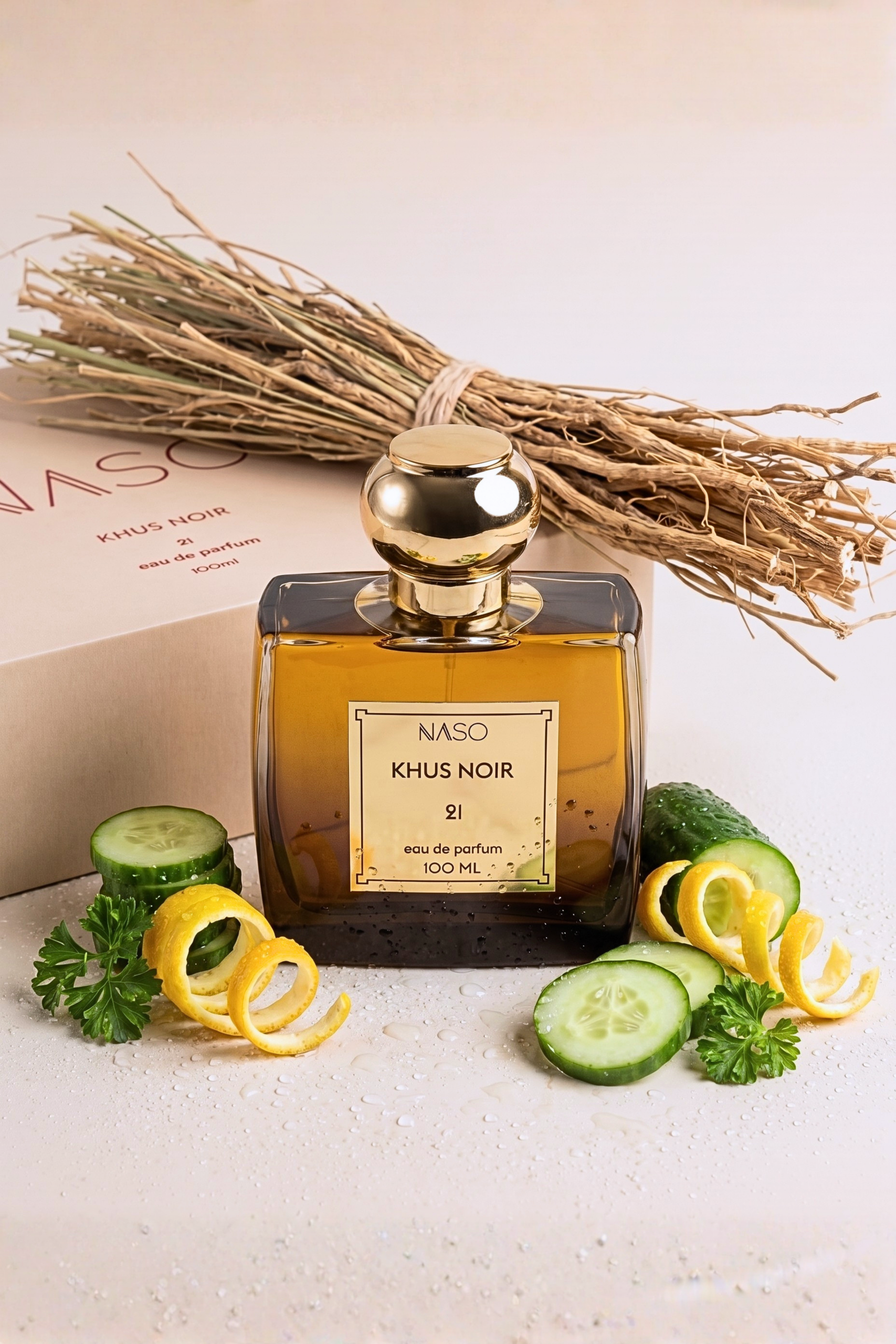
Astha Suri: I think the most meaningful gifts are ones that highlight the attention you have paid to someone. A fragrance becomes personal when it reflects something about the person receiving it: their temperament, their memories, the way they like to feel, or even a moment you have shared together. Unlike many gifts, fragrance also becomes part of someone’s personal identity. It can be something they wear every day, associate with a particular occasion, or return to years later because it reminds them of a certain time in their life. For Diwali, I think there is an opportunity to move beyond gifting simply for the sake of the occasion. Instead of choosing something because it looks expensive, choose something that feels considered. The real luxury lies in finding a scent that resonates with someone and giving them something that feels uniquely theirs.

Astha Suri: I believe luxury is increasingly about the thought and intention behind a product, rather than just its price or presentation. Consumers are asking more questions about what they use, how products are made, and whether the values of a brand align with their own. At NASO, we see conscious perfumery as an important part of this conversation. We want fragrance to be an experience that feels elevated while remaining mindful of ingredients and formulation. Our philosophy challenges the idea that luxury must be excessive, whether in the way a product is positioned or the ingredients it contains. For us, accessibility and value come from creating something with a clear point of view, a meaningful story, and an experience that people can appreciate. Luxury should feel considered, not intimidating.

Astha Suri: Absolutely. Fragrance is increasingly being approached as a form of personal expression rather than something reserved for special occasions. Younger consumers are curious about notes, ingredients, layering, and how a particular scent reflects their personality. They are also more willing to experiment and develop preferences that go beyond conventional ideas of what a perfume should smell like. At the same time, I think there is a growing appreciation for the story behind a fragrance, including its ingredients, origins, and the philosophy of the brand creating it. Consumers are discovering that perfumery can be both an emotional experience and a more considered choice.
For Indian brands, this creates an exciting opportunity to bring our own heritage and botanical richness into the conversation, not simply as nostalgia, but as a source of contemporary creativity.
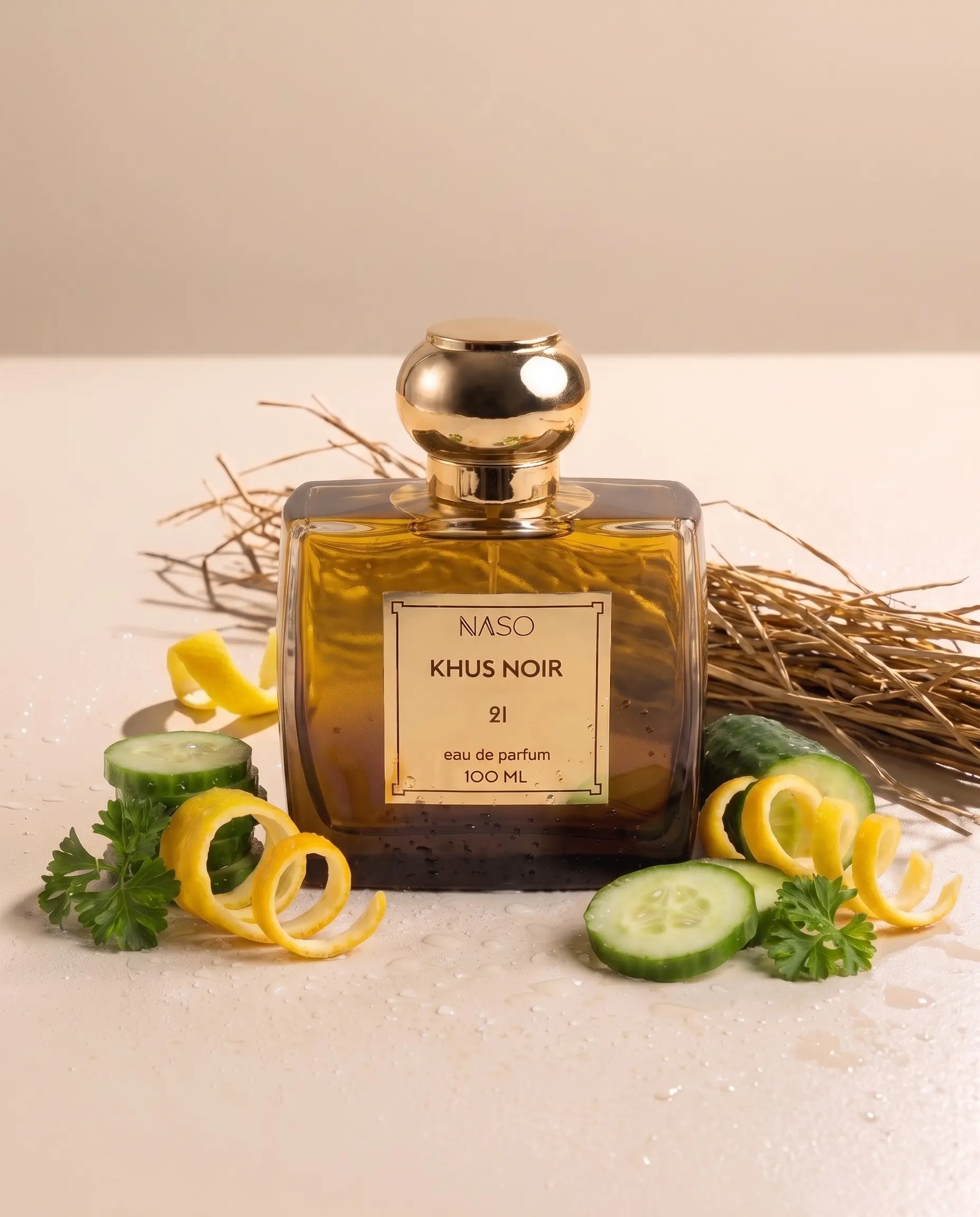
Astha Suri: I think what can sometimes be overlooked is how deeply personal and culturally embedded fragrance already is in India. We have a long-standing relationship with scent through attars, flowers, incense, essential oils, and the ingredients that surround us in everyday life. Fragrance is not necessarily something we have discovered through modern perfumery; it has been part of our lives for generations. Gifting, too, carries a significance that extends beyond the object itself. It is about hospitality, relationships, blessings, and the act of making someone feel welcome. During Diwali, a gift often becomes part of a much larger gesture of connection.
There is an opportunity to understand these traditions on their own terms rather than simply translating global fragrance trends for the Indian market. India’s relationship with scent has its own vocabulary, history, and emotional depth, and I think that is one of its greatest strengths.
Astha Suri: If I could bottle the feeling of coming home for Diwali, it would begin with the scent of a flame being lit – that beautiful, almost nostalgic warmth of diyas and candles illuminating a home. There would be roses and tuberoses intertwined, creating a rich, festive floral glimmer, softened by a whisper of oud and the earthy scent of mitti, bringing in the warmth of the changing season. A delicate trace of smoke would linger in the background, reminiscent of glowing wicks, festive rituals, and the unmistakable shift in the air as winter begins to approach. For me, Diwali has a scent long before the celebrations begin. It’s that familiar moment when the air starts to feel different, and we all find ourselves saying, “Diwali is in the air.” That’s exactly what I would bottle – not just the fragrance of a festival, but the nostalgia, warmth, and anticipation of coming home to it.
Read our Travel Issue here.