Sabyasachi’s 26,000-sq-ft New Delhi flagship is a love letter to India
- Featured Retail
 Anushka Manik
- 7 minutes read

There are fashion stores, and then there are Sabyasachi stores. You don’t really walk into the latter, but enter a whole universe.
It’s easy to forget just how far the Sabyasachi empire has come. In 1999, Sabyasachi Mukherjee started his eponymous label with ₹20,000 borrowed from his family and a team of three. What began in the bylanes of Calcutta, rooted in a deep obsession with Indian textiles, craft and history, slowly grew into one of the country’s most recognisable luxury houses. After years of selling through multi-designer boutiques and international department stores, Sabyasachi opened his first dedicated store in Calcutta, turning retail into an extension of the brand’s world.
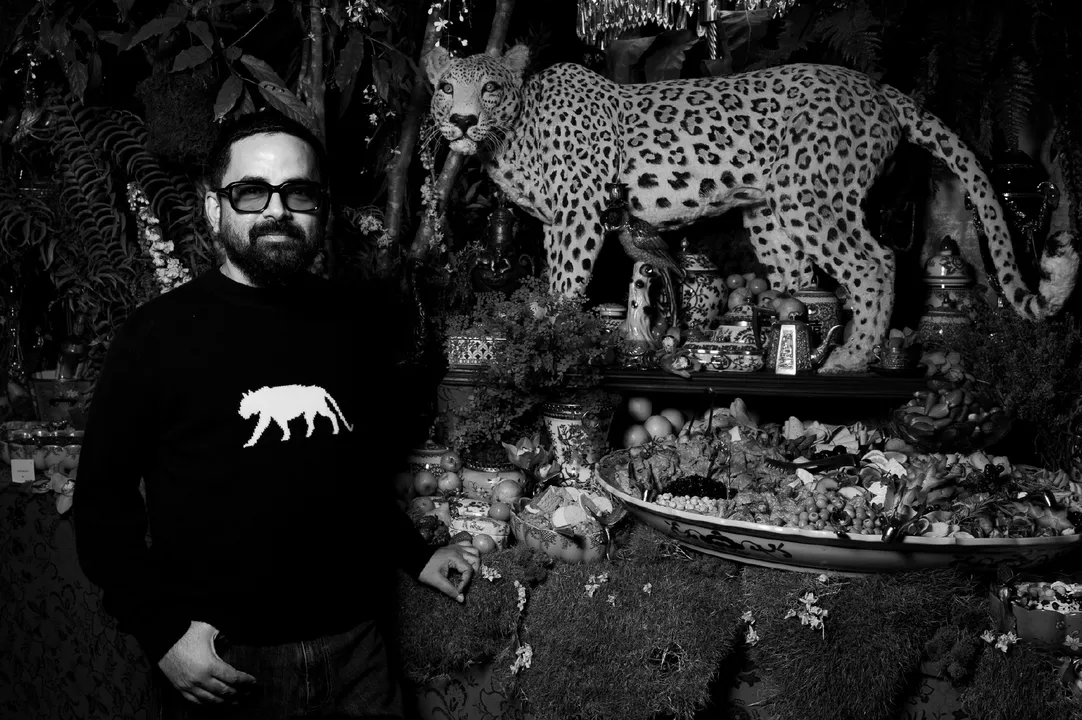
And then came Delhi. Mehrauli has been part of the Sabyasachi story for years. The designer’s earlier Delhi store helped put the neighbourhood firmly on the map for independent Indian luxury, before the 13,500-square-foot flagship opened there in 2016. That space was a masterclass in doing experiential retail right, before it became a buzzword. Antique carpets, chandeliers, art, ittar bottles and curios all sharing space with couture.
Now, nearly a decade later, he has gone bigger. Much bigger.
Sabyasachi’s 26,000-sq-ft flagship store
Opening on 25 August at The Citadel, One Style Mile, Mehrauli, the new 26,000-square-foot flagship is more than twice the size of its previous Delhi home. And while, yes, you’ll find fashion, High Jewellery and accessories here, calling it a retail space feels like missing the point entirely. The first thing that struck me is how much there is to look at. And then how much there is to look at again.

The store has been conceived as a journey, with rooms and corridors that unfold into one another rather than giving you everything at once. There are nods to the romance of old-world travel – railway carriages, steamships, Kashmir houseboats and private cabins, alongside the visual language of Calcutta. You’ll find the labyrinthine corridors of old North Calcutta homes, the chaotic abundance of Hogg Market and the cosmopolitan history of Chowringhee. Basically, every corner screams Sabyasachi, as it should.
The space has around 120 chandeliers, nearly 200 antique carpets, more than 100 antique textiles, mirrors and historic decorative objects, and approximately 300 original artworks from the Sabyasachi Art Foundation.
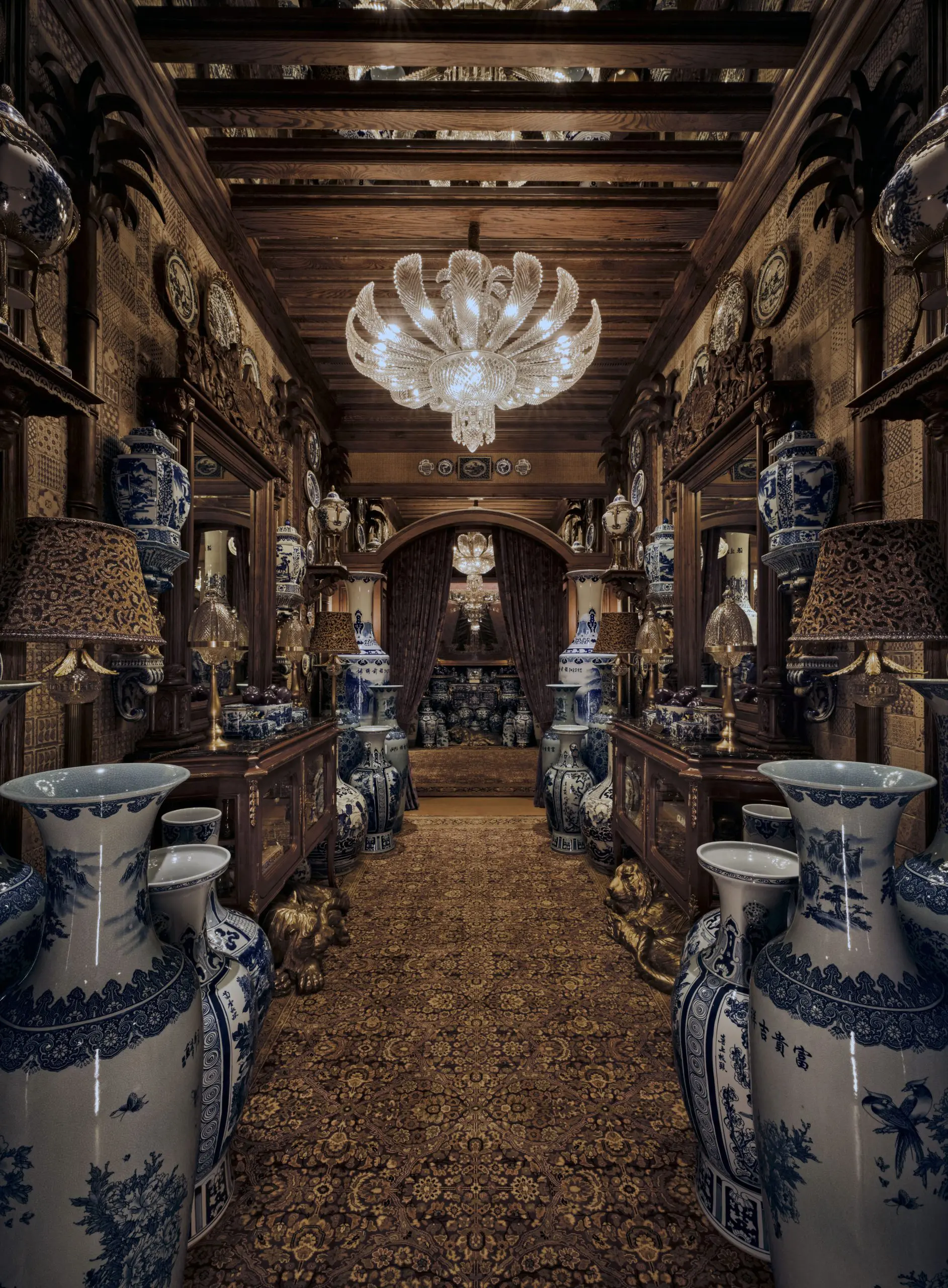
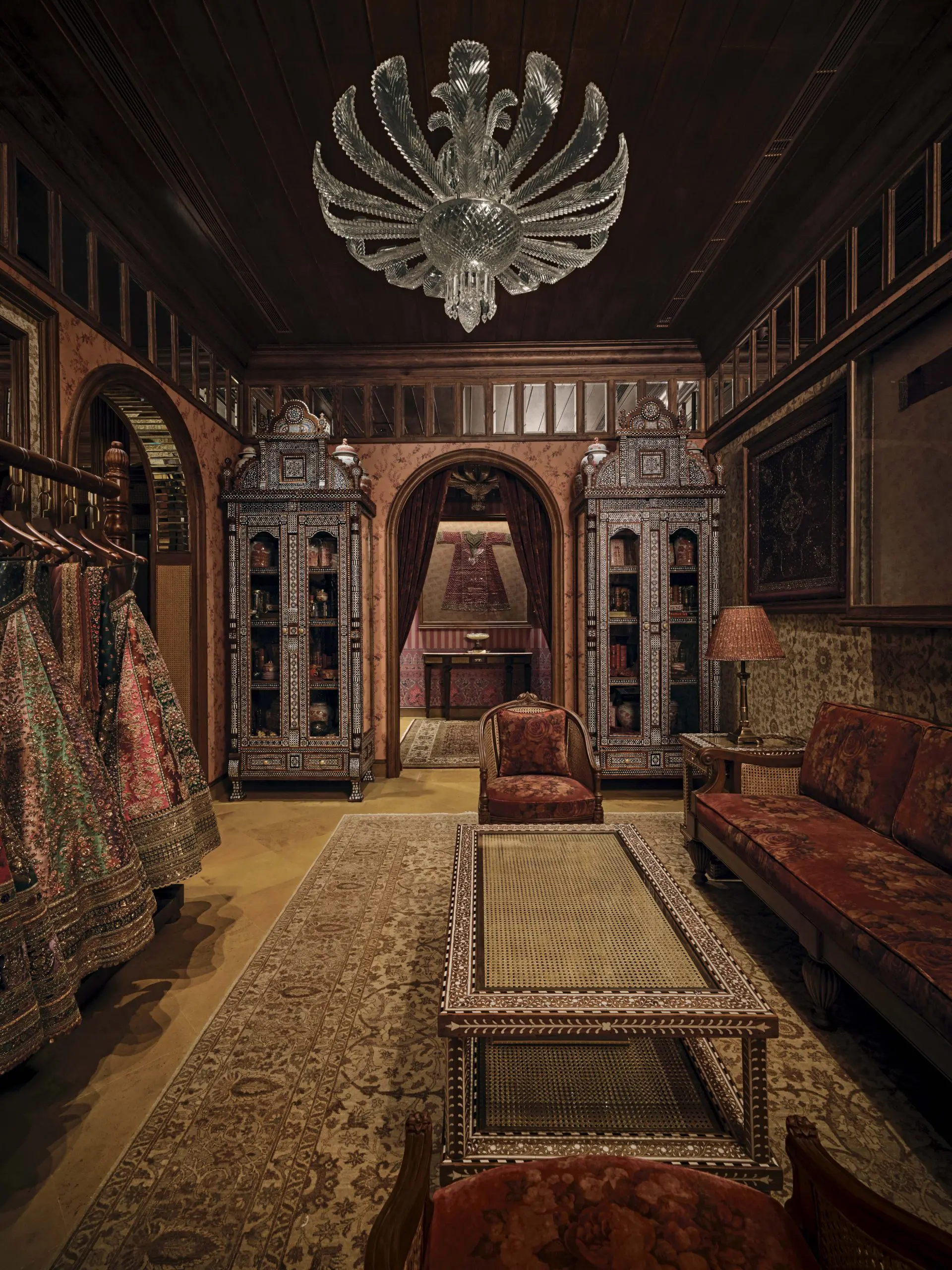
Embroidery creeps across walls, panels, cupboards and ceilings, while stone, wood, metal, glass and textiles turn the architecture itself into a canvas for Indian craftsmanship. One of the most unexpected installations is a room inspired by Calcutta’s old tramcars, built in wood and etched star-cut glass, with a life-size Bengal Tiger sitting inside and handmade rose-coloured ceramic fruits made by artisans in Calcutta.
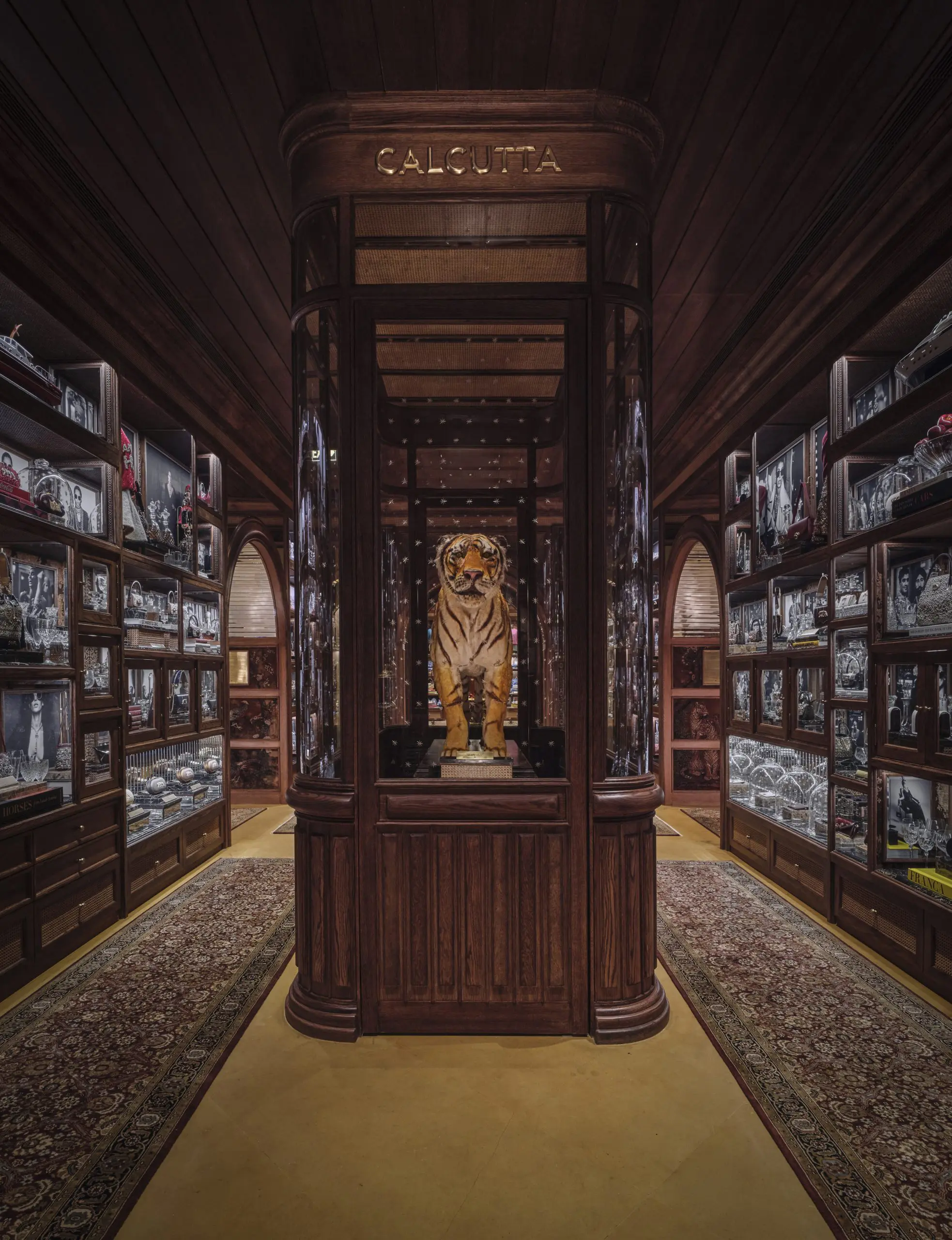
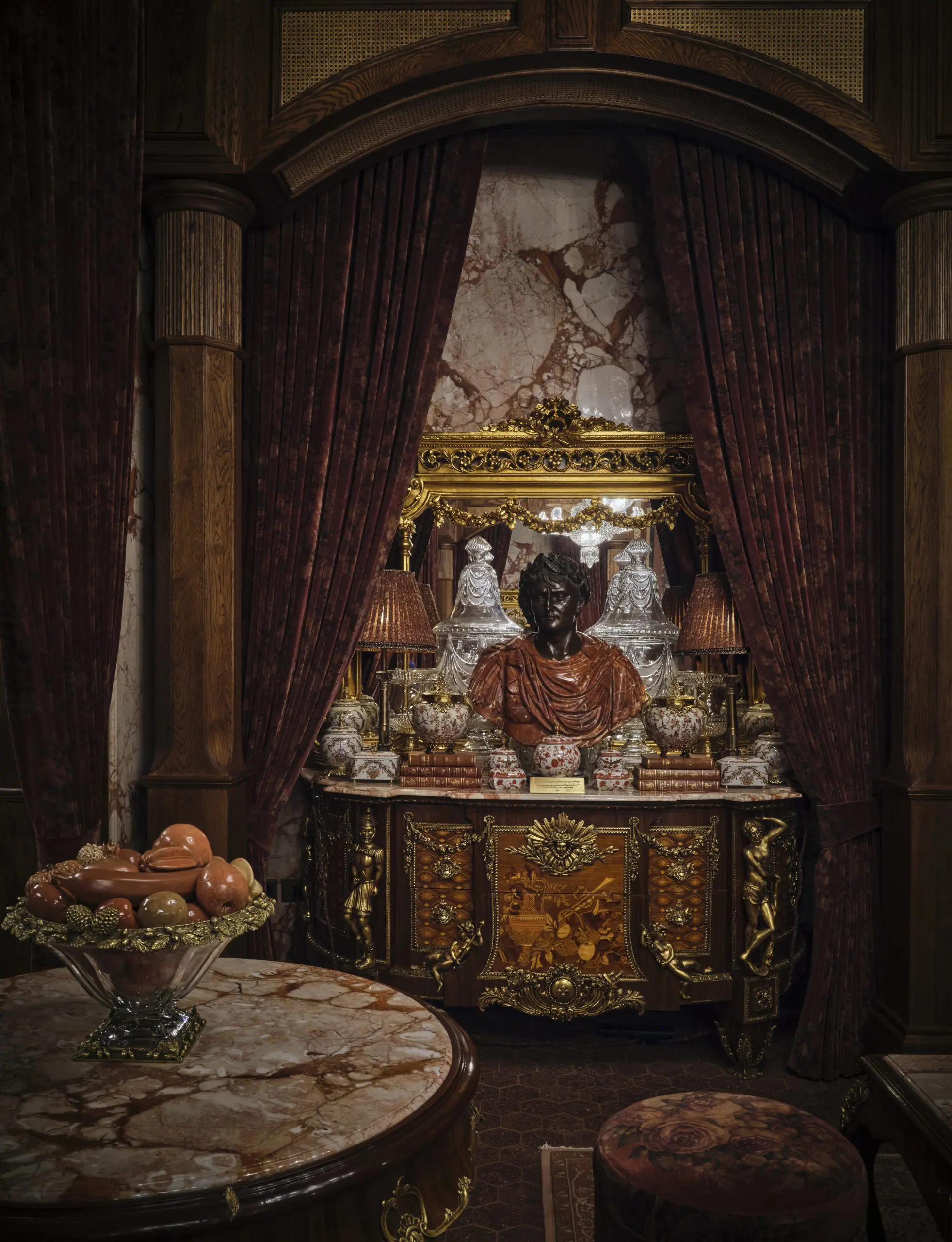
It’s the kind of place where you could spend hours looking at the clothes and another two simply looking at everything around them.
There’s also a customer lounge inspired by the Bengali nachghar, traditionally a space for music, conversation, performance and patronage. It comprises pink marble, laterite stone, embroidery, sculpture and layered textiles, with Darjeeling tea served as an ode to Bengali hospitality.
This is, perhaps, what Sabyasachi has understood about luxury retail long before it became fashionable to talk about “experiential” stores: the space is part of the product.
The clothes may bring you in, but the world keeps you there.
“I have never believed that a luxury store should simply sell products. It should inspire curiosity, preserve culture and create memory. Commerce may bring people through the door, but culture is what makes them return. As the world becomes increasingly digital, spaces that celebrate craftsmanship, beauty and human connection become more valuable than ever.” – Sabyasachi Mukherjee, Founder and Creative Director
From that tiny Calcutta beginning in 1999 to stores across India, New York and beyond, Sabyasachi has taught the world how to treat retail as an opportunity to tell a larger cultural story. And this new Delhi flagship feels like the grandest version of that idea yet.
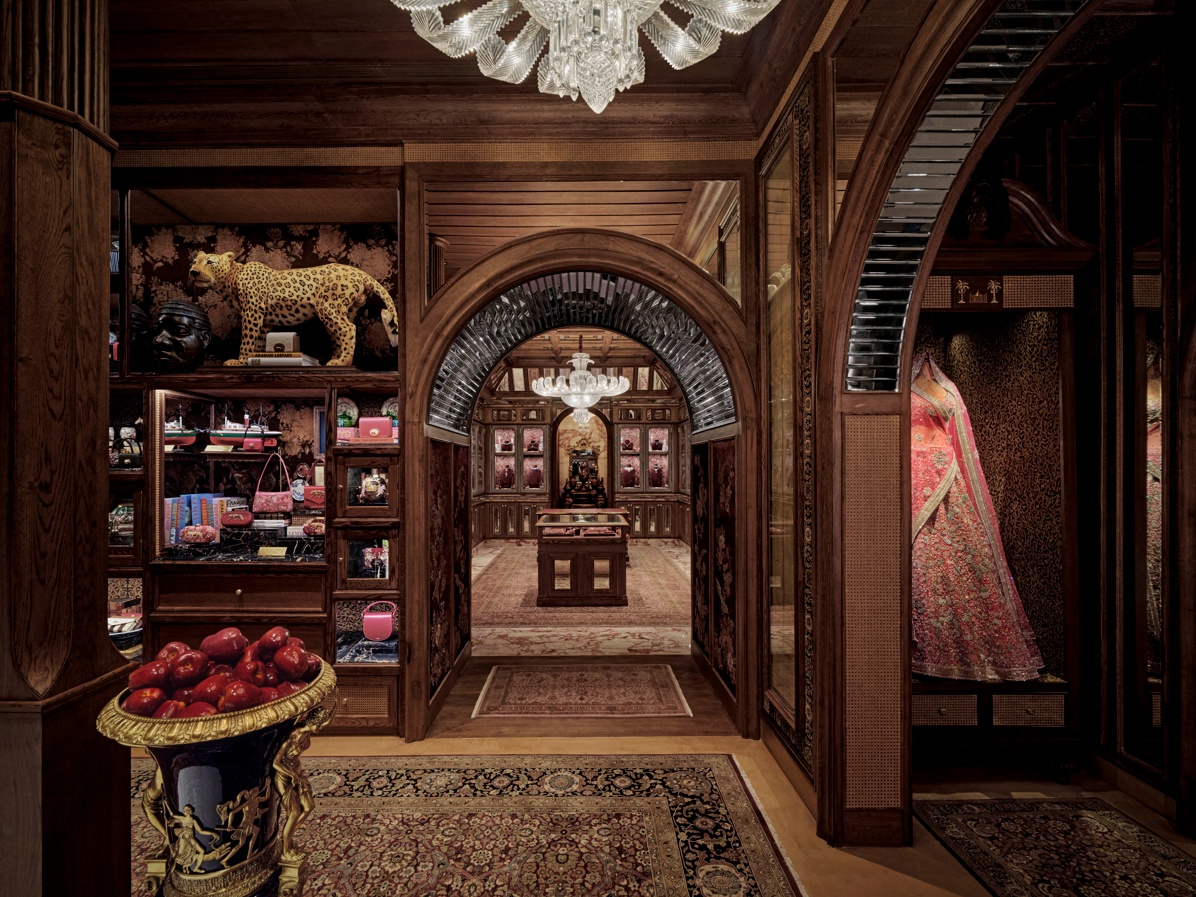
So yes, it’s a store where fashion, art, antiques, architecture and karigari coexist without anyone asking them to tone it down.
But I’d call it a 26,000-square-foot living museum with a very good wardrobe.
You may also read: NARS’ next chapter of luxury retail