The ‘Best-Dressed’ drink: Presentation becomes part of the pour
- Featured Spirits
 Yashita Damani
- 32 minutes read

Cocktail presentation, packaging and botanicals are redefining gin as the most expressive spirit of the moment, where visual storytelling shapes not only perception, but consumption itself.
Today, gin is being styled, photographed, garnished and occasionally overthought into something closer to a celebrity than a spirit; always dressed for the occasion, equipped with a bartender doubling as a personal stylist, perhaps even a makeup team, and permanently aware of the camera. Rarely, if ever, is it allowed an unfiltered moment.
Compared to other liquors, it has personality, from the way it is dressed up with garnishes and glassware to how it is photographed for social media. Gin has traded its wallflower status for a permanent spot under the spotlight; less house guest or the tired host, more the life of the party. Other spirits walk so gin can strut. As bottle designs grow increasingly eye-catching, every serve becomes an opportunity for visual flair. The story now lies not just in how a drink tastes, but in the X factor, how it looks, at the bar and on the paparazzi pages of your feed.
The accessory in your hand
The rise of “Instagrammable” drinks has made gin a part of a wider lifestyle conversation. People want their choices to say something about them, whether it’s wearing a ‘Greater Than’ T-shirt or carrying a gin-branded tote.
As Aparajita Ninan from Nao Spirits & Beverages puts it, it’s not just about drinking gin, it’s about showing you care about craft, quality, and what your drink says about you (i.e. what their choices communicate).
“Gin has always been part of lifestyle and culture, that’s not new. What’s changed is that people are now more intentional about what they choose to associate themselves with, that they care about craft, about quality, about the philosophy behind what they consume. That’s what any good accessory does. It signals a point of view,” said Aparajita Ninan, Co-Founder and Creative Head, Nao Spirits & Beverages.
Her perspective places gin within a wider shift in luxury consumption where products function as identity markers similar to fashion or design objects; pretty similar to how a noble novice would choose a Furla bag over a classic LV tote hung on every tired shoulder. Freshness is anew and the clarity in your choices (and your drink) lead you to where you are going!
“The bottle is your first handshake”

First impressions are forever known to be the last, the cover on any book has approximately 2-3 seconds to intrigue, excite or bore you. Packaging has become the first point of connection. Ankur Chawla of Soorahi notes that in a crowded market, the bottle is your first handshake. Brands like Mohulo Gin use design rooted in heritage, such as Baiga tattoo art (locally known as Godna predominantly in Madhya Pradesh and Chhattisgarh), turning a bottle into a piece of cultural storytelling.
“Packaging plays a key role in premium spirits branding, acting as the first point of visual engagement.”
Today bottles are no longer passive containers; they are narrative devices. Keepin in mind the intent and positioning, the team behind Mohulo Gin approaches design as storytelling rooted in heritage. Inspired by the women of the Baiga tribe in Central India, the bottle indirectly becomes a visual extension of indigenous culture while blending traditional symbolism with modern distillation craft. Fashioned, then finished
Packaging here functions much like fashion branding; visual identity becomes a signal of taste, worldview and cultural alignment just how a designer pays homage to their artisans.
What’s to deny a motif that believes in nature-inspired motifs as the only wealth that stays with a woman into the afterlife? This visual layer is often what determines first engagement in a saturated market.
Designed for the digital gaze
Social media has reshaped both our discovery and desirability parameters. Colour composition, glass silhouette, garnish placement and lighting are now considered as carefully as once choosing flavour balance. A visually compelling drink is more likely to be ordered, sharedand remembered rather than deciphered.
From the perspective of Mohulo Gin, this shift has created a new consumer behaviour; people increasingly drink with their eyes first especially in social environments where perception is instantaneous. However, while visual appeal drives attention, flavour determines retention. The most successful cocktails are those that balance both; ensuring that what is photographed is also worth finishing.
When perception becomes taste
Oh it so doesn’t stop at the bottle…presentation at the bar is the main act, the process is what most connoisseurs are excited to watch. It’s almost like a recipe book as the script of a movie: the right glass cast, the perfect garnish as features, and striking colours all help set the mood and tease the senses before the first sip. Very much like cinema, a trailer before the colour grading always helps!
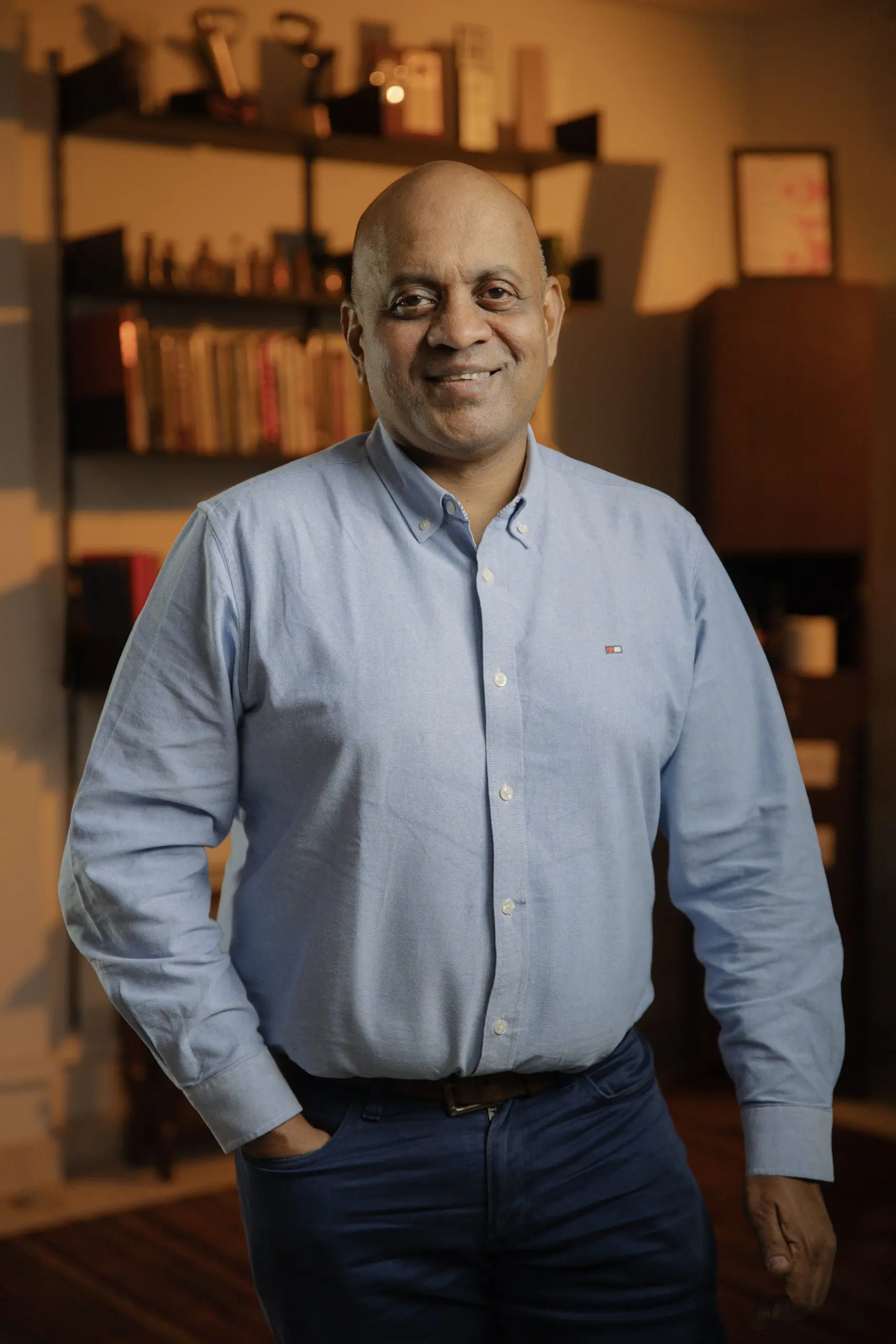
Vikram Achanta, Founder and CEO of Tulleeho and Co Founder of 30BestBarsIndia and India Bartender Show, sees gin’s success as rooted in this expressive flexibility.
“We are also seeing more brands build spirits around Indian ingredients and regional flavour profiles, with gins featuring elements like black pepper, lemongrass, coffee and regional spices. Many of these flavours naturally lend themselves well to gin’s botanical structure, which is why these expressions feel layered and distinctive rather than forced or gimmicky.”
He affirms that Indian botanicals have further expanded gin’s creative vocabulary; and that our regional spices are creating expressions that feel both local and globally relevant. Much like any classical dance form in South India, this adaptability has made gin a preferred canvas for bartenders building experimental and visually driven cocktail programmes.
Achanta from Tulleeho highlights how gin’s versatility, especially with Indian botanicals like lemongrass and black pepper, has made it a playground for bartenders and drinkers alike.
“A few years ago, there was a major resurgence around gin because it felt more expressive than many traditional spirits categories. What has kept that momentum going is that gin naturally lends itself to experimentation, whether through botanicals, presentation or the overall drinking experience.”
Did you know the choice of glass influences aroma, temperature of your drink and texture while garnish functions as a visual cue for flavour and mood?
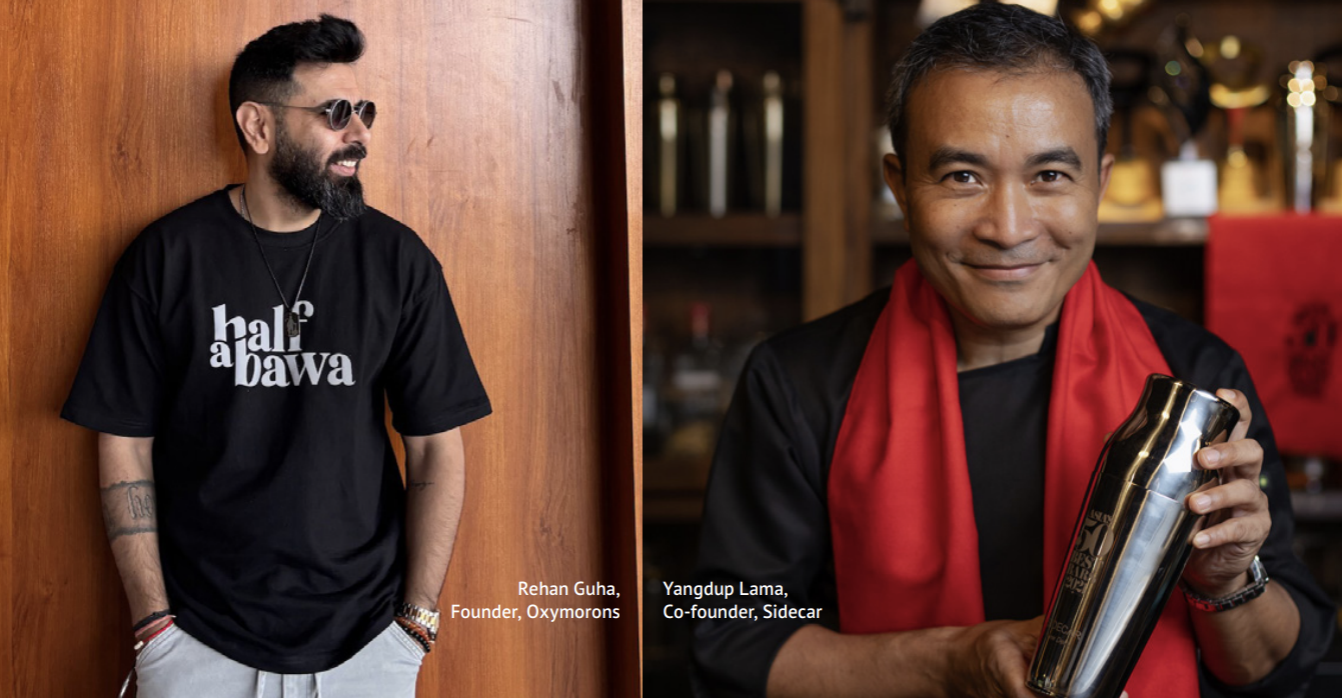
Rehan Guha, Founder of Oxymorons, believes gin’s evolution into a cultural object was almost inevitable.
“Gin becoming a lifestyle and cultural statement feels like a very natural evolution for the category. Unlike many other spirits, gin has always had an incredibly versatile botanical canvas, giving distillers and bartenders far more room for creativity, storytelling, and visual expression.”
“The rise of unusual ingredients also reflects how closely the bar world and culinary world are beginning to overlap. Ingredients like truffle, olive oil, seaweed, curry leaves, cacao or galangal add not just flavour, but also texture and aroma. Consumers today are far more adventurous and actively seek drinks that are layered and slightly unexpected,” said Guha.
At Oxymorons this thinking is reflected in drinks like Known Mystery where gin is combined with cucumber, celery and galangal cordial before being carbonated into a bright structured serve that feels both experimental and balanced.
Balance over novelty
 Beyond aesthetics and botanical exploration; distillers are increasingly using regional ingredients and layered profiles to create spirits that reflect both geography and identity.
Mohulo Gin positions itself as a ‘sipping gin’ designed to highlight botanicals in their purest form allowing flavour to remain expressive even without mixers.
Yangdup Lama, Co-Founder of Cocktails and Dreams Speakeasy and India Bartender Show, believes modern consumers connect more with narrative than technical production.
“I completely agree that gin has become more than just a spirit today. It has turned into a lifestyle and cultural statement because people are now interested not only in the taste, but also in the story, design, and overall experience behind the drink.” Yangdup Lama, Co founder, Sidecar
“I also think the use of unusual ingredients adds curiosity and excitement for consumers. These ingredients help make each gin feel unique and memorable. They are not only used for flavour, but also for storytelling and creating a different experience. However, not every unusual ingredient works well, and sometimes it can feel more like a gimmick than something that improves the drink. The best examples are when these ingredients add balance, depth, or a special character to the gin.”
He also notes that experimentation is most successful when it enhances balance rather than existing as novelty; the strongest expressions are those where creativity and drinkability coexist.
Your drink called, it knows you are performing
From bottle design to garnish construction every detail contributes to a broader narrative of identity aspiration and experience.
Gin’s rise reflects a wider transformation in luxury consumption where aesthetics storytelling and experience are as valuable as the product itself. Bars have become stages cocktails have become performances and spirits have become cultural signals.
“From artistic bottles and elegant labels to creative garnishes and fancy signature serves, gin appeals to almost every sense: sight, smell, taste, and even emotion. A beautifully designed bottle displayed in a home bar or trendy restaurant becomes a statement piece. This combination of aesthetics, aroma, flavour, and storytelling is what has truly elevated gin from being just another spirit to becoming a lifestyle and cultural symbol.” Yangdup Lama, Co founder, Sidecar
Thus, in today’s cocktail culture, the drinks that linger in memory are no longer defined by taste alone. They arrive garnished with optics. A cocktail now comes with a side of symbolism: how it looks, how it lands on the grid, and what it quietly announces about the hand holding the glass. Much like every local celebrity nursing their fleeting five minutes of fame, the real intrigue lies not in the obvious spectacle but in decoding who the Bachchans, Bhatts, and Mukherjees of the room are. Because beyond endless outfit roundups, the chikankarikurta solemnly chosen for a funeral or the mirrorwork ensemble sparkling louder than the diyas at a Diwali party, style is rarely just fabric. It is a social ritual, an identity garnish, and perhaps the strongest proof that life, much like your drink, is never just about what is in the glass.
You may also read: Luxury dispatch: The Macallan, Oakley, Givenchy and Tod’s lead