The Microplastic Crisis in Skincare: Nitin Jain
- Beauty Featured
 Staff Writer
- 3 minutes read

By Nitin Jain, Founder of La Pink
In the realm of skincare and beauty, innovation has been the driving force behind transforming how we care for ourselves. Yet, as we indulge in the promises of radiant skin and youthful beauty, an insidious threat has been quietly accumulating in our environment — microplastics.
Microplastics are not just found in packaging but are also infused directly into skincare formulations, often in the form of polyethylene, polypropylene, and nylon. These ingredients may enhance texture or performance but come at a heavy cost to the planet. Once washed off, they enter water bodies, polluting ecosystems and making their way into the food chain.
Today’s consumers are more informed and environmentally conscious, actively researching ingredients and scrutinising labels before making purchasing decisions. They are no longer just buying products—they are investing in brands that align with their values of sustainability and ethical responsibility. This growing demand for clean and sustainable beauty is driving the industry toward innovation, pushing companies to eliminate harmful components like microplastics and embrace transparency.
Health Implications
Microplastics can enter the human body through the air, water, and food, accumulating over time with potential long-term effects. Preliminary studies suggest links to inflammation, endocrine disruption, and other health concerns, raising alarms about their impact on overall well-being. By eliminating microplastics from beauty products, we not only reduce environmental harm but also take a crucial step toward protecting human health, ensuring safer skincare and cosmetic choices for future generations.
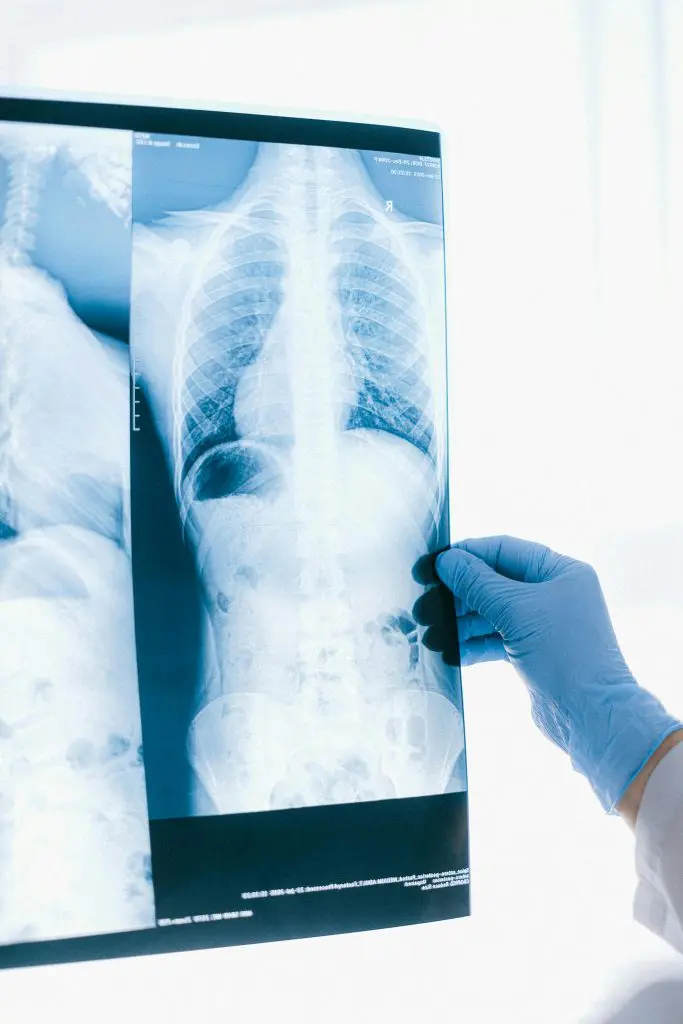
Recent studies suggest that microplastics can penetrate human skin and even enter the bloodstream. The long-term consequences of this exposure are still being studied, but potential risks include endocrine disruption, inflammation, and cellular damage. As skincare is meant to nourish and protect, why should we accept hidden toxins in our daily routine?
Lack of Awareness & Greenwashing
Many consumers remain unaware of microplastics in their skincare products. Even brands that claim to be “eco-friendly” often focus on packaging sustainability while ignoring the harmful ingredients inside. It’s time for complete transparency—because sustainability isn’t just about what’s outside, but also what goes into our skin.
The Future of Beauty
While some countries have taken steps to ban micro-beads in exfoliators, many loopholes still exist. Thousands of other microplastic ingredients continue to be legally used in personal care products. The responsibility, therefore, also lies with brands to go beyond regulations and create truly clean, plastic-free formulations.
The skincare industry is at a turning point. With growing consumer demand for natural, toxin-free, and ethical products, brands must step up and innovate. At La Pink, we’ve taken a strong stand as India’s first 100% microplastic-free beauty brand. Our commitment is simple—formulations that are safe for both people and the planet.