A weekend rooted in wellness at The Leela Palace Udaipur
- Featured Lifestyle
 Yashita Damani
- 12 minutes read

For years, wellness has meant importing the same vocabulary of fitness: dumbbells, reformer Pilates, ice baths, protein powders and the promise of longevity packaged in increasingly expensive forms. But what happens when India looks inward instead? At The Leela Palace Udaipur’s Aujasya retreat, I found the answer in some sattu powder and a rather unexpected place: the mudgar. The traditional Indian club, once associated with akharas and indigenous strength training, took the place of the familiar dumbbell.
A prelude to where luxury wellness is heading: not towards fancier things, more treatments or more technology (we have enough screens we deal with already), but towards rediscovering what we already have. That, perhaps, was the most interesting part and the highlight of Aujasya for me . Rather than simply borrowing from the global wellness playbook, the retreat seemed to ask what happens when India’s own traditions become the starting point.
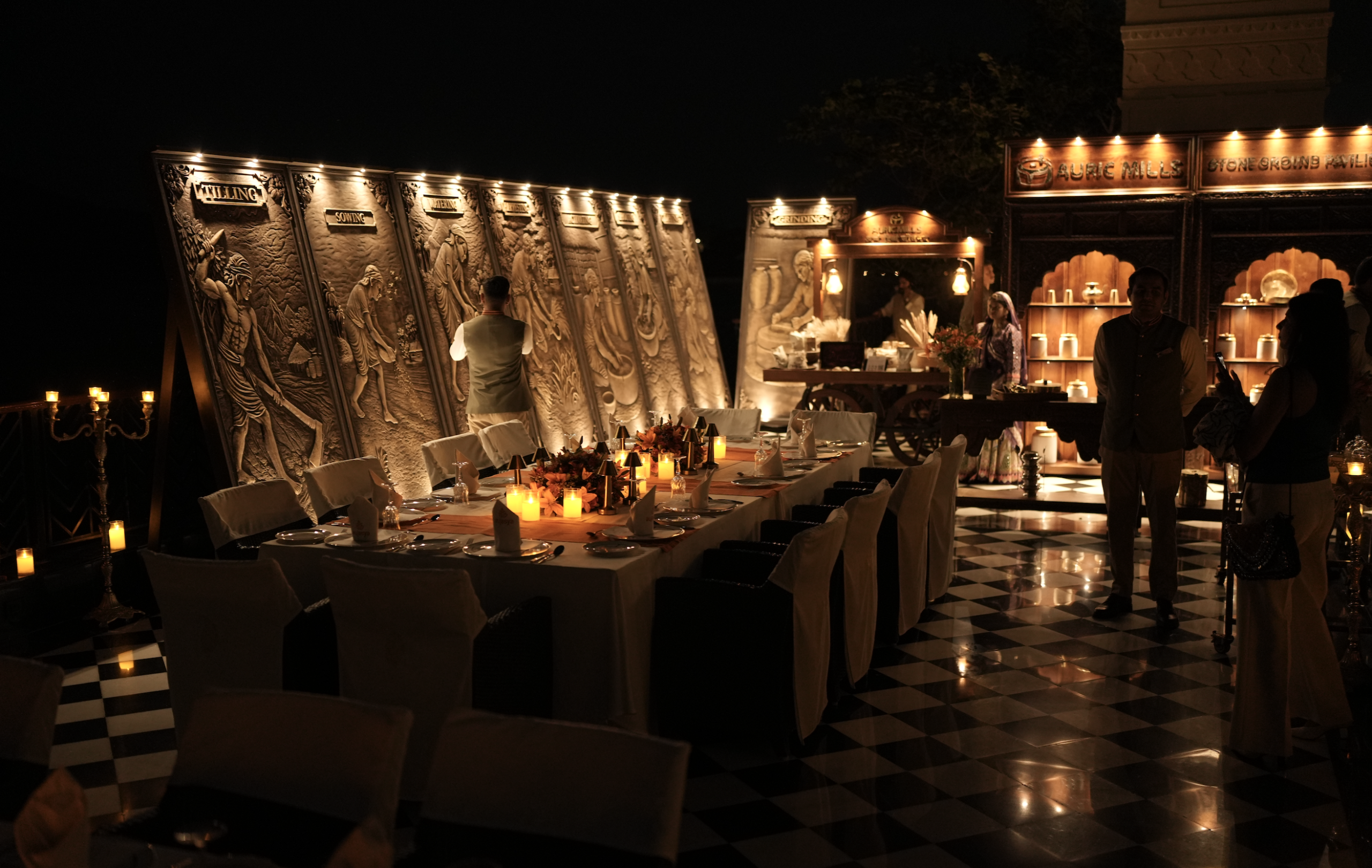
A giant mudgar to pass through security check (because they were actually weapons used by warriors) and a bag of fitness flour, strange souvenirs, perhaps. Yet together they captured the essence of a retreat that explored wellness through movement, nourishment, mindfulness and connection. From ancient strength training practices and discussions on healthy ageing to an Aurik Mills collaboration centred around freshly milled wellness flour infused with saffron, dry fruits and ancient grains, Aujasya repeatedly returned to a simple idea: the future of wellbeing may lie in rediscovering the basics.

Amid conversations (the Longevity panel featured Dr. Ankita Jalori, Dr. Anuradha Mathad and Siddharth Shetty) around preventive healthcare, nutrition and movement, one idea lingered long after the session ended for me: the importance of finding your soulmate.
Not in the romantic, fairytale sense, but in the scientific understanding that meaningful human connection is one of the strongest predictors of fulfilment. Study after study has shown that people with deep, supportive relationships tend to live longer, recover better from illness and experience lower levels of stress. In a world increasingly preoccupied with supplements, diagnostics and biohacking, it was a refreshing reminder that perhaps the most powerful wellness intervention cannot be bought, bottled or prescribed. It is the simple act of feeling seen, supported and deeply connected to another human being.
The check in to checking in with yourself
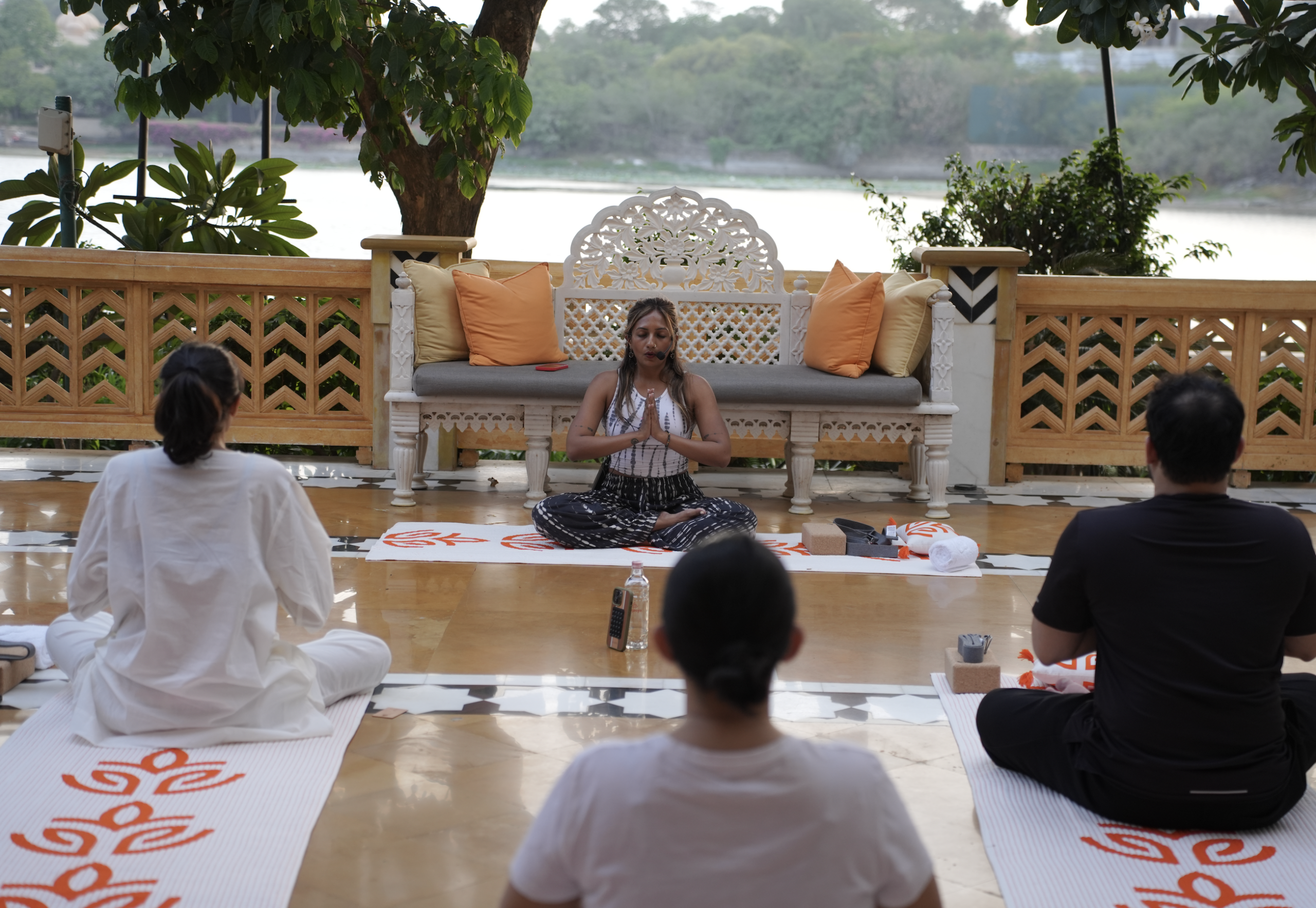
The first thing that strikes you about The Leela Palace Udaipur is, (unsurprisingly), the spectacle. The boat glides across the still tranquil waters of Lake Pichola, the palace rises almost theatrically from the shoreline, and every archway, jharokha and marble corridor feels designed to slow your pace. Yet, despite the grandeur, the retreat isn’t interested in overwhelming you with luxury.
Instead, it quietly asks you to look inward. Before the yoga mats are rolled out or the conversations around longevity begin, there is a subtle invitation to simply pause. In an industry where wellness often comes wrapped in elaborate diagnostics and expensive technology, Aujasya begins with something far simpler: presence. That shift in perspective sets the tone for everything that follows.
A philosophy, not a programme

Most hotel wellness retreats are neatly packaged itineraries of massages, meditation and healthy meals. Aujasya feels different because it isn’t confined to a three day schedule. Inspired by Ojas, the Sanskrit word for vitality, it is designed as a philosophy that extends across the guest experience. Wellness appears not only in the spa but in the way meals are curated, the way sleep is prioritised, the way movement is approached and even in the conversations guests are encouraged to have. Built around the pillars of Shanti, Shakti and Soumya, the programme resists the temptation to promise transformation. Instead, it offers something arguably more realistic: practices that can be folded into everyday life long after the palace fades into memory.
The workout older than the gym
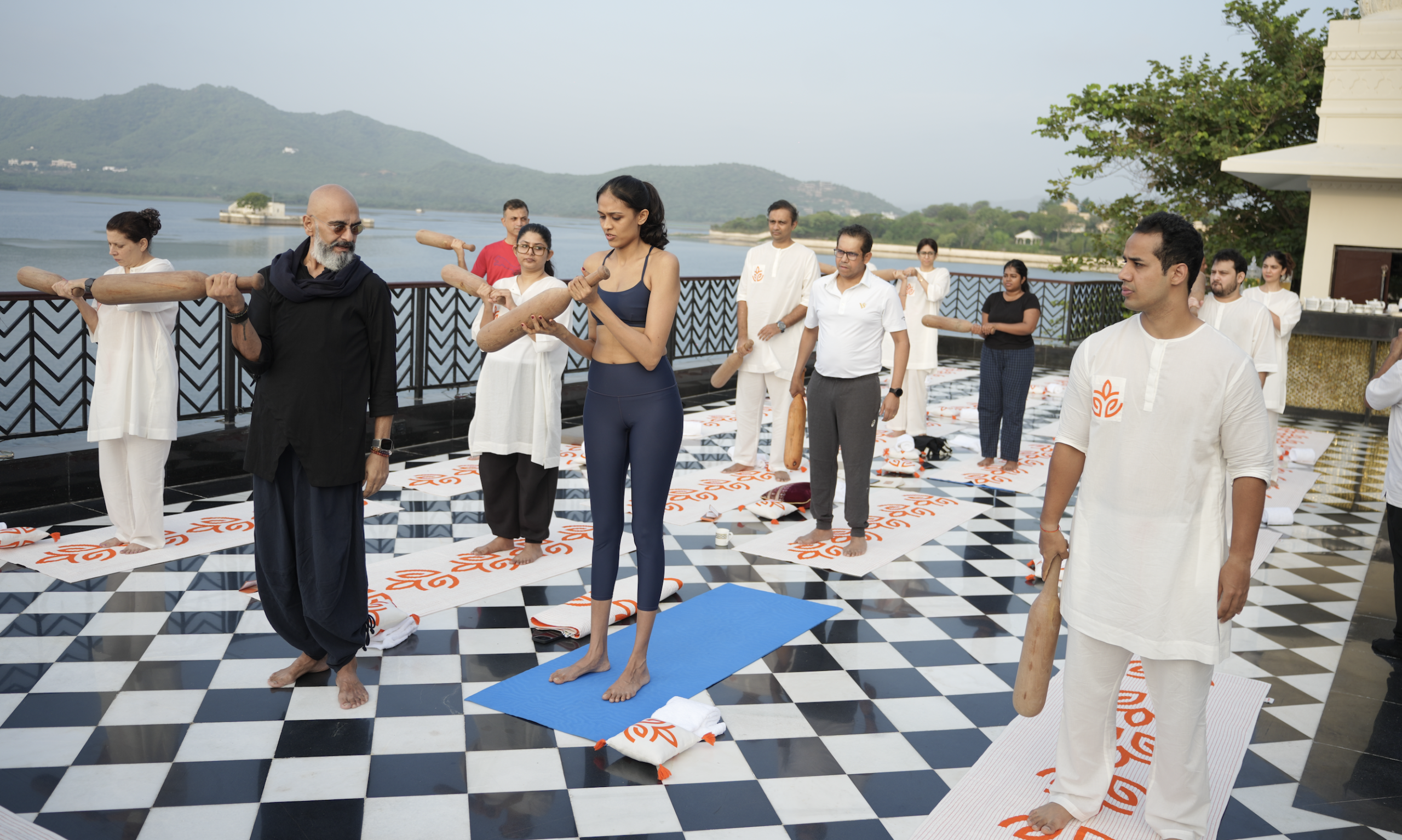
Among the retreat’s many experiences, it was neither yoga nor sound healing that lingered in memory the longest. It was a pair of wooden clubs: often known as ‘mudgar’. Long before kettlebells, resistance bands and boutique fitness studios became markers of modern wellness, Indian wrestlers trained with mudgars to build strength, mobility and endurance. Watching participants swap polished gym equipment for handcrafted wooden clubs was a reminder that functional movement has always been part of India’s wellness heritage.
The session was physically demanding (even for the wrist), but it also carried a quiet cultural confidence (since the weight is not evenly distributed). Rather than borrowing the latest global fitness trend, Aujasya chose to revisit a practice that has existed on the subcontinent for centuries, proving that some of the oldest ideas continue to feel surprisingly contemporary.
Why longevity is replacing luxury
One of the retreat’s most engaging sessions wasn’t held in the spa but around a table of experts discussing longevity. Doctors, wellness practitioners and nutrition specialists explored how travel is beginning to shift from indulgence towards prevention, from treating illness to sustaining health.
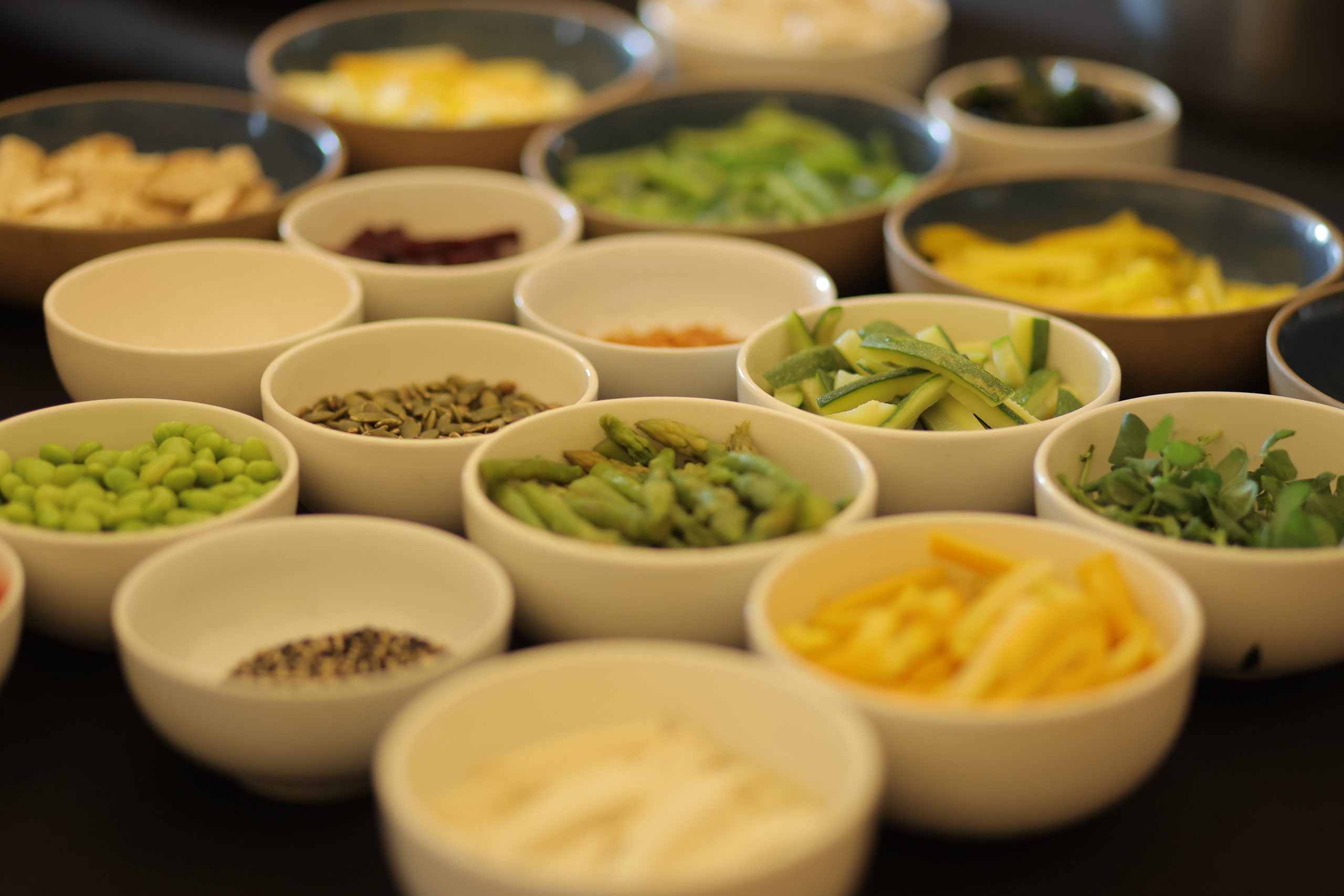
It reflected a broader movement reshaping luxury hospitality. Increasingly, guests are no longer travelling simply to unwind. They are seeking experiences that help them move better, sleep better, eat better and ultimately live better. The conversation moved beyond fleeting wellness trends and instead focused on sustainable habits, reminding everyone in the room that longevity is built through consistency rather than quick fixes. It is a subtle but significant shift, one that luxury hotels are increasingly embracing.
Can your daily bread make you healthier?
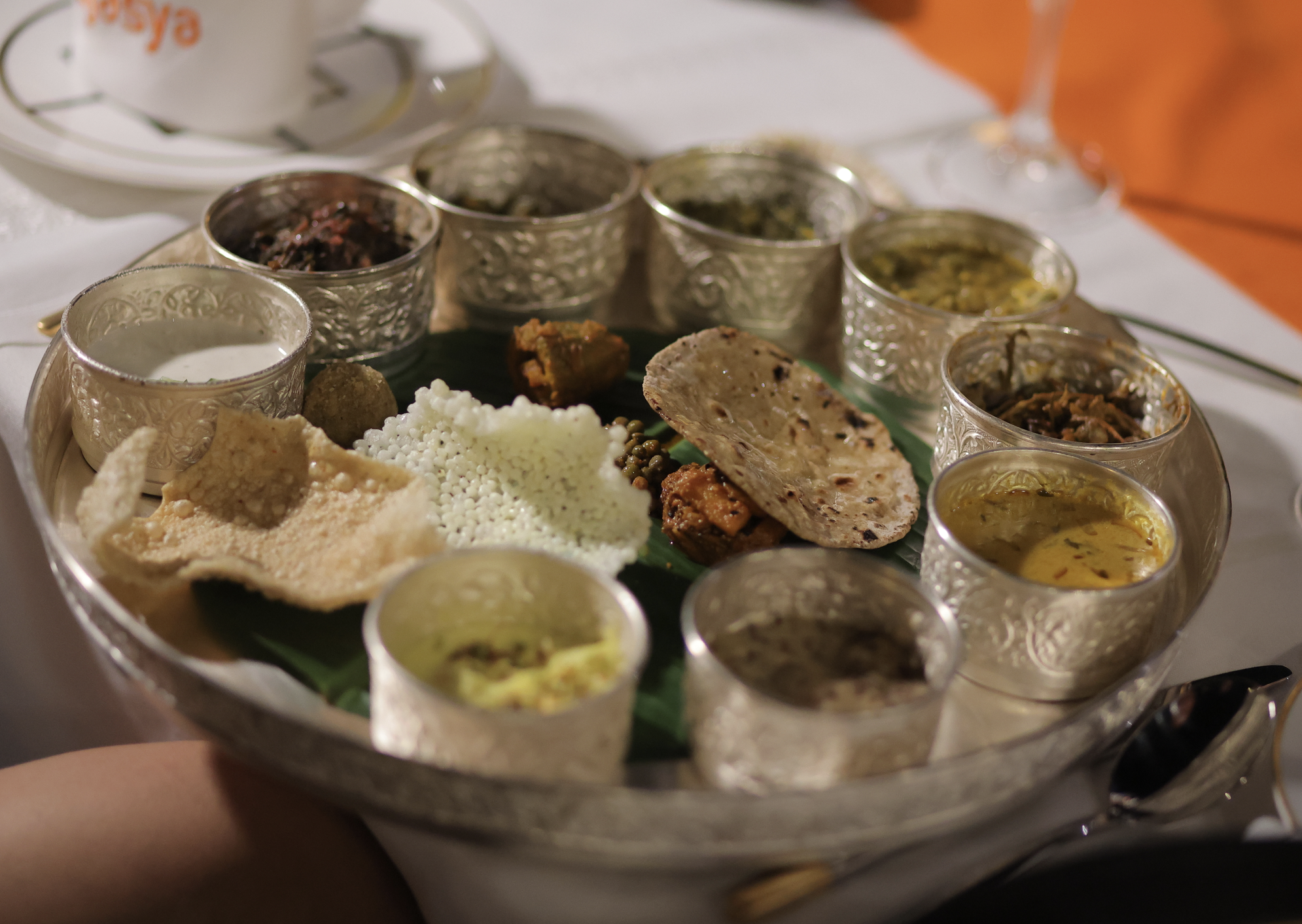
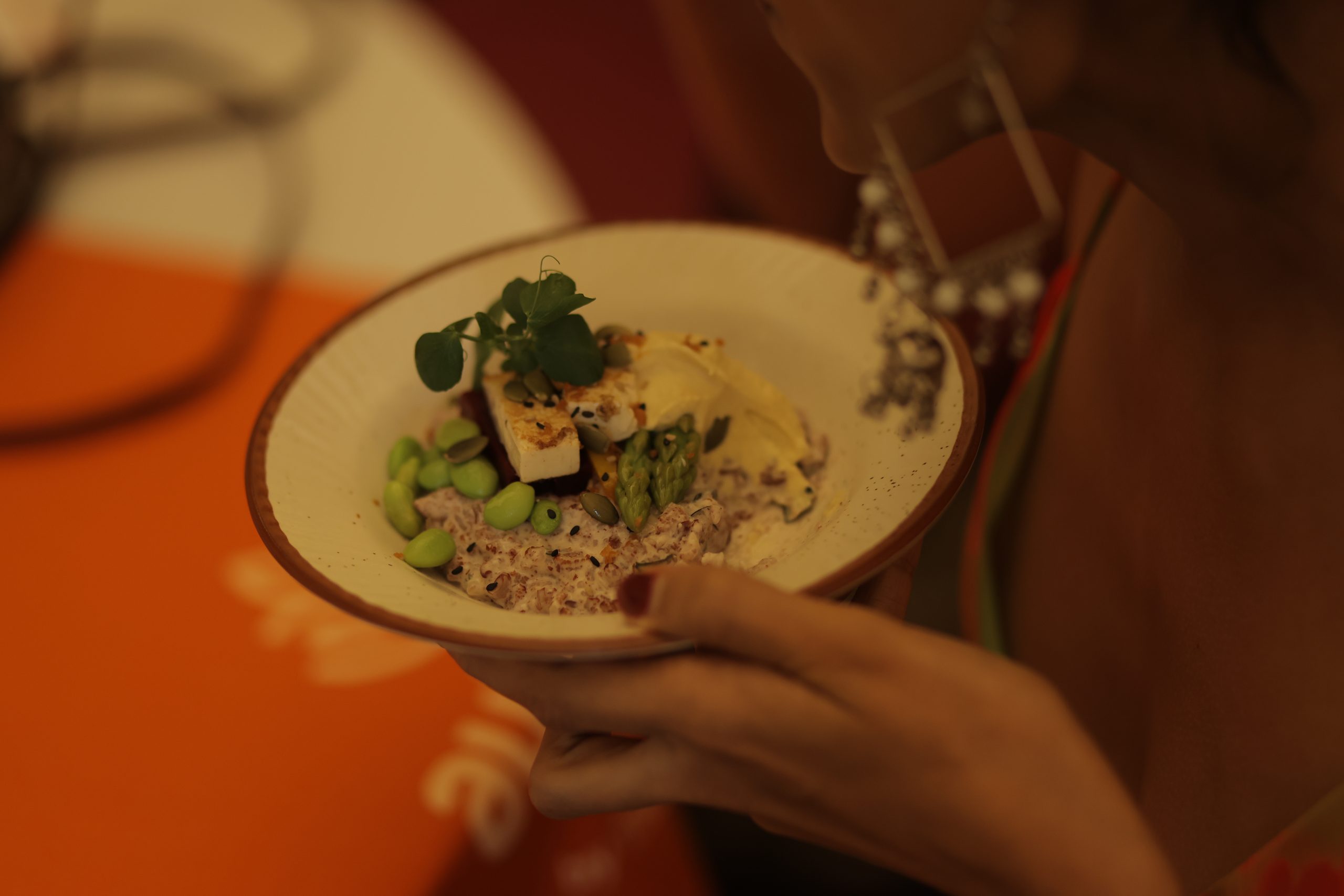
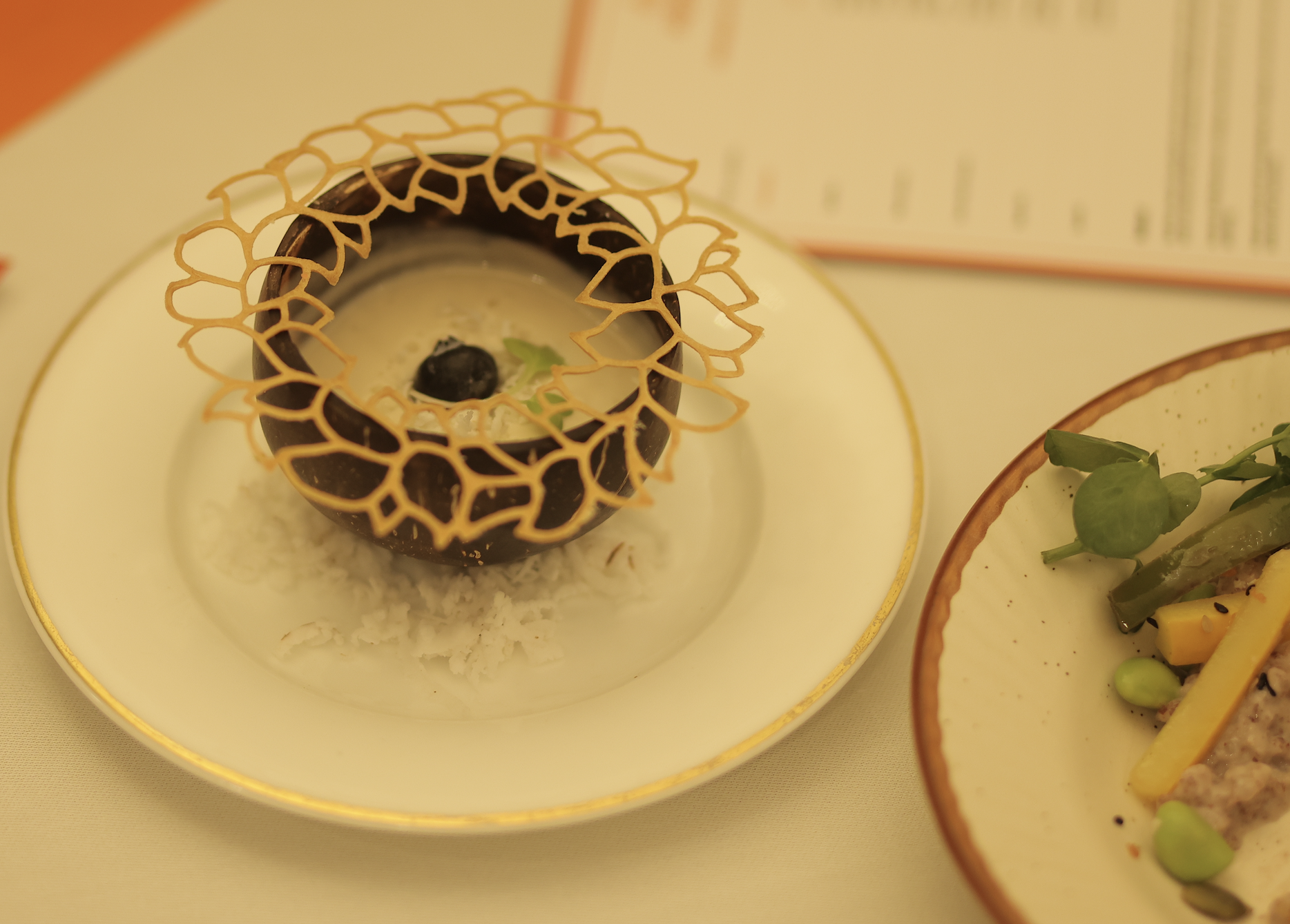
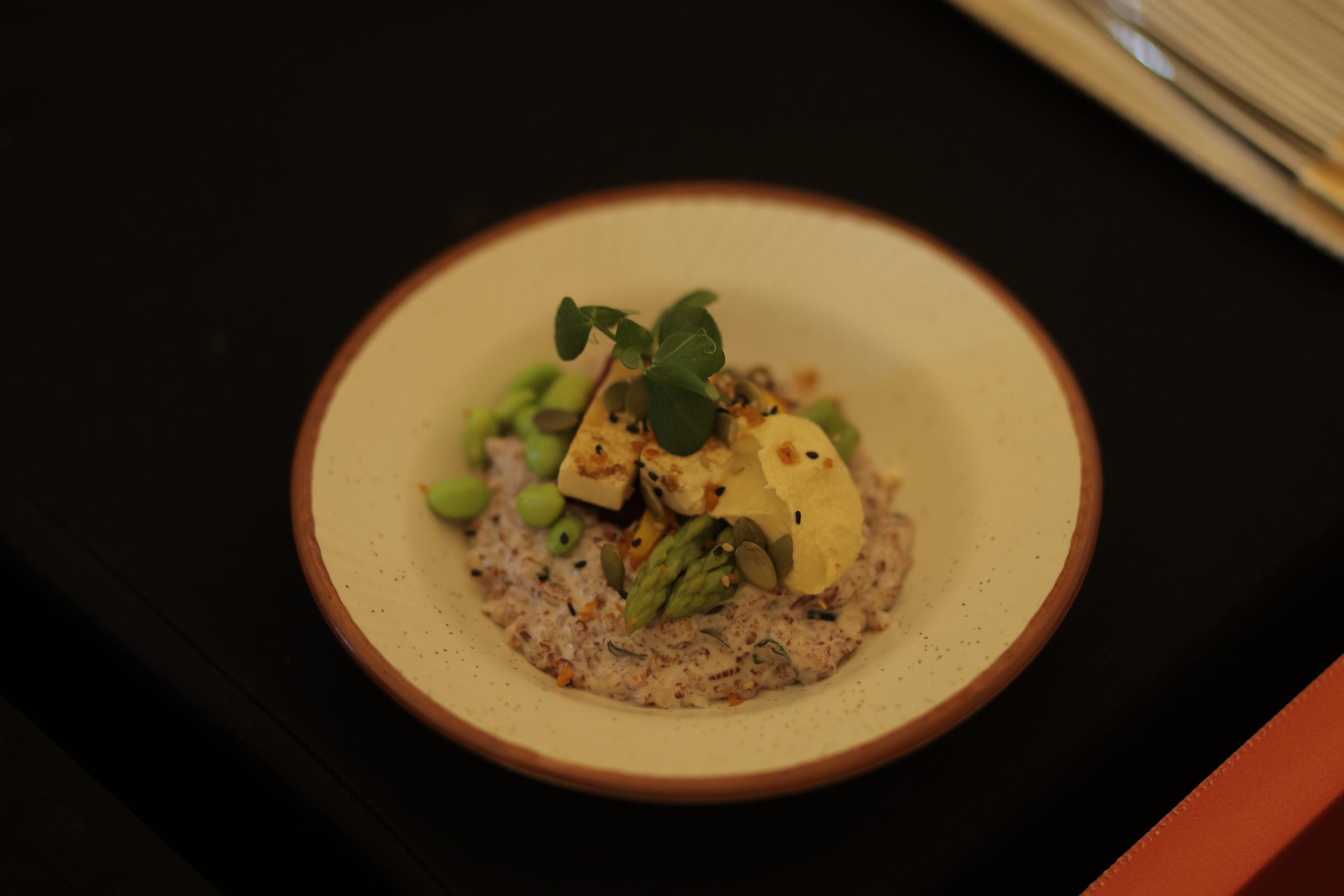
Perhaps the most unexpected conversation centred around flour. Through its collaboration with Aurik Mills, The Leela is rethinking one of the simplest staples of the Indian table. Guests sampled rotis made from thoughtfully developed flour blends enriched with ingredients such as saffron and dry fruits, each designed with functional nutrition in mind. It was an interesting reminder that wellness need not always arrive in the form of exotic superfoods or restrictive diets. Sometimes, it begins with reimagining what is already on our plates. Throughout the retreat, the Aujasya menus reflected the same philosophy, favouring seasonal ingredients and balanced nourishment over performative health food. Luxury here was measured less by abundance and more by intention.
Checking out, carrying it with you
The true measure of a wellness retreat is not how you feel while you’re there but what follows after you return home.
It is easy to feel calm within palace walls overlooking Lake Pichola. The greater challenge lies in carrying those rituals into the noise of everyday life. Aujasya doesn’t claim to offer a dramatic reinvention, nor does it prescribe impossible routines.

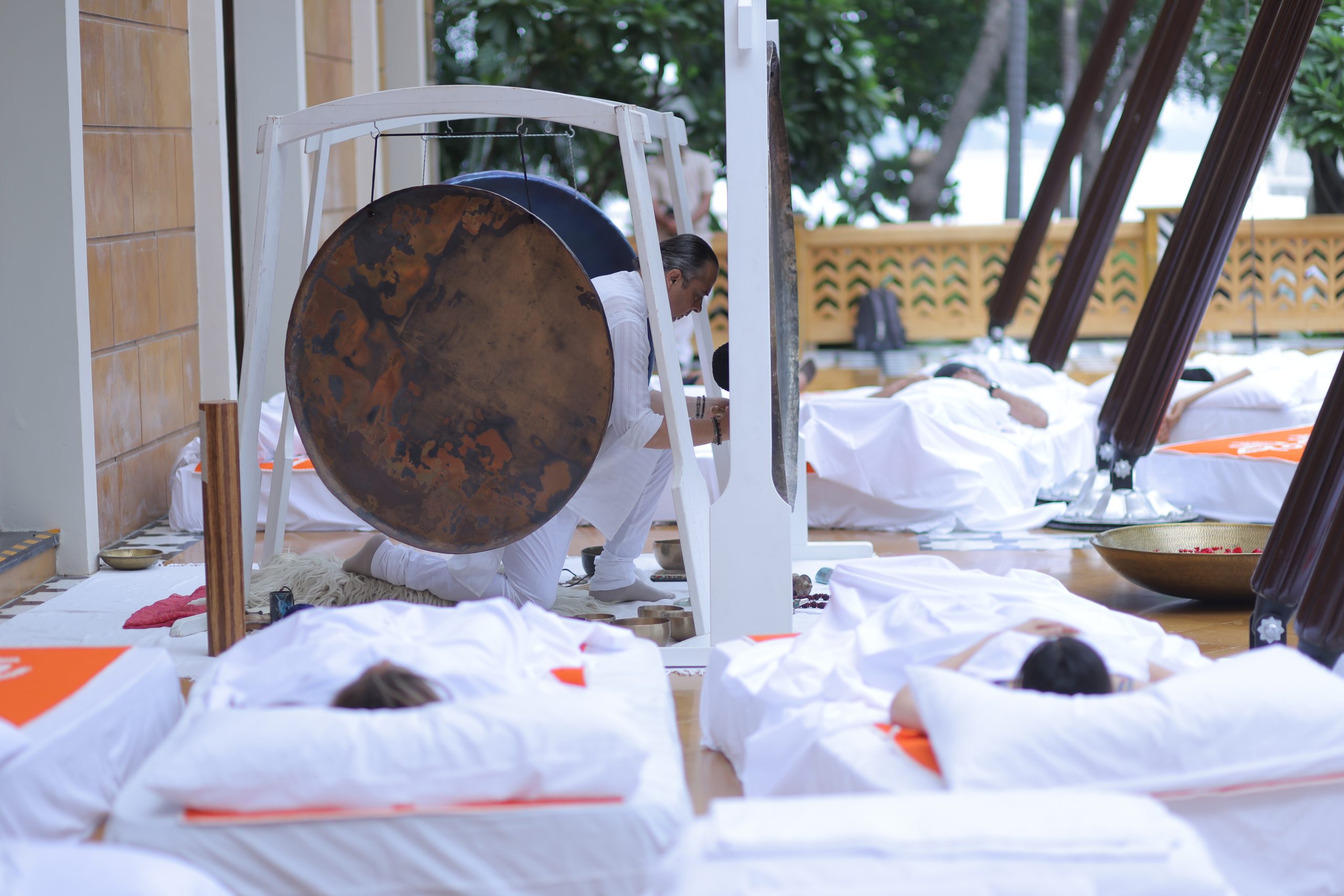
Instead, it leaves guests with quieter takeaways: picking up a mudgar instead of another machine at the gym, paying closer attention to the quality of sleep, thinking more consciously about what goes onto the plate and recognising that wellness is built through small, consistent choices. In an era when luxury often celebrates excess, perhaps The Leela’s greatest achievement is making restraint, balance and vitality feel just as aspirational.
What stayed with me most was not a prescription for longevity, but a surprisingly human one: connection. The discussion touched on how meaningful relationships, community and feeling seen can influence the quality of our lives. In a world increasingly obsessed with supplements, diagnostics and biohacking, the idea felt almost radical in its simplicity.
Perhaps that was the quiet genius of Aujasya. It didn’t leave me with another supplement to buy or another complicated wellness ritual to schedule. It left me thinking about a wooden club, the food on my plate, the people around my table i.e. the small choices that quietly shape a life.
You may also read: The rise of the skinny cocktail