At FITOUR, Mumbai’s new 14 seater restaurant, you get the menu after dinner
- Featured Food & Beverage
 Yashita Damani
- 11 minutes read

What if dinner came with no menu, the courses were called verses and the food had as much history and stories as it did art ? At FITOUR in Bandra, a 14 seater culinary experience turns Indian flavours, personal memories and artistic expression into a performance that unfolds beautifully and keeps you guessing.
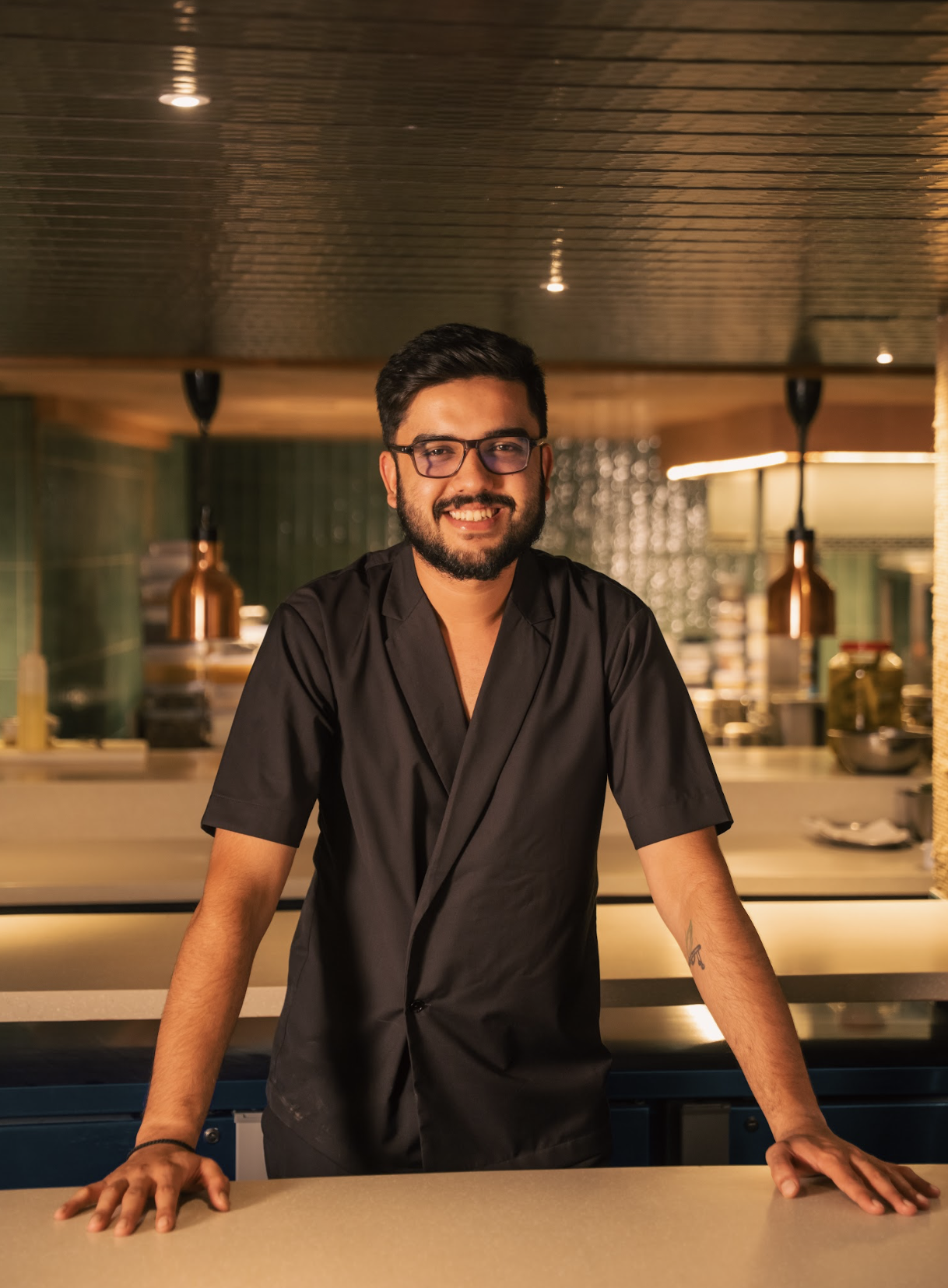
“FITOUR is a reflection of my journey with Indian cuisine and the experiences that have shaped my approach to food. The menu draws from memories, places, ingredients and techniques that have stayed with me over the years, while presenting them through a contemporary lens. I wanted to create an experience that extends beyond the food itself, with every element—from the flavours and pairings to the sound, lighting and design—contributing to the overall narrative”– Chef Ashwin Singh, Chef at FITOUR
The menu IS the spoiler: (you won’t know what you ate until dinner ends)
Imagine spending an entire evening eating dishes you cannot quite identify, only to receive the menu after dinner. It sounds like a trust-fall exercise, and at FITOUR, it rather is. Aspect Hospitality’s latest dining concept in Bandra West asks you to put your faith in the chef, leave your expectations at the door and experience the food before learning what went into it. Deliciously disarming in not knowing whether the next thing arriving at your table will remind you of childhood, challenge (or in my case deceive) your palate or make you question everything you thought you knew.
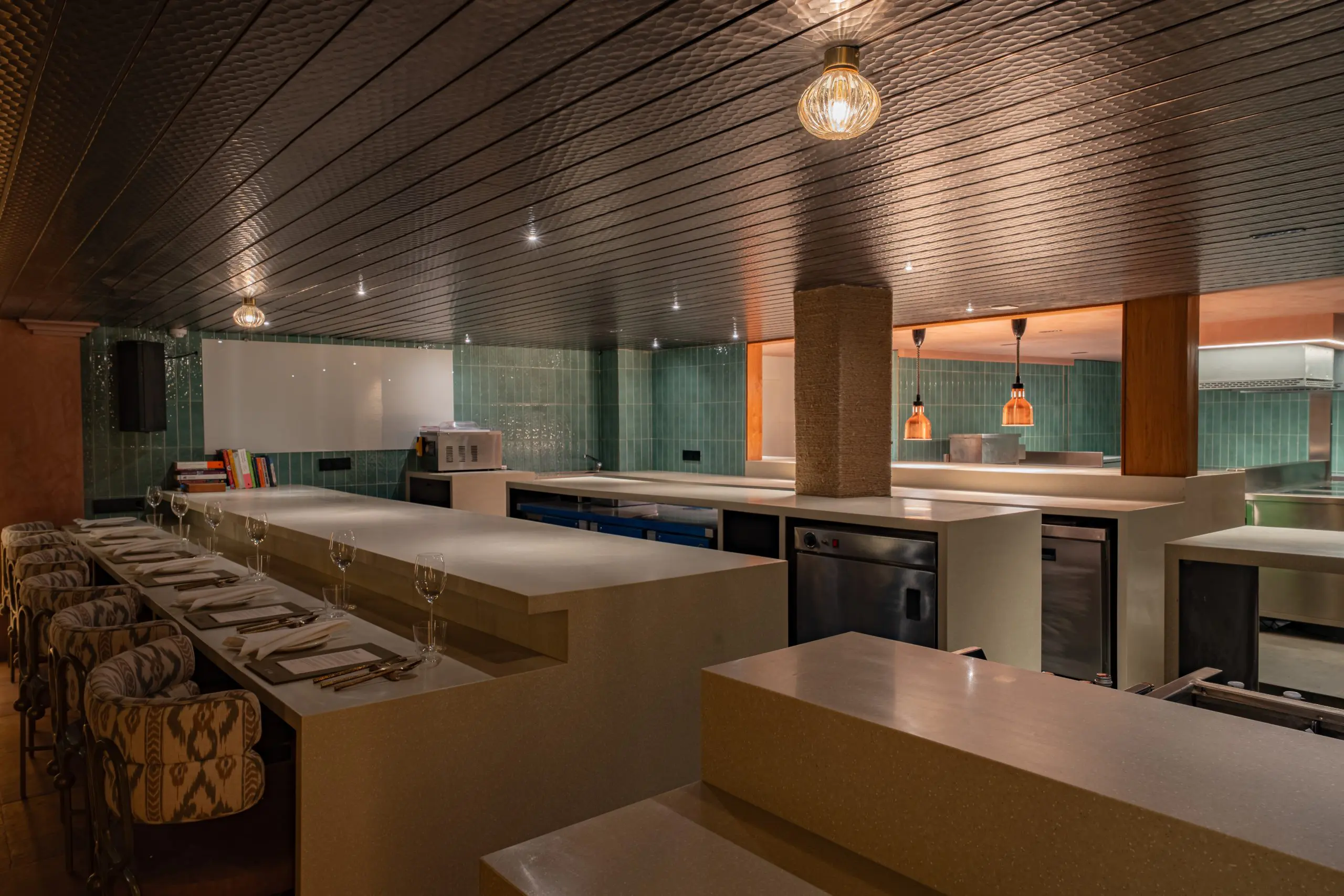
With just 14 seats, 18 verses and one seating per service, the format makes the diner an active participant in the experience, not merely someone ordering from a list.
A pani puri in full bloom
The opening act makes a convincing case for keeping an open mind. The flower is the visual introduction; and the tart and minty notes are the plot twist that burst in your mouth.
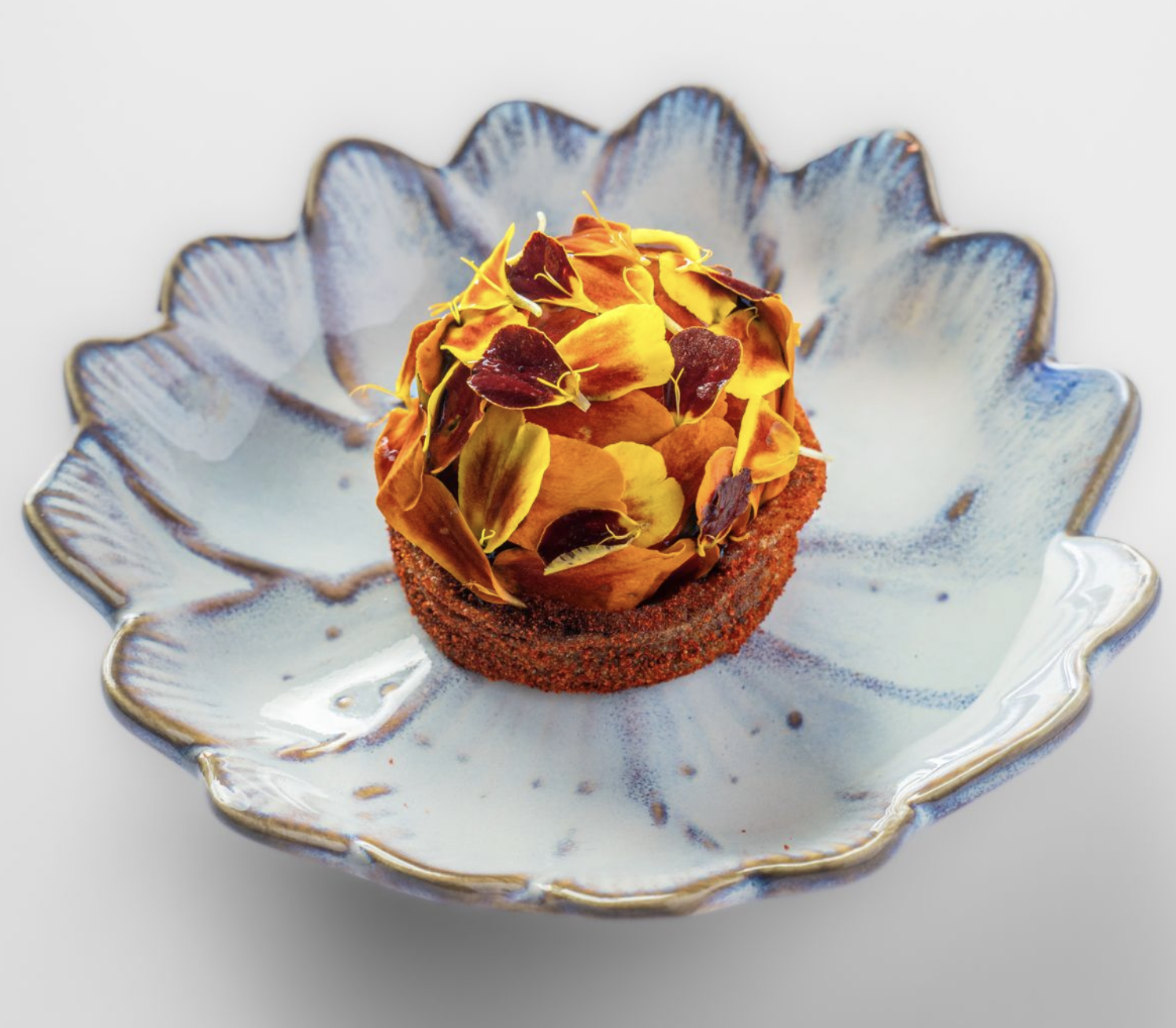
That tension between appearance and flavour runs through the menu. Gujarati farsan is reimagined as an edible garden, complete with a butterfly made from thepla batter and a crumble of fafda. Bihari litti chokha becomes a bite sized tart, bringing the familiar flavours of sattu, ginger, chokha and chutney into a different form. Elsewhere, strawberries enter a chaat inspired by the sweet, sour and savoury combinations that make Indian street food so compelling. These are not reinventions that erase their origins. Their charm lies in how much of the original dish survives the transformation, even when its appearance suggests something entirely different. Well…Orange you glad it’s pani puri?
For all the conceptual ambition, some pleasures need little explanation. Accompaniments such as chaas, pickle and charred snap peas bring familiar flavours back into focus, offering a welcome counterpoint to the more intricate verses.
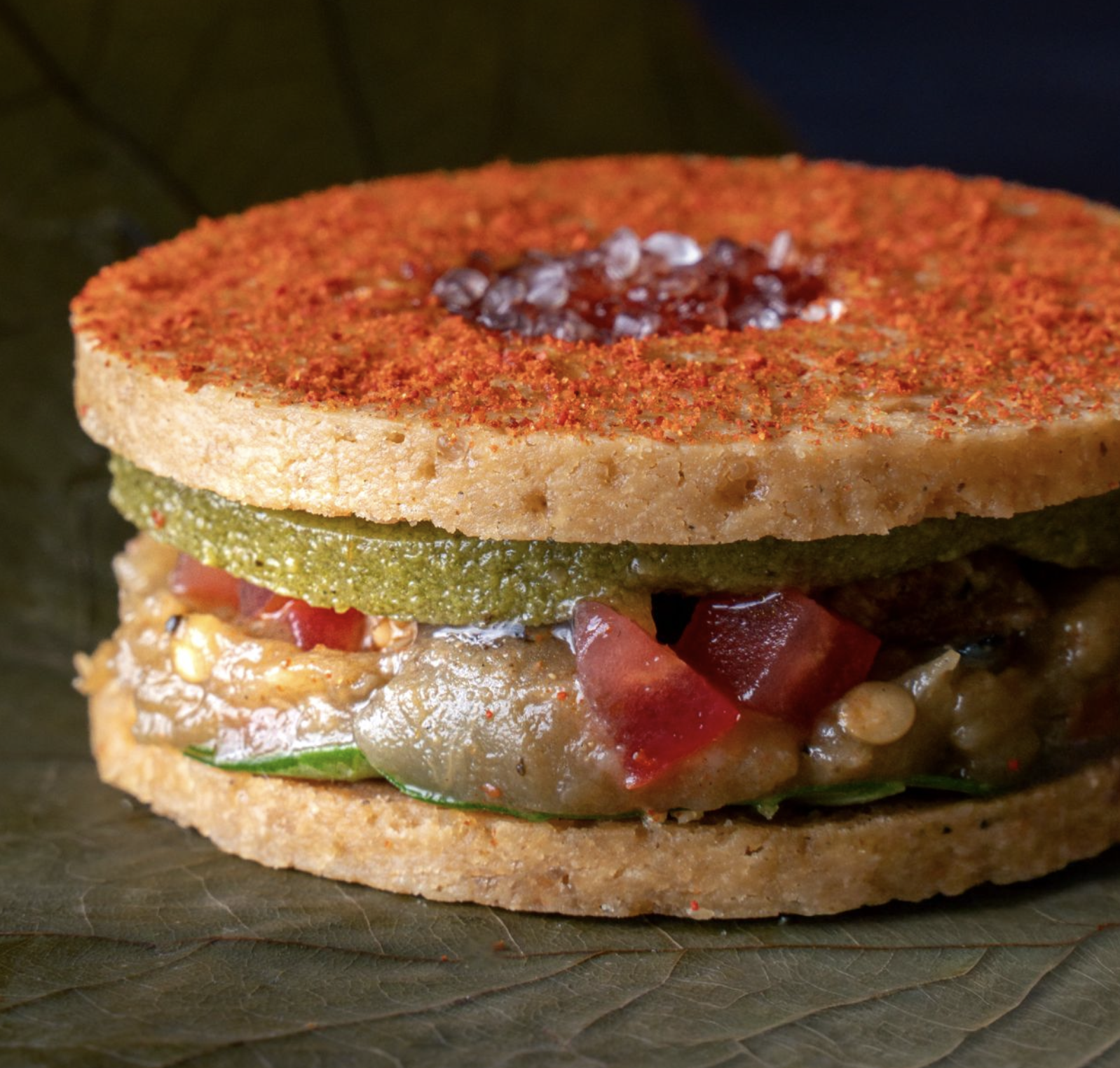
The most interesting verses are often those that tap into the foods we already know by heart. One recalls the summer ritual of eating aamras with rice, turning a deeply familiar combination into a moment of nostalgia within a more elaborate dining experience. A Mangalore bun inspired creation brings banana bread, banana ketchup and celeriac into the picture, with kala masala adding a distinctly regional accent.
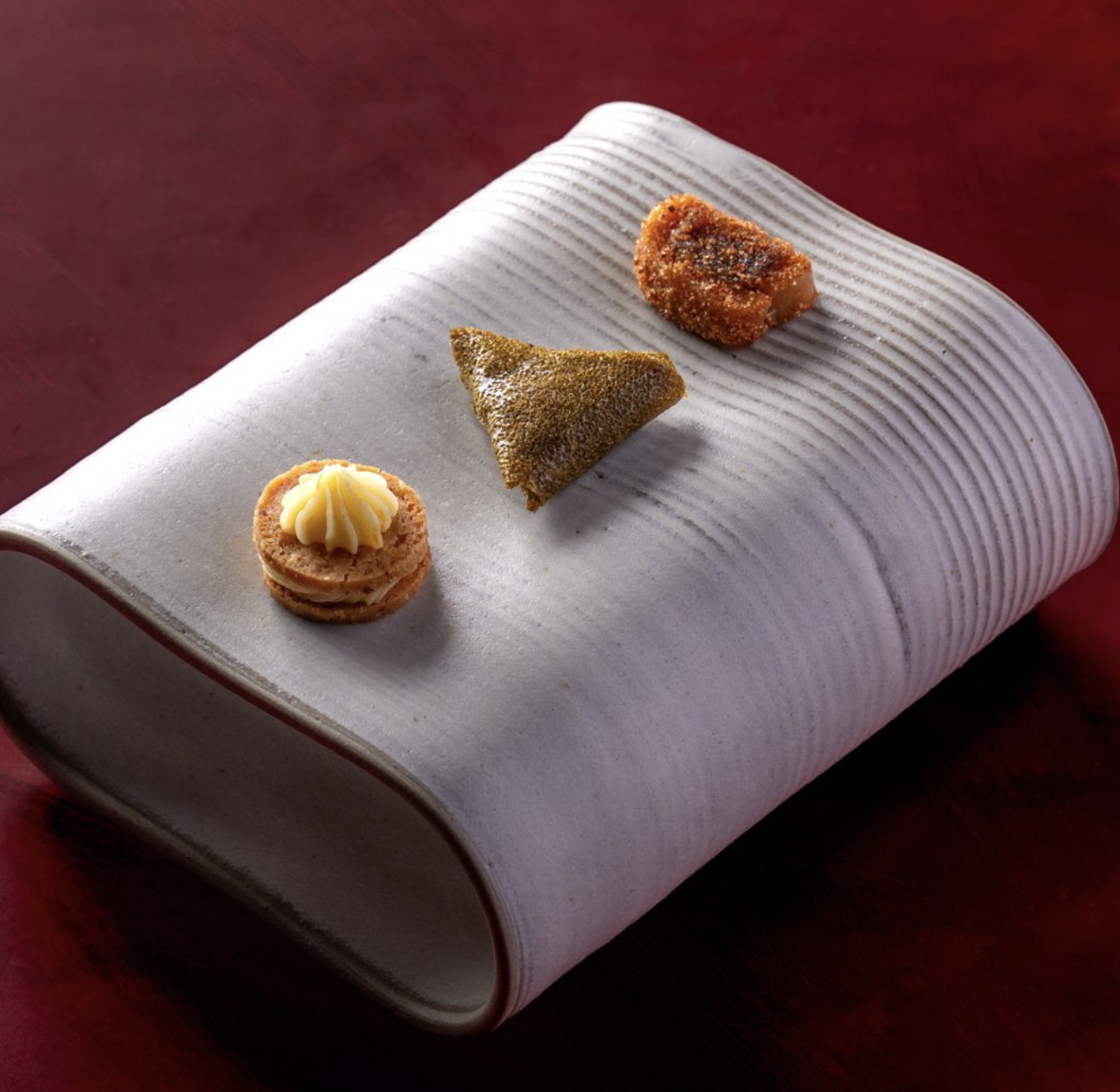
There are also references to the flavours of the hills, the warmth of mustard and chilli, and the complexity of regional masalas. The menu draws on Indian food not as a fixed catalogue of regional specialities, but as a living collection of memories, techniques and influences. A familiar ingredient might appear in an unfamiliar texture; a dish associated with a particular place might be reduced to a single bite. The recognition is part of the pleasure; you know the reference, but you have to work out how the chef has chosen to tell its story.
Behind the playful presentation is a serious interest in technique. Fermented tomato water brings texture and acidity to a composition involving young coconut, grilled pineapple, sol kadi and coriander. Raw banana, sweet potato, buransh, chutneys and rice papad create another combination of textures and flavours. Elsewhere, fermentation, dehydration, grilling and layered sauces alter the way familiar ingredients behave on the palate like papad served with the barbecue verse!
Please play with your food
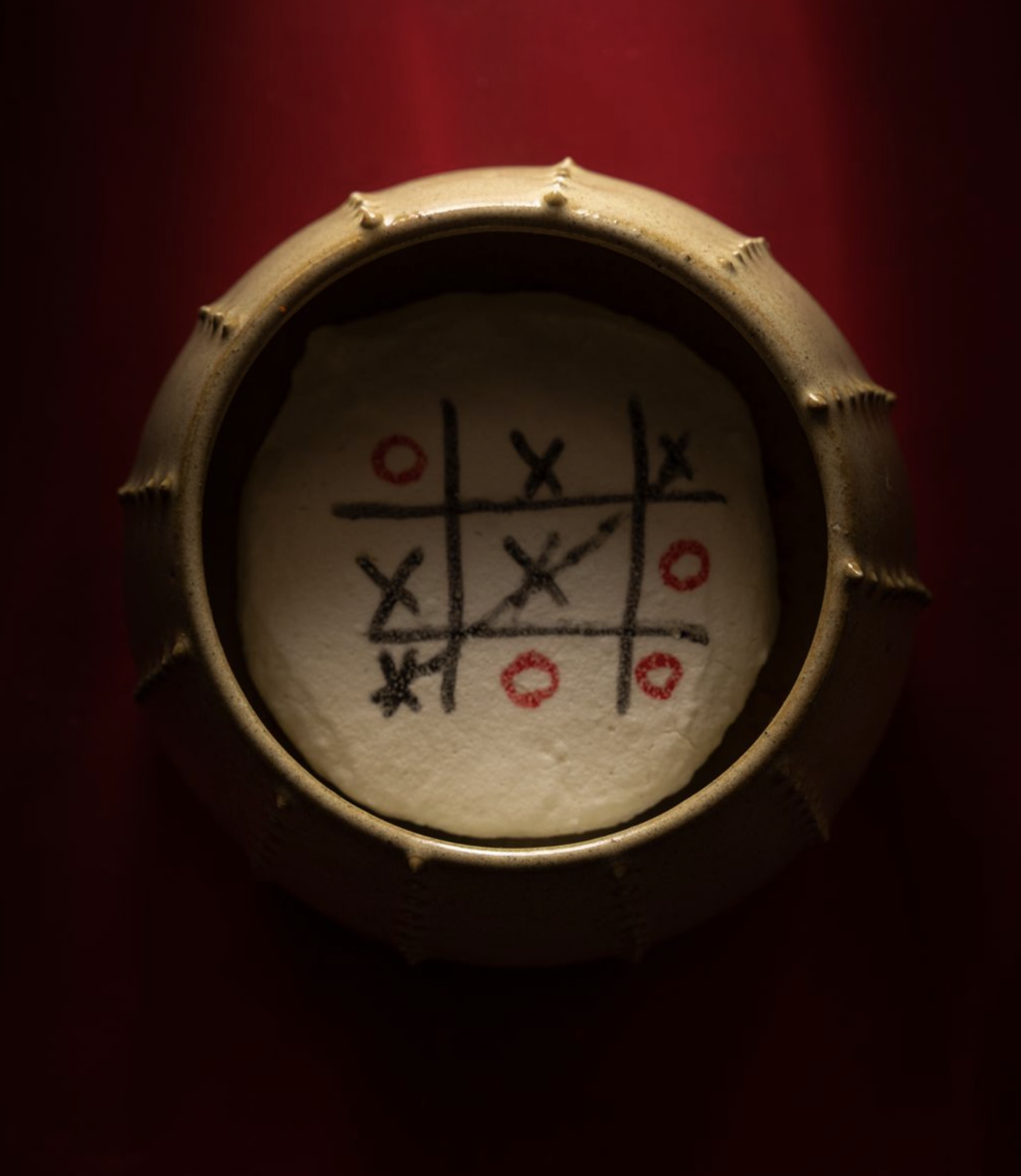
Midway through the meal, FITOUR introduces a playful interlude involving markers and edible elements. It is a welcome interruption to the formal rhythm of a tasting menu, inviting guests to participate rather than simply watch the next creation arrive. The experience briefly shifts from a performance being presented to you into one you can engage with yourself. It also captures something essential about the restaurant’s approach. Luxury dining can sometimes take itself rather seriously, but FITOUR makes room for curiosity, humour and a little game of TicTacToe! The theatre is not merely in the elaborate presentation of the dishes. It is in the anticipation, the surprise and the conversations that follow!
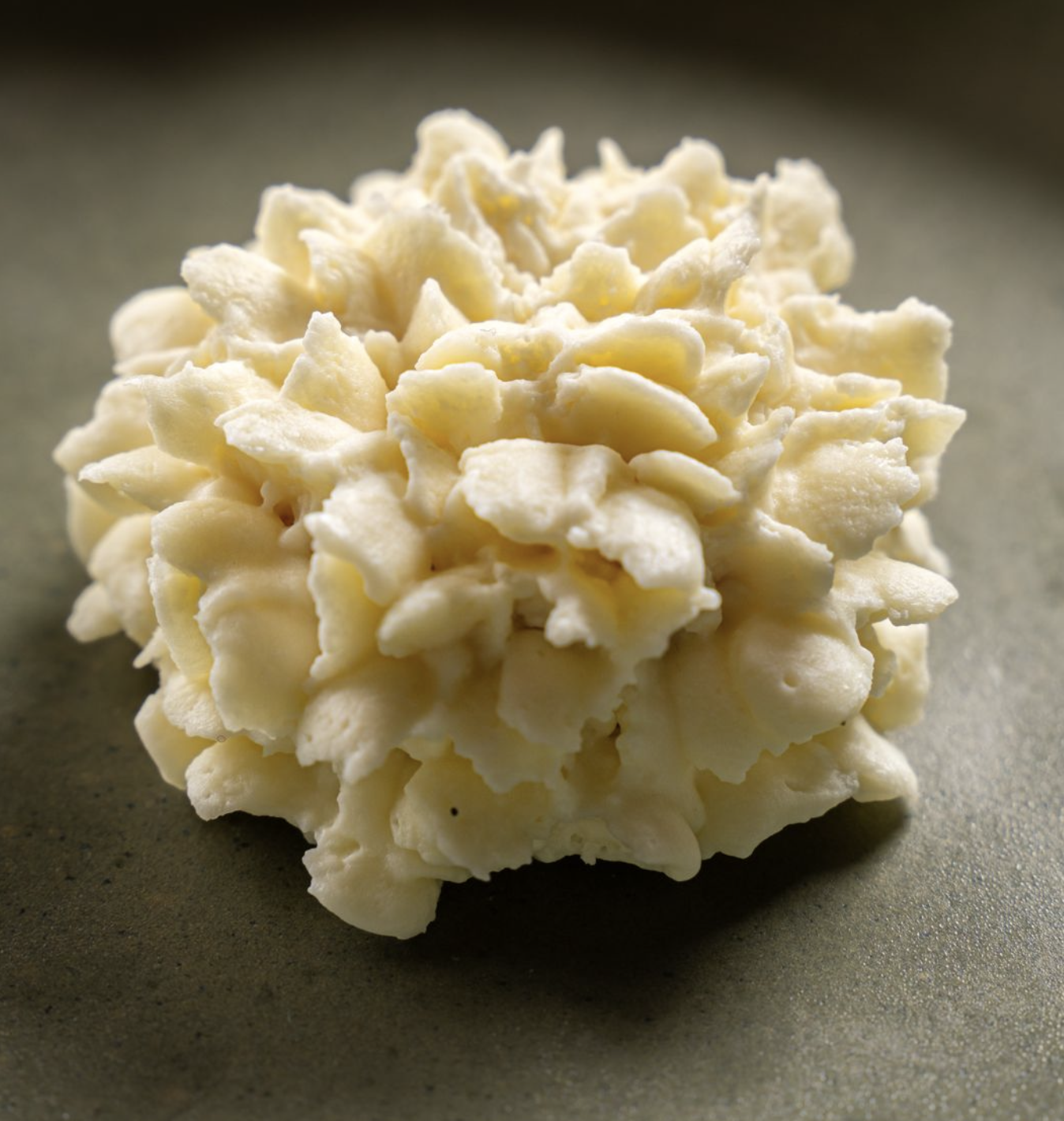
Dessert returns to the language of art. The mogra inspired creation combines almond financier, mogra Chantilly, litchi sorbet and kaffir lime, translating the delicate floral character of jasmine into a combination of fragrance, sweetness and acidity. The final act turns towards the Indian mithai shop, with brown butter atta cake, doda burfi ice cream, mawa burfi, milk skin, gur caramel and kesar chocolate foam. Petit fours featuring imli Melody, orange biscuit and paan complete the evening with references to familiar sweet shop treats.
There is a lovely circularity to ending with these recognisable flavours. After a meal spent questioning appearances and discovering unexpected combinations, you leave with a reminder that some of our strongest associations with food are emotional rather than technical. A flavour can transport you to a childhood kitchen or a summer afternoon before you have even had time to name it (for eg: Jim Jam rendition).
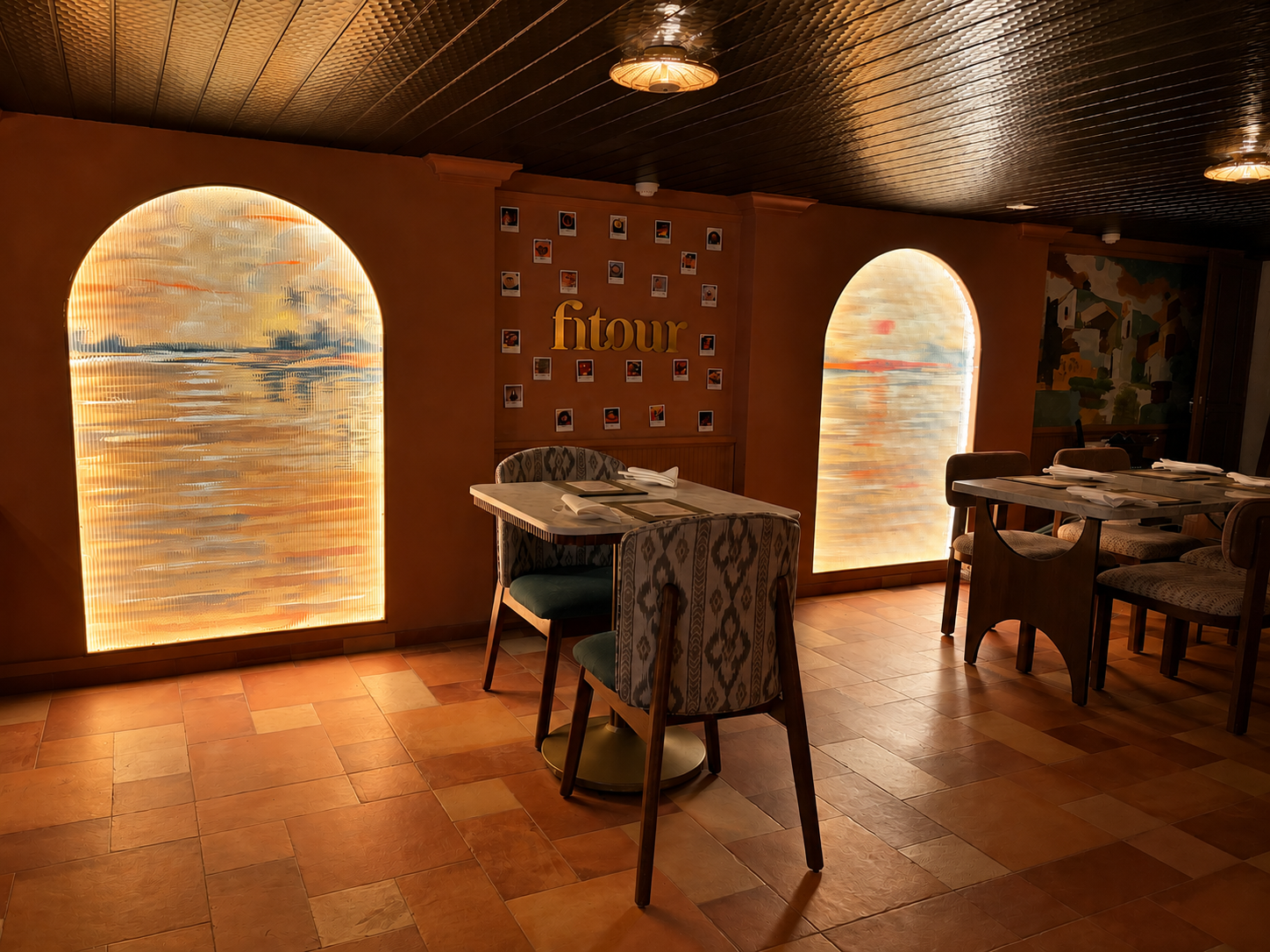
The visual language of the meal has a counterpart in the interiors. Handmade terracotta tiles, natural woven fibres and tactile finishes give the space an understated warmth. The Nostalgia Wall brings together photographs, handwritten recipes, childhood memories and custom artworks, revealing some of the personal references that inform the experience. Jars of pickles and ferments, alongside hand blended spices, offer a glimpse of the processes that would usually remain behind kitchen doors. Art, here, is not limited to what arrives on the plate. It is woven into the environment and the ideas surrounding the food.
Poetic rendition
A conventional tasting menu tells you what you are about to eat and guides you through a sequence of dishes. A verse suggests something more interpretive: an idea expressed through ingredients, textures, colours and flavour, leaving room for the person experiencing it to find their own meaning. Each creation becomes a small piece of a larger composition, drawing on the chef’s travels, regional Indian cuisines, personal memories and culinary curiosities.
One verse might evoke a childhood summer; another might reference a region, an ingredient or a culinary tradition that has travelled across generations. Together, they form a narrative that is revealed gradually, rather than explained upfront. The theatricality extends beyond the plate. Music changes as the meal moves between acts, with sound, lighting and atmosphere helping establish the mood for each transition. The intention is not simply to pair a soundtrack with dinner, but to create a sense of movement, much like a performance in which each act has its own character. You are not just eating your way through a list of dishes. You are experiencing a carefully paced story, one in which the food, the room and the soundtrack are all part of the same artistic language.
FITOUR’s tasting menu is priced at ₹8,245 plus taxes. Cocktail pairings are available for an additional ₹5,495, international wine pairings for ₹6,495 and Indian wine pairings for ₹5,145, all plus taxes. Located in Bandra West, the restaurant welcomes guests from Thursday to Sunday, with one seating at 7.30 pm and a maximum of 14 diners per service. Reservations can be made through District or by calling +91 81087 89304.
The menu may arrive after the meal, but the experience leaves you with plenty to think about before then. FITOUR’s most compelling idea is that food can be read, heard, seen and felt, much like a poem or a work of art. Its verses move between regional traditions, childhood nostalgia and contemporary technique, giving familiar Indian flavours a new vocabulary without losing sight of where they came from. And perhaps that is the point of trusting the chef. Not every story needs to be explained before it begins, sometimes, it is more rewarding to experience the verse first and discover its meaning afterwards (just like Shakespeare would have had it).