How luxury resale is impacted by recession
- Featured Retail
 Arushi Sakhuja
- 12 minutes read

Arushi Sakhuja
Living a luxurious lifestyle is not about displaying wealth, but rather investing in quality products that stand the test of time. It is well known that luxury is just to satisfy our greed, not need. But with recession striking badly in 2022, it’s time to shift our focus and purchase essentials. However, recession could mean a boost for luxury resale. The resale market is one of the very few recession-proof industries – and the only retail segment that succeeds during a severe downturn. Giving us real-time insight into the industry, Anvita Mehra Founder, Confidential Couture — a luxury e-commerce fashion resale brand— shared, “The fashion industry is impacted during the recession as the urge to purchase decreases amongst consumers. Yet the resale market is a recession-proof business, the concept is everlasting.” Pernia Qureshi who co-founded a resale platform Saritoria about a year and a half ago also believes that resale can thrive during a recession. “Some people can encash on their existing wardrobes and find a way to make more cash and others can continue to enjoy luxury brands at a fraction of the retail cost. International resale sellers have businesses that are growing from strength to strength. In India, resale is still a relatively new concept. “
She also believes that consumers of luxury are becoming smarter with their choices for buying and selling and promoting the 6 Rs of sustainable fashion: Rethink, Refuse, Reduce, Reuse, Recycle, Repair, which in her opinion is a big step forward towards the end goal of circularity and the planet.
Understandably, during an economic downturn, consumers are constantly looking for ways to save money. When shopping at resale stores, consumers get the same brand names and quality they’re used to at traditional retailers, but at a substantially slashed price. And shopping at resale stores presents the perfect solution for consumers unwilling to skimp on quality but looking to cut back on expenditure during recession. ” While sales plummeted as stores closed, the consumer shopping behaviour changed drastically,” believes Aashni Shah Founder and Creative Director Revivify. She attributes the increase in the resale market sales to environmental consciousness, work-from-home situations and additional time on hand helping the second-hand market flourish and withstand the test of time. “Adding longevity to your pieces, buying pre-loved and reselling once worn, lesser focus on trends, pocket-friendly access to luxury goods- are some of the important factors leading to the rise of resale,” she adds further.
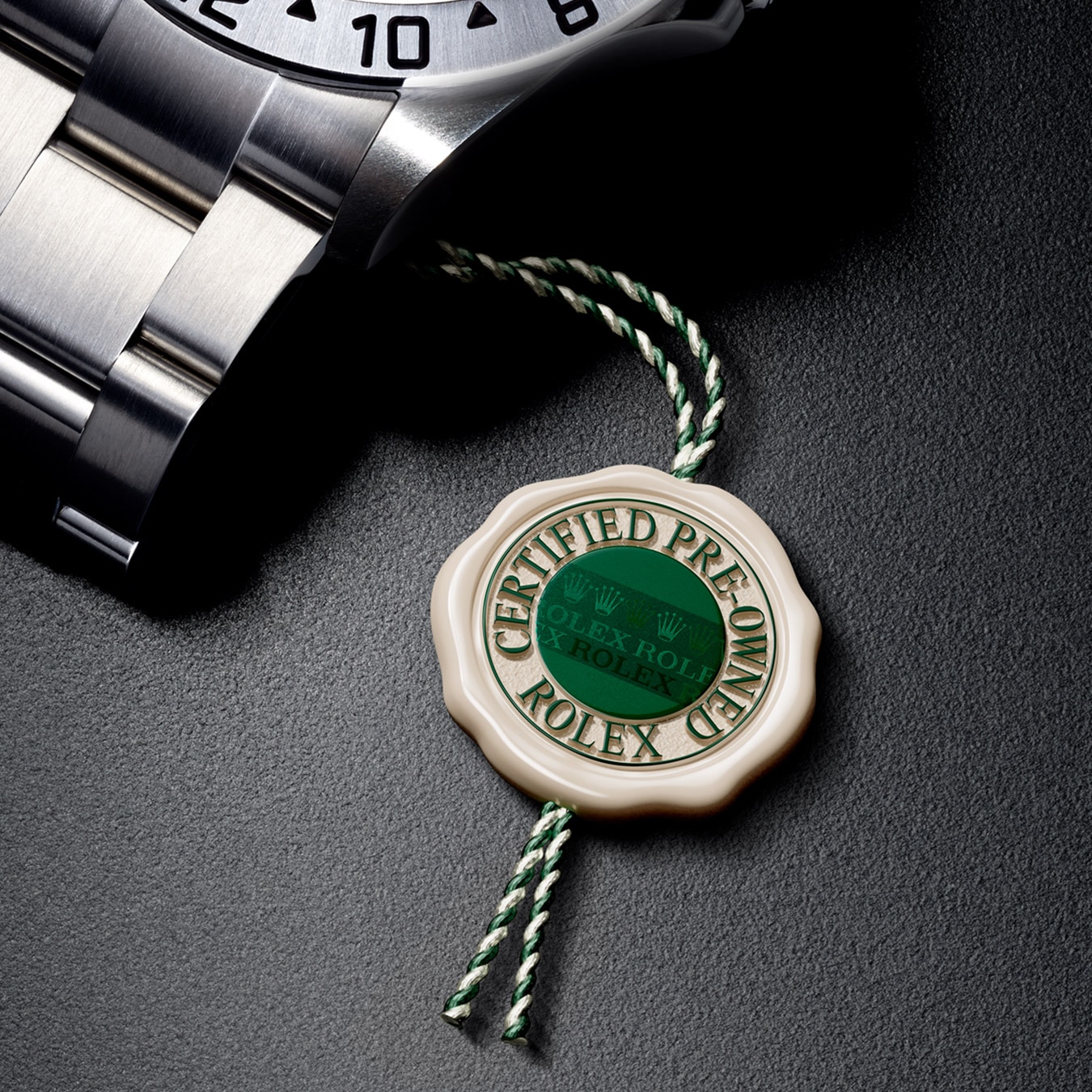
The upward trend of the resale market goes hand in hand with luxury brands opening authenticated resale stores. “With mindful consumption at the forefront for every brand —new and old – second-hand is no longer being looked down upon,” says Shah. From the Selfridges Resell venture that sells pre-loved items, Burberry selling authenticated resale on My Wardrobe HQ and Ganni’s recent archived collection on The Vestiaire Collective, luxury brands are jumping on the bandwagon, Balenciaga is the latest luxury fashion label to launch its own resale program where customers can trade in their pre-loved luxury goods for cash or credit. For this sustainable fashion venture, the luxury fashion house founded by Spanish designer Cristóbal Balenciaga partnered with Reflaunt and, the luxury fashion resale program is exclusive to customers located in Italy, France, the UK, the United States and Singapore. The luxury resale platform WatchBox is also driving the demand for pre-owned watches with its authentication processes, as has Rolex with its certified pre-owned program. Even celebrities are openly endorsing pre-owned luxury goods. The Kardashians-Jenners, for example, are making a move into the resale market, with the launch of Kardashian Kloset. The e-commerce site sells clothing, shoes and handbags that once belonged to celebrity family members. Mehra agrees with the slow breakdown of the taboo and goes on to say, “There is a visible shift in our market leaning towards a broader perspective and accepting change in the definition of fashion globally. Luxury brands and reselling platforms are playing a major role in diminishing the stigma attached to pre-loved luxury by increasing collaborations and that change will be noticed majorly in the coming decade by the masses.”

As high-end brands increase the prices of luxury pieces, shoppers are increasingly considering second-hand, gently used versions of designer goods. To prepare for this new influx of resale shoppers, resale platforms are investing in more features to help shoppers scout for the best deals. The second-hand luxury market is growing four times faster than the primary luxury market, at 12 per cent per year versus 3 per cent and the luxury resale was valued at more than $32 billion last year.
Sustainability and the resale market
But resale is not only about cutting down on costs, rather it is also addressing the encompassing issues of sustainable living along with a focus on the money crunch. “Being in the reselling industry for over 8 years we have learnt that buyers and sellers both have different motivations to pursue resale. Consumers of luxury are informed, up to date about fashion and are frequent buyers, eventually, there is a need to make space for the latest purchases and look forward to platforms like Confidential Couture as a return on investment. Whereas, for buyers of pre-loved products, the aspiration of owning luxury is high, especially in Indian Society for many reasons like being a status symbol, quality, market prices etc. They believe in saving wherever they can even when the means to purchase a brand-new bag from the store is available,” shares Mehra. Shah also agrees with the statement and feels sustainability is the lead factor but earning money while selling your item is an added perk. “Decluttering, making sense of your spending, being environmentally conscious, offsetting your carbon footprint- these are no longer just trend-based phrases. Consumers and brands are walking the talk. With luxury brands at their pinnacle, affordable luxury, thanks to the resale market, is one that caters to the masses.”
Resale Drivers
Four main drivers are supporting the growth of the luxury resale market: digitalization, affordability, collectability, and changing consumer preferences towards sustainability and experiences. Online luxury resale platforms are transforming the second-hand market by offering seamless end-to-end experiences with far greater certified pre-owned brands and product assortment. Luxury resale is bringing luxury goods to a wider audience. The second-hand market offers a unique product range at accessible price points for the buyers and an extra income opportunity for the sellers. A major advantage of the second-hand market is the chance for affluent shoppers to shop from previous season collections, vintage gems, limited-edition releases, sold-out streetwear exclusives and drops missed the first time. Lastly, the generational shift is fuelling the resale market.

The growing number of millennials is a significant driver of the market, owing to the consumers’ behaviour that views luxury products as a mark of status and boosts a person’s self-worth. Millennials are drawn to purchase second-hand luxury items, due to their affordable pricing. Further, the luxury resale market is expected to increase due to the increasing middle-class population and spending, soaring urban population and escalating internet users in recent years. Authentication is also expected to boost sales in the coming years as platforms increase their techniques to verify items.
Future of the resale industry
“The future for resale looks promising, as the industry has come a long way by overcoming so many barriers like the stigma behind a preloved product, the question of ‘why should I buy a luxury product which is used?’ has become ‘why not purchase a pre–loved luxury product?’ as its value for money,” states Mehra. According to the report from Research and Markets, entitled Global Luxury Resale Market, the global luxury resale market is expected to surpass $51 billion by 2026. In the past few years, the sale of pre-owned luxury goods has been increasing very rapidly and the stigma associated with the consumption of second-hand luxury has been disappearing. The report splits the global luxury resale market into three different segments based on the type of product: apparel luxury, hard luxury and others. The apparel luxury resale segment held more than 73% share in the luxury resale market and is the fastest growing segment due to the growing acceptability of second-hand apparel from consumers. The current global reselling industry is estimated at 25 -30 billion dollars according to the Mckinsey Report 2022 and the graph only shows an increase in the appetite of consumers for resale. To conclude Shah said, resale is the rising star of the fashion retail industry. “As per ThredUP’s recent report, resale will hold an 18% market share by 2030 (7 years from now!). With a significant number of consumers focusing on sustainability and realising that the fashion industry is a large contributor to much of the ecological damage, Resale is the fundamental solution.” But no change comes without a challenge and the challenge for her lies in a large-scale consumer shift- where young ones are more accepting of buying and selling online, that is not yet the case for older ones. “It could take a whole generation move to see the acceleration, growth and max potential of the ginormous resale wave,” she feels. “The future of fashion retail is the resale. Slowly but surely all luxury clients are moving towards this model,” concludes Qureshi.
You may also like:
The future of luxury retail post pandemic
Live in the future: Retail stores that push the boundaries of design and technology