Stopping by Design, Tea, and History at the Makaibari Bungalow in Kolkata
- Art Food & Beverage Retail
 Staff Writer
- 6 minutes read

West Bengal’s pride and joy, Calcutta, has always been a time capsule into India’s colonial history. The age old gothic architecture, whizzing yellow ambassador taxis, and lush green spaces, are complemented wonderfully with some distinctly homeland elements such as the food, hospitality, and spirit. Heritage makes up the cornerstone of the city’s atmosphere and you can feel it in the air the second you hop of the plan at Netaji Subhash Chandra Bose International Airport.
This is exactly what the owners of Luxmi Estates were drawn to in charming Kolkata when they decided to open their latest experiential store, Makaibari Bungalow this September. The cosy space at tucked into the magnificent lobby of Taj Bengal curates handcrafted products from different heritage outposts of Luxmi Estates, the firm behind renowned brands like Obeetee and Makaibari.
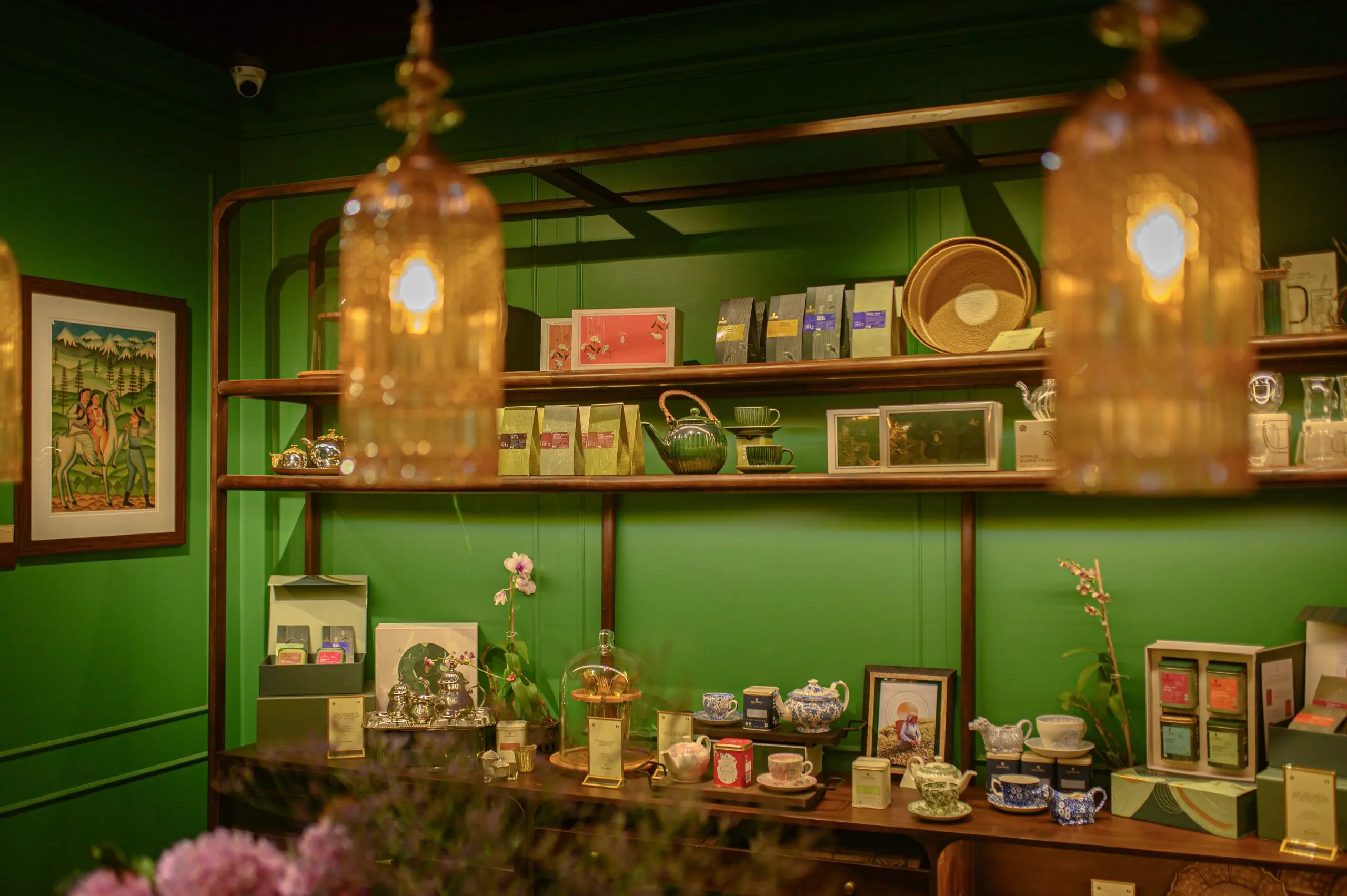
I knew of Obeetee from their beautiful carpets that have taken forward centuries of carpet-weaving tradition into the new world. And Makaibari of course, was known for its 160 year legacy of fine organic teas. Even before my recent trip to Calcutta, I grown very fond of both brands in their separate spheres, however, on hearing of the store, I couldn’t quite understand why the company had chosen to merge their tea brand with their home decór one. It’s far from a popular combination and one is bound to wonder how they fit together.
It was only when I stepped foot into Makaibari Bungalow and had the opportunity to speak to Rudra Chatterjee (Chairman of Obeetee and Managing Director of Luxmi Tea Group), that I was able to witness how they could intersect in the warmest of ways. During a conference, Chatterjee described the store’s design as a home– and that is when it clicked. What is more ‘home’ than being perched on a soft, handloom rug with a piping cup of chai.
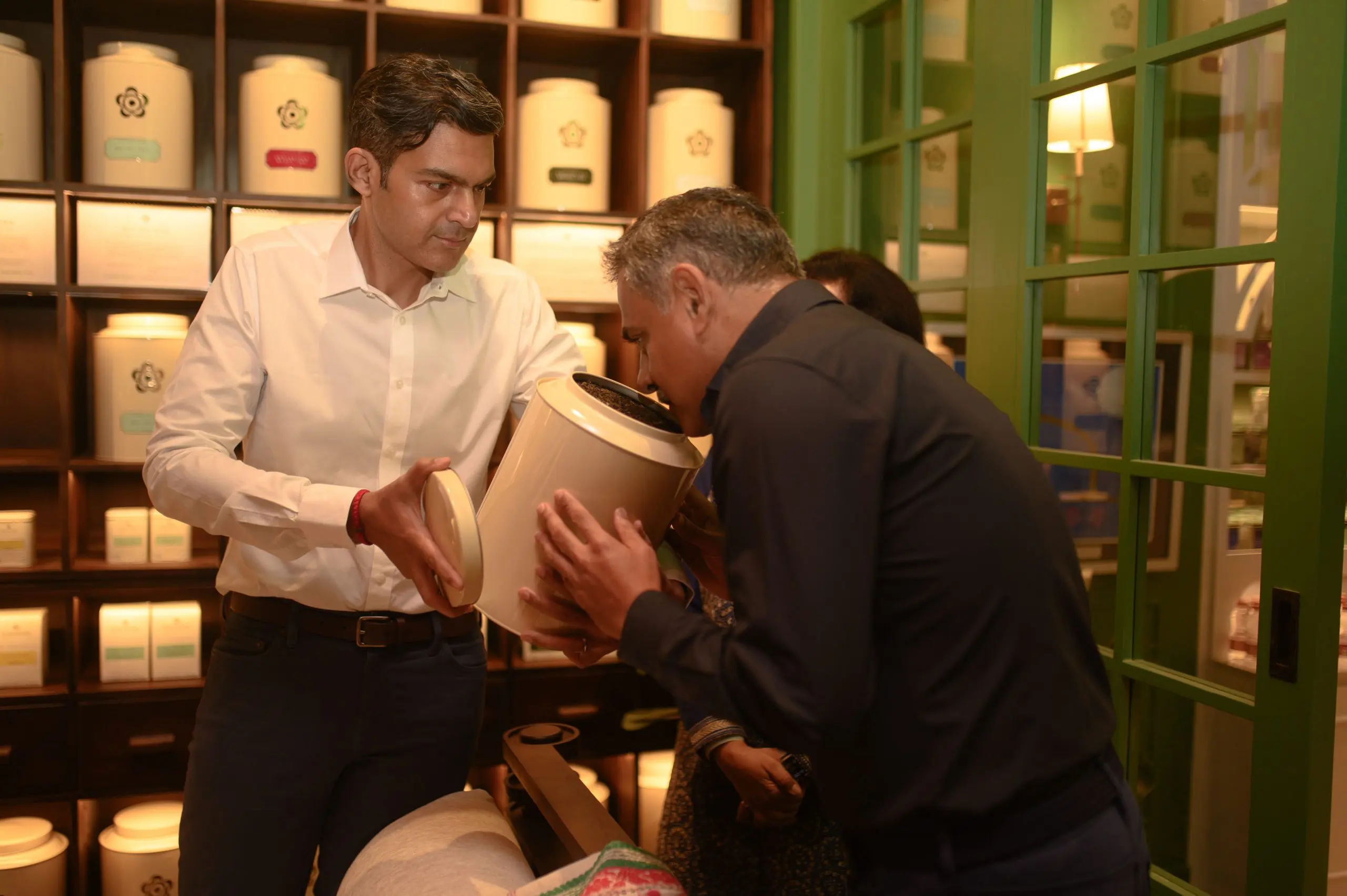
It’s difficult to imagine these world becoming one but this exactly why an ‘experiential’ store, rather than an online website, was the answer. While e-commerce can be more accessible and convenient, how could one truly understand the old-world charm of bungalow life without actually walking through that environment?
Designed to evoke the interiors of a planter’s bungalow, the store uses warm walnut wood tones, wicker, brass accents, and plush furnishings to blend indoor and outdoor elements. With a snug living room, fireplace, and kitchen, teapots, plantation furniture, home linens, carpets and an expansive tea library are displayed invitingly for visitors to explore. The store’s scenic balcony, separated by teal French doors, provides a serene setting for communal tea-tasting sessions, where guests can savour Makaibari’s finest blends while overlooking the beauty of the Himalayan foothills. Here one can use all five senses to wholeheartedly engage with their surroundings including through tea cocktails created by renowned mixologist Yangdup Lama.
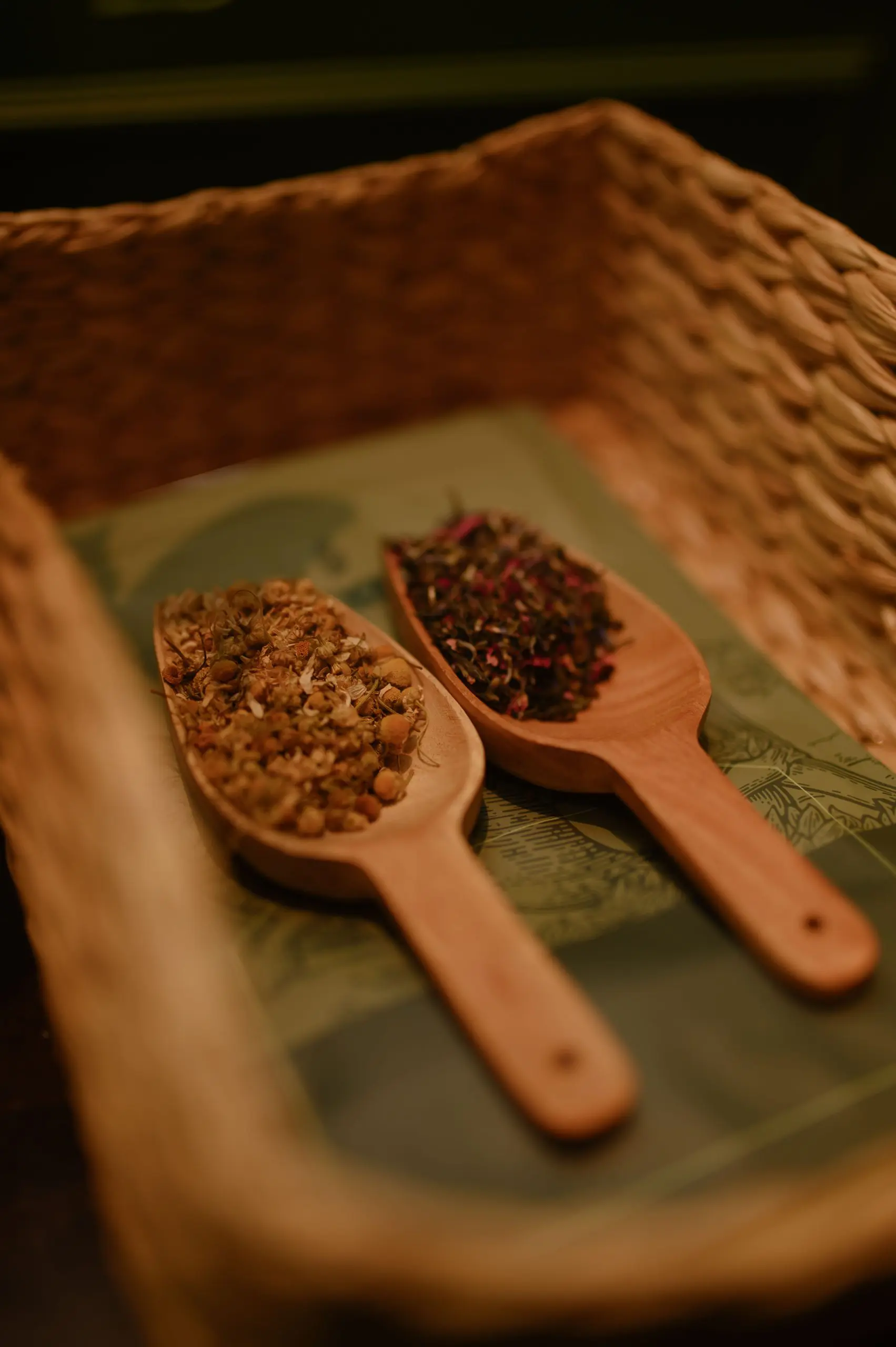
Beyond its exceptional tea blends, the curated collection at the Makaibari Bungalow includes textiles such as carpets, cushions, and table linens; elegant home décor items like tableware, tea-ware, and plantation furniture; as well as art and artefacts. Each piece, including the accent furniture, reflects the company’s century-old legacy and commitment to eco-friendly, sustainable craftsmanship, ensuring a positive impact on both the environment and the communities involved. Adding further cultural depth to the store, commissioned Kalighat paintings by Anwar Chitrakaar, son of the renowned Amar Chitrakaar, offer a vibrant tribute to the Makaibari estates, beautifully connecting the brand’s rich heritage with the artistic traditions of the region.
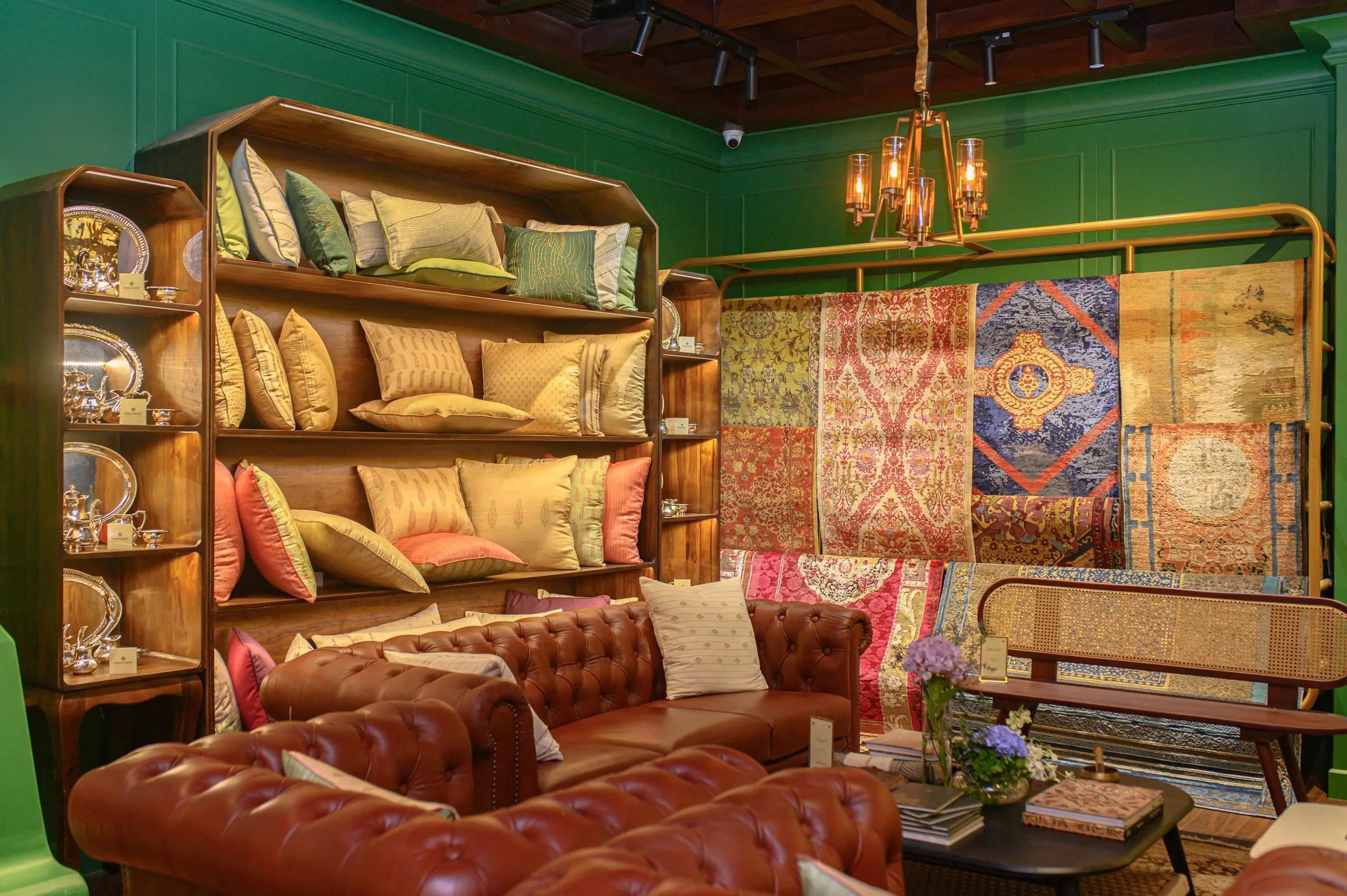
If you are a guest at Taj Bengal or even paying a visit for a meal or two, a detour to Makaibari Bungalow offers a chance to step into a piece of living history, where heritage comes alive through taste, touch, and tradition. Upon just one trip, it became clear to me why this unique space makes perfect sense in Kolkata. Both the store and the city embody a blend of the old and the new, where every corner has a story waiting to be discovered. Makaibari Bungalow isn’t just about products; it’s about preserving a way of life. Through every handcrafted rug and carefully selected tea leaf, you’re reminded of the rich, enduring legacy of craftsmanship that continues to thrive in country. For those in search of an authentic, immersive experience, this is one destination that leaves you feeling connected—to the past, the present, and perhaps even to yourself.