Building a community in Haute Horolegerie

By: Pranav Saboo, Managing Director & CEO, Ethos Limited
When we opened our earliest boutiques, the challenge was not demand. It was trust. At a time when the grey market dominated and many global maisons were uncertain about India, our focus was on partnering with brands whose long-term vision aligned with ours and consistently delivering on the promises we made together. That discipline of earning and then honouring authorisation is what set everything in motion.

A second defining moment was recognising that metros would lead but would not be the whole story. Delhi-NCR, Mumbai, and Bengaluru remain central, supported by a mature collector base and high familiarity with fine watchmaking. But Tier-1 and Tier-2 cities have been evolving steadily with increasing awareness and a growing inclination toward considered luxury purchases. The 100th boutique is not just a number. It is evidence that serious luxury retail has a home across India, not just in its largest cities.
The evolution is visible most clearly in what our retail environments have become. City of Time in Gurugram, a 22,000 sq ft destination, brings together global watchmaking with curated experiences, a dedicated Watchmaking Zone, a Private Viewing Lounge, an in-house bar, and both mono-brand and multi-brand boutiques, all under one roof. That is not a watch boutique. That is a destination for people who want a relationship with the craft, not just a transaction with a product. Retail has evolved from a transactional format to an immersive environment, and that shift reflects exactly how we think about the future of Ethos.
The direction is toward building spaces that foster genuine appreciation and community where clients engage meaningfully with horology rather than simply acquire it. Watchmaking masterclasses, brand-led storytelling sessions, collector evenings, and curated collaborations are all part of this. The intent is not to mirror any single global playbook, but to build experiences that are authentic to the category while meeting global expectations of what luxury retail should feel like.
French craftsmanship and savoir-faire
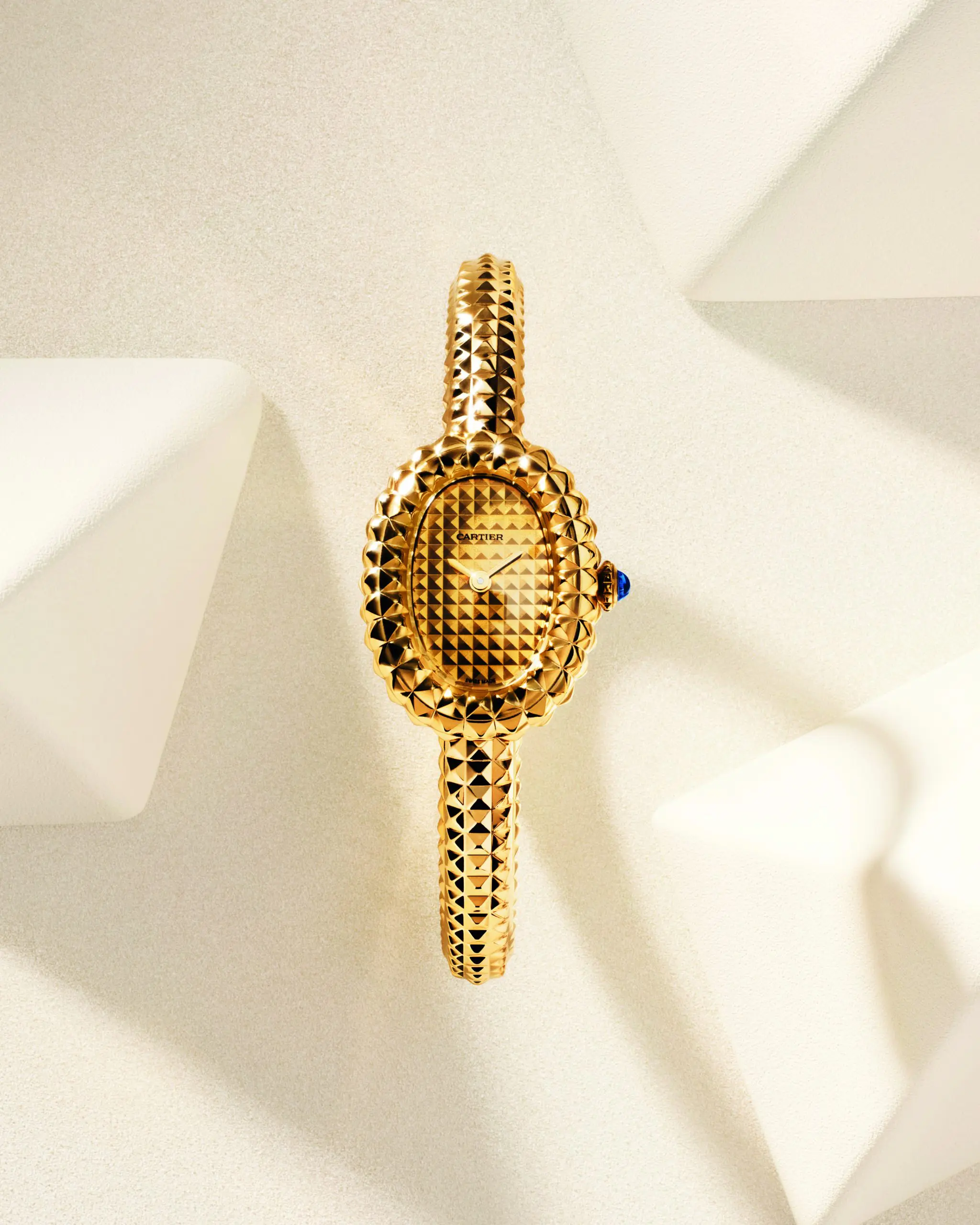
Each Swiss maison expresses its conviction differently. One house may be rooted in an uncompromising functional design language drawn from aviation instruments and military equipment, where every decision is honest to that heritage. Another redefines how time is displayed entirely, doing genuinely original conceptual work. A third brings enamel mastery or stone dial craft like malachite, meteorite or aventurine that sits at the intersection of watchmaking and fine art. What unites them is the refusal to make a decision arbitrarily. Material innovation and visible differentiation, open-worked movements, exotic stone dials, skeleton architecture, titanium, ceramic, are resonating strongly with Indian clients who want something visually distinctive and technically serious, not just recognisable.
For Indian consumers specifically, French luxury resonates because there is a shared cultural vocabulary around intricacy and beauty. India has its own centuries-old tradition of extraordinary making in jewellery, textiles or even in objects of devotion. When an Indian collector encounters French savoir-faire at its finest, there is often an immediate recognition of the underlying commitment to making things properly. Digital discovery has made this appreciation pan-India, but the final connection is always made in person, in a space where the piece can be understood for what it truly is.
The changing customer
Luxury consumption in India is no longer metro-centric, though it remains metro-led in maturity. In cities like Mumbai, Delhi, and Bengaluru, clients are highly informed, they track global launches, follow international watch forums, understand movements, complications, and limited editions, and are comfortable transacting at significant price points. The conversation is about rarity, innovation, and collectability. In emerging markets such as Ahmedabad, Chandigarh, Jaipur, Lucknow, Raipur, and Mangaluru, aspiration is equally strong and the appetite for statement pieces like skeleton dials, coloured ceramics, meteorite and malachite stone dials, titanium sports cases, high complications is growing faster than most people expected. The gap between metros and emerging cities is narrowing far faster than the industry anticipated.
The structural shift underneath all of this is the move from logo-driven luxury to knowledge-driven luxury. Younger buyers, including Gen Z, want technical depth, in-house movements, extended power reserves, hand-finishing, forged carbon, open-worked architecture. Metro markets demonstrate higher brand literacy and faster upgrade cycles, with stronger appetite for independent and niche maisons. But emerging cities are rapidly catching up. India today is increasingly influencing what brands choose to launch and allocate here.
Collection to Community
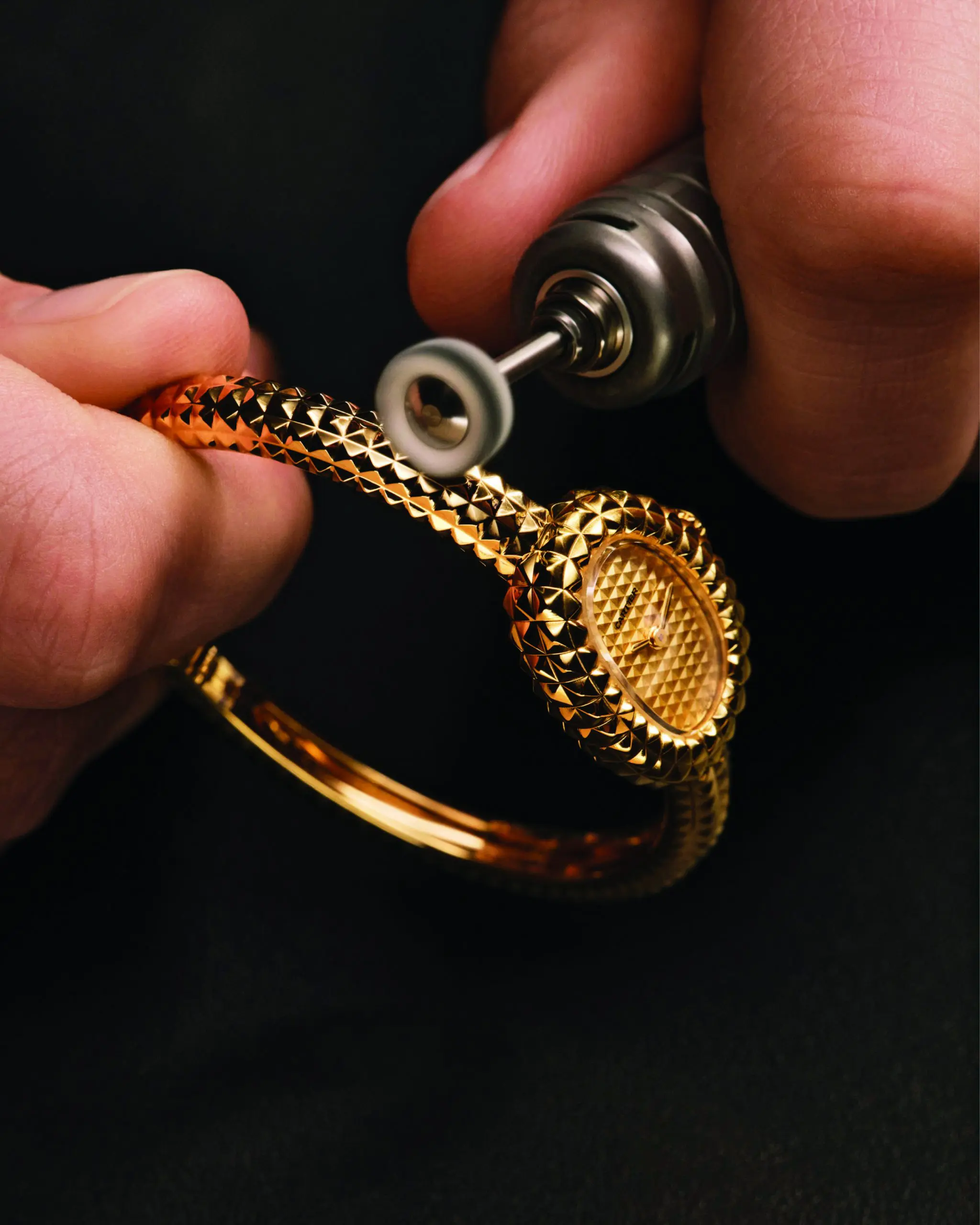
Being a collector has changed what questions I ask. A retailer asks what will sell and a collector asks whether something deserves to exist. Those are different questions and they lead to different decisions. The most visible expression of this for me was launching experiential formats. Luxury retail is no longer about display. It is about discovery. When clients attend a watchmaking masterclass and assemble parts of a movement themselves, their relationship with the timepiece fundamentally changes. They stop seeing it as an object with a price. They start seeing it as the result of an extraordinary human effort. That transformation is what I am trying to create at every touchpoint.
The personal collection has also given me access to certain brands before they were commercially obvious, and the conviction to back them before the numbers were there. The goal is always to build the kind of community where people come not because they intend to buy something, but because they genuinely love what horology represents.
The expansion is a natural extension of a relationship we have already built. The consumer who trusts us for a significant watch purchase is already making decisions about jewellery, how they mark important moments, the objects they want to own and pass on. Fine jewellery is a natural complement because the underlying values are identical in terms of heritage, craft, authenticity, and discovery through properly authorised, expertly presented product. Bringing in contemporary international maisons such as Messika whose design language sits at the intersection of jewellery and wearable art, collections where diamonds are set in motion within the piece itself, or where invisible setting technique creates surfaces of pure gemstone gives our collector a completely new kind of encounter.
There is a growing cohort of buyers, particularly women who have built professional identities and financial independence who want something alongside traditional Indian jewellery, a contemporary international voice, wearable for a Tuesday as well as a wedding. The reception has confirmed that this consumer was waiting and simply hadn’t access through the right channel. Beyond jewellery, I see similar opportunities wherever Indian consumer appetite already exists but the quality of organised retail infrastructure has not yet caught up. We will move into those spaces the same way we always have, which is deliberately, with the right partner, and only when we can do it properly.
Next Phase

I see Ethos playing the role of a bridge which carries traffic in both directions, and both directions matter equally. Toward India, we carry the cultural depth of the maisons we represent and ensure they are encountered here with the same seriousness they would receive anywhere in the world. Our focus remains on depth of experience and quality of execution rather than rapid expansion. We evaluate opportunities selectively, and we will tell a brand honestly when the timing is not right, even when there is commercial logic for moving sooner. Toward the maisons, we carry India, a market that is increasingly influencing what global brands choose to launch and allocate here, not simply absorbing what is offered to it.
What excites me most is the convergence of several forces simultaneously. The primary collector base is expanding geographically into cities that were not on any luxury map a decade ago. And the consumer arriving at this market is younger, more informed, and more confident than any generation before. They bring their own point of view and expect the world to meet them there. Finding the brands that are genuinely ready to do that, and introducing them to this market properly is some of the most interesting work ahead of us.
You may also read: From heirloom to aisle: The bridal collections of 2026