The precision behind the plate: Chef Florence Dalia on modern French cuisine
- Featured Food & Beverage
 Yashita Damani
- 8 minutes read

Luxury, at its best, is often found in the details. The precision of a sauce, the restraint of a perfectly handled ingredient and the kind of dish that stays with you long after the last course. For Two Michelin Star Chef Florence Dalia, that is where the real art of dining begins. With a career spanning some of the world’s most celebrated French kitchens and experiences across Europe, Asia and Australia, Dalia has built a culinary language rooted in classical technique but shaped by a distinctly global perspective.
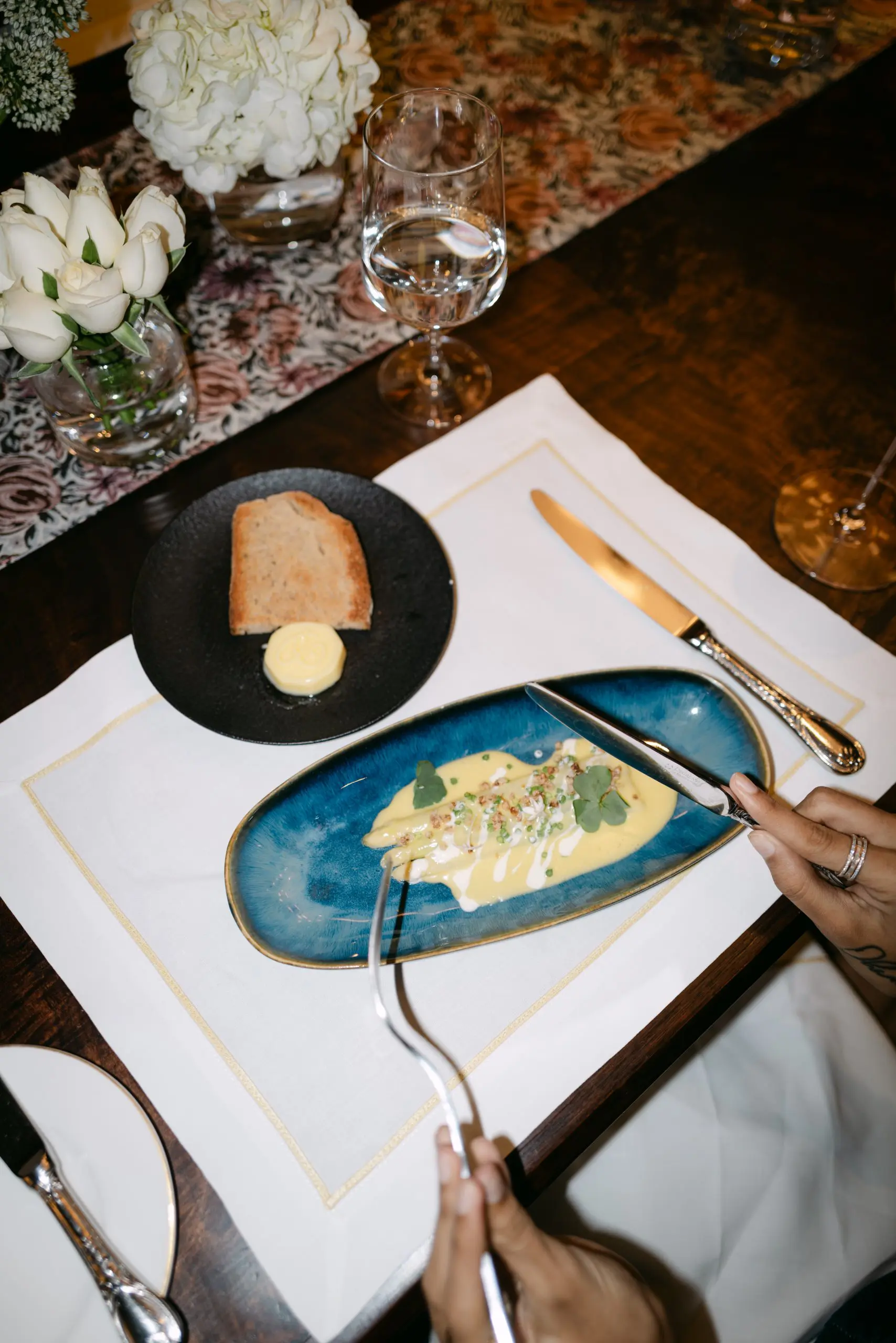
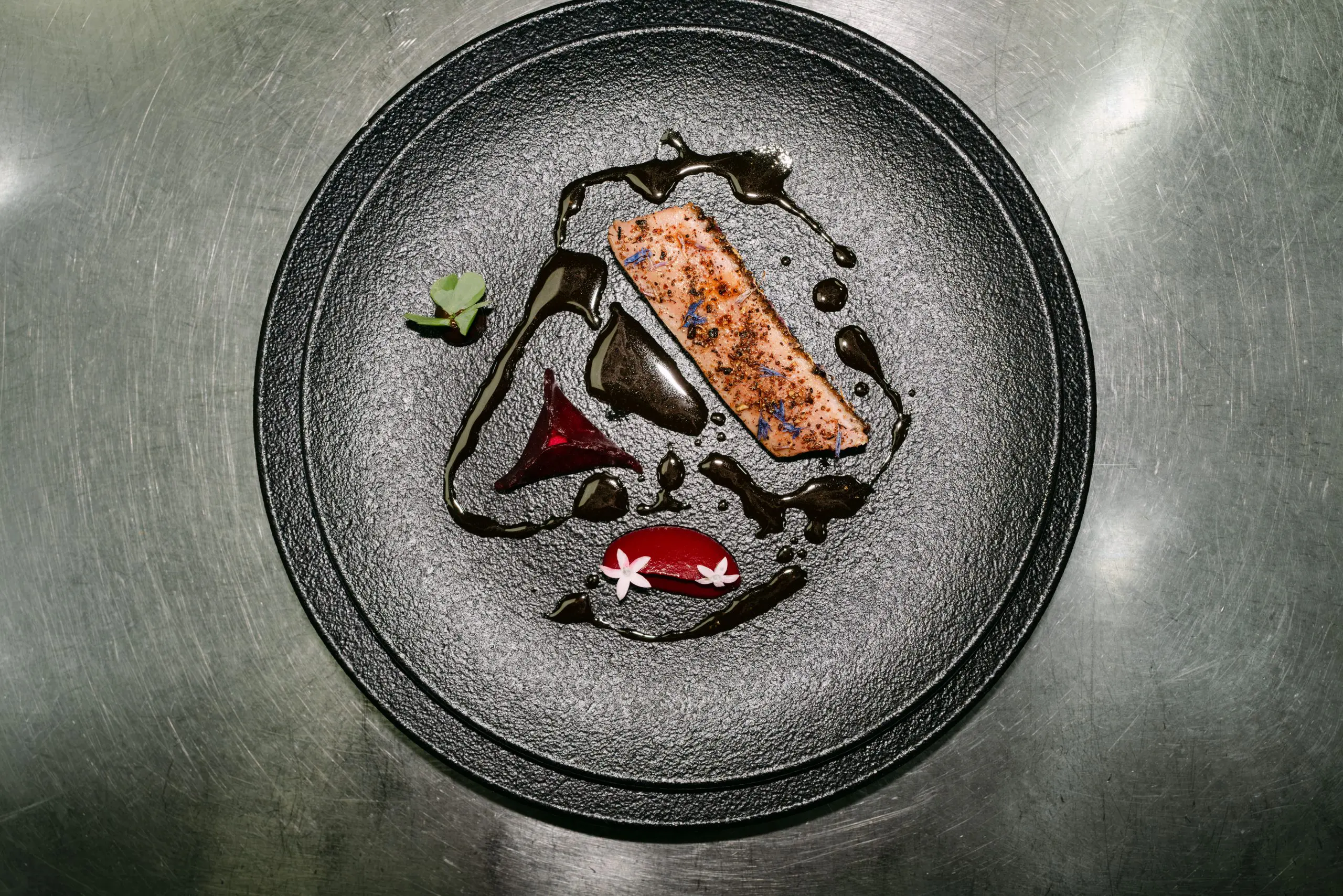
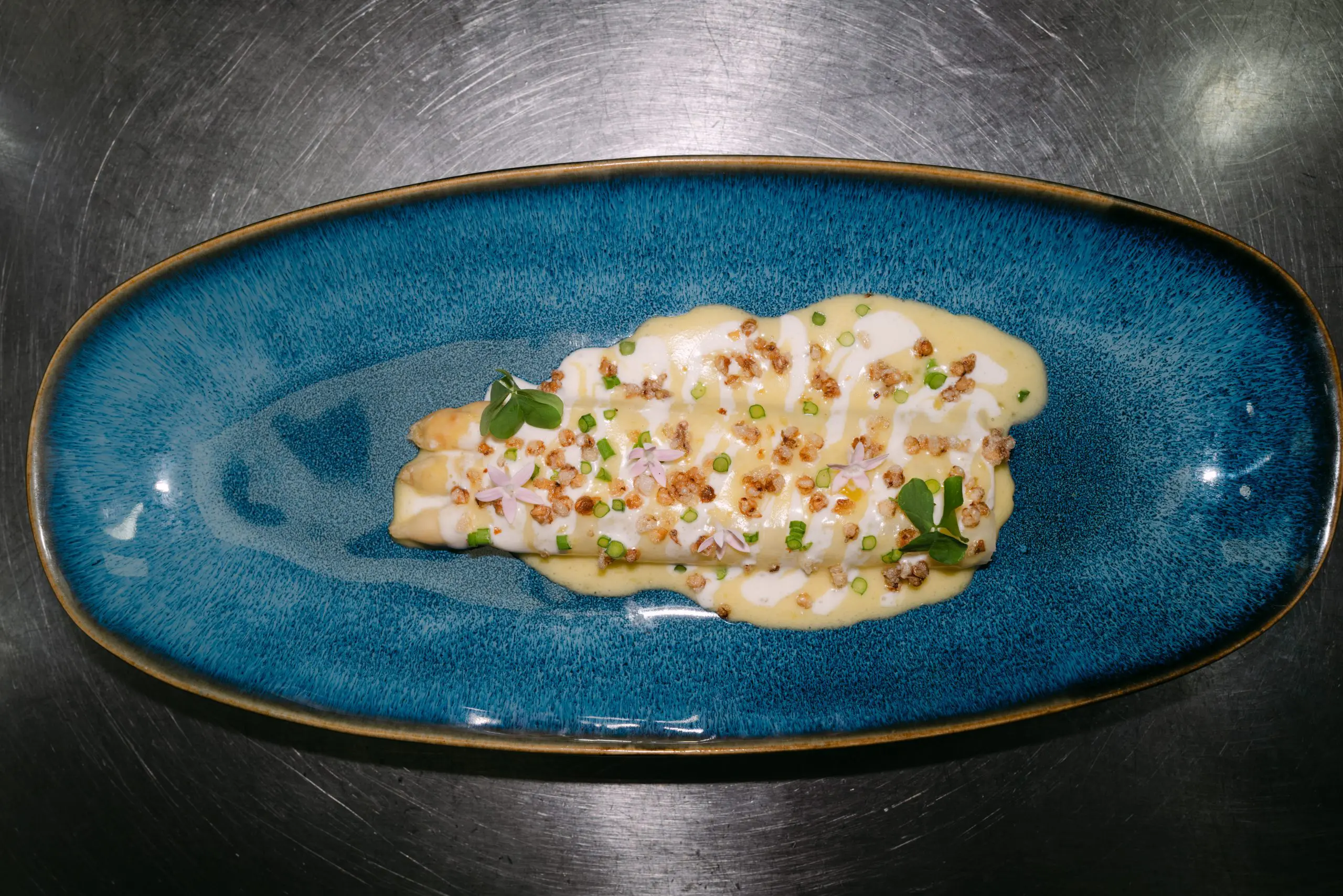
At The Chambers’ latest edition of Rendezvous, The Culinary Chronicles brought that philosophy to The Taj Mahal Palace, Mumbai, where Dalia presented a menu that moved effortlessly between French finesse, Asian balance and Australian produce. From Gillardeau oysters with yuzu kosho granita to A5 Wagyu with Café de Paris butter and Burgundy jus, each course reflected her belief that great cooking is less about excess and more about knowing exactly what belongs on the plate.
For LuxeBook, Chef Florence Dalia speaks about the evolution of French gastronomy, the art of translating terroir onto a plate, the changing expectations of luxury diners and why, ultimately, the most memorable dish is the one that makes you feel something.
LuxeBook: Your cuisine draws from classical French techniques while embracing influences from Asia and Australia. How do you ensure these diverse culinary traditions complement rather than compete with one another?
Chef Florence: For me, it begins with respecting the identity of each ingredient and allowing it to guide the dish. Classical French technique provides the foundation, while my experiences across Asia and Australia have taught me to appreciate different flavour profiles, textures and approaches to produce. The intention is not to combine traditions simply for the sake of fusion, but to create harmony where each influence has a purpose. When the ingredients, technique and flavours are balanced thoughtfully, the different culinary influences naturally complement one another.
LuxeBook: Having worked with the Joël Robuchon Group and led L’Atelier de Joël Robuchon Taipei to its second Michelin Star, what lessons from those kitchens continue to shape your cooking today?
Chef Florence: Those kitchens reinforced the importance of precision, discipline and consistency. Working within such demanding environments taught me that exceptional cuisine is built on the fundamentals-respect for produce, attention to detail and the ability to execute consistently. At the same time, my experiences across different countries have taught me to remain open and adaptable. These lessons continue to influence the way I approach both the food and the overall dining experience.
LuxeBook: Fine dining is becoming increasingly experiential. Beyond the plate, what do you believe creates a truly memorable luxury dining experience?
Chef Florence: A memorable dining experience is about creating an emotional connection. The food is naturally at its centre, but the atmosphere, service, storytelling and sense of occasion all contribute to how a guest remembers the experience. For me, luxury is also about making people feel genuinely cared for. When exceptional cuisine is combined with thoughtful hospitality and meaningful interaction, the experience becomes much more than a meal.
LuxeBook: The menu for A Symphony of Culinary Worlds celebrates craftsmanship and terroir. How do you translate the identity of a place into a dish without relying on clichés?
Chef Florence: I believe it starts with understanding the produce and the culture rather than trying to replicate something superficially associated with a destination. Ingredients have their own character, and terroir gives them a sense of identity. My approach is to respect that identity while using techniques and perspectives from my own culinary journey. This allows the dish to communicate a sense of place in a way that feels authentic rather than literal.
LuxeBook: Luxury diners today are more informed and well-travelled than ever. How has that changed the way you approach menu development and storytelling?
Chef Florence: Today’s diners bring their own experiences and references to the table, so there is a greater appreciation for authenticity and thoughtful storytelling. This encourages me to be more considered about how a menu is developed and how each dish contributes to the overall journey. The menu should offer something familiar enough to connect with the guest, while also giving them an opportunity to discover something new.
LuxeBook: You’ve cooked across Europe, Asia and Australia. Which ingredient or culinary philosophy from each region has left the deepest impression on your cooking?
Chef Florence: Europe has given me a deep appreciation for classical technique and the importance of culinary foundations. Asia has had a strong influence on my understanding of balance, particularly the relationship between contrasting flavours and textures. Australia has reinforced the importance of exceptional produce and allowing ingredients to speak for themselves. Together, these experiences have shaped a cooking style that respects tradition while remaining open to different culinary perspectives.
LuxeBook: French cuisine has long been considered the benchmark of fine dining. How do you see its role evolving as global gastronomy becomes increasingly collaborative and multicultural?
Chef Florence: French cuisine will always have an important place in fine dining because of the depth of its techniques, traditions and culinary philosophy. However, gastronomy today is much more interconnected. Chefs are travelling, learning from different cultures and bringing those experiences back into their kitchens. I see this as an evolution rather than a departure from French cuisine. Its techniques can provide a strong foundation while allowing chefs to engage with ingredients, flavours and ideas from around the world.
LuxeBook: Many chefs today balance innovation with sustainability. How do responsible sourcing and seasonality influence your creative process?
Chef Florence: Seasonality naturally encourages creativity because it asks you to work with what is at its best at a particular moment. It also creates a deeper respect for produce and its origins. Responsible sourcing means understanding the quality and character of what you are working with and avoiding unnecessary complexity. When an ingredient is exceptional, the best approach is often to let it take centre stage rather than overworking it.
LuxeBook: The Chambers’ Culinary Chronicles brings global chefs into an intimate setting. How does cooking for a smaller, highly engaged audience differ from leading a Michelin-starred restaurant kitchen?
Chef Florence: An intimate setting creates a much more personal connection with the guests. In a Michelin-starred restaurant, the focus is naturally on maintaining an exceptional standard across a larger operation, whereas a smaller setting allows greater opportunity for interaction and storytelling. You can understand the guests’ reactions more closely and share more of the thought process behind the dishes. That exchange makes the experience particularly rewarding.
LuxeBook: If diners leave your table remembering just one thing, what do you hope it is—the technique, the flavours, the story, or the emotion behind the meal?
Chef Florence: I would hope they remember the emotion. Technique and flavours are important, but ultimately food creates memories. If a dish makes someone feel something, reminds them of a place or moment, or gives them an experience they want to share with someone else, then it has achieved something beyond simply being technically well executed. For me, that emotional connection is what makes a dining experience truly memorable.
You may also read: Luxury dispatch: The Macallan, Oakley, Givenchy and Tod’s lead