Three chefs on what separates a good restaurant from a great one
- Featured Food & Beverage
 Yashita Damani
- 12 minutes read

I once took a cooking class for learning how to make Sizzlers, and it completely humbled me. Which is why, the respect I have for any chefs and restauranteurs is inexplicable.
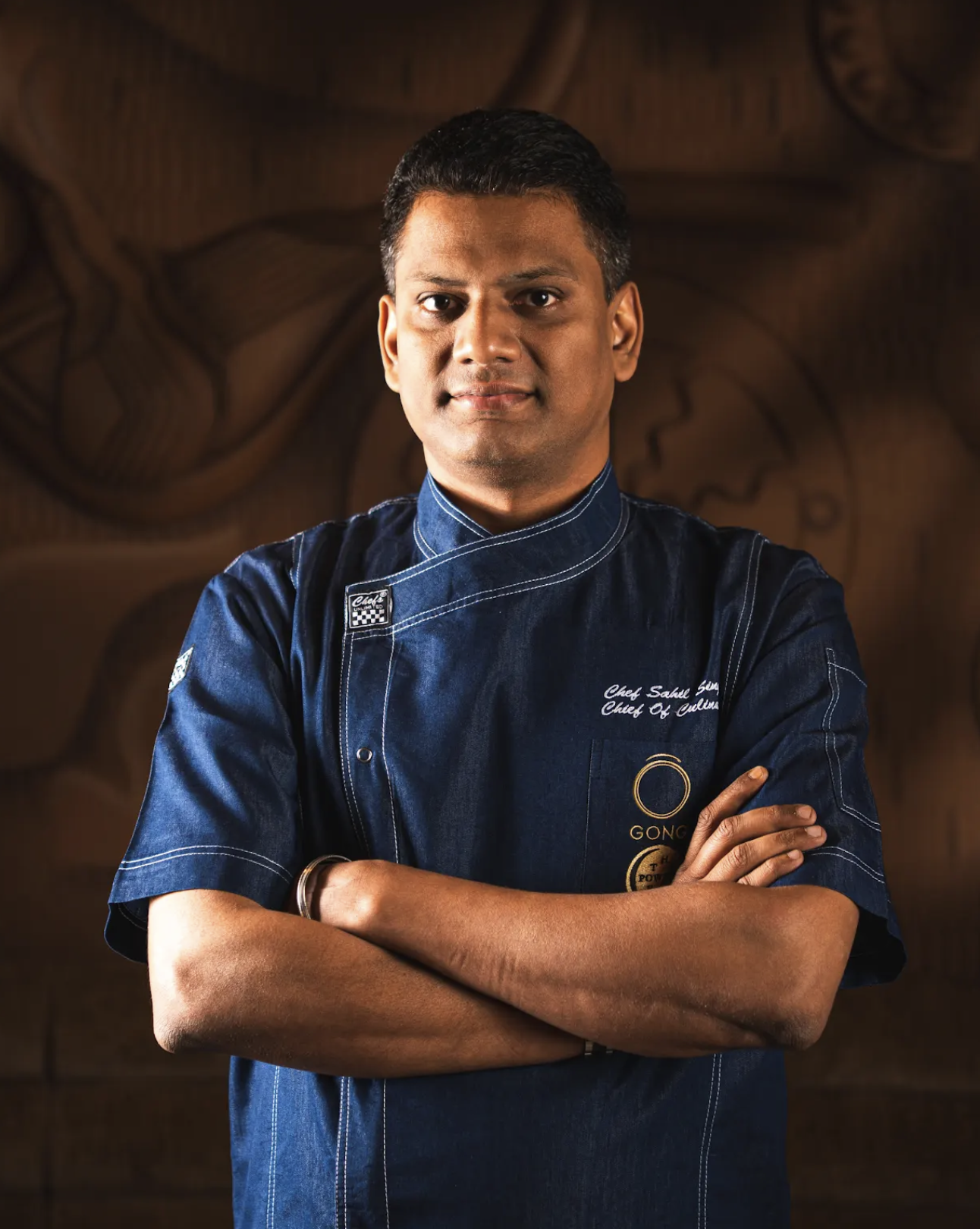
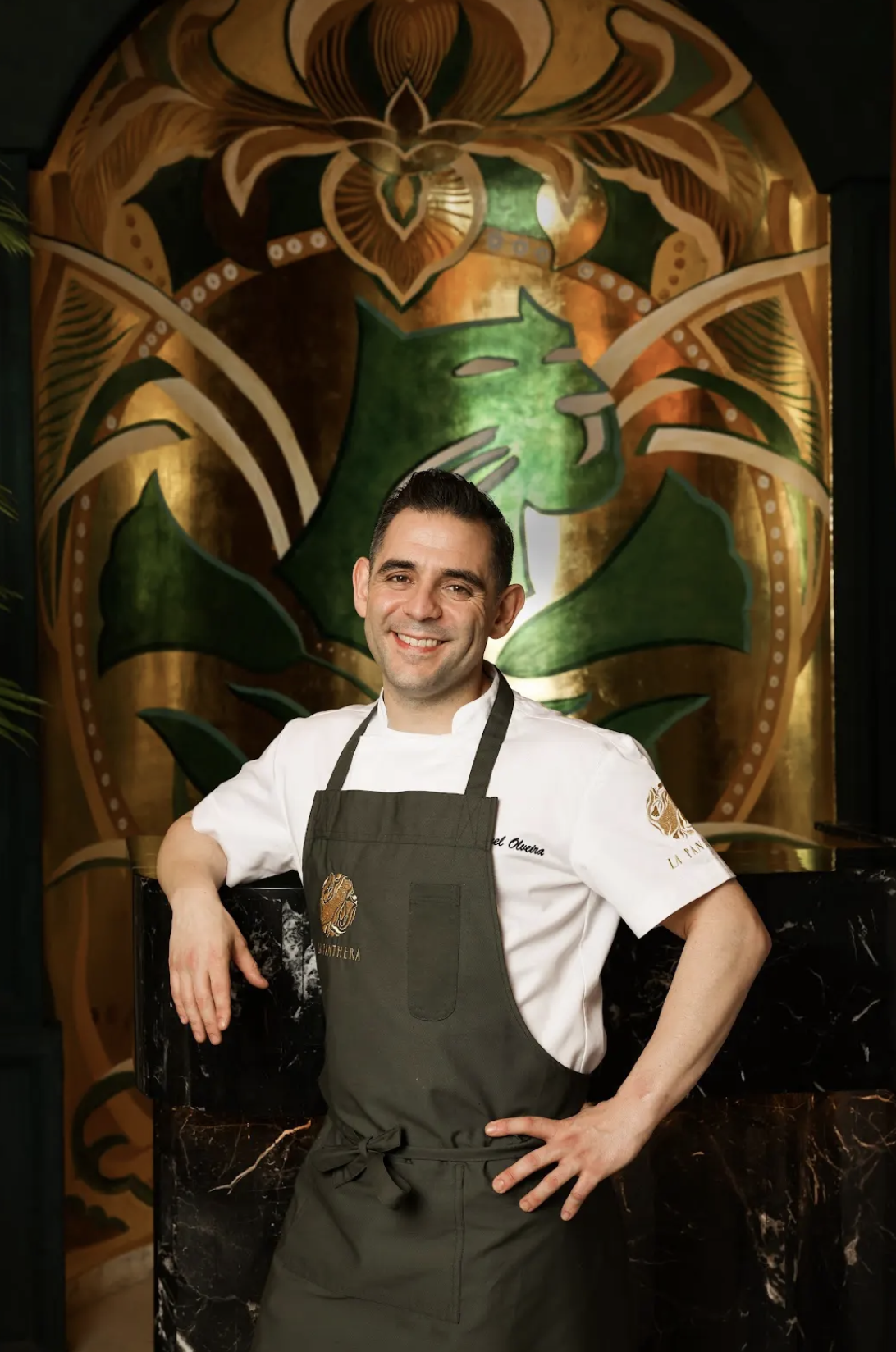
This International Chef’s Day, Chef Harshita Bhatia of Adelina, Chef Sahil Singh of Gong and The Powder Room, and Chef Manuel Olveira of La Loca Maria and La Panthera weigh in on the changing face of restaurants, the realities of a professional kitchen and what makes a meal unforgettable.
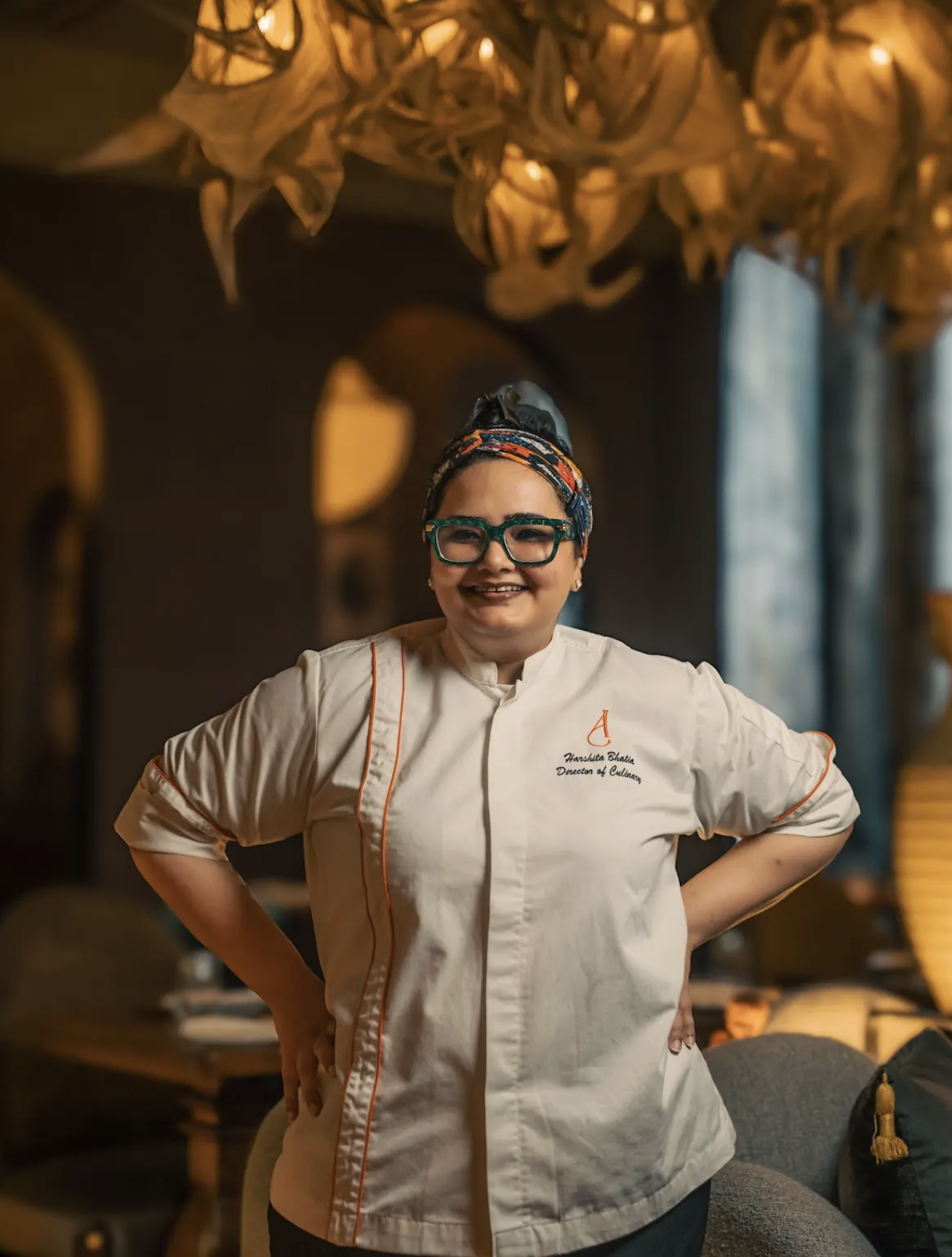
Harshita Bhatia: The proof is in the pudding
LuxeBook: What do today’s diners value more: technique, theatre, provenance or experience?
Harshita Bhatia: While all four play a role, I believe experience is what today’s diners value most. Technique is the craft we bring to the plate, provenance gives ingredients their story, and theatre can create excitement. But it’s how these elements come together to make a guest feel that makes the biggest difference. For me, it’s that moment when someone takes their first bite, feels looked after throughout the meal and leaves the restaurant with a smile. Theatre may draw someone in, but the experience is what stays with them and makes them want to return.
LuxeBook: What is one thing restaurants need to rethink about the modern diner?
Harshita Bhatia: Restaurants need to rethink the idea that today’s diner is easily impressed. Modern diners are well travelled, informed and clear about what they want. A fancy name of beautiful plating alone isn’t enough, they expect food that is prepared with care, handled hygienically and delivers on flavour. Every ingredient on a plate should be there with intention and contribute to the dish as a whole. Presentation can create a first impression, but the food needs to live up to it.
LuxeBook: Has the rise of tasting menus made dining more exciting or more performative?
Harshita Bhatia: I think tasting menus have made dining both more exciting and more performative, for guests as well as chefs. As a chef, they give you the opportunity to showcase skills you may not get to use in everyday service and explore combinations that seem unusual but work beautifully together. If I were to introduce a tasting menu at Adelina, I would explore ingredients we don’t normally use and more involved techniques, creating textures that bring out the best in each ingredient. For me, the performance should have a purpose. It should respect the ingredient and make it the hero of the plate.
LuxeBook: What makes a dish memorable enough that a diner talks about it years later?
Harshita Bhatia: I think what makes a dish memorable is often more than the dish itself. It’s the feeling you had when you ate it, the occasion you were celebrating, the people you shared it with or the hospitality that made you feel special. Of course, flavours can stay with you and make you crave a dish years later, but the memories attached to it can be just as powerful. Some of favourite foods are favourites because of their sentimental value, the moments they remind me of and the memories I’ve shared with my family. For me, a truly memorable dish becomes part of a story you want to revisit.
LuxeBook: What is one kitchen practice you think every young chef should learn early?
Harshita Bhatia: For me, it’s about building discipline early. Punctuality, consistency, adaptability and a willingness to learn are four pillars that help any young chef succeed. Showing up on time, putting in the effort and taking accountability for your work are just as important as developing your cooking skills. Stay open to feedback, learn from your mistakes and approach everyday with the intention of getting better.
Sahil Singh: The main course is consistency
LuxeBook: What is one misconception people have about being a chef that you wish the industry would retire?
Sahil Singh: That being a chef is primarily about creativity. Creativity is a small part of the job. A great kitchen is built on discipline, consistency and repetition. You can create an incredible dish once, but the real skill is making sure it leaves the kitchen exactly the same way every single time.
LuxeBook: What separates a good restaurant from a truly great one?
Sahil Singh: Consistency. A good restaurant can give you a memorable meal; a great restaurant makes you want to return because you know the experience will be just as good the next time. It’s the food, service, drinks, music and energy of the room all working together. When those elements feel effortless to the guest, I think you’ve built something special.
LuxeBook: How has the luxury dining guest changed in the last five years?
Sahil Singh: Luxury has become much less formal. Guests today are extremely well travelled and exposed to global food culture, so they’re not necessarily impressed by expensive ingredients or elaborate plating alone. They want authenticity, originality and a sense of discovery. They still expect exceptional quality, but they also want to relax and have fun while experiencing it.
LuxeBook: What do today’s diners value more: technique, theatre, provenance or experience?
Sahil Singh: Ultimately, experience. Technique and provenance are incredibly important, but they should support the dish rather than demand attention. Theatre can make something memorable, but it has to have a purpose. If the guest remembers how the dish tasted, how it made them feel and the moment around it, then everything has come together correctly.
LuxeBook: What is one restaurant trend you think has genuine staying power?
Sahil Singh: The breaking down of rigid boundaries between cuisines. Diners are much more open to discovering how different culinary cultures connect. At Gong, for example, we explore Chuka and Itameshi, Japanese interpretations of Chinese and Italian cuisines. These aren’t combinations created simply for novelty; they come from cuisines evolving through cultural exchange. I think we’ll see much more of that globally.
Manuel Olveira: A recipe for the unexpected
LuxeBook: What is one misconception people have about being a chef that you wish the industry would retire?
Manuel Olveira: One misconception I’d love to clear up is that chefs eat fancy food all day. The truth is after spending hours cooking, tasting and smelling food, sometimes the last thing you want is another plate of it! And while people imagine us creating beautiful dishes all day, a lot of the job is tasting the same sauce twenty times to make sure it’s right. Cooking is creative, yes, but it’s also a bit like being a musician who has to rehearse the same note until it sounds perfect. The magic is making it look effortless, even when it takes a hundred little adjustments to get there.
LuxeBook: What separates a good restaurant from a truly great one?
Manuel Olveira: A good restaurant serves you a great meal. A truly great restaurant makes you want to come back before you’ve even left. It’s the food, of course, but it’s also the people, the atmosphere, the service and those little details you may not even notice but would definitely miss if they weren’t there. It’s when everything comes together so naturally that you don’t have to think about it. And most importantly, it’s a place where you have a bloody good time, feel looked after, and leave already planning your next visit.
LuxeBook: How do you balance innovation with staying true to a restaurant’s identity?
Manuel Olveira: I think a dish becomes memorable when it makes you feel something. It could remind you of a meal you had as a child, surprise you with a combination you never expected to work, or simply be so delicious that you can’t stop thinking about it. It doesn’t have to be the most complicated dish on the menu or have twenty ingredients on the plate. Sometimes, the simplest things leave the biggest impression. As a chef, you can control what goes into a dish, but you can’t always predict which one will stay with someone for years. And that’s part of the beauty of cooking.
LuxeBook: What makes a dish memorable enough that a diner talks about it years later?
Manuel Olveira: I think a dish becomes memorable when it makes you feel something. It could remind you of a meal you had as a child, surprise you with a combination you never expected to work, or simply be so delicious that you can’t stop thinking about it. It doesn’t have to be the most complicated dish on the menu or have twenty ingredients on the plate. Sometimes, the simplest things leave the biggest impression. As a chef, you can control what goes into a dish, but you can’t always predict which one will stay with someone for years. And that’s part of the beauty of cooking.
LuxeBook: Are diners becoming more adventurous, or simply more influenced by what they see online?
Manuel Olveira: I think it’s a bit of both. Social media has made people curious about new cuisines and flavours, which is great. But sometimes, a dish gets more attention for how it looks than how it tastes! A beautiful plate might get you a post, but good food is what brings people back. At the end of the day, Instagram can get people through the door, but the food has to do the rest.
LuxeBook: If you could change one thing about the restaurant industry overnight, what would it be?
Manuel Olveira: I’d change the way people treat restaurant staff. Good service is important, but respect should go both ways. The person serving your food is human too, and a restaurant experience should never come at the cost of someone else’s dignity. We’re all there to make someone’s day better, and kindness costs absolutely nothing.
LuxeBook: What do you love cooking the most, and why does it feel personal to you?
Manuel Olveira: I was drawn to cooking from a very young age. Helping my mother in our family restaurant in Toledo, Spain, was my first real introduction to the kitchen and it stayed with me. Being around food every day made cooking feel natural, part of family life rather than something abstract.
That’s why everything on the menus at La Loca Maria and La Panthera feels personal. These are the flavours I grew up with-modern Spanish and European comfort food, shaped by technique. La Loca Maria is a direct expression of my Spanish heritage, rooted in memory and tradition. La Panthera was inspired by my travels across Europe- Spain, Italy, France, and Greece and how different cultures approach comfort, simplicity and flavour. Both restaurants share the same philosophy- honest food, clean flavours, strong technique and dishes meant to be shared, food that brings people together.
Read our Travel Issue here.